Just as branches cannot bear fruit of themselves unless they remain connected to the vine, neither can we reach our full spiritual measure unless we abide in Jesus Christ and His gospel.
In recent months, we’ve seen remarkable growth in the number of missionary applications and in the creation of new missions around the world. Many wonder why this is happening now when it contrasts with trends that suggest that the rising generation is less engaged in religiosity.
Several factors are probably operative, including some intentional changes the Church has made over the past several years for children and youth. One of the most important is focusing bishoprics more intensively on the rising generation, specifically on the young men and young women.
Another is that the For the Strength of Youth Conferences are more readily available. These are spiritual experiences for so many and spur interest in sharing the joy of the gospel.
Finally, more families are engaging in earlier scriptures study, especially with the aid of Come, Follow Me curriculum. This has altered Sunday worship practices.
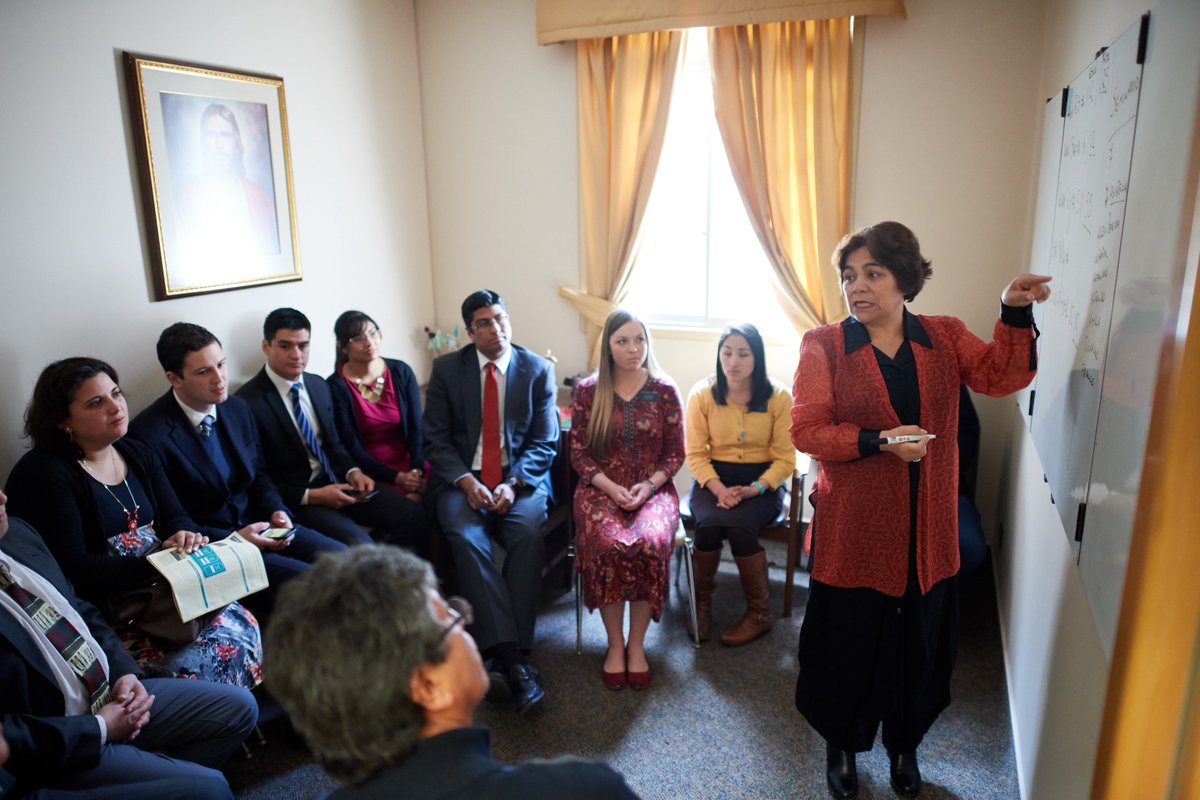
As more young women choose to serve as sister missionaries, there seems to be a leavening effect. They affect the work with members, they affect how young elders serve, and they have a significant impact in their missions.
And importantly, young women and young men learn to work in counsel with each other. I believe this will have a major impact on the work of salvation and exaltation as these missionaries return home and already know how to work and function in councils in ward and stake settings.
What we are witnessing today is more than growth in numbers. Across the world, missionaries are demonstrating a deep devotion to the Savior and a sincere consecration to His work. An increasing number express that their fundamental reason for serving is their love for Jesus Christ and their desire to join Him in His work—an inspiring reflection of the faith and commitment that characterize today’s missionary force.
As the work goes forward, this is indeed a joyous and marvelous work and a wonder.
Becoming converted to Jesus Christ is a conscious decision to give up our old ways and change to become more like Him.
On May 3rd, we look forward to being with you virtually to learn together how we can go even further in deepening our conversion to the Savior Jesus Christ.
I really enjoyed sitting down with my son Derek for his podcast. This is my last post about our discussion. He asked some important questions about the influence of the gospel of Jesus Christ in my life. I was grateful for the opportunity to share my thoughts.
"If I told you there was one free thing you could do every Sunday that would make your kids happier, healthier, smarter, and closer to you, you'd think I was selling something."
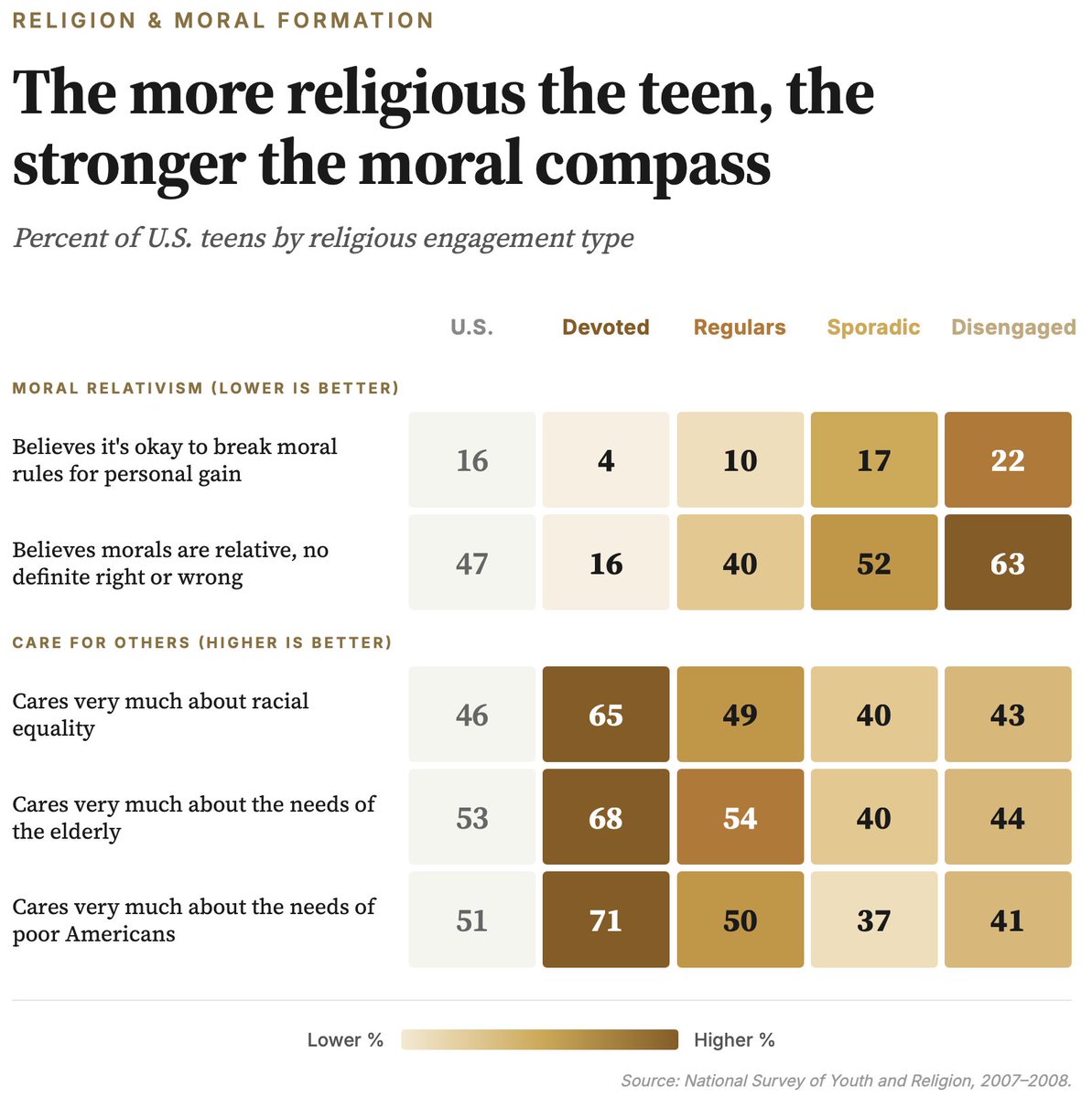
Take your kids to church regularly. I don't care if you believe. The data is so lopsided that skipping it is the parenting equivalent of refusing vegetables because you don't like the taste.
Grades. Religious teens get As at almost twice the rate of nonreligious teens. In a class of 100, that's 24 A-students instead of 14. Church gives a kid the same academic boost as being born rich instead of poor.
College. Working-class religious kids earn bachelor's degrees at double the rate of their nonreligious peers. Middle-class kids do it at 1.5x the rate. For families without a trust fund, this is one of the most powerful forms of upward mobility social scientists have measured.
Character. Religious teens are far less likely to lie, cheat, or do things they hope their parents never find out about. They're more likely to care about racial equality, the elderly, and the poor. They reject the idea that morality is whatever works for you in the moment. That kind of kid doesn't happen by accident. It's built.
Closeness. 60% of parents of religious teens say they feel "extremely close" to their kid, compared to 50% of nonreligious parents. The kids report the same thing back. They get along better with their parents, talk about hard stuff, and actually want to spend time with their family.
Despair. Religious teens are dramatically less likely to be depressed, anxious, lonely, or feel that life is meaningless. 90% of devoted religious teens never binge drink, compared to 41% of the disengaged. Economists named the modern epidemic "deaths of despair." Regular church attendance is one of the strongest known buffers against it. Parents are spending fortunes trying to solve teen mental health. The most evidence-backed intervention is free.
Purpose. Religious young adults report higher purpose, gratitude, life satisfaction, and resilience. These are the exact traits every parent says they want their kid to have.
Here's why it works. Affluent families already surround their kids with networks of stable, accomplished adults through neighborhoods, schools, and parents' colleagues. Working and middle-class families usually don't. A congregation is often the last institution in American life that puts your kid in weekly contact with dozens of stable, employed, sober adults who know their name. It used to be called "a village." Now it barely exists outside of churches.
"But I don't believe." Your kid doesn't need your theology. They need you to show up.
"But church is boring." So is sitting through a kindergarten music recital. Parenting is the deliberate choice to be bored on purpose for someone you love.
There's a church within 15 minutes of nearly every American home. You don't need money, connections, or credentials to walk in. Nothing else in this country will surround your kid with engaged adults, teach them moral seriousness, and give them a stable weekly rhythm at zero cost.
You already drive them to practices that produce far less. The free thing on Sunday produces more, on more dimensions, than almost anything else you do as a parent.
You don't have to believe anything. You just have to take them.
Discover a new series with this free fantasy prequel giveaway! Prequels and series starters - epic, urban, paranormal, romantic, and more. Find your favorites or try something new!
https://t.co/yqOL6GwyLi
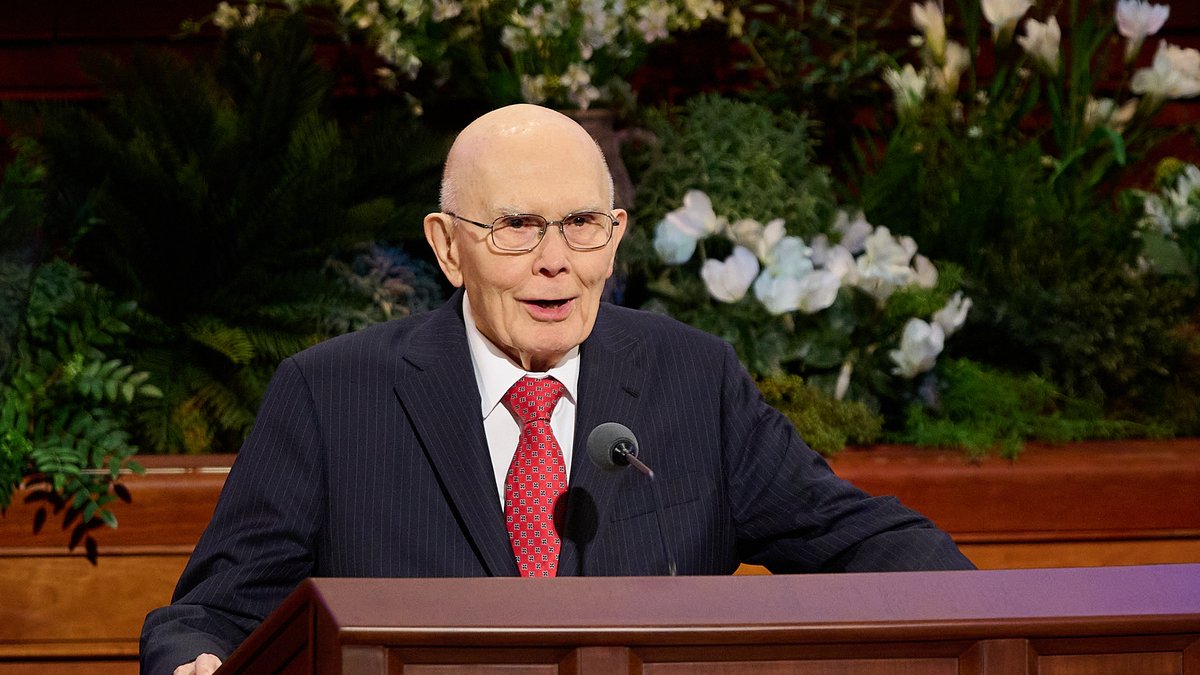
“As followers of Christ, we should seek to live peaceably and lovingly with other children of God who do not share our values and do not have the covenant obligations we have assumed.
“In a democratic government we should seek ‘fairness for all.’ In countless circumstances, strangers’ suspicion or even hostility gradually give way to friendship when personal contacts produce mutual respect.”
— President Dallin H. Oaks (@OaksDallinH) #GeneralConference
Thanks for your perspective, Astronaut Victor Glover!
We all are truly special as is our precious ‘spaceship Earth’ , as you say.
Safe travels around the moon and back.
Happy Easter to you and your crew, and all of Humanity!
Astronaut Victor Glover discussed what it means for him and the entire Artemis II crew to be observing Easter Sunday from space during their historic mission.
“Maybe the distance we are from you makes you think what we’re doing is special but we’re the same distance from you,” Glover told CBS News' Mark Strassmann. “Just trust me, you are special.”
Happy Easter Sunday, everyone!
Enjoy this video which celebrates Christ and His Greater Love for all humanity on this Awesome Easter Sunday and always!
https://t.co/xiFcnWMFvI
Happy Easter, everyone!
Tune in to General Conference today and tomorrow for music and messages of hope and joy in the glory of our Savior Jesus Christ! ❤️😇
https://t.co/2ZAS5YK2Zq
When Mary returned to the Garden Tomb, angels—and then the risen Savior Himself—asked her a simple, searching question: “Why weepest thou?” (John 20:15). At Easter, that same loving question is quietly extended to each of us.
I pray that you will find in your faith the light, the love, and the joy that He would have all of us feel at this sacred time of year.
#GreaterLove
I testify that what happened on Easter Day really happened. Jesus Christ is resurrected. He lives.
I hope you will find the joy that I find as well in this special Easter season and celebrate the gift of the Son of God.
This phrase is older than you think.
“Solemn assembly” is a phrase from the Hebrew Bible that describes significant gatherings that occurred during Passover and the Feast of Tabernacles. The first temple in Jerusalem was dedicated during the time of a solemn assembly.
Solemn assemblies are special, sacred meetings held for a variety of holy purposes. They require Latter-day Saints to bring an elevated sense of spirituality with them into the meeting. These assemblies have included the sustaining of new Church presidents, the dedication of a temple or another significant building (such as the Conference Center), the introduction of new scripture, the instruction of priesthood leaders, and other special gatherings.
Join us at 10 a.m. MDT on April 4, 2026, for the Saturday morning session of general conference and solemn assembly as we sustain our prophet, @OaksDallinH .
As Jesus Christ loved us, we strive to show that same love to others.
Across the world, members of The Church of Jesus Christ of Latter-day Saints are serving side by side with neighbors, communities, and partners to care for those in need.
Explore the Caring for Those in Need 2025 Report and see how we are serving together as a Church.
Visit the link below to read the report:
https://t.co/08ukkAhS9w
Because of His greater love, you get to try again and again and again. Nothing is impossible with Christ’s love. No matter how broken you think you are, Jesus Christ’s love is for you.
The March 2026 update to the Church’s “General Handbook,” prepared under the direction of the First Presidency, includes several adjustments.
A few of them are:
Revised language emphasizing ordinances and covenants as central in God’s work of salvation and exaltation (chapter 1)
Updated information about calling ward Sunday School presidencies that are all men or all women (13.2.2.1)
A new section about caring for the earth (38.8.6)
These updates are online and will appear in the Gospel Library app in the next 24 to 48 hours.
Visit the link to learn more on Church Newsroom.
https://t.co/XvzECyNJtj