Zuckerberg trató la adquisición de Instagram por email de forma asíncrona.
Pero José Luis considera que todo el mundo debe volver a la oficina porque se están perdiendo valiosísimas conversaciones frente a la máquina de café
Los cambios grandes son una ilusión. Todos los cambios son pequeños.
Sólo hay ciclos de feedback más grandes o más pequeños.
Buenísimo esto de Kent Beck 💯
Es mejor tener un proceso estricto por mucho que añada fricción o trabajo de vez en cuando (en casos que lo mismo te lo podrías saltar) que un proceso laxo que evite que se haga lo correcto siempre (incluso cuando era necesario pero la ambigüedad dio lugar a ignorarlo)
𝗛𝗮𝘃𝗲 𝗬𝗼𝘂 𝗛𝗲𝗮𝗿𝗱 𝗔𝗯𝗼𝘂𝘁 𝗘𝗹𝗲𝗴𝗮𝗻𝘁 𝗢𝗯𝗷𝗲𝗰𝘁𝘀, 𝗔 𝗡𝗲𝘄 𝗢𝗢 𝗣𝗮𝗿𝗮𝗱𝗶𝗴𝗺?
Elegant Objects (EO) is an object-oriented programming paradigm that renounces traditional techniques like null, getters-and-setters, code in constructors, mutable objects, static methods, annotations, type casting, implementation inheritance, data objects, etc.
The book series by software engineer Yegor Bugayenko proposes a new approach to object-oriented programming (OOP). The principles described in these books are considered controversial by some and revolutionary by others, but they challenge many established norms in OOP.
The main 𝗽𝗿𝗶𝗻𝗰𝗶𝗽𝗹𝗲𝘀 of Elegant Objects are:
𝟭. 𝗡𝗼 𝗻𝘂𝗹𝗹: Null references shouldn't be used or returned. Instead, use objects that throw exceptions when their methods are called.
𝟮. 𝗡𝗼 𝗰𝗼𝗱𝗲 𝗶𝗻 𝗰𝗼𝗻𝘀𝘁𝗿𝘂𝗰𝘁𝗼𝗿𝘀: Constructors should only assign the object's state and not contain any logic.
𝟯. 𝗡𝗼 𝗴𝗲𝘁𝘁𝗲𝗿𝘀/𝘀𝗲𝘁𝘁𝗲𝗿𝘀: Objects should be asked to do things with their condition instead of exposing the internal state via getters and setters.
𝟰. 𝗜𝗺𝗺𝘂𝘁𝗮𝗯𝗹𝗲 𝗼𝗯𝗷𝗲𝗰𝘁𝘀: Objects shouldn't have mutable states. Once an object is created, it should remain the same for its entire life cycle.
𝟱. 𝗡𝗼 𝗿𝗲𝗮𝗱𝗲𝗿𝘀, 𝗽𝗮𝗿𝘀𝗲𝗿𝘀, 𝗰𝗼𝗻𝘁𝗿𝗼𝗹𝗹𝗲𝗿𝘀, 𝘀𝗼𝗿𝘁𝗲𝗿𝘀, and so on: Objects should not be defined primarily by the actions they perform but rather by the things they are.
𝟲. 𝗡𝗼 𝘀𝘁𝗮𝘁𝗶𝗰 𝗺𝗲𝘁𝗵𝗼𝗱𝘀: Everything should be an object, and every operation should be a method call on an object. Static methods break this paradigm.
𝟳. 𝗡𝗼 𝗶𝗻𝘀𝘁𝗮𝗻𝗰𝗲 𝗼𝗳 𝘁𝘆𝗽𝗲𝗰𝗮𝘀𝘁𝗶𝗻𝗴 𝗼𝗿 𝗿𝗲𝗳𝗹𝗲𝗰𝘁𝗶𝗼𝗻: These operations break the encapsulation principle of OOP and allow for procedural-style code.
𝟴. 𝗡𝗼 𝗽𝘂𝗯𝗹𝗶𝗰 𝗽𝗿𝗼𝗽𝗲𝗿𝘁𝗶𝗲𝘀: Objects should hide their internals and expose behavior. Public properties reveal an object's internal structure.
𝟵. 𝗡𝗼 𝘀𝘁𝗮𝘁𝗲𝗺𝗲𝗻𝘁𝘀 𝗶𝗻 𝘁𝗲𝘀𝘁 𝗺𝗲𝘁𝗵𝗼𝗱𝘀 𝗲𝘅𝗰𝗲𝗽𝘁 𝗮𝘀𝘀𝗲𝗿𝘁𝗧𝗵𝗮𝘁: Use only a single assertion and no additional logic.
𝟭𝟬. 𝗡𝗼 𝗢𝗥𝗠 𝗼𝗿 𝗔𝗰𝘁𝗶𝘃𝗲𝗥𝗲𝗰𝗼𝗿𝗱: They should not be used as they blur the line between objects and database and violate encapsulation.
𝟭𝟭. 𝗖𝗼𝗺𝗽𝗼𝘀𝗶𝘁𝗶𝗼𝗻 𝗼𝘃𝗲𝗿 𝗶𝗻𝗵𝗲𝗿𝗶𝘁𝗮𝗻𝗰𝗲: Inheritance is seen as a powerful but often misused feature of OOP. It's preferable to use object composition instead.
Read the full text in the comments.
_______
If you like my posts, please follow me, @milan_milanovic, and hit the 🔔 on my profile to get a notification for all my new posts.
Grow with me 🚀!
#technology #softwareengineering #programming #softwaredesign #techworldwithmilan
Si quieres aprender a programar en PYTHON, este es mi curso desde cero:
⇨ Fundamentos: 10h
⇨ Intermedio: 7h
⇨ Backend: 8h
⇨ App con ChatGPT: 1h
⇨ Testing: 1h
⇨ 15 curiosidades sobre Python
27 HORAS en vídeo. 42 clases. Todo el CÓDIGO disponible.
GRATIS.
[ H I L O ] ⇩
𝗛𝗼𝘄 𝗗𝗼 𝗬𝗼𝘂 𝗕𝗲𝗰𝗼𝗺𝗲 𝗧𝗵𝗲 𝗧𝗼𝗽 𝗣𝗲𝗿𝗳𝗼𝗿𝗺𝗲𝗿 𝗜𝗻 𝗦𝗼𝗳𝘁𝘄𝗮𝗿𝗲 𝗘𝗻𝗴𝗶𝗻𝗲𝗲𝗿𝗶𝗻𝗴
This is the question I get from time to time from people, usually those who have just started in the industry. After almost 20 years of experience, my own and some great people I worked with, I found this is what led to great results:
𝟭. 𝗬𝗼𝘂 𝗻𝗲𝗲𝗱 𝘁𝗼 𝗹𝗼𝘃𝗲 𝘄𝗵𝗮𝘁 𝘆𝗼𝘂 𝗱𝗼 (you don't have to, but it will be much more challenging)
𝟮. 𝗬𝗼𝘂 𝗻𝗲𝗲𝗱 𝘁𝗼 𝗵𝗮𝘃𝗲 𝗰𝗹𝗲𝗮𝗿 𝗴𝗼𝗮𝗹𝘀 (without goals, you will probably get somewhere, and you don't want to be there)
𝟯. 𝗚𝗿𝗶𝘁 (you need to have a drive that will get you there)
𝟰. 𝗜𝗻𝘁𝗲𝗴𝗿𝗶𝘁𝘆 (walk your talk, always)
𝟱. 𝗖𝗼𝗺𝗺𝘂𝗻𝗶𝗰𝗮𝘁𝗶𝗼𝗻𝘀 (be clear and concise)
𝟲. 𝗗𝗼𝗻'𝘁 𝗯𝗲 𝗮 𝘁𝗼𝘅𝗶𝗰 𝗽𝗲𝗿𝘀𝗼𝗻, 𝗱𝗼𝗻'𝘁 𝗴𝗼𝘀𝘀𝗶𝗽
𝟳. 𝗗𝗼𝗻'𝘁 𝗯𝗲 𝗷𝗲𝗮𝗹𝗼𝘂𝘀 𝗼𝗳 𝗼𝘁𝗵𝗲𝗿'𝘀 𝘀𝘂𝗰𝗰𝗲𝘀𝘀
𝟴. 𝗪𝗼𝗿𝗸 𝘄𝗶𝘁𝗵 𝗽𝗲𝗼𝗽𝗹𝗲 𝘄𝗵𝗼 𝘆𝗼𝘂 𝗮𝗱𝗺𝗶𝗿𝗲 𝗮𝗻𝗱 𝘄𝗵𝗼 𝗮𝗱𝗺𝗶𝗿𝗲 𝘆𝗼𝘂
𝟵. 𝗨𝘀𝗲 𝗽𝗿𝗼𝗱𝘂𝗰𝘁𝗶𝘃𝗶𝘁𝘆 𝗺𝗲𝘁𝗵𝗼𝗱𝘀 (GTD, Eisenhower matrix, Pomodoro)
𝟭𝟬. 𝗟𝗲𝗮𝗿𝗻 𝗳𝘂𝗻𝗱𝗮𝗺𝗲𝗻𝘁𝗮𝗹𝘀, 𝗻𝗼𝘁 𝗳𝗿𝗮𝗺𝗲𝘄𝗼𝗿𝗸𝘀
𝟭𝟭. 𝗟𝗲𝗮𝗿𝗻 𝘁𝗼 𝗿𝗲𝗮𝗱 𝗱𝗼𝗰𝘀
_______
If you like my posts, please follow me, @milan_milanovic, and hit the 🔔 on my profile to get a notification for all my new posts.
Grow with me 🚀!
#technology #softwareengineering #careers #personaldevelopment #productivity
Hoxe a #bonilista vai en honor a Alejo, unha grandísima persoa e un histórico da nosa asociación que tantos anos adicou a promover o software, o hardware e a cultura libre, e que tristemente faleceu a pasada semana. Descanse en paz
https://t.co/H1kXvqCEe9
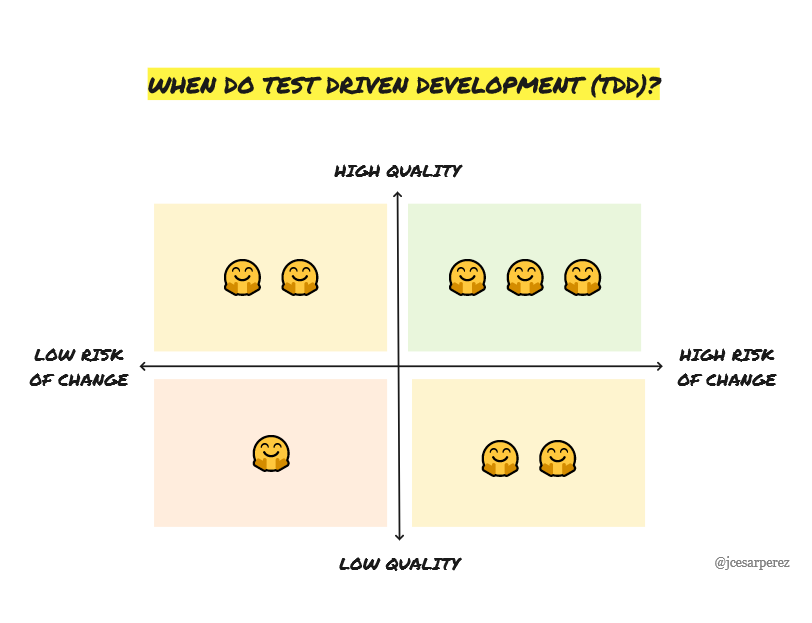
❤ Me encanta TDD. Es una técnica excepcional para crear código de alta calidad.
Creo que debería hacerse todo el rato en un equipo?
NO
Dependiendo de la necesidad de calidad y la probabilidad de que el código evolucione en el futuro, se debería usar más o menos
Si entendemos que el trabajo del desarrollador no es sólo programar, sino resolver problemas y aportar valor, no podemos pretender que un desarrollador se pase el 99% del tiempo programando y medir su productividad en líneas de código