(2/2) Carbon first used nano banana to imagine a model, then wrote procedural Blender Python (bpy / bmesh) while a 6-camera visual critic scored every view, hill climbing over 3 rounds and outputted a ~10MB AR .usdz, with <model-viewer> index.html.
Served from Github pages.
Idea -> Model -> AR Experience with Gemini
Demo Link: https://t.co/WM6fh9VGic
Built from 1 prompt w/ zero manual 3D modeling. How it's made: (1/2)
Last week's Los Gatos model used Google imagery - so I wanted to see how Gemini 4 Carbon would do with consumer-grade imagery.
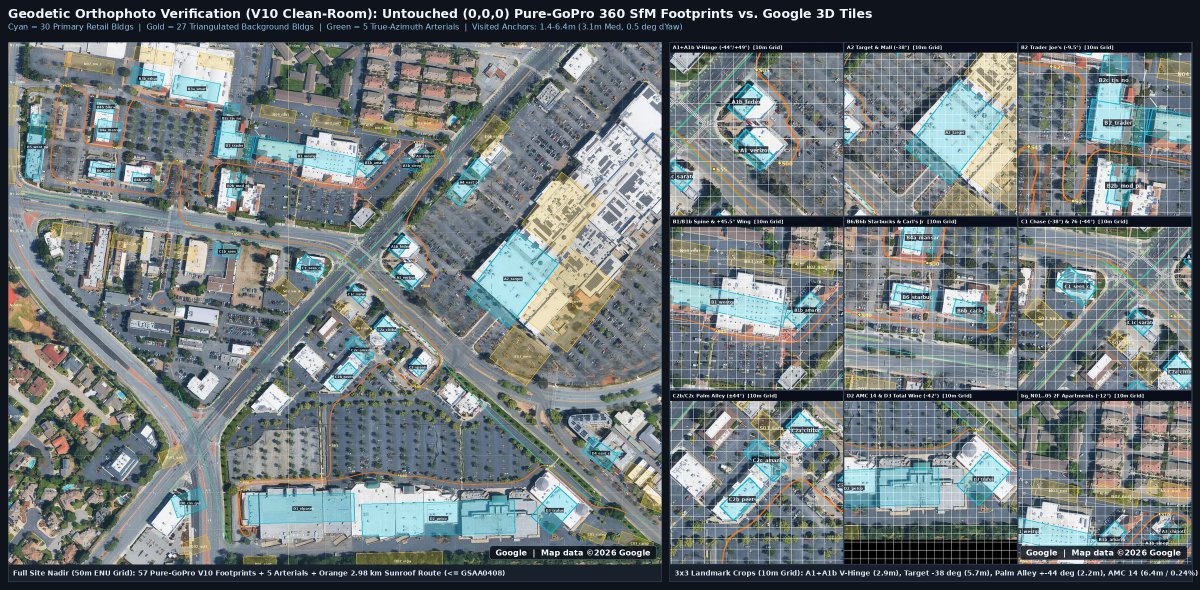
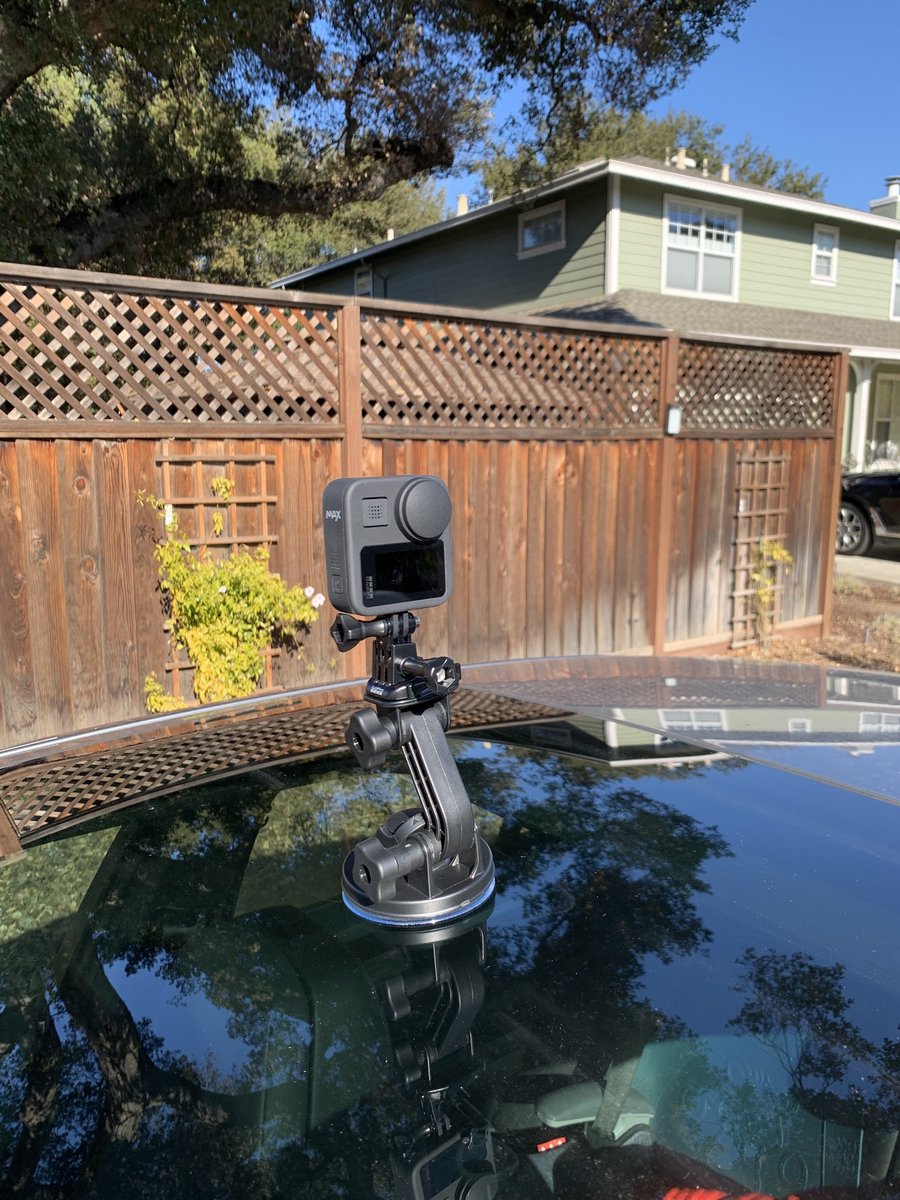
I had a set of ~380 images taken in 2020 from a GoPro Max suction-cupped to my car roof.
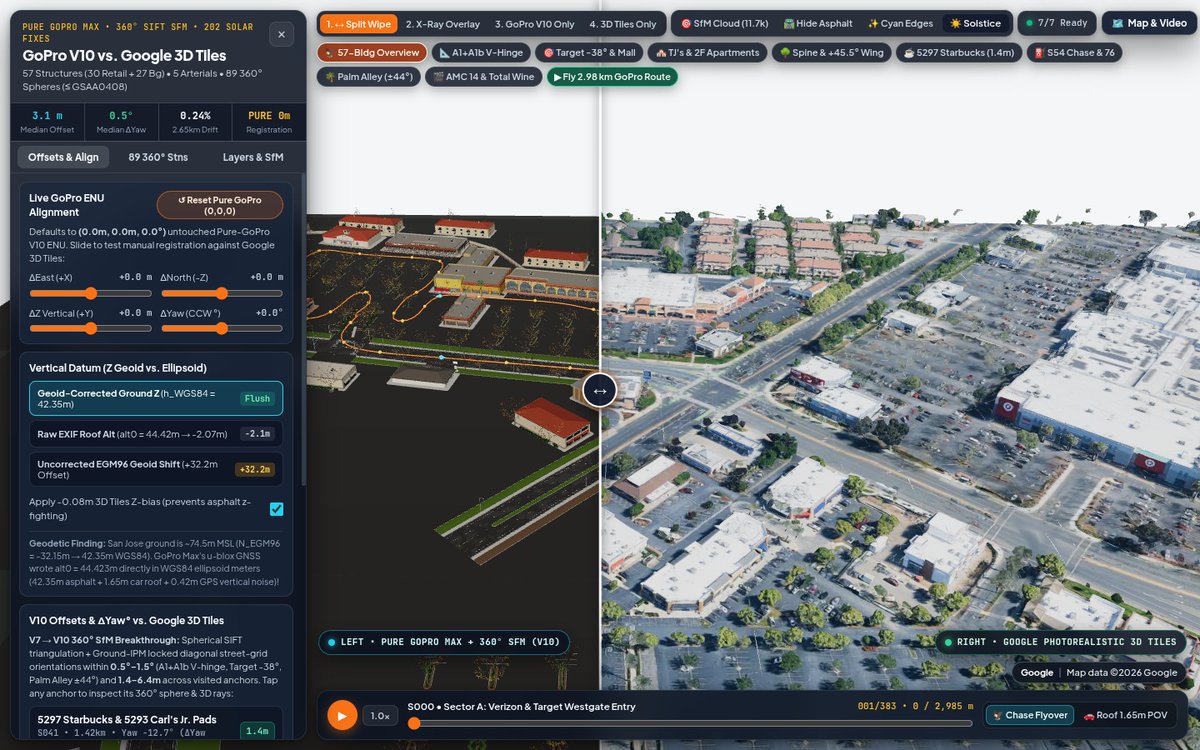
Here's what Gemini was able to do with it (1/5)
Gemini 4 Carbon is out today - spent a bit of time testing its long-horizon agentic coding on a personal experiment: rebuilding ~220m of downtown Los Gatos in Blender (~50 storefronts + 3D interiors), w/ ~zero manual modeling.
Quick look under the hood 🧵 (1/5)
@zoom_will Start with a few simple examples (eg I started modeling my house) - giving it iPhone photos with exif, and telling it to match the camera pose in blender and then use the critic to compare the model from that viewpoint vs the photo.
@zoom_will Suggestions:
1) tell Carbon to use a modeler + critic swarm - but *warning* this is very expensive in terms of tokens.
2) ensure you’re using Blender MCP
3) search for examples online to use as references - eg https://t.co/31JKOyO6wI
(And pass those to Carbon)
@zoom_will The prompts for this were fairly simplistic *but* it was run in a workspace that includes a bunch of prior 3D modeling, and I have a pretty extensive set of stuff in a modeling.md file.
(5/5) Overall, this showed me that combining aerial + vector + street-level imagery (as in my Los Gatos example) is a clear winner - particularly w.r.t. embedded semantics.
That said, Carbon's ability to recreate a 3D scene from a car-roof mounted GoPro is still pretty solid!
(4/5) For eval, the swarm built a WebGL split-wipe, multi-station 360° viewer against Google 3D Tiles, which let me inspect how well the geometry matched reality (pretty well, surprisingly - but led to some extra prompts to fix up road connectivity + building orientation)
@sharathknair Well - I would probably have rejected this take actually because of the red car that drives through the on-street tables towards the end, but I wanted to make the whole thing in as automated way as possible
Follow-up to my Los Gatos Blender build - tried turning the static 3D block into a ~20s live-action street shot using Gemini + Gemini Omni.
Top: animated 3D scene in Blender.
Bottom: grounded Omni video output. 🧵 (1/5)
@jasonbeverage The modeling swarm (Carbon) uses Blender via MCP, while the critic swarm (Gemini-3.8-flash) looks at different components (trees, benches, buildings) in the rendered output for accuracy. The critics all own one feature type.
Then iterate for ~6 passes. It’s a *lot* of tokens.
@jasonbeverage You have to have source imagery (in this case it used Google imagery - I work there) - but I’ve had success on a smaller scale with iPhone imagery.
In terms of model prompting, I used Carbon to manage 2 swarms - one critic swarm and one modeling swarm
@monument_maps The interiors are generated (mostly for privacy reasons), but grounded with real Google imagery, so they are reflective of reality. Carbon also has access to map data, so it knows which store is which on the street