ECOWAS STRENGTHENS MEMBER STATES’ PREPAREDNESS AND RESPONSE TO EBOLA VIRUS DISEASE IN SENEGAL.
As part of its efforts to prevent the introduction and spread of Ebola Virus Disease (EVD) within the ECOWAS region, the ECOWAS Regional Centre for Surveillance and Disease Control (RCSDC) @Ecowas_cdc , in collaboration with the Institut Pasteur de Dakar (IPD) @PasteurDakar , ISED/UCAD, the Infectious Diseases Department of Fann Hospital in Dakar, the International Organization for Migration (IOM) @IOMROWCA , and Médecins Sans Frontières (MSF) @MSF_WestAfrica, is organizing a regional capacity-building workshop on preparedness and response for the 12 @ecowas_cedeao countries, taking place in Dakar from 23 to 26 June 2026.
The main objective of this four-day workshop is to share knowledge and strengthen the skills of health professionals from ECOWAS Member States so they can better detect, isolate, and effectively manage EVD cases, while implementing robust Infection Prevention and Control (IPC) measures. A field simulation exercise is planned to test operational arrangements and consolidate learning.
At the opening of the workshop, the Executive Director of @Ecowas_cdc recalled that Ebola Virus Disease (EVD) remains a major threat, emphasizing that vigilance is still required given the recent epidemiological context in Central Africa. Although the risk for West Africa is assessed as moderate, the Executive Director stressed the region’s potential vulnerability due to cross-border movements, trade flows, and the high density of transport corridors. He also recalled the lessons from the 2014–2016 epidemic, noting that “preparedness costs less than response, and anticipation saves lives.”
The Executive Director further announced that it will continue supporting Member States, including—starting next week—a meeting of laboratory managers in collaboration with IPD, featuring the provision of diagnostic tests, followed by activities dedicated to the regional network for risk communication and community engagement.
@Ecowas_cdc welcomes the strong partnership dynamics that made this workshop possible and reaffirms its commitment to supporting regional coordination, information sharing, and resource mobilization so that each country is better prepared to face Ebola Virus Disease.
@AbdouKolley@JMDiarrass@NCDCgov@ecowas_cedeao@OoasWaho @GouvcI @UKHSA@giz_gmbh@Fmohnigeria@NPHIL6@santegouv_sn@cousenegal@cous_senegal@SneipsO@MSPS_Togo@mohgovgh@mohs_sl@MohGambia@WHOAFRO@UKinNigeria@ECOWAS_RAHC@vicfatimehin@Dr_Babacar@ALEGUY5@_GHSofficial @Gouvci @USCDCNIGERIA@mohs_sl@ezekielagir@Santeci@AFENETAfrica@npha_sl@PasteurDakar@AntaraSimon@penielwalker@OURYBAL10216551
Risk communication, community engagement, and infodemic management are the foundation of effective prevention, preparedness, and response.
As part of ongoing prevention, preparedness, and response efforts to the outbreak affecting parts Central Africa (DRC and Uganda), and in support of a harmonized and proactive approach, @NCDCgov in collaboration with @Ecowas_cdc, are organizing a series of webinars to strengthen #RCCE capacities and bridge the gap between national strategies and implementation at state and regional levels.
1. Edition 01: Ebola – National RCCE Preparedness Overview (June 11, 2026- Completed).
2. Edition 02: Community Engagement – Strategies for Hard-to-Reach Areas (June 25, 2026).
3. Edition 03: Infodemic Management – Tools for Monitoring & Rapid Response (July 9, 2026).
4. Edition 04: Media Relations – Handling Ebola Reporting & Managing Rumors *(July 23, 2026).
5. Edition 05: Inclusive Communication – Working with Persons with Disabilities *(August 6, 2026).
6. Edition 06: Review of State-Level Readiness & Gap Analysis (August 20, 2026).
For upcoming editions, details on how to join will be shared soon.
@ECOWAS_cdc, together with the NPHI of the @Ecowas Members states are advancing stronger regional coordination through shared learning, aligned RCCE approaches, and the dissemination of best practices—supporting improved preparedness and response across the region.
@AbdouKolley@JMDiarrass@NCDCgov@ecowas_cedeao@OoasWaho @GouvcI @UKHSA@giz_gmbh@Fmohnigeria@NPHIL6@santegouv_sn@cousenegal@cous_senegal@SneipsO@MSPS_Togo@mohgovgh@mohs_sl@MohGambia@WHOAFRO@UKinNigeria@ECOWAS_RAHC@vicfatimehin@Dr_Babacar@ALEGUY5@_GHSofficial
@Gouvci @USCDCNIGERIA@mohs_sl@ezekielagir@Santeci@AFENETAfrica@npha_sl@PasteurDakar@AntaraSimon@penielwalker@OURYBAL10216551
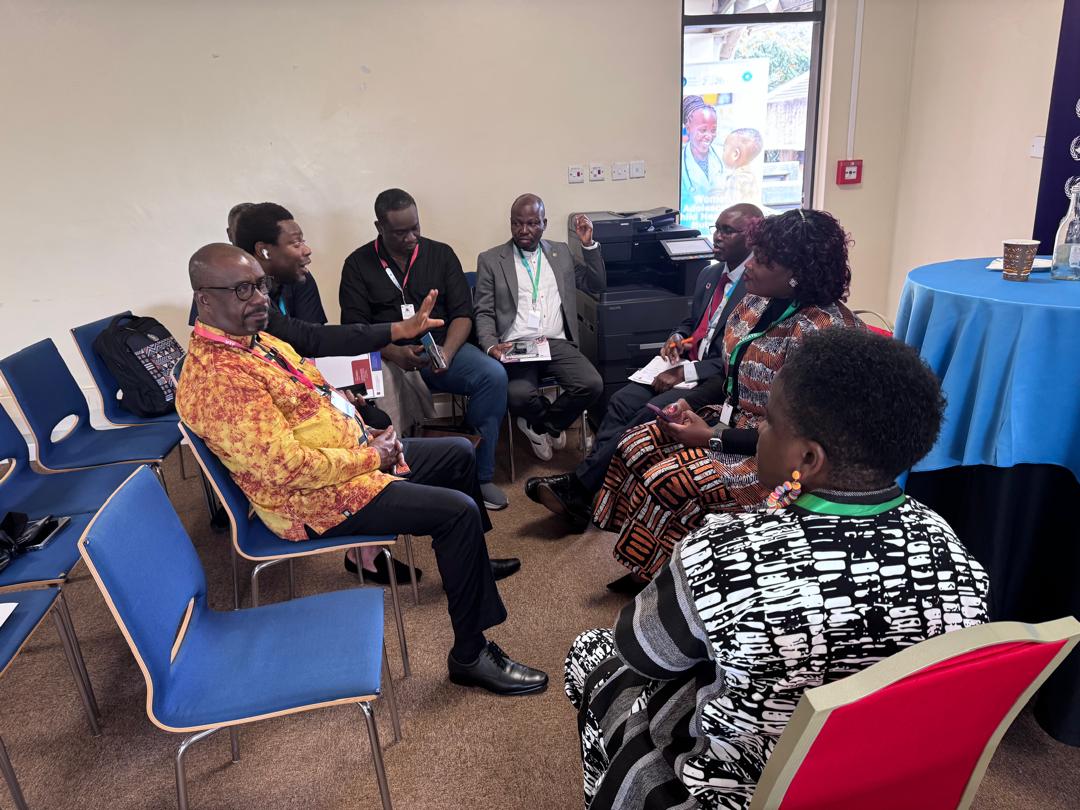
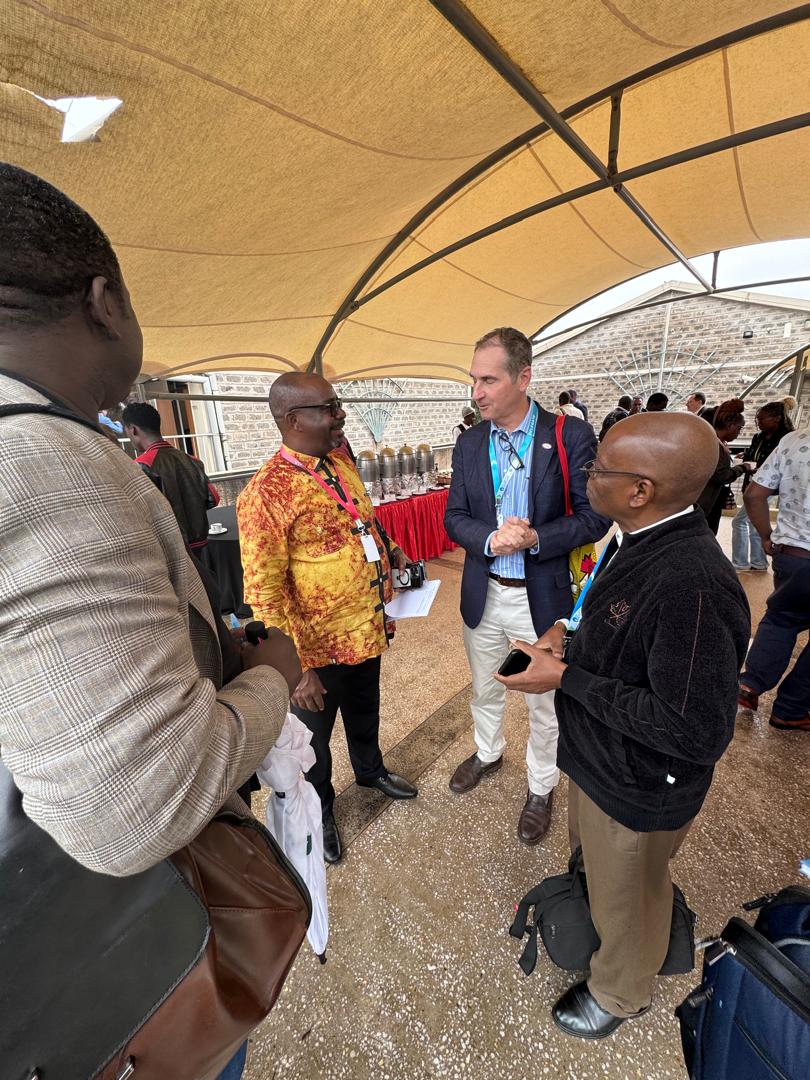
A delegation from the @Ecowas_cdc , led by its Executive Director, Dr Diarrassouba @JMDiarrass took part in the Global Health Security Conference #GHS2026, whose objectives were to:
- Review the latest research and scientific innovations for the detection, prevention, and control of infectious disease threats, regardless of their origin.
- Promote knowledge sharing, scientific collaboration, strategic partnerships, evidence-based policies, and concrete actions to strengthen global capacities for surveillance, preparedness, and emergency health response, for a safer and healthier world.
As the agency dedicated to strengthening health security within @ecowas_cedeao , @Ecowas_cdc contributed to the conference through panels, discussions, and poster presentations, sharing its experience in the following areas:
1. Operationalizing cross-border preparedness: strengthening the capacities of standardized Points of Entry across ECOWAS.
2. Strengthening “One Health” governance in West Africa: regional and institutional coordination.
3. Epidemiological profile of Mpox in the ECOWAS region (2024–2025): trends, transmission dynamics, and regional implications.
This participation helped highlight regional expertise, leverage scientific advances, and strengthen partnerships to enhance preparedness and response to health threats.
@AbdouKolley@JMDiarrass@NCDCgov@ecowas_cedeao@OoasWaho @GouvcI
@UKHSA@giz_gmbh@Fmohnigeria@NPHIL6@santegouv_sn@cousenegal@cous_senegal@SneipsO@MSPS_Togo@mohgovgh@mohs_sl@MohGambia@WHOAFRO@UKinNigeria@ECOWAS_RAHC@vicfatimehin@Dr_Babacar@ALEGUY5@_GHSofficial @Gouvci
@USCDCNIGERIA@mohs_sl@ezekielagir@Santeci@AFENETAfrica@npha_sl@PasteurDakar@AntaraSimon@penielwalker
As part of efforts to update and strengthen prevention, preparedness, and response to health emergencies related to Hantavirus and Ebola virus disease (EVD), the ECOWAS Regional Centre for Surveillance and Disease Control @Ecowas_cdc held an online coordination meeting on 20 May 2026 with the relevant national institutions of Member States and technical partners.
This meeting provided an opportunity to review the epidemiological situation of Hantavirus and EVD, as well as the measures implemented by Member States to strengthen prevention, early detection, and an appropriate response. Participants also shared good practices, analyzed key operational challenges, and identified priority needs in surveillance, laboratory capacity, case management, risk communication, and cross-border coordination.
Following the discussions, the participants agreed on next steps, including: (i) updating contingency plans and standard operating procedures, (ii) strengthening notification and real-time information sharing, (iii) providing targeted support to countries with vulnerabilities, and (iv) organizing joint preparedness activities (trainings, simulation exercises, and capacity reviews).
@Ecowas_cdc reaffirms its commitment to supporting Member States in implementing these actions and to regularly following up on the recommendations, in order to strengthen regional resilience and sustainably reduce the risk of these outbreaks spreading within the ECOWAS region.
@AbdouKolley@JMDiarrass@NCDCgov@ecowas_cedeao@OoasWaho @GouvcI @UKHSA@giz_gmbh@Fmohnigeria@NPHIL6@santegouv_sn@cousenegal@cous_senegal@SneipsO@MSPS_Togo@mohgovgh@mohs_sl@MohGambia@WHOAFRO@UKinNigeria@ECOWAS_RAHC@mariannebonkano@vicfatimehin@Dr_Babacar@ALEGUY5@_GHSofficial
@Gouvci @USCDCNIGERIA@mohs_sl@ezekielagir@Santeci@AFENETAfrica@npha_sl@PasteurDakar@AntaraSimon
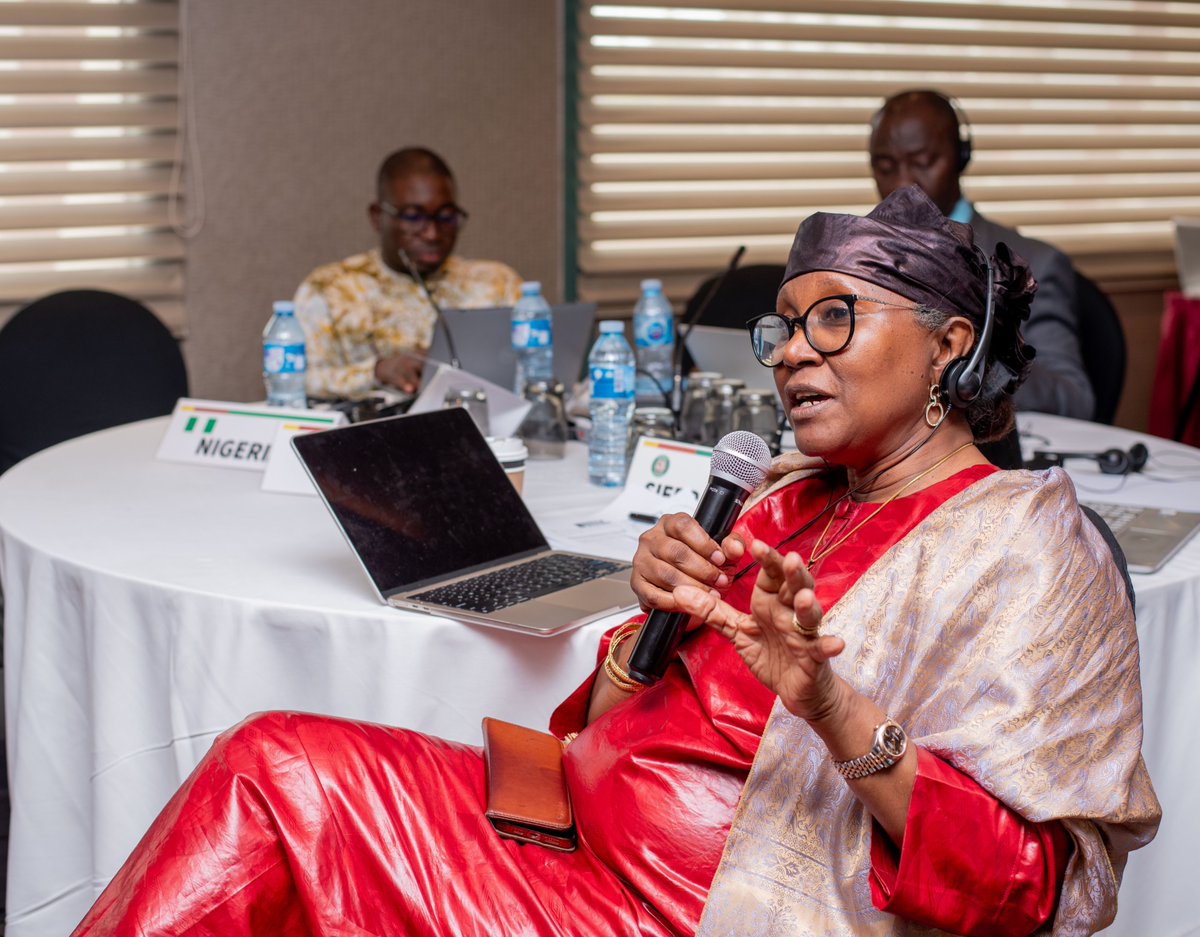
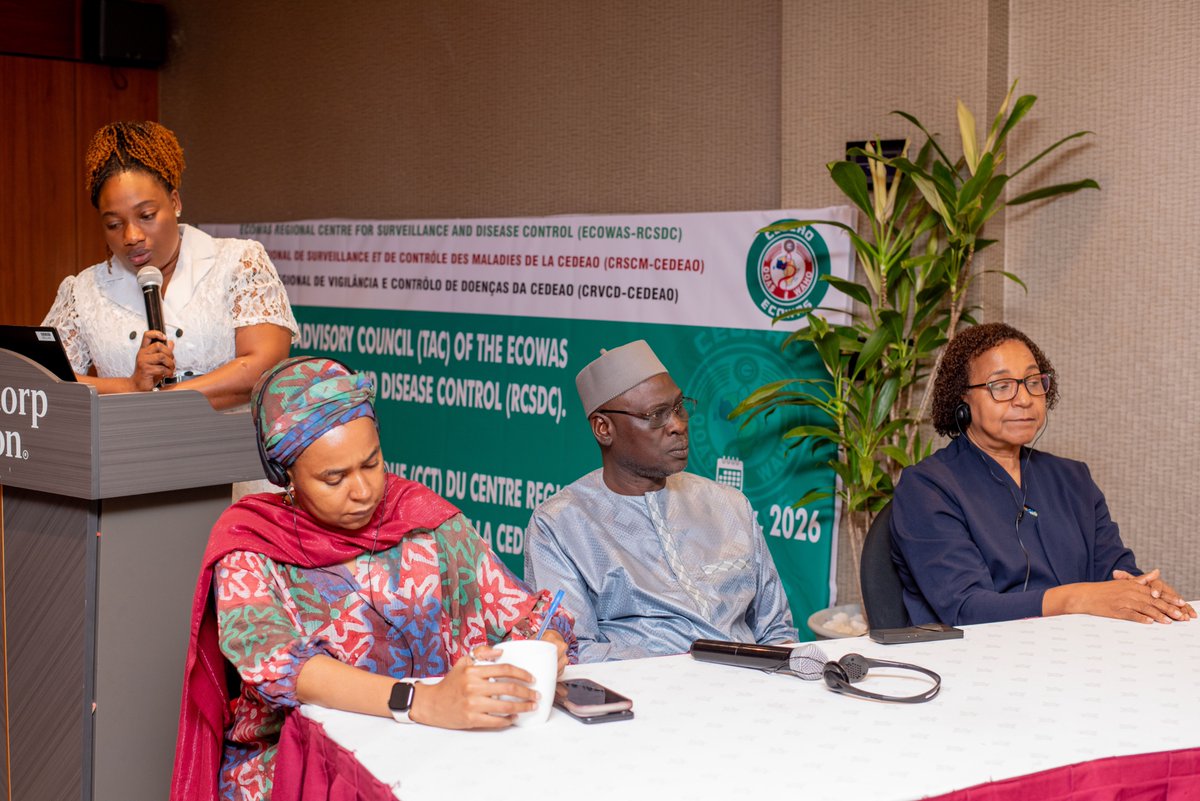
At the conclusion of three intensive and highly productive days of deliberations here in Abuja, the Executive Director of @Ecowas_cdc welcomed the high quality of the discussions—held in a spirit of exemplary regional cooperation—which enabled the Technical Consultative Council (TAC) to achieve its objectives.
He recalled the key outcomes of the deliberations, namely:
1. A detailed presentation and constructive discussions on the RCSDC 2025 annual report, including a review of the 2025 epidemiological situation, challenges, and, above all, the RCSDC’s outlook;
2. The presentation of the various sectoral plans and the status of their implementation;
3. A presentation and discussions on the implications of the “America First Global Health” initiative, underscoring the need to safeguard our strategic autonomy in public health, strengthen balanced partnerships, and ensure the sustainability of regional programmes;
4. The revitalisation and strengthening of the Technical Working Group on Antimicrobial Resistance (AMR), reflecting our commitment to tackling AMR as a regional priority;
5. The TAC’s substantial contribution to updating the RCSDC Strategic Plan 2027–2031, with a clear identification of the regional priorities to be included.
He commended the quality of the interventions and the breadth of expertise brought to these sessions, which resulted in practical and realistic recommendations.
Finally, on behalf of @Ecowas_cdc , he made a commitment to work with determination to implement these recommendations so that the future Strategic Plan to be developed fully reflects the priorities of the ECOWAS region.
@AbdouKolley@JMDiarrass@NCDCgov@ecowas_cedeao@OoasWaho @GouvcI @UKHSA@giz_gmbh@Fmohnigeria@NPHIL6@santegouv_sn@cousenegal@cous_senegal@SneipsO@MSPS_Togo@mohgovgh@mohs_sl@MohGambia@WHOAFRO@UKinNigeria@ECOWAS_RAHC@mariannebonkano@vicfatimehin@Dr_Babacar@ALEGUY5@_GHSofficial
@Gouvci @USCDCNIGERIA@mohs_sl@ezekielagir@Santeci@AFENETAfrica@npha_sl@PasteurDakar@AntaraSimon