Excellent Oxbridge leadership training for everyone @cbshouston -JMNR’s opinions are his own and not of the accredited college that makes the miracle possible.
As a rule, human beings should never film or televise (much less "livestream") another person's death--regardless of whether they are being executed in the name of justice or not.
Death is not an ordinary moment in a person's life: it strips us of all else we have been and done, leaving us naked before the immediacy of God. Death does not merely terminate our life, but consummates it: the manner of our death is the crown on all our acts, or it is their final shame. There are deep reasons why Western society, including Christians, have often given people's last words additional weight in our narrative of our lives--including, in some conditions, additional legal weight. In dying, we journey into the hand of God--a journey that no one can make for us.
The honor that we have traditionally given to the moment of death is built on a fundamental awe and respect for the value of life. How we die--and how we kill--clarifies how we think about life as nothing else can.
The respect we owe to life is inherently degraded when we film people dying. Screens inherently participation in the voyeurization of our life together, which cannot but trivialize everything they depict. There is a reason why, even as our media has secularized, the deep instinct to keep death off our screens has persisted. Our forbearers who were originally confronted with decisions to film the execution of Nazis decided against doing so. The most barbaric of our foes reject this norm--and it is part of their barbarism that they do.
Execution and the responsibilities of public justice by no means nullify the respect we owe to the criminals--at least not for those who affirm the natural law or for Christians, for whom the obligations to engage in retribution must be bound by an unwavering affirmation of the value of the offender.
The obligations of justice are to be executed with 'equity,' epieikeia or clemency, as Aristotle and Aquinas knew and as Christians have long affirmed. The offender never loses his claim upon us, even when capital punishment is imposed. Broadcasting death dehumanizes the offender and, ironically, so destroys the very rational basis that is required to make punishment just. It intrinsically participates in the barbarism that terrorism thrives on.
There is no obligation on the state to broadcast its executions in the pursuit of its justice, then, regardless of who the offender is or what they have done. The argument that some have set forth, that doing so is necessary to demonstrate the seriousness of the crime, is astonishing for what it permits: if terrorists torture someone before killing them, should the state also torture them--and broadcast such torture, so that terrorists are "warned"?
The invocation of public executions from the Old Testament offers this practice no warrant either; the formative power of being required to participate by way of stoning is different in kind than that of viewing others killing, as even the Pharisees understood in John 8. The ethical question cannot be answered without attending to the nature of public communication and the differences between their world and our own.
All that can be said from within the scope of the natural reason, I think. Christians have themselves additional warrant to prescind from such barbarisms, namely, our obligation to exhort the state to extend mercy in its demonstration of justice. At a minimum, such a demand requires allowing sinners to meet God without the whole world watching. No one in their final moment on earth should be an object lesson for the state, even if they deserve the punishment they receive.
Intelligence must draw on memory. The mind must not simply compile data — as an algorithm now does more quickly than we can — but recall lived experiences, which contain depths of meaning that only the human soul can recognize, and connect more deeply with the goodness of these experiences. Everything that is good begins “with the Spirit” and thus possesses a breath, a dynamism and a sense of communion that, once experienced, are engraved upon the heart. https://t.co/Ij21tkb3qT
Packer backer, but respect to Coach Mike Ditka (and player!). You do not have to like the Bears but you had to respect Coach Ditka. Prayers for the family.
How many Orthodox converts stay in the Church? In our 2024 study of converts in 20 parishes, the answer is that, for those converts received between five and ten years before we gathered our data (i.e., 2023), at least 81.8% were still Orthodox. The actual retained number is undoubtedly higher, because another 9.2% are unknown, and it’s likely that some of those unknowns are also still Orthodox. For more recent converts, received less than five years before the study, at least 94.5% are still Orthodox, with another 3.7% unknown.
(Link below)
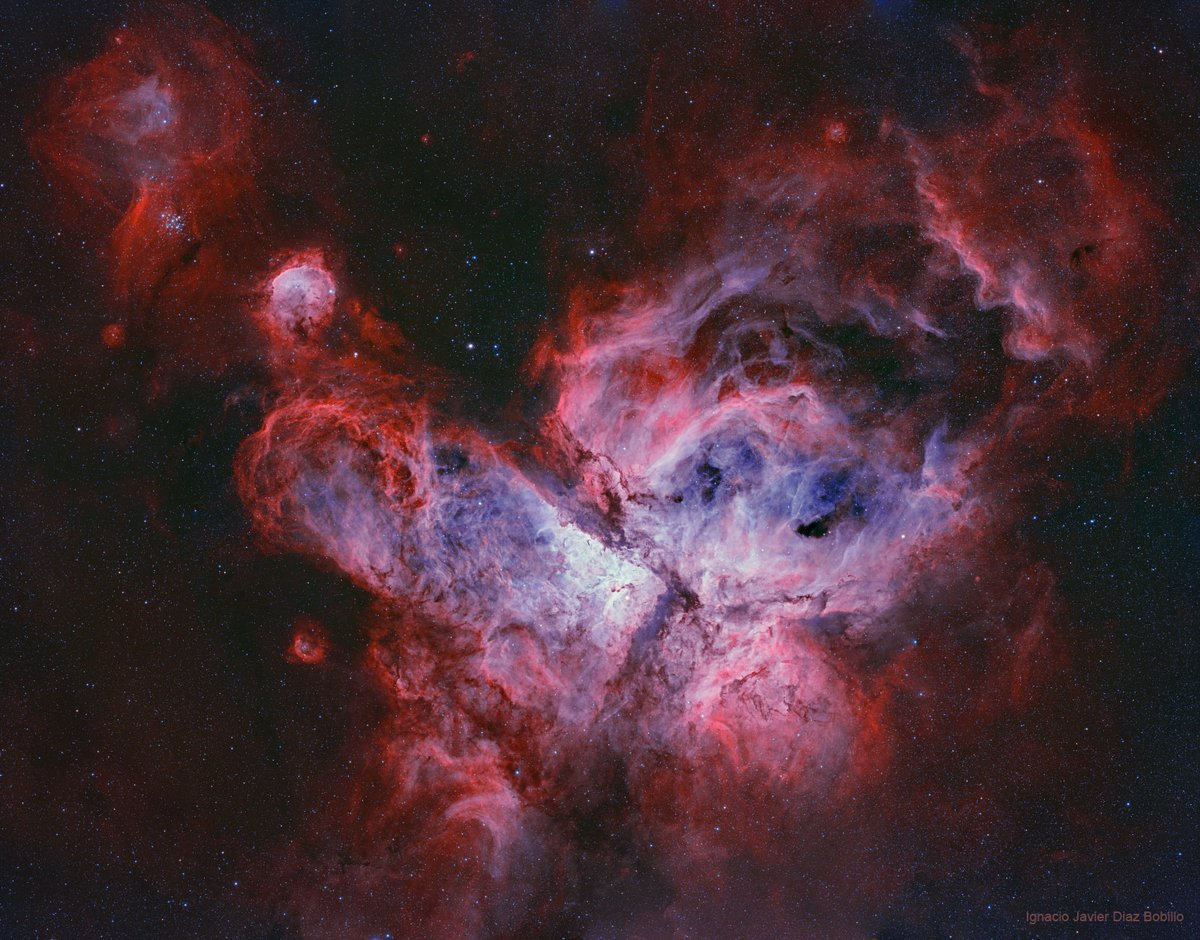
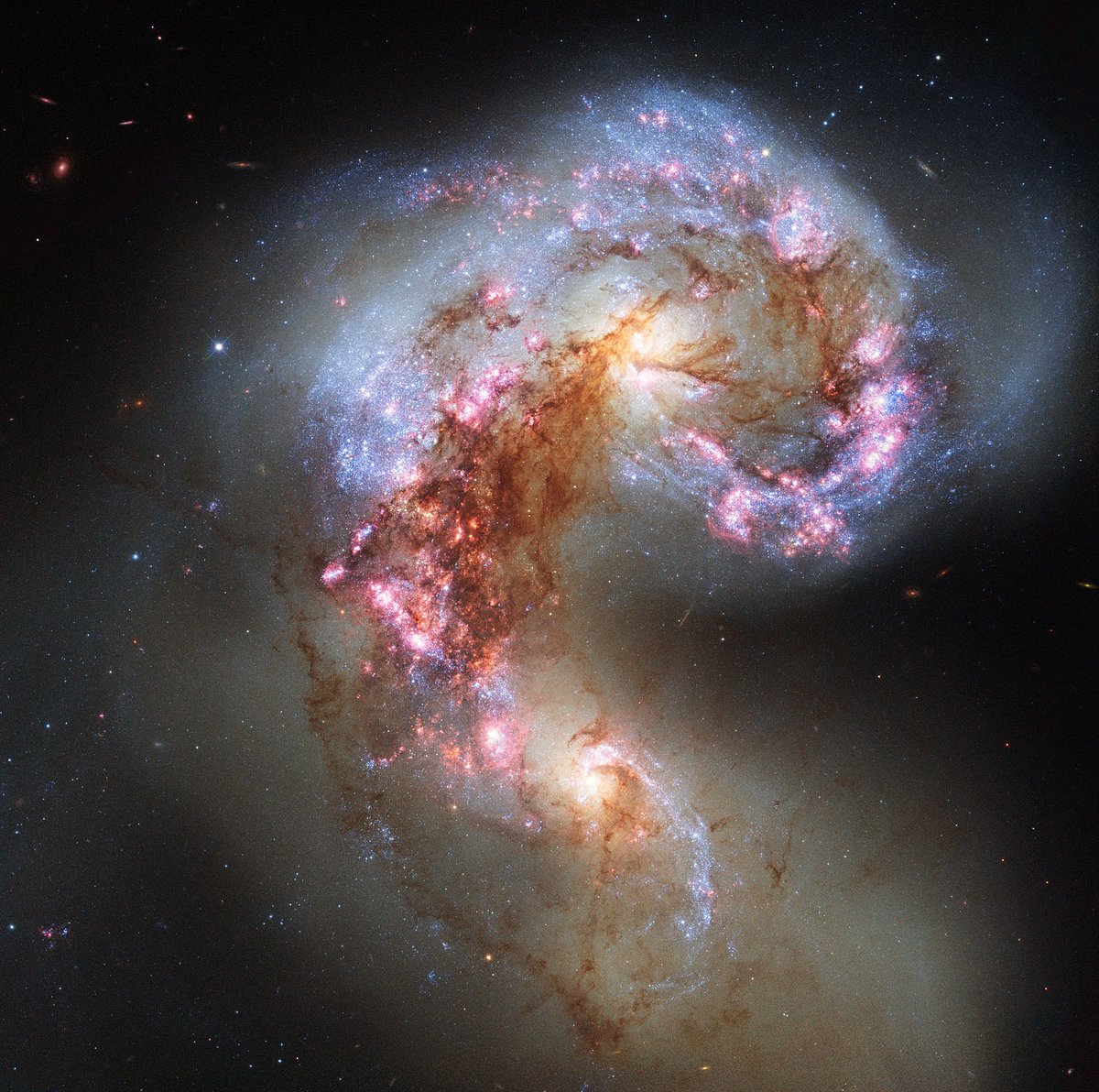
Earth is the only planet we know of with life on it. It may be the only one of its kind in the universe, and it may not. But there's no doubt that planets like Earth are rare. So, why did God make the universe so big? Why make hundreds of billions of galaxies if they're not all brimming over with life? Isn't it all just wasted space?
Maybe for someone who has a scarcity mindset, but that's not our Creator.
Humans build with limitations in mind - we're constrained by time, space, budgets, intelligence, knowledge, and finite resources.
But not God.
He is outside of time and space, he has no budget to work against, his intelligence and knowledge are unimaginably vast, and he has infinite resources. So, why would would he limit himself? Why not make a breathtaking "over-designed" universe filled with wonders?
If this kind of discussion interest you, you might enjoy my new book, coming out next month, called The Heavens Declare. It's available for pre-order now.
https://t.co/0rF4wsq34T
You might also enjoy my newsletter, Schrödinger's Poodle, where I do deeper dives on topics like this and more.
https://t.co/Bp0n7wxVnU