@writegracey @iamfujimura I mean you guys, I agree that this a precious, even sacred moment, but his father signed into ‘law’ a bill that allows doctors to decline care to children who are born alive after a failed abortion. And yet “He understands what real life is”?! Really?! Help me understand.
Hear, Hear 👇 @UNW_AD is very deserving of this recognition and award. So thankful for him and his leadership. And for the uniquely excellent and Christ exalting culture he has helped create for @unweagles
🚨 HALL OF FAME 🚨
@TheNCCAA has announced @UNW_AD as their newest member of the 2024 Hall of Fame class!
"Well deserved" is an understatement. Congratulations to the best Athletic Director in the country!
🦅 #CompeteWithPurpose
https://t.co/F88EFUqlqj
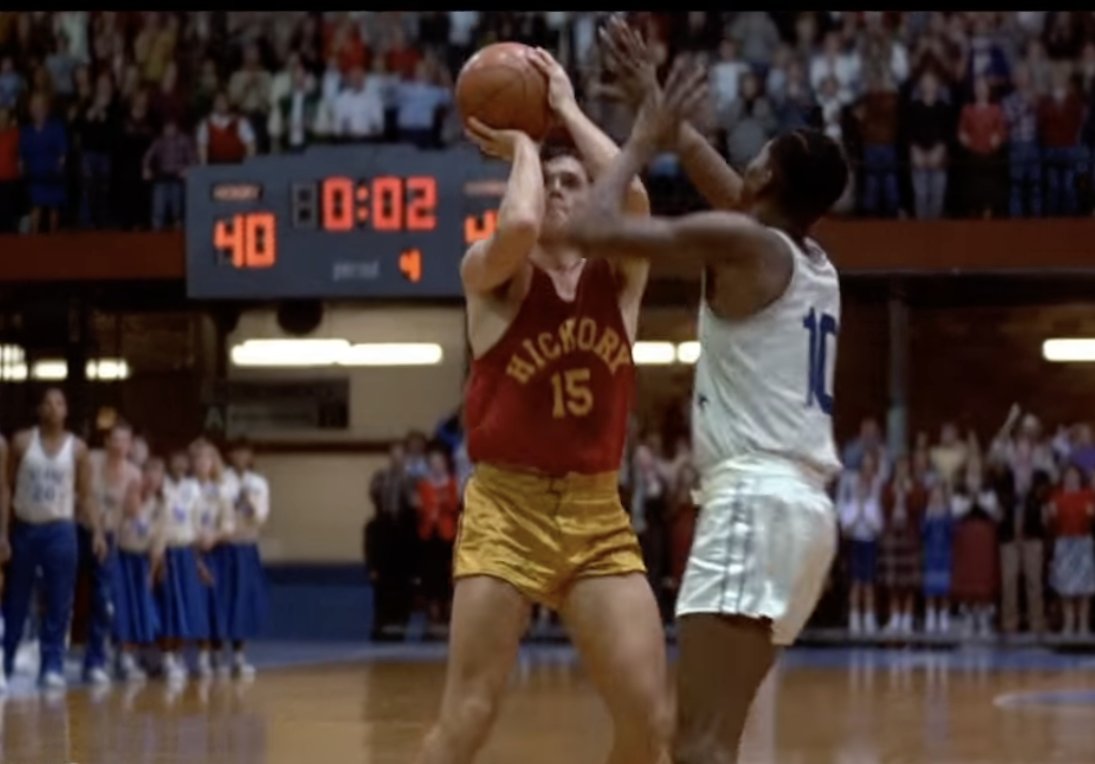
If you start the movie "Hoosiers" at 10:07 p.m. and 48 seconds tonight, you'll ring in the New Year just as Jimmy Chitwood hits the final shot.
No need to thank me.
@BryanJohn82 how can anyone possibly put into words your legacy my brother?! You have raised boys into men, men into brothers, brothers into Christ-honoring husbands, fathers, leaders, and friends. Thank you Coach! What an impact you have made 👏🙏🙌
🏈 End of an era 🥹
After 2⃣9⃣ years as an offensive assistant coach for @unwfb, Bryan Johnson has announced his retirement from coaching
Thank you for everything Coach Johnson!
🦅 #CompeteWithPurpose
Read 🔽
https://t.co/LnZ7cGM3RY
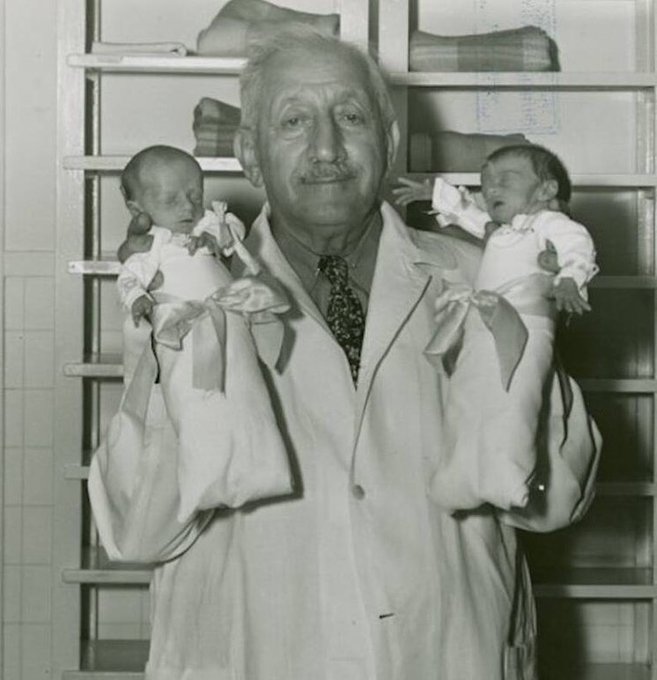
Known as 'the Incubator Doctor', Martin Couney was responsible for saving over 7,000 prematurely born babies during his lifetime.
He achieved this by showcasing these infants in incubators at his Coney Island exhibition, charging visitors 25 cents to observe the babies in their incubators.
In the early 1900s, many eugenicists propagated the idea that premature babies were fated to die and not worth the effort to save.
However, Couney countered this notion with his unique exhibition. Inspired by the use of chicken incubators as 'child hatcheries' at the Chicago World's Fair, he understood the potential of incubators to bring fragile newborns back from death's doorstep, and was keen to emulate this success.
By the time his Coney Island exhibition shut its doors in 1943, virtually all hospitals in America had incorporated the use of these lifesaving devices.
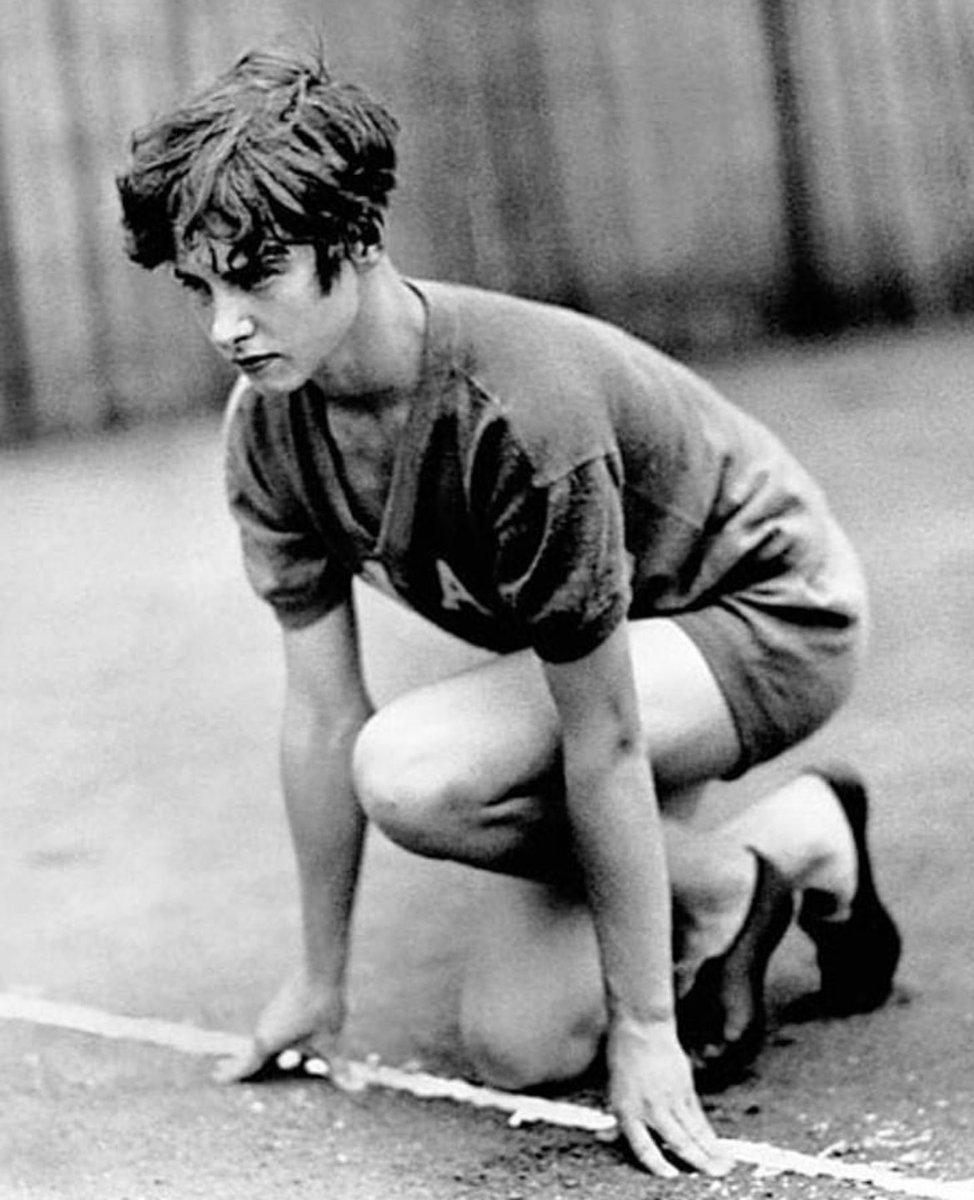
This is Betty Robinson, the first woman to ever win an Olympic gold medal in the 100-meter race at the 1928 games in Amsterdam. She was only 16 years old.
In 1931, Robinson was badly injured in a plane crash. Rescuers initially thought she was dead when her unconscious body was discovered in the wreckage. Her body was headed to the morgue when she showed signs of life.
After spending seven weeks in a coma, Robinson was then wheelchair-bound for six months. It would take her another two years before she could walk again. She was forced to sit out the 1932 Summer Olympics in Los Angeles, California.
In the 1936 Olympics in Nazi Germany, Robinson was part of the U.S. relay team but was unable to participate in the 100m race because she could not physically kneel at the starting line due to her injuries.
The Germans were heavily favored to win, and they had actually taken the lead in the race. However, one of the German sprinters dropped the baton, and Robinson was able to take the lead. Once she handed the baton to Helen "Fulton Flash" Stephens, the U.S. team secured the win, and Robinson was able to win her second gold medal.
Her time for the 100m was 12.2 seconds. The current women's world record for the 100m is 10.49 seconds, which was set by Florence Griffith-Joyner of the US at the 1988 United States Olympic Trials in Indianapolis, Indiana.