NEW: Former Oklahoma State head coach Mike Gundy is making his TV debut this weekend as a guest analyst on TNT's College Football coverage, @PeteNakos reports📺
https://t.co/gA8cuNX9nX
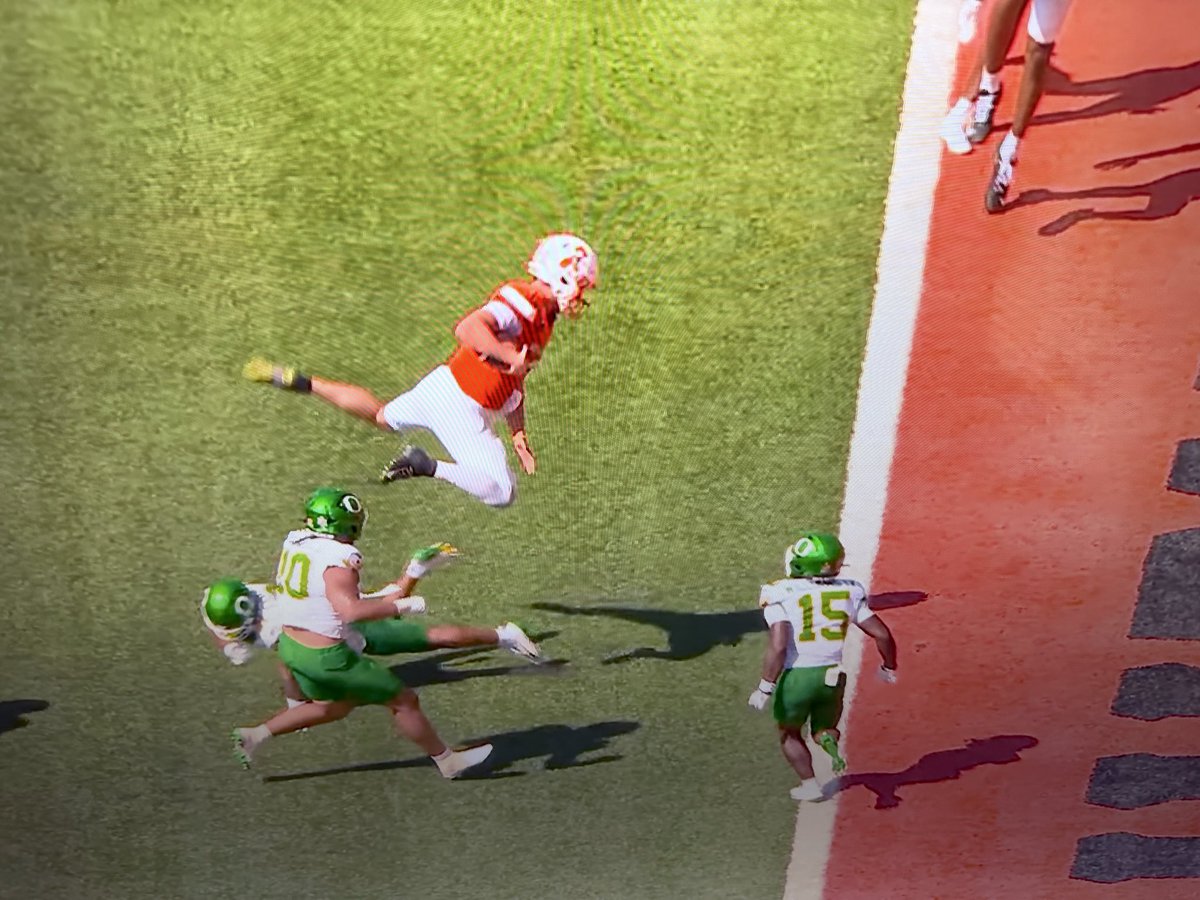
When anyone ever asks you why you love CFB and why you wake up every Saturday like it’s Christmas just show them this video
This is why we CFB.
It’s beautiful 😂
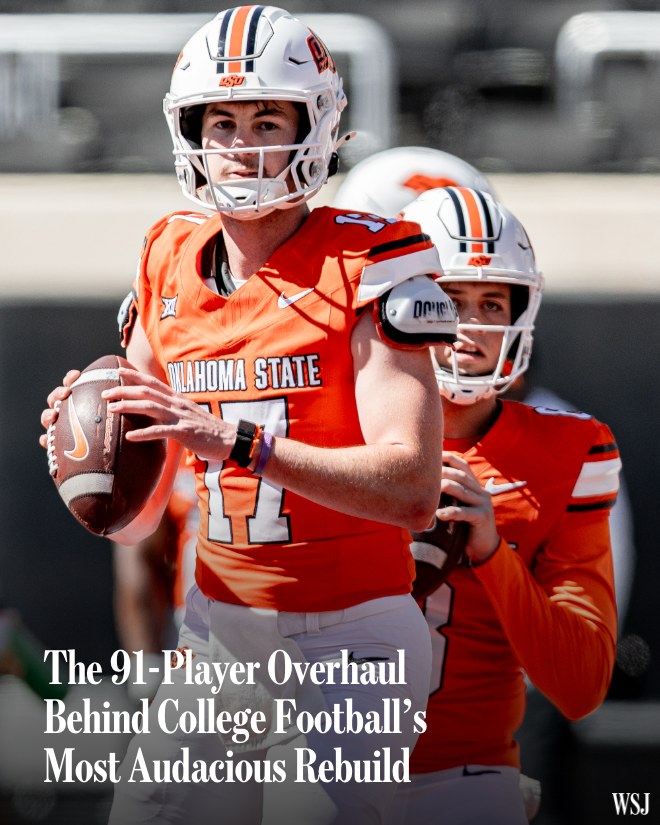
Oklahoma State has a new coach, mostly new players and a giant hole to climb out of. The Cowboys’ model is reigning national champion Indiana. 🏈 https://t.co/FDuZGuTp11
T. Boone Pickens spent the eighties as the most feared corporate raider in America, with his face on the cover of Time.
By 1998 he was seventy, clinically depressed, and down to $3.4 million.
Two years later he was up $255 million.
He had made other people's shareholders $15 billion in those years and kept a tenth of it for himself. Then he bet natural gas would hold at $2. It fell under a dollar, he kept paying out anyway, and by the late nineties Mesa was gone, his marriage was ending, and most of what he had was gone with it.
At the bottom his own lawyer told him he needed help.
There is a recording of him walking through all of it in a flat West Texas drawl, like a man reading a weather report. No excuses, no spin, no version where he saw it coming. He names the number his fund fell to and the mistake that got it there, and rounds off neither. He has rarely told the bottom this plainly.
Watch the part where he talks about the fingers in the door.
Once he knows the door that mashed his fingers, he says, he never puts them back in it. Walking up to a pool table he only ever saw the straight shot, never the combination off two other balls. He ran the whole comeback that way, one clean shot at a time, and stopped staring at the deal that had already failed.
He does not dwell on a loss. He studies it just long enough to never take it twice, then drops it.
In 1999 that fund made $900,000. The next year it made $255 million.
People think his edge was a nose for oil or nerves of steel. After the comeback he admits he felt like he would never make a mistake again, and says plainly that he was wrong. The edge was treating a wipeout as a door to remember, not a reason to quit the table.
You replay the deal that went bad and let it sit on you for a year. He looked at it once and lined up the next shot.
He got his fingers mashed, wrote down the door, and walked straight back to the table.
At seventy, broke and diagnosed, he was still the only one in the room who saw a straight shot.