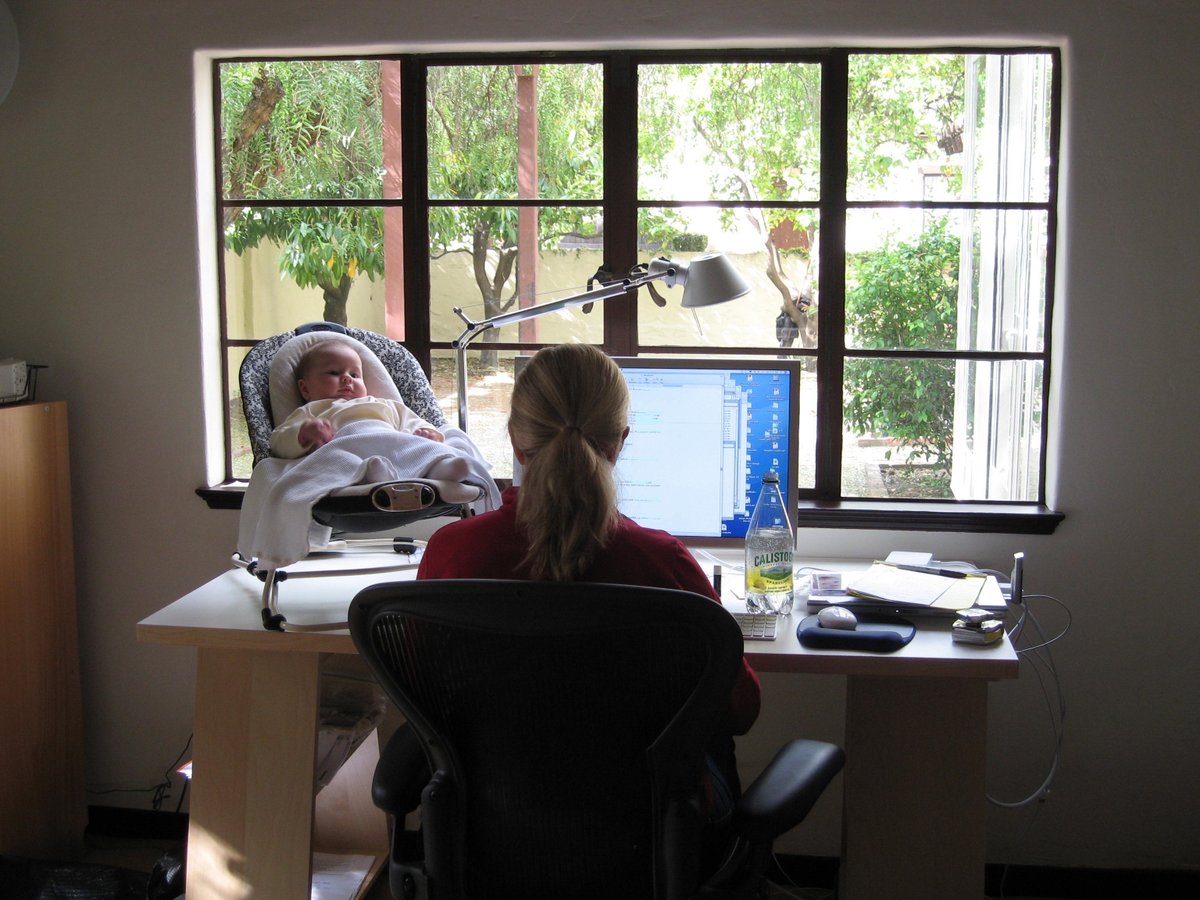
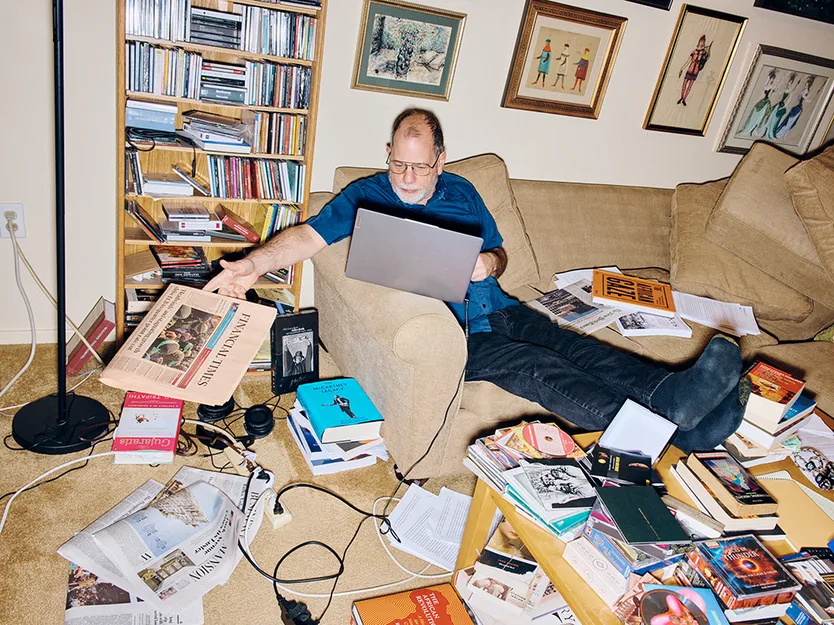
No, you cannot walk 10,000 steps daily, get 8 hours of sleep, cook every night, clean every day, take care of a family, make time for your own hobbies, and still be productive at work every day. This is not just propaganda, it is nonsense. Free yourself from it.
All the President’s Men turns 50 today.
This famous “six‑minute shot” is a masterclass in phone acting and pure technical nerve.
Director Alan J. Pakula and cinematographer Gordon Willis pull off a single, unbroken slow zoom: from a wide, humming newsroom to a tight close-up on Redford. No cuts. No safety net. Tension builds in real time.
Redford carries it with typical quiet confidence. Six minutes of note-taking and talking into a phone, no flashy “Oscar clip.” He even flubs a name (“McGregor” for “Dahlberg”), corrects himself naturally, and Pakula keeps it because it feels authentic.
The background is part of the story. As Woodward hones in on his phone call, everyone behind him huddles around a TV watching Senator Tom Eagleton resign. The contrast is deliberate: they chase the “obvious” headline, while the camera drifts past them to Woodward, and the real story.
To hold Redford and the busy background in focus early on, they used a split‑diopter lens, then had to ease it out as the camera moves in. A technical tightrope. The timing of both actor and cinematographer is spot on.
As Woodward closes in on the truth, the world literally falls away: the newsroom blurs, the noise fades, and we lock into his obsession. It’s one of cinema’s great moments: Redford doing almost nothing—and somehow everything at the same time.
What makes this shot brilliant is the contrast it carves between Redford and the newsroom around him. The visual language does the talking: he’s locked in, disciplined, driven, all focus and fire. He stands apart because the work matters more than anything else.
50 years ago today, All the President’s Men (1976) was released.
Still arguably the greatest film about investigative journalism and political thrillers.
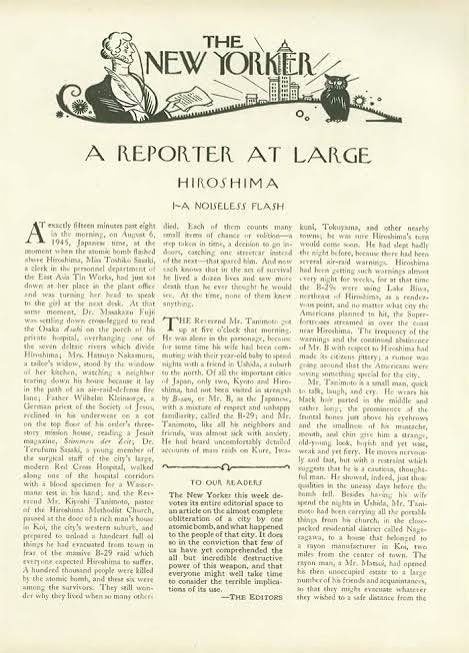
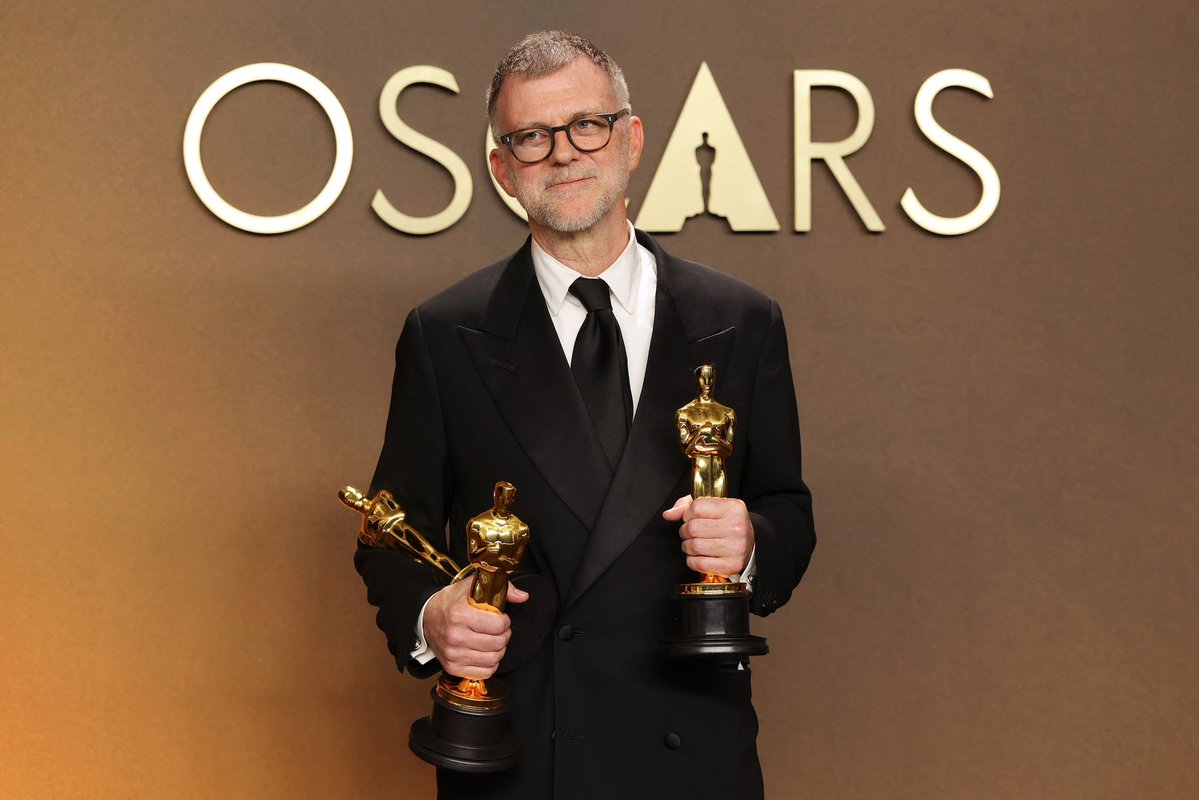
Netflix released two documentaries on journalism late last year- Cover Up and The New Yorker at 100. The former is an account of the life and times of legendary journalist Seymour Hersh by Laura Poitras, who also made the terrific Oscar nominated All The Beauty And The Bloodshed. The latter is a celebration of The New Yorker magazine in its 100th year by Oscar winning filmmaker Marshall Curry. Both films make for excellent viewing and I highly recommend you see them if you haven’t yet.
I have been thinking of them in the light of the news cycle because both in part document what it took for journalists back in the day to investigate war crimes by the USA. In particular about what it took for Seymour Hersh to uncover the horrific massacre in My Lai and Harold Ross’s imaginative decision to dedicate an entire issue of the New Yorker to John Hersey’s reportage of the devastation caused in Hiroshima. Cutting through thickets of propaganda and censorship to get to the heart of these stories before the age of internet and mobile devices was extremely arduous but the documentaries also bring to light the payoffs. Both articles had seismic impacts. Hersh’s piece cemented public opinion against the Vietnam war, leading to a groundswell in protests against it. Hersey’s piece had a profound impact not just on public opinion on atomic warfare but also on public policy. Even Einstein bought several copies and distributed them.
One cannot help but register that this is in sharp contrast to the times we live in. Images of murdered children have flooded our timelines, first from Gaza then from Iran. We have witnessed online the funeral procession of over 100 young school children but we cannot quite seem to muster up a response commensurate with the horrors. There are, of course, lone brave voices and pockets of resistance but it is impossible to imagine real change coming out of journalism anymore. What has changed? Your guess is as good as mine.
PS - Hiroshima is available to read online without subscription. Hiroshima https://t.co/Xq5hA8HNil
Robert Duvall's entire career was a tour de force - the cool, calculating Tom Hagen in 'The Godfather,' the wild-eyed Lt. Colonel Kilgore in 'Apocalypse Now', the weathered and infamous outlaw Ned Pepper in 'True Grit', and the haunted Mac Sledge in 'The Apostle'. But there's one role that doesn't immediately come to mind, and which I've always considered my favorite - Martin Prendergast in 'Falling Down.' He is a cop on the edge of retirement, thrown into one last brutal test, staring death straight in the face, and you feel every second of it. Rest in peace everlasting Mr. Duvall.
The first sunset of the new year and we saw the Empire State Building cast its shadow onto the facade of One Vanderbilt in New York City, Thursday evening #newyorkcity#nyc#newyork@empirestatebldg#sunset