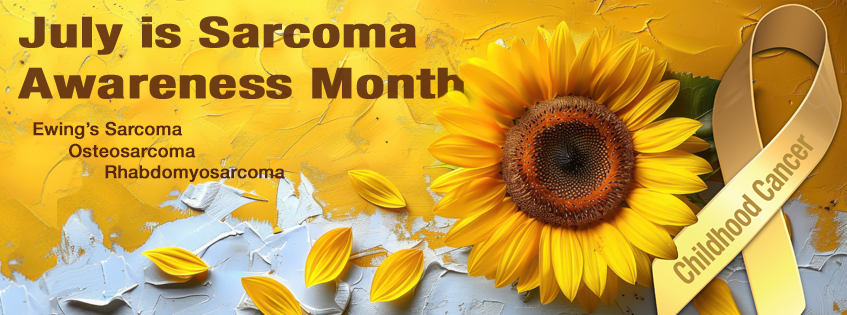
July is Sarcoma Awareness Month. Today we honor Dalton Fox. I never had the opportunity to meet him, but his memories as related to me from his parents, have touched my life. Here are a few of the memories about this brave, courageous and wise young man.
Dalton’s smile and sense of humor were infectious. Even while fighting cancer, Dalton brightened every room he walked into. When the nurses asked him if he needed anything else, D would quickly reply, “20 bucks?” Dalton loved animals, especially lemurs and even had a lemur picture on "Larry," his prosthetic leg. When kids asked him what happened to his missing left leg, Dalton would smile and say “shark attack.” He even wanted to get a pedicure and see if he got half off. Baseball, fishing, swimming, watching Marvel movies, and sled hockey were some of our D’s favorite activities.
Dalton was a determined individual. He was selected as a safety patrol member and was scheduled to man his post on the first day of 5th grade. He told his mom on the day before his amputation, that he was going to attend the first day of school as a safety patrol. His mom wasn't sure if he realized he would be missing a leg. Dalton told us he was going to be there anyway, leg or no leg...and five days after being released from the hospital...he was there.
Ewing Sarcoma stole Dalton shortly before the end of 6th grade; he was 12 years-old.
The day before Dalton died, his mom and dad promised him that they would keep fighting Ewing Sarcoma to help kids like him. Will and Jen Fox founded D-Feet Cancer The Dalton Fox foundation (https://t.co/kWV7Rsvzwv) to raise awareness of this horrible disease and funds to find better treatments and someday a cure. 100% of donations and all net event proceeds flow directly to Ewing Sarcoma research in honor of Dalton and all who have fought and will fight this disease. #ChildhoodCancer #Sarcoma
Sarcoma is a type of cancer that begins in bone or in the soft tissues of the body, including cartilage, fat, muscle, blood vessels, fibrous tissue, or other connective or supportive tissue. Different types of sarcoma are based on where the cancer forms. For example, osteosarcoma forms in bone, liposarcoma forms in fat, and rhabdomyosarcoma forms in muscle. Treatment and prognosis depend on the type and grade of the cancer (how abnormal the cancer cells look under a microscope and how quickly the cancer is likely to grow and spread). Sarcoma occurs in both adults and children. #ChildhoodCancer
Following induction treatment for high-risk neuroblastoma, more than half of children experience cisplatin-induced hearing loss (CIHL), according to research published in JCO Clinical Advances. Platinum-based chemotherapy is a key treatment modality for high-risk pediatric neuroblastoma, but permanent damage to cochlear hair cells leading to hearing loss in frequency ranges necessary for communication is a known adverse effect, study investigators noted. Cisplatin delivered during induction is a principal driver of hearing loss — findings from the Children’s Oncology Group (COG) HRNBL trial A3973 showed that 71% of patients developed hearing loss following induction chemotherapy, and 29% required hearing aids. See more of the Cancer Therapy Advisor article here: https://t.co/iPMZiQhd0b
This is a great opportunity to do three things to promote National Cancer Survivors Month.
1. Celebrate and praise our childhood cancer survivors, from which we get our HOPE.
2. Advocate for better treatments so future survivors won't have to constantly live in cancer's shadows of side effects of chemo and radiation.
3. Remember those who are not here to celebrate this month.
#ChildhoodCancer
Share your survivor's story, advocate at every opportunity, and remember those who did not survive.
June is Lemon Month. Build a lemonade stand and help Alex's Lemonade Stand Foundation fund more great research to fight childhood cancer. This is a top organization that is nationally recognized for it's support of research for #ChildhoodCancer. For more details on how to set up a stand to support cancer research, click here https://t.co/fDDts0ffuG
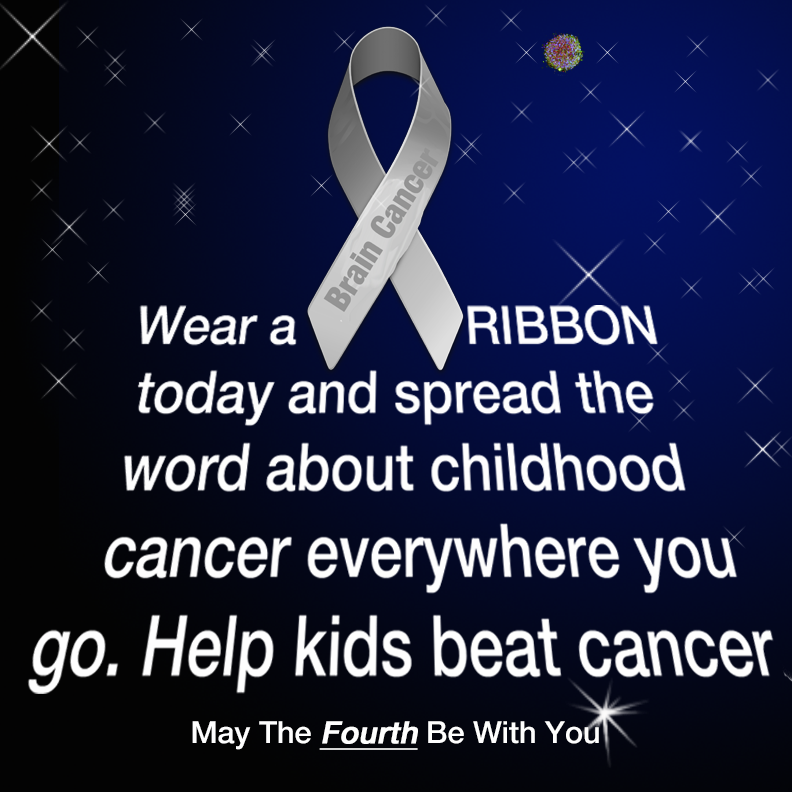
Whether or not you have a survivor or if your child was stolen by cancer, you are helping bring awareness to #ChildhoodCancer when you tell your cancer story. The more people who realize that kids cancer is not the same as adults and that it's really not that rare, the better chance we will be able to pass legislation to increase funding in the future. Wear a gold ribbon and tell your story... a good place to find supporting facts can be found here:
https://t.co/I2ZUKYXum6
May is Brain Cancer Awareness Month. Go Gray in May! Pediatric brain and other central nervous system tumors are the leading cause of cancer-related fatalities in children and adolescents aged birth to 19 years old. Improvements in mortality in pediatric and adolescent primary central nervous system (CNS) malignancies have lagged behind that of other cancers.
FRIDAY FACTS: Diffuse intrinsic pontine glioma (DIPG) is an very old thief. It's been stealing our best and brightest for decades. It still is considered an unmet medical need. About 350 children each year are diagnosed. This cancer rapidly steals children who are mostly between the ages of 5 and 9. It's cruel, it steals them one part at a time, piece by piece. DIPG steals their sight, it steals their ability to use their arms and hands, it steals their ability to walk, talk, swallow, breathe, one part at a time, all the while, the child has full cognitive abilities and knows what is going on. It has less than a 10% survival rate. 90% of those diagnosed will live 9 to 11 months. Moms and Dads are often advised to go home and make memories while they can. In our present decade there have been several clinical trials created on this inoperable brain tumor. While we are making progress, it's slow and not as fast as we wish, we need to keep spreading awareness for all childhood brain cancers. We need more research. Let your legislators know how important it is to provide adequate and consistent funding.
Today we honor three individuals who spread awareness from the time they were diagnosed with DIPG.
Lauren Hill was an American college basketball player. She gained national attention while battling terminal DIPG brain cancer (Diffuse Intrinsic Pontine Glioma) during her freshman year at Mount St. Joseph University in Cincinnati. SJU sold out attendance each time she played. She was 1st runner-up for 2014 Associated Press Female Athlete of the Year.
Jace Ward, after being diagnosed with DIPG transferred to Kansas State, became an advocate for DIPG awareness in our nation’s capital, visiting house and senate offices on Capitol Hill, and his mantra became, “I can’t die, I’m busy.” He spoke at the 2019 National Institute of Health Symposium on Genomic Data, advocating for patients to have control of their genomic data in order to seek treatments.
At 9 years old, Gabriella Miller was diagnosed with DIPG. Her tumor was the size of a walnut. By smashing walnuts with a frying pan while speaking to groups regarding the lack of research for DIPG, Gabriella quickly became a global advocate for children with cancer. Just before she died, she filmed a video interview urging Congress to "Stop talking and do something!" A bill was introduced, passed and and signed into law in only 4 months. The Gabriella Miller Kids First Act provided 10 yr., $150 Million for the Kids First Research program and Research Center. It has been very successful and has since been extended for another 5 years.
May is Brain Cancer Awareness Month... Approximately 5.7% of ALL newly diagnosed brain tumors, including adults, occur under age 21. Childhood brain and other nervous system cancers are most frequently diagnosed among ages 5–9. Some childhood Brain cancers such as DMG and DIPG have survival rates of less than 10%. #BrainCancer #ChildhoodCancer
Brain Cancer, once the hair grows back, the fight is far from over. Some children have to learn to walk again. Some have to learn to read and talk again. Some will have another tumor later on. It's not easy. Brain cancers are responsible for more deaths than any other Childhood Cancers.
May is Brain Cancer Awareness Month... Approximately 5.7% of newly diagnosed brain tumors, including adults, occur under age 21. Childhood brain and other nervous system cancers are most frequently diagnosed among ages 5–9.