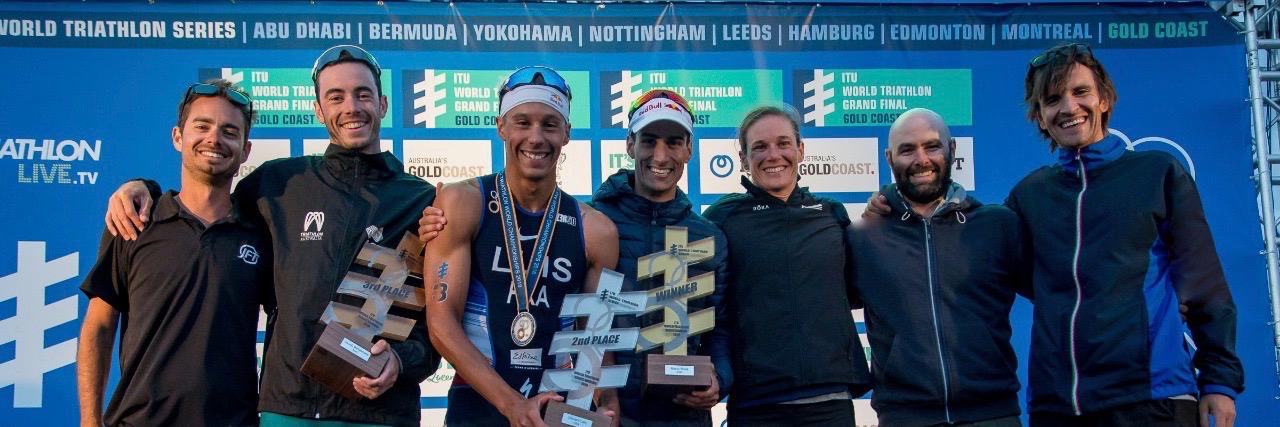
Reflecting on what went into Vasco Vilaça's first WTCS win in Samarkand:
The background, principles and what the differences were or weren’t coming out of the off season.
Thanks to @Alan_Couzens and @inaki_delaparra for this discussion on the MAD Science Meets Real Life podcast
Some of my favourite topics we covered:
-The intensity mistake
-Time Is a Flat Circle concept
-Coaches can see, athletes can feel
-What Actually Makes Champions Different / Ego control
- Zone 1 Is Not Zone 2
-The Easy Training Problem
-Don't Rush Young Athletes — The Long Development Problem
-The Institutional Knowledge Problem in Coaching
Can we stop overcomplicating endurance training?
Simple isn’t sexy, doesn’t sell... specially not for influencers! => But it works!
There’s real value in boring, consistent and proven methods.
Listen to coaches like @joelfilliol = 30+ years building champions, more in the link
Great conversation below in Spoti*y with him & @Alan_Couzens
A real masterclass in this week’s #MSMRL - where @inaki_delaparra & I sit down with world-class coach @joelfilliol on the biggest mistake in endurance training right now:
“Zone 2 has started to creep up.”
“What used to be easy training… isn’t really easy anymore.”
“The error with Zone 2? It accumulates.”
Most athletes aren’t overtraining.
They’re just doing their “easy” training too hard!
This one is worth a few listens!
Full podcast 👇
The Bullshit Asymmetry Problem: Often you're buying into the perception of precision, where devices confidently display numbers that are, at best, educated estimates - and where the marketing effort to sell these numbers dwarfs the effort required to scrutinise them.
The best questions that prompted my deepest reflections in an interview / discussion I’ve done - invested in a lot of thinking and introspection for this one - covering coaching, training, culture, zone 1, athlete development, leadership, technology, self-sabotage and more:
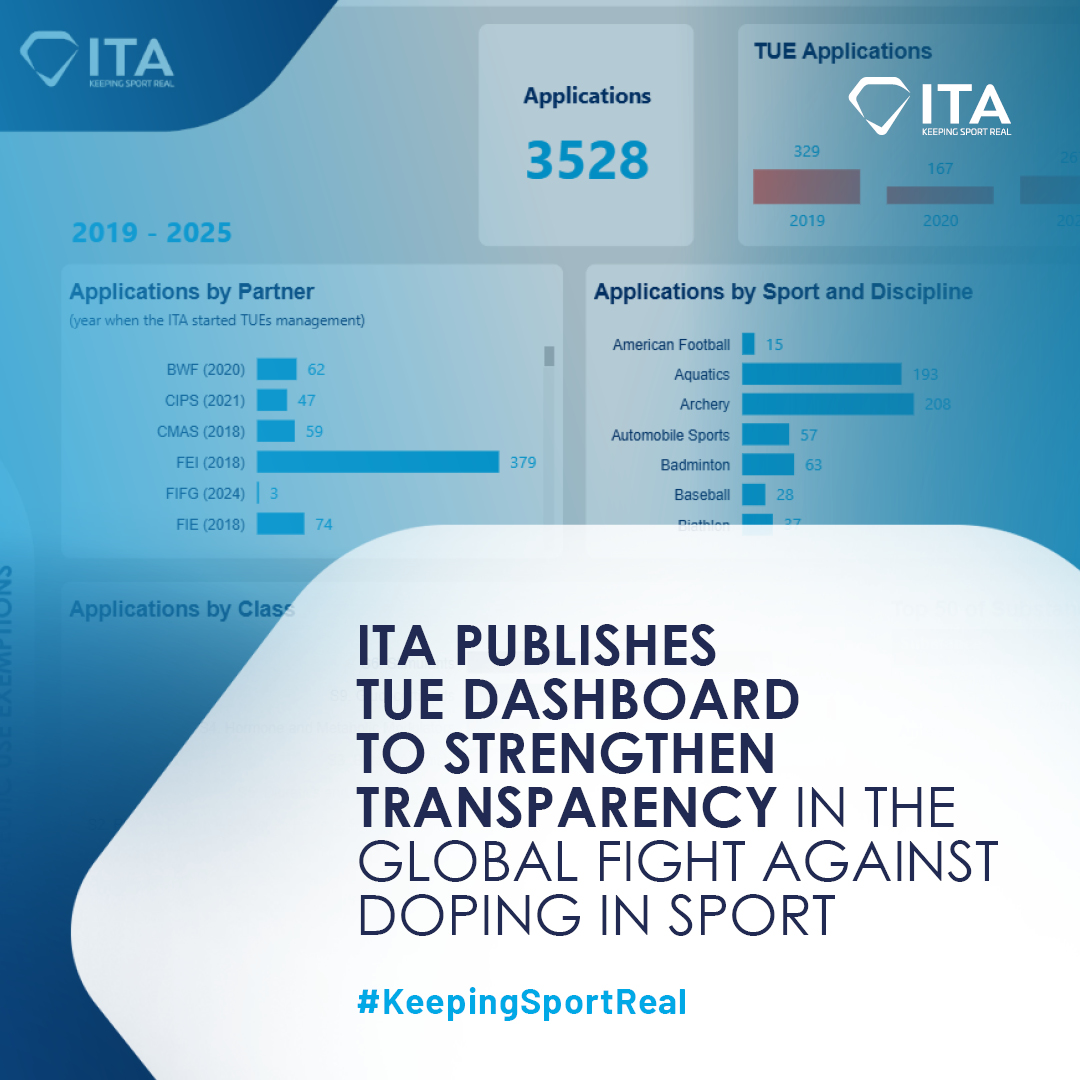
The ITA is committed to transparency in anti-doping!
🚨 Check out our new interactive dashboard with anonymized TUE application stats for partner International Federations.
▶️Read more here: https://t.co/BXYXsfEL02
#KeepingSportReal#TUEdashboards
What I learned from Simon Whitfield - one of triathlon’s greats:
-His unique psychology: Who he was as an athlete, and the traits that made him capable of this kind of career.
-His environment: The climate he created around himself, and how he managed it.
-His preparation: The approach to training that kept him fresh and available across more than a decade.
Listen to the Real Coaching Podcast:
Itunes: https://t.co/oEBttSY517
Spotify: https://t.co/q0tiFiHZEg
Subscribe to the Real Coaching Substack: https://t.co/PIHR04yPXi
Watch on Youtube: https://t.co/r9YNzZc5Lp
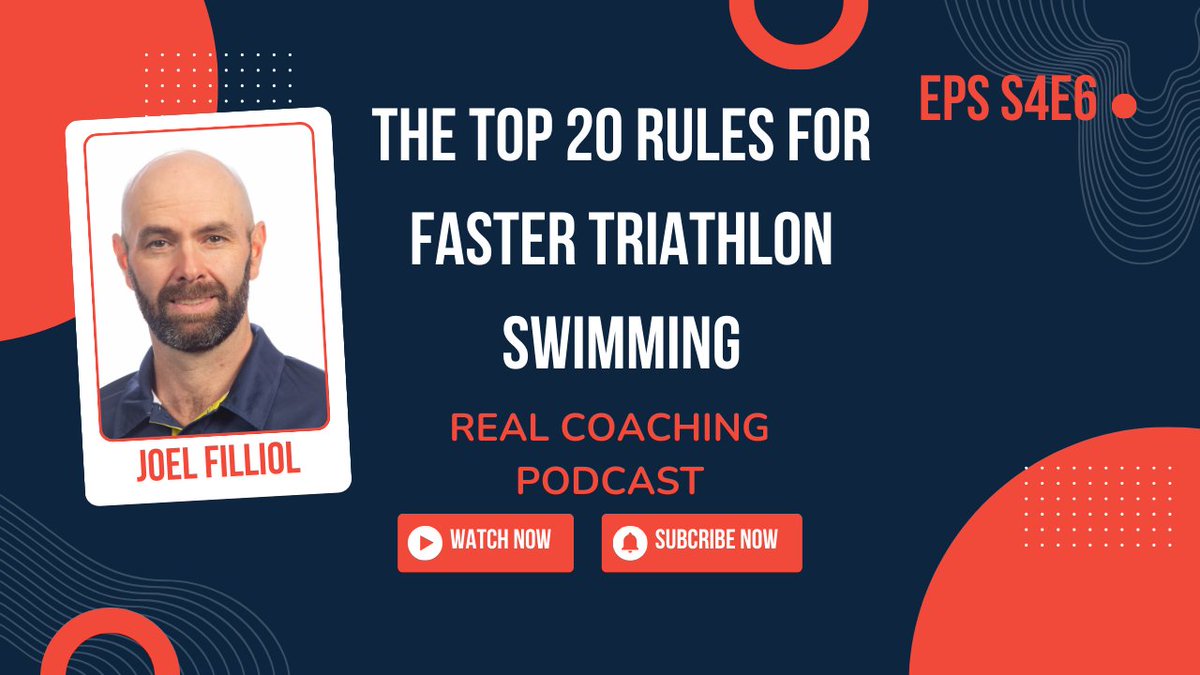
🚨 New podcast drop: The Top 20 Swim Rules for Faster Triathlon Swimming (2026 Update)
📍Rule number one: conditioning trump's drills. Technique matters, but the way that most athletes try to improve technique doesn't work.
📍Get fitter and your ability to hold good technique improves.
📍Frequency is the best way to improve your swimming.
📍You can't expect to swim fast and be fresh on the bike if you rarely do main sets with the same or higher volume and pace than you expect in the race.
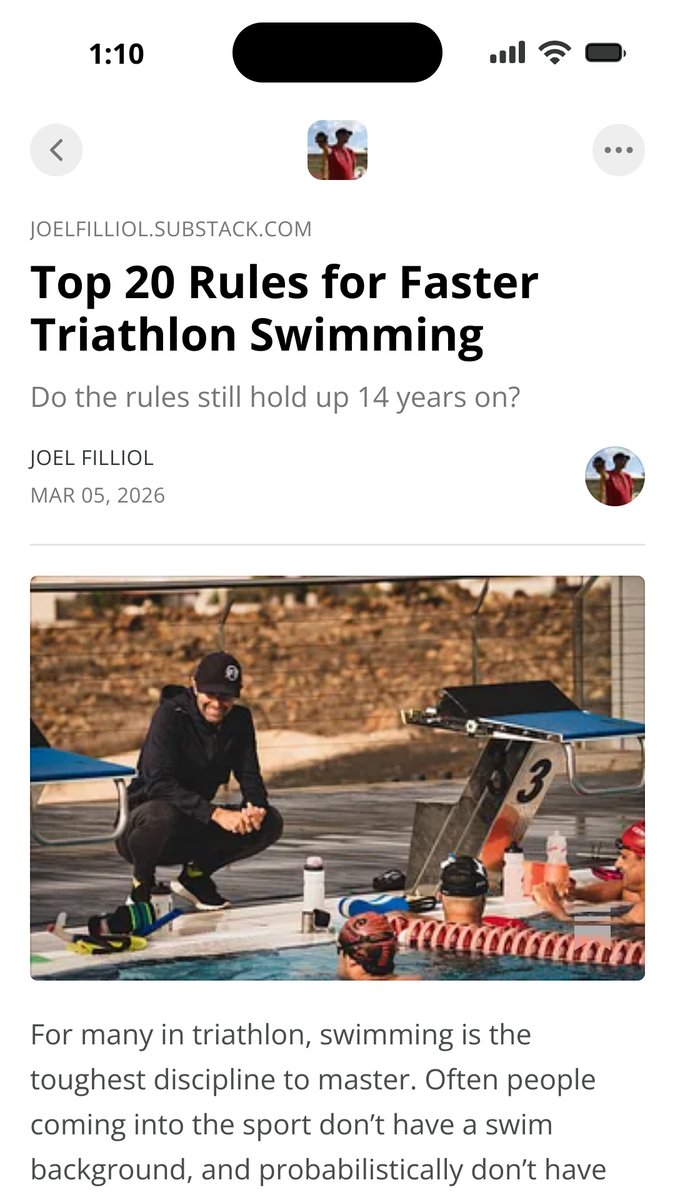
Revisiting a classic article - does "The Top 20 Rules for Faster Triathlon Swimming" still hold up 14 years after it was first written?
Some of my favourites:
1. Conditioning trumps drills.
2. Traditional drills don't work.
9. Don't count strokes
Itunes: https://t.co/oEBttSY517
Spotify: https://t.co/q0tiFiHZEg
Subscribe to the Real Coaching Substack: https://t.co/PIHR04yPXi
Watch on Youtube: https://t.co/vAnKvfXtNm
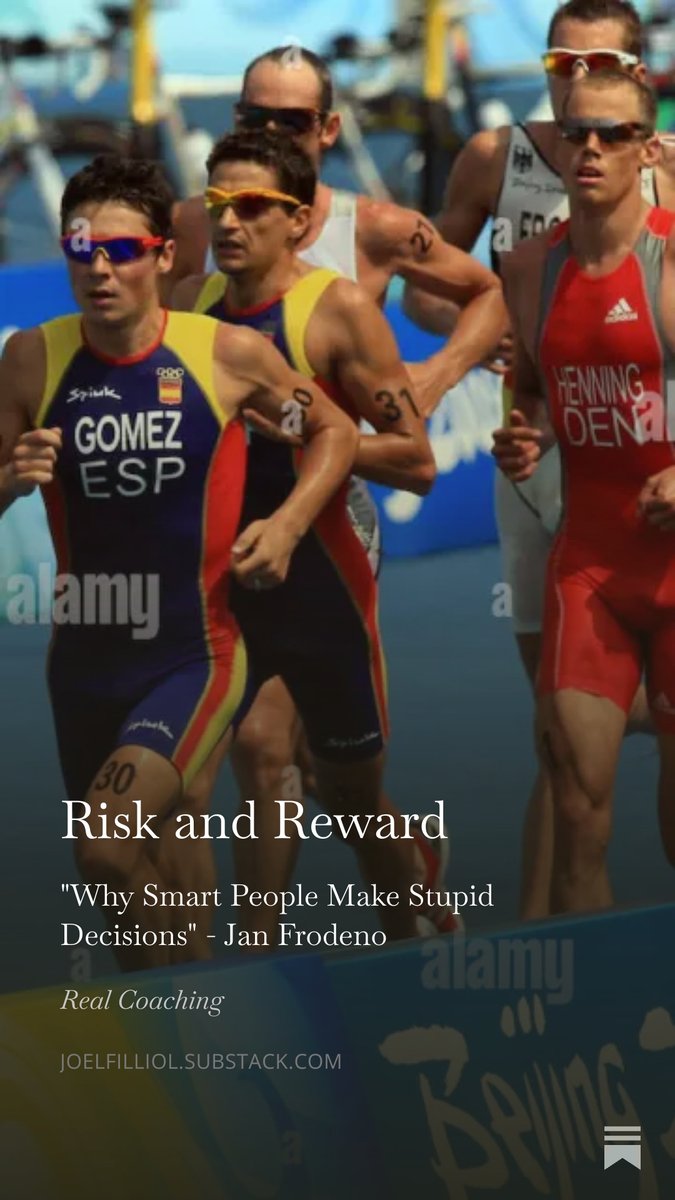
New podcast drop: Risk and Reward:
'Why smart people make stupid decisions', I suppose is that insight into what Jan and Alistair think were at times stupid decisions.
Of course there's no calculator or precision in that process. It's so easy to fall into the trap of chasing confidence and letting ego drive decision making. For most athletes pushing too hard and taking risk in training is not the right approach.
For most athletes the cost of getting it wrong are just too high and the top performances don't demand or require a perfect process. Most athletes don't even arrive on race day having done the 95%, never mind the 99.9% line.
New article on risk taking in training and racing - key points:
-Risk taking in competition is a different calculation to risk taking in training
-Learning from experience is hard, many athletes repeat the same mistakes over and over
-Chasing the 99.9% is a high risk approach that is likely to result in catastrophic problems
-Getting to the start line healthy and ready to compete is the critical part of effective preparation
-You can’t win if you can’t start the race!
-Focusing on getting the basics right: the 95% is what drives even the top performers to consistently deliver to their potential