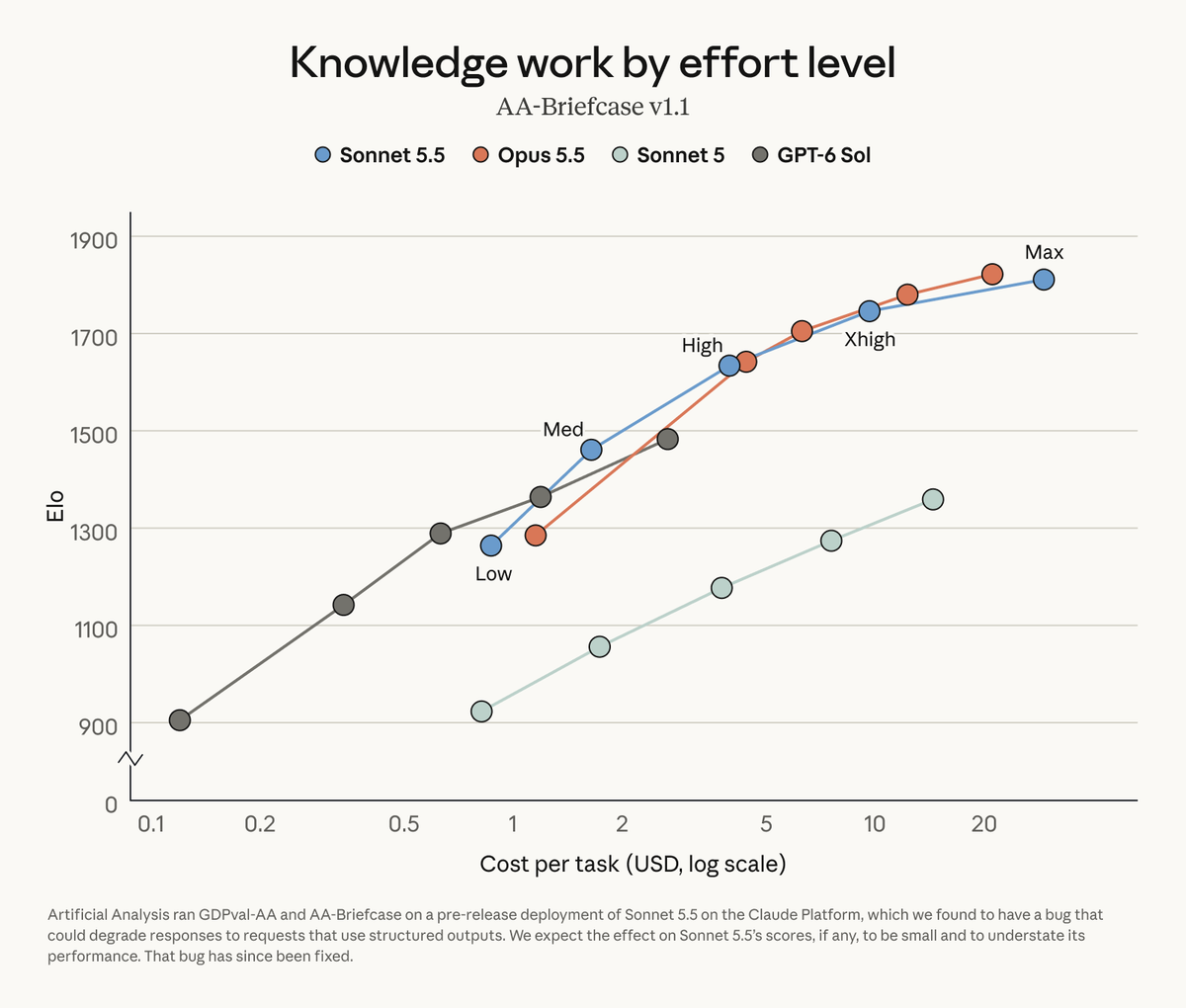
GPT-6 Astra is far from AGI. It is so cautious that it prefers to burn millions of tokens setting up scaffolding and rollback mechanisms rather than producing a genuine output.
The classic purchase funnel is inverting.
AI qualifies the market before a traveller sees a hotel. Guest Experience is now the proof AI needs before recommending - moving it higher up the funnel.
This is Inverse Distribution Theory. My conversation with D3x: https://t.co/AzQFXRu9Q0
Hospitality is the new distribution.
AI has won a role in travel planning before it has won transaction trust.
40% of travellers surveyed use AI to help build itineraries. 68% still prefer booking with a trusted travel brand. Only 8% feel comfortable booking through an AI platform.
The implication for hotels goes beyond a new booking channel.
AI is beginning to shape the shortlist before the traveller reaches the OTA, brand website or booking engine. To recommend a hotel confidently, it needs evidence that the property can deliver what the traveller requested.
That evidence is created by the operation.
Every completed request, recovered problem and genuinely memorable stay can influence the reviews and recurring themes that shape tomorrow’s recommendation.
AI will make competent coordination easier for every hotel. It will raise the operating floor.
It will not manufacture judgement, empathy, recognition or recovery.
People will continue to raise the hospitality ceiling.
My new article explains why the system that drives demand and the system that delivers the stay are becoming a single commercial loop.
The next booking may be won in tonight’s service queue.
Demand is already being rerouted.
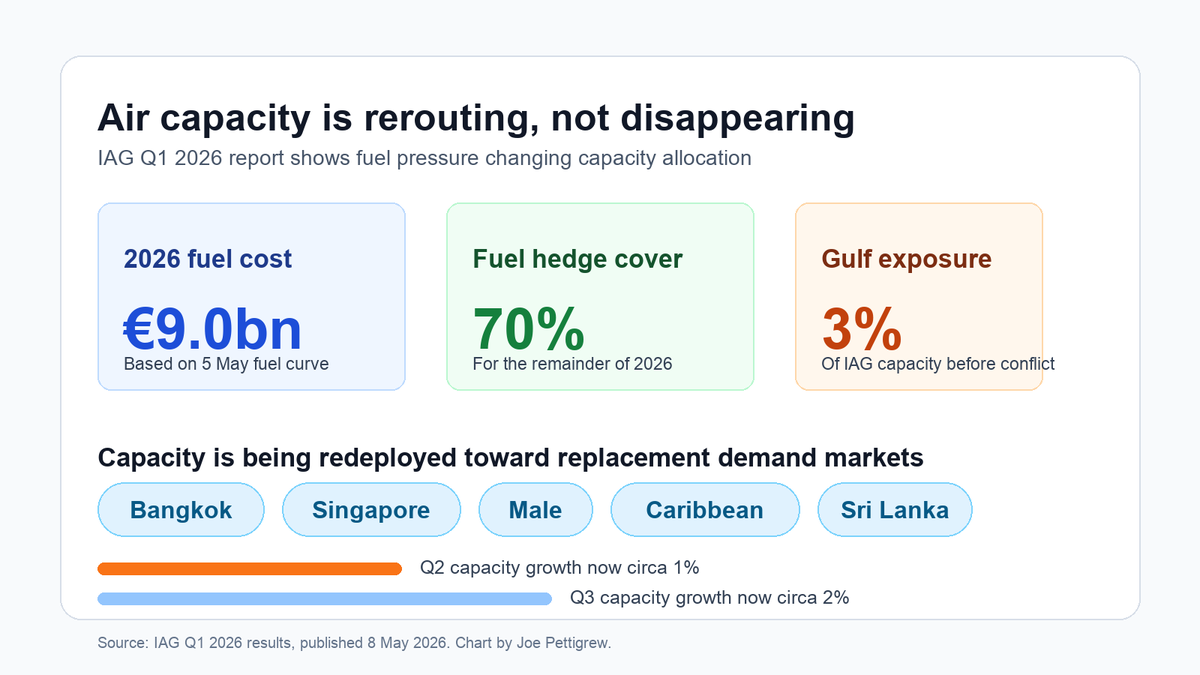
IAG had 3% of capacity exposed to the Gulf. It is moving aircraft to Bangkok, Singapore, the Maldives, Caribbean and Sri Lanka as fuel cost points to €9bn.
For hotels, this is rate strategy. Pricing power moves before market reports catch up.
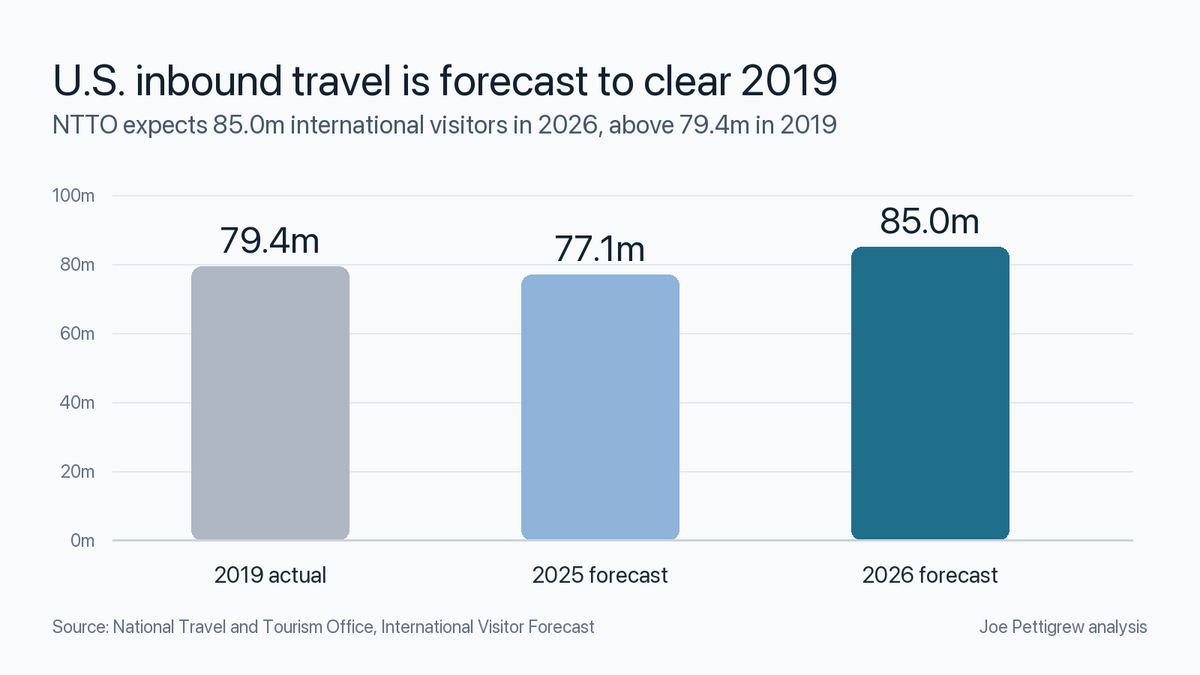
U.S. inbound travel is about to clear the old ceiling.
NTTO now forecasts 85m international visitors in 2026, above 79.4m in 2019.
For hotels, this is not just occupancy. It is mix, length of stay and ADR power. Owners should be pricing the source market shift now.
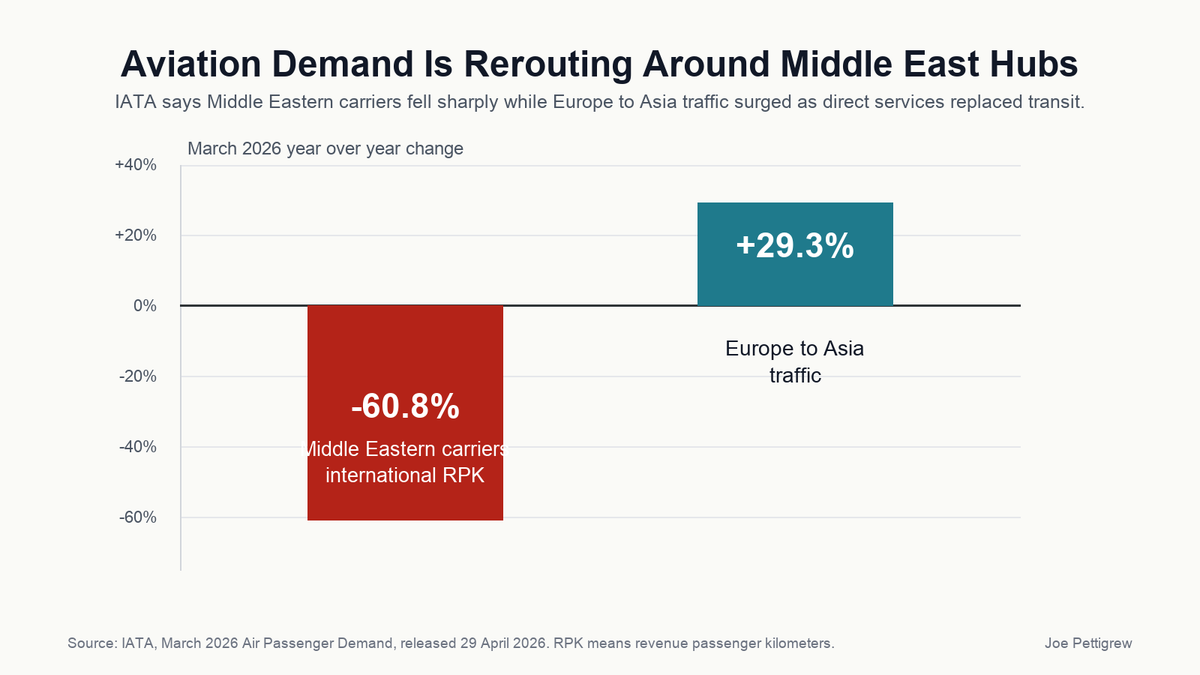
Middle East aviation demand just became a hotel P&L issue.
IATA says March international RPK for Middle Eastern carriers fell 60.8%, while Europe to Asia traffic rose 29.3%.
That is demand rerouting. Less hub compression. More pricing power at the endpoints.
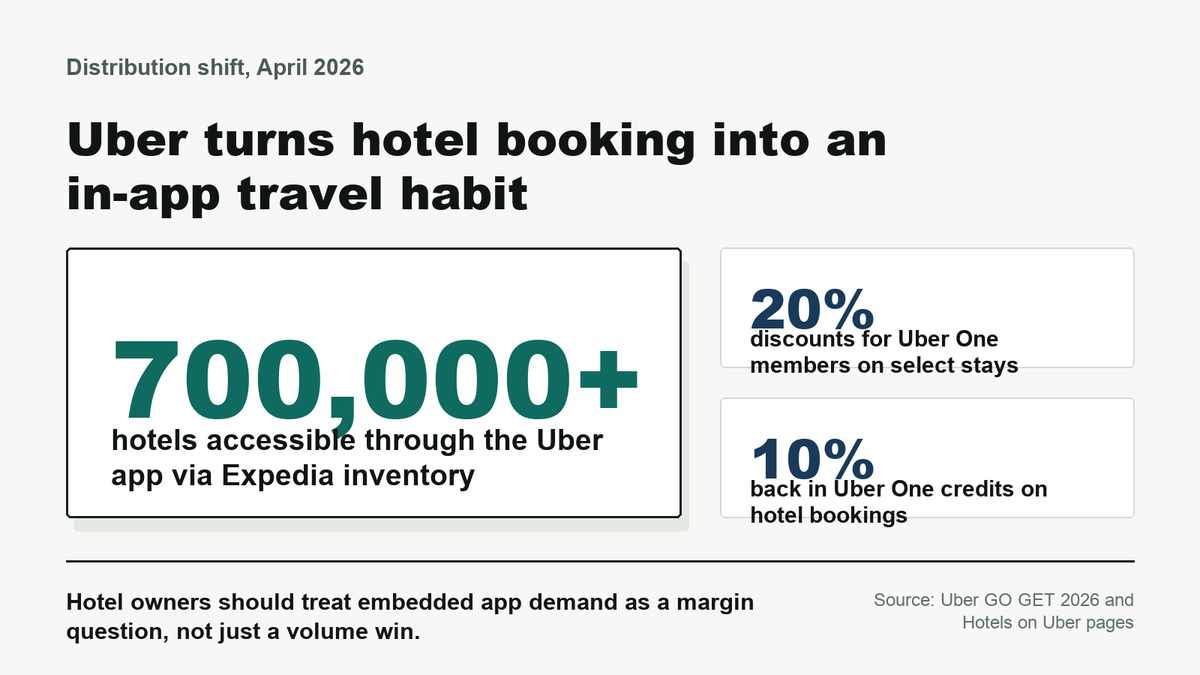
Uber just put 700,000 hotels inside a ride app.
Members get 20% off select stays and 10% back in credits.
Hotels may get volume. Owners only win if it arrives with margin, loyalty, and guest relationship intact.
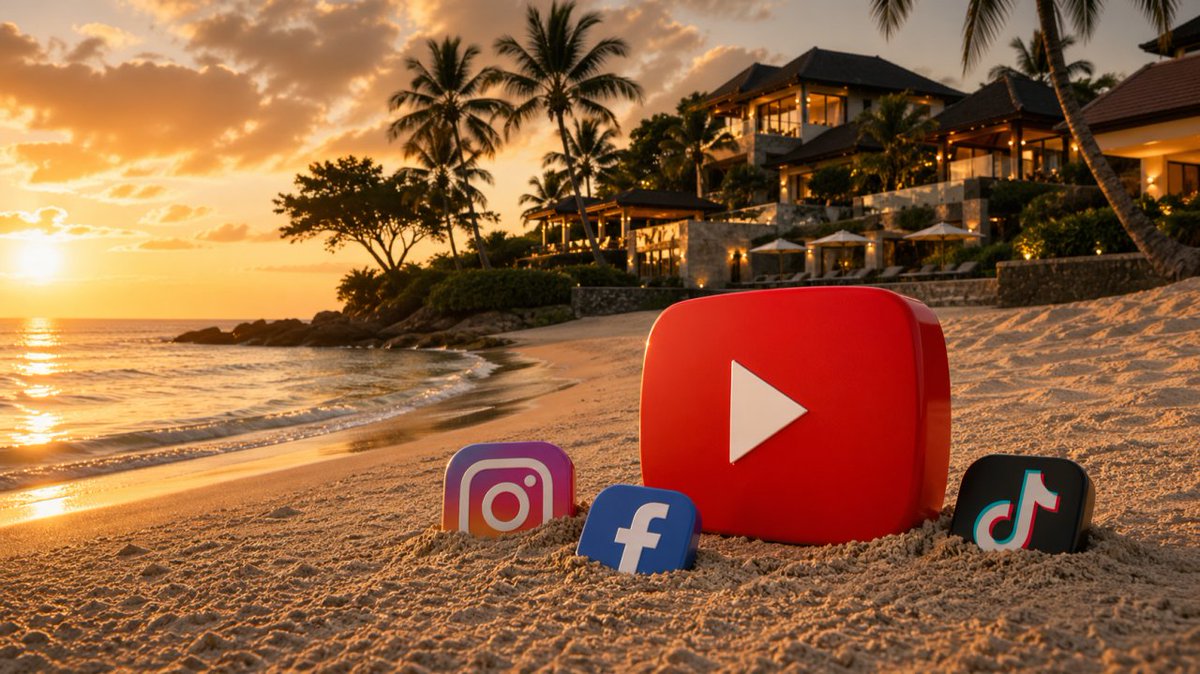
YouTube is so underrated in hospitality marketing. It's the second-largest search engine in the world, the second-most-visited website in the world, and, it turns out, the strongest predictor of brand visibility in AI-generated answers.
And yet when we talk about social media, influencer marketing, paid or unpaid, YouTube never shares the same spotlight as Instagram and TikTok. The high engagement and view counts on those platforms have shifted our priorities, but it's time to rethink how best to leverage YouTube.
Ahrefs studied 75,000 brands across ChatGPT, Google AI Mode, and AI Overviews and found a Spearman correlation of 0.74 between YouTube mentions and AI brand visibility. Stronger than every traditional SEO signal they measured.
There's a structural reason. A reel produces one indexable surface. A YouTube video produces six. AI systems can read every one of them.
That makes YouTube more than just a social channel. It's discovery infrastructure. And most hotel channels are not yet built for that role.
Read more here:
https://t.co/YwDziSzJSy
Trump just ordered the US Navy to blockade the Strait of Hormuz.
20% of global seaborne oil moves through there. Brent already ran from $80 to $112. Gulf hotels aren't in a macro story. They are the story.
Dubai, Doha, Bahrain. The rerouting starts Monday.
@WhaleInsider Iran controlling Hormuz waters reprices every hotel P&L in the Gulf overnight. Energy costs, insurance, airfare into Dubai, Doha, Bahrain. Operators who haven't hedged fuel are exposed. Watch demand reroute to Mediterranean and APAC in real time.
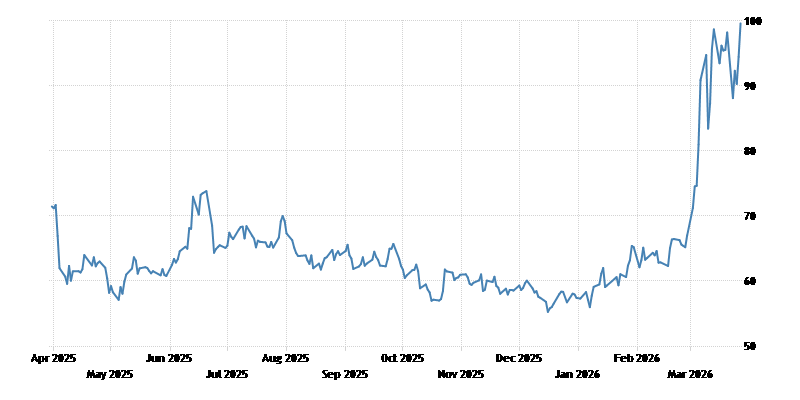
Brent just crossed $112. Up 40% in a month. Markets now price a Fed rate hike above 50% for the first time this cycle.
Hotels are getting squeezed from both ends. Fuel surcharges are already hitting airfares, which compresses leisure demand. And if the Fed hikes instead of cuts, financing costs climb, cap rates widen, and asset values drop.
If your NOI model still assumes $75 oil, you're planning for a world that no longer exists.
@chamath Apply this to hotel distribution. An AI agent that auto-researches properties, generates video walkthroughs, and narrates comparisons kills the OTA model. Guests won't scroll https://t.co/TGvSZdWD6k when an agent shows them the room before they book.
@KobeissiLetter Turkey burning $8 billion in gold to defend the lira. Weak lira fills Istanbul rooms with bargain inbound demand, but it crushes hotel asset values in dollar terms. Occupancy up, NOI in USD down. Owners with dollar debt are feeling this now.
@WatcherGuru 7 million barrels a day bypassing Hormuz takes real pressure off hotel energy costs across the Gulf. Energy is the biggest variable line item on every hotel P&L right now. Room margins just got breathing space.
Brent just hit $114.81. Up 6% today. Highest since July 2022.
Iran talks collapsed. The Strait of Hormuz is still shut. Airlines are repricing long-haul routes in real time, and every hotel P&L in the world just got more expensive to run. Energy, food, linen. It all flows through fuel costs.
If your Q2 forecast hasn't changed in the last three weeks, it's wrong. Drive-to markets win. Long-haul leisure loses. Protect your rate integrity. It's the only thing standing between you and an NOI collapse.