#Bears QB Caleb Williams says he will continue wearing Caddix cleats despite being fined by the NFL, believing the science behind the cleats could help improve his availability both now and in the future.
“They are a science-type of cleat. It’s something that focuses on when you plant on the hard plants on turf or grass, they call them SmartStuds, and they move when you move. They take tension off of your tendons, your joints and all of that. ... I’m focused on being able to be out here for the guys. And if that can give me a small percentage up and it works, then that’s what I’m gonna do.”
With the Brewers able to close out the World Series tonight, @TickPick says 45% of the tickets it has sold have been purchased by fans from Wisconsin or Illinois compared to just 31% from Florida. That's an insane stat.
I read through the NYRR’s new financial filing — the nonprofit that runs the NYC Marathon — and the details are wild.
• $150 million in annual revenue
• 240k lottery applicants (1% accepted)
• $180 million in cash and investments
• $32 million COVID insurance payout
• TCS spends $40M/year on marathon sponsorships
Today’s newsletter breaks down all the details (with a ton of charts).
Read: https://t.co/KtKJpVlBBP
When Stuart Sternberg bought the Rays for $200 million in 2004, he hired two guys from Wall Street...in their 20s...with no baseball experience...to run the team.
The Rays reached the World Series a few years later and their formula is still helping small-market teams compete for championships today.
Today's newsletter breaks down all the details.
READ: https://t.co/h63xiHRl3x
After denying he would sell other teams, Mark Walter is now attempting to sell the LA Sparks for $700 million — and that may not be the end of it.
I wrote yesterday about how newly filed (and potentially class action) lawsuits could force his hand.
READ: https://t.co/hiIaAX8b0N
SCOOP w/ @Lucas_Shaw + @sridinats
Mark Walter is looking to sell the WNBA’s Los Angeles Sparks and its practice facility for more than $700 million.
#WNBA
https://t.co/ontYGfOLxq
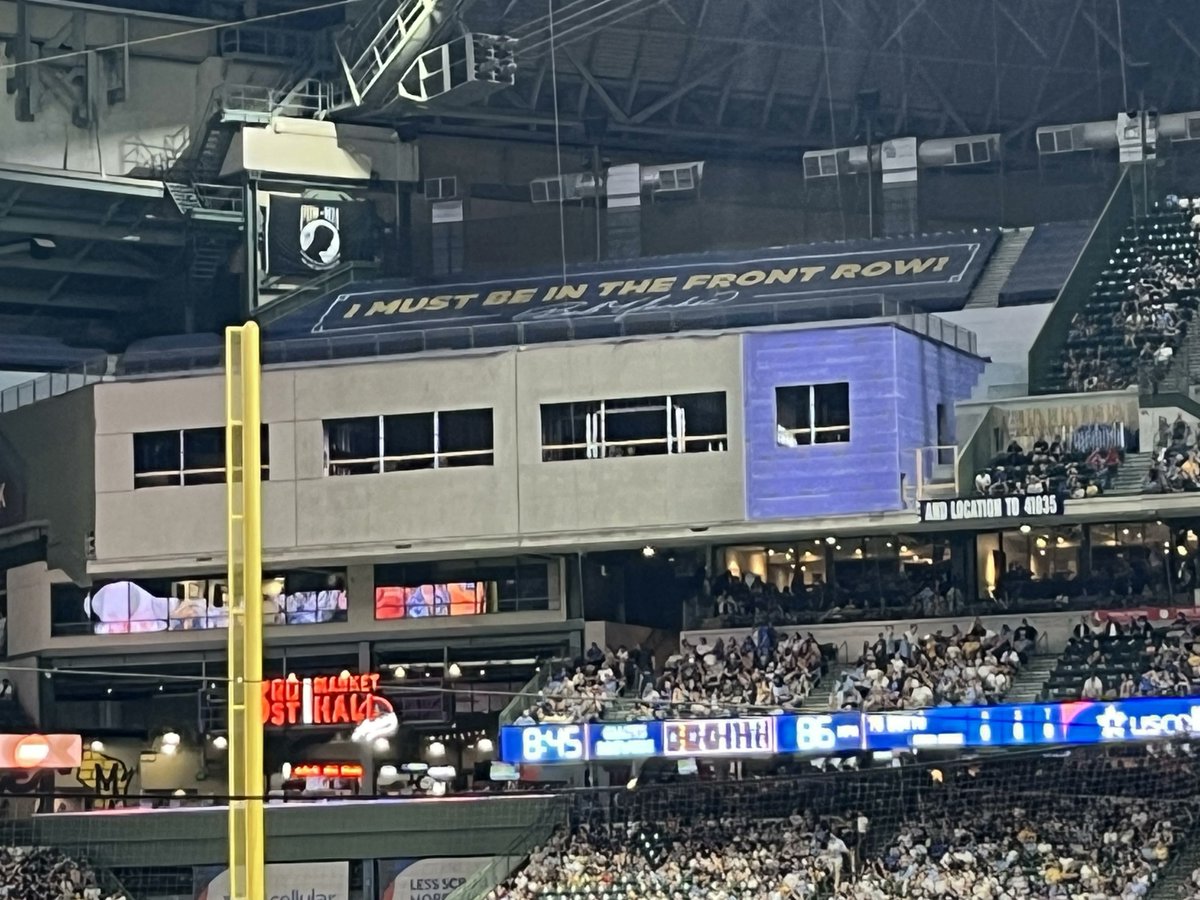
The Milwaukee Brewers removed 1,600 outfield seats last year to build office space for their baseball operations department. At $1,000 per ticket, those seats would have generated $1.6 million in revenue per World Series home game. If Milwaukee hosts four games, that's $6.4 million. Not a huge deal, but also not ideal timing considering the project just got completed.
The NFL launched an investment fund called 32 Equity back in 2013 with $1 million from each team owner.
Team owners have doubled down several times since, and 32 Equity has now raised more than $250 million.
The strategy is simple: the NFL invests in companies, helps them grow through NFL deals (think: data, licensing, sponsorships), and then benefits as a shareholder, profiting off both sides of the transaction.
In 2017, the NFL acquired a 3% stake in Fanatics at a $3.17 billion valuation. Fanatics works with the NFL on everything from merchandise and trading cards to hospitality and retail, and is now a $30 billion company.
Other investments include Hyperice, CLEAR, NOBULL, Skillz, Genius Sports, EverPass, and Appetize, with multiple companies producing nine-figure returns.
Now the NFL is doubling down again, announcing yesterday that it is partnering with private equity giant General Atlantic ($130B AUM) on a new investment fund.
By becoming a general partner in this fund, the NFL will get paid to manage other people's money (management fees and carry), and team owners won't have to share any of that money with players (because private equity investments aren't included in revenue sharing).
Today's newsletter breaks down the details.
READ MORE: https://t.co/R37gabff5h
The Knicks' home opener against the 76ers is BY FAR the most expensive regular-season game in NBA history.
The current get-in price is just under $2,000, which is more than it costs to attend every other NBA team's home opener combined ($1,500).
(Ticket prices via @TickPick)
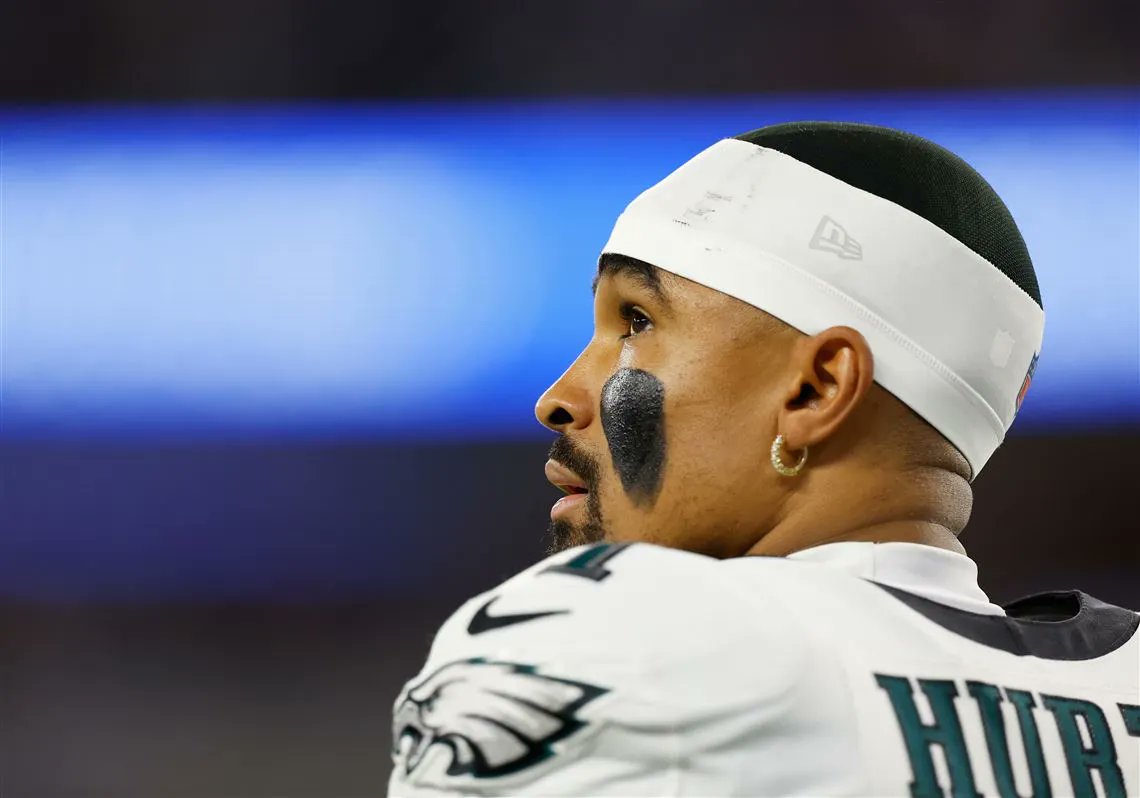
I spent the last 24 hours digging into Jalen Hurts' injury.
The TLDR is that several players have returned from similar injuries, but if Hurts misses significant time or is forced to retire, we could see a nine-figure lawsuit.
READ MORE: https://t.co/v2xAPjS4Jg
The College Football Playoff is expanding from 12 to 24 teams, but money didn't drive this decision.
I ran the numbers, and even with ESPN paying an extra $350 million, each school will only walk away with an additional $1-3 million.
Here's the math: https://t.co/ujTAiqlaAG
Allowing viewers to hear the conversation between referees and the replay center has been one of the best additions to the college football viewing experience. Every conference should do it.
Vinny Mauri is one of the coolest stories in sports right now.
He is already one of the fastest American marathon runners ever, yet he's run only two marathons, doesn't have a coach, and usually trains indoors on a treadmill at Planet Fitness.
This camera transition during the F1 race was super cool. It looks like they are using AI to sync two cameras — one in the pits and another on top of the car. You can see it when the footage speeds up at the very end.
Nike's stock is down 80% over the last five years and just hit its lowest level in more than a decade.
Our most popular newsletter last week examined the five main reasons Nike's stock is crashing and what the company needs to do to recover.
READ: https://t.co/FL3IyqOYAR
With Hurricane Isaias hitting before tonight's Alabama-Georgia game, Alabama's SubAir system will be tested.
Alabama installed the system beneath its football field as part of a multi-million-dollar renovation project.
Fourteen wireless underground sensors monitor conditions like moisture, temperature, and oxygen.
The system then pulls moisture out through a drainage system when the field gets too wet.
The company that installed the system says it can do an hour's worth of drainage in about three minutes.
The system also has built-in temperature controls with an underground heating system, allowing Alabama to heat up the field when it gets cold.
This is the same system used at Augusta National, and it paid off when Alabama received half an inch of rain before its 2023 home opener.
The SubAir system automatically kicked on, and in just 17 minutes, the moisture level dropped from 25% to 16% — the exact level Alabama likes to play all its football games at.
Pretty cool!