Dear followers,
I’m pleased to announce that a new shipment of ingredients for the updated Joe Tippens Protocol arrived this morning.
This shipment includes Fenbendazole, Ivermectin, Vitamin B17, Mebendazole, FECO, Methylene Blue, Onco Adjunct Pathways 1–4, TUDCA, and Activated Charcoal binder.
All components are now available in convenient pill form for precise dosing and are manufactured in the USA, which many customers prefer for quality and consistency.
I will continue to offer the complete Joe Tippens Protocol kit, which contains:
• 10 Tubes of Ivermectin paste
. 200 pills of Berberine.
. 200 pills of 444 mg Fenbendazole
• 200 pills of 12 mg Ivermectin
• 200 pills of 500 mg Mebendazole
• 200 pills of Vitamin B17
• 100 pills of Methylene Blue
• 200 pills of Activated Charcoal binder
• 200 pills of TUDCA
• 100 pills of Onco Adjunct Pathways 1, 2, 3, and 4.
The full kit is available for $650 as a limited-time offer.
If you’re interested in securing a kit, please contact me via text at: +1 (786) 519-4841
WhatsApp at: +1 (410) 422-1311
My thoughts are with everyone navigating difficult health journeys right now. Wishing you continued strength and hope.
Best regards,
Joe Tippens.
BREAKING NEWS: First-in-the-World Ivermectin, Mebendazole and Fenbendazole Protocol in Cancer has been peer-reviewed and published!
(4 min 52 seconds)
InfoWars did a media piece on this breakthrough in Cancer Treatment.
These are Critical medicines to have on hand. They ship from outside the USSA by our Freedom Crew. They cannot be stopped by lunatic big pharma control freaks.
FREEDOM MEDICINE for the WIN
"You can use high dose Ivermectin for the majority of Cancers...this is a dose that is 5 to 10 times the dose that people were using for COVID-19".
Big Pharma stands to make No Big Money in treating aggressive cancers with High Dose Ivermectin, Fenbendazole, and Turmeric (curcumin).
For example, Fenbendazole upregulates p53 tumor suppressor levels, that are low in people who took COVID-19 injections and developed Turbo Cancer.
📌 Save this protocol chart for future reference.
🔁 Share this with someone researching alternative or adjunctive cancer approaches
Follow for more .
BREAKING NEWS: The EXACT Ivermectin dosage that's helping Cancer patients is being HIDDEN from you!
12mg daily for 5 days, then 12mg twice weekly maintenance.
Big Pharma doesn't want you to know this costs $2 per pill instead of $10,000 chemo treatments.
They're TERRIFIED of losing profits while Cancer patients get better for pennies! 😃
This is what they're desperate to keep under wraps.
I've seen it work over and over.
Don't let them keep you in the dark.
Please repost, like, and share your thoughts in the comments.
Follow for more updates.
🚨 DR. WILLIAM MAKIS SAYS THIS IS THE MOST IMPORTANT IVERMECTIN DOSING GRAPH HE'S CREATED.
Not a new chemotherapy drug.
Not a breakthrough immunotherapy.
Not a billion-dollar cancer treatment.
Just one simple dosing strategy.
According to Dr. William Makis, this is the dosing framework he believes everyone researching repurposed medicines for cancer should understand first.
And it all starts with one number.
📌 1 mg/kg/day.
Before explaining why, here's the dosing framework Dr. Makis discusses.
📊 The Four Ivermectin Dosing Ranges
🟢 Low Dose: ≤0.5 mg/kg/day
Used for cancers in remission, strong family history, genetic predisposition, prophylaxis, and lower-dose protocols discussed in published case reports.
🟡 Medium Dose: 1.0 mg/kg/day
Dr. Makis' recommended starting dose for most cancers.
🔵 High Dose: 2.0 mg/kg/day
Discussed for very aggressive cancers, including leukaemia, pancreatic cancer, and some brain cancers.
🔴 Very High Dose: ≥2.5 mg/kg/day
Discussed in selected reported cases involving extensive metastatic disease or extremely poor prognosis, where temporary visual side effects have also been reported.
Now here's why Dr. Makis believes 1 mg/kg/day deserves the most attention.
After reviewing laboratory research, published studies, and numerous case reports, he says this is the starting dose he recommends for most cancers.
According to Dr. Makis, research has investigated Ivermectin across a surprisingly wide range of cancers, including:
• Breast cancer
• Colon cancer
• Lung cancer
• Pancreatic cancer
• Kidney (renal cell) cancer
• Gastric cancer
• Leukemia
One exception stood out.
Lymphoma.
Dr. Makis says he has found very little published research involving Ivermectin and lymphoma.
That doesn't mean it doesn't work.
It simply means the evidence is currently limited.
❓What does 1 mg/kg/day actually look like?
For someone weighing 60 kg (132 lbs)...
That's approximately 60 mg of Ivermectin every day.
Equivalent to:
💊 Five 12 mg tablets
OR
💧 About 6 mL of liquid Ivermectin, roughly one teaspoon.
According to Dr. Makis, that's where he recommends starting for many cancers.
Can lower doses still have an effect?
✅ He believes they can.
Dr. Makis discusses a published ovarian cancer case reported by Dr. Tess Lawrie.
The dosing chart lists the patient as receiving 12 mg of Ivermectin per day. During his discussion, Dr. Makis explains that this was approximately 0.2 mg/kg/day, placing it within the chart's Low Dose (≤0.5 mg/kg/day) range.
📉 According to the case report, the patient's CA125 tumor marker reportedly fell from 288 to 22 after two months.
That case is one reason Dr. Makis believes Ivermectin may have anticancer activity even at lower doses.
However...
He also believes the available evidence suggests the effect is dose dependent.
In other words...
Higher doses may produce greater effects, although more clinical research is needed.
What about the most aggressive cancers?
• Pancreatic cancer
• Leukemia
• Brain cancer
For cancers like these, Dr. Makis discusses doses around 2 mg/kg/day in selected situations.
He notes that Ivermectin crosses the blood-brain barrier, although not very efficiently, which is one reason he says higher doses may be considered for some brain cancers.
He also discusses a case reported by Dr. Allan Landrito.
According to Dr. Makis, a physician with terminal gallbladder cancer reportedly took 2 mg/kg/day for 14 months.
He says her cancer eventually disappeared.
She experienced temporary visual side effects that resolved after a few days.
❓How high have reported doses gone?
According to Dr. Makis, he has seen reported doses as high as 2.5 mg/kg/day.
He references patients treated by Dr. Shankara Chetty who reportedly used those doses without long-term side effects, although some experienced temporary visual disturbances that later resolved.
One point Dr. Makis returns to repeatedly...
Long-term use.
He references the Castro study involving children with leukemia who reportedly received Ivermectin for six months without long-term side effects.
He also discusses anecdotal reports of adults taking it daily for more than a year without long-term toxicity.
So why aren't there larger cancer trials?
Dr. Makis believes one of the biggest obstacles is economics.
Because Ivermectin is an off-patent generic medicine, he argues there is little financial incentive to fund large clinical trials.
Whether future research ultimately confirms or challenges these ideas remains to be seen.
But Dr. Makis' message is remarkably simple.
One graph.
One dosing strategy.
One starting point.
📌 1 mg/kg/day.
Because the conversation isn't just about Ivermectin anymore.
It's about whether repurposed drugs deserve the same level of scientific investigation as newer therapies.
🗨️ Do you think inexpensive repurposed medicines like Ivermectin deserve larger, well-designed clinical trials for cancer?
🔖 Save this post so you'll always have Dr. Makis' dosing framework handy, and repost it to help others discover the ongoing research into repurposed medicines.
💊 Looking for pharmaceutical grade Ivermectin, Fenbendazole, or Mebendazole? Choose @joetippens_
Email: [email protected]
Text :+1 (786) 519-4841
WhatsApp: +1 (410) 422-1311
. Trusted by thousands of customers worldwide.
#Ivermectin #CancerResearch #RepurposedDrugs #Oncology #CancerCare #MedicalResearch #PancreaticCancer #MakisMD
CANCER SURVIVOR TESTIMONY
MEDICAL CASE REPORT:
Use of Ivermectin and Mebendazole in a 44-Year-Old Male with Glioblastoma Multiforme (Jakarta, Indonesia)
Case Summary:
A 44-year-old male from Jakarta, Indonesia, diagnosed with Glioblastoma Multiforme (GBM) in mid-2024, presented to our online telehealth program in February 2025. The patient had previously undergone standard-of-care radiation therapy and temozolomide-based chemotherapy, which were completed in October 2024. Post-treatment imaging revealed limited improvement, and he was informed by his oncology team that no further therapeutic options were likely to yield significant benefit.
The patient reached out to our telehealth program after reading several testimonials online. He expressed initial skepticism regarding antiparasitic drug repurposing but was willing to pursue an integrative approach after thorough consultation and review of available clinical data.
Treatment Protocol:
• Ivermectin: 1mg/kg/day
• Mebendazole: 1000mg/day
Both agents were administered under careful supervision via telemonitoring. Supportive nutritional and detoxification measures were also recommended.
Clinical Progress:
After approximately six months of therapy (February–August 2025), repeat MRI brain imaging demonstrated a reduction in tumor volume, with partial resolution of peritumoral edema and improved neurological symptoms.
The patient reported increased energy, improved coordination, and a significant reduction in headaches and cognitive fog. Laboratory parameters, including liver and renal function tests, remained within normal limits throughout treatment.
Discussion:
The patient’s oncology team expressed surprise at the radiologic improvement, attributing the findings to delayed effects of prior radiation and chemotherapy completed nearly a year earlier. However, the timing of the tumor response closely aligned with the initiation of the Ivermectin and Mebendazole regimen.
Although anecdotal, such responses warrant further investigation into the potential synergistic or standalone effects of these antiparasitic agents in neuro-oncology.
Conclusion:
This case contributes to a growing body of observational evidence suggesting a possible therapeutic role for Ivermectin and Mebendazole in glioblastoma management, particularly in refractory cases.
Note: This report is based on real patient feedback received through our online telehealth program. Further controlled clinical studies are needed to validate these outcomes.
@JoeTippens_
🚨BREAKING 🚨
Kindly read through for a more comprehensive understanding.
Many individuals have been inquiring about the role each ingredient in my protocol plays in combating cancer. It's an excellent question, which is why I am posting it publicly for the benefit of all. Below, I will list each supplement along with its function for clearer comprehension. Be sure to save this information and share it with others.
Here's a brief overview of each:
Fenbendazole:
1. Anti-cancer properties: Inhibits cancer cell growth, induces apoptosis (cell death).
2. Disrupts cancer cell metabolism.
3. Enhances chemotherapy effectiveness.
4. Studies: Showed efficacy against various cancers (lung, breast, colon).
Ivermectin:
1. Inhibits cancer cell proliferation.
2. Induces apoptosis.
3. Enhances immunotherapy effectiveness.
4. Anti-angiogenic properties (reduces tumor blood supply).
5. Studies: Demonstrated anti-tumor activity in various cancers (breast, lung, colon).
Vitamin B17 (Amygdalin):
1. Releases cyanide, a toxic compound that targets cancer cells.
2. Inhibits cancer cell growth.
3. Enhances immune response.
4. Controversial due to potential toxicity.
Vitamin E:
1. Antioxidant properties.
2. Enhances immune function.
3. Inhibits cancer cell growth.
4. Studies: Showed benefits in reducing cancer risk and progression.
Milk Thistle (Silymarin):
1. Antioxidant and anti-inflammatory properties.
2. Protects liver health.
3. Enhances chemotherapy effectiveness.
4. Studies: Demonstrated anti-cancer activity in liver, breast, and colon cancers.
TUDCA (Tauroursodeoxycholic Acid):
1. Anti-cancer properties.
2. Enhances apoptosis.
3. Inhibits cancer cell migration.
4. Studies: Showed efficacy in liver, breast, and colon cancers.
FECO (Full-Extract Cannabis Oil):
1. Anti-tumor properties.
2. Reduces cancer cell proliferation.
3. Enhances apoptosis.
4. Studies: Demonstrated benefits in reducing cancer-related pain and nausea.
Turkey Tail Mushroom (Trametes versicolor):
1. Immune-boosting properties.
2. Enhances NK cell activity.
3. Anti-tumor polysaccharides (PSK, PSP).
4. Studies: Showed benefits in improving survival rates and quality of life.
Mechanisms of Action:
1. Apoptosis induction
2. Anti-angiogenesis
3. Immune system enhancement
4. Anti-proliferation
5. Anti-metastasis
Onco Adjunct Pathway 1 (OAP1):
1. Enhances immune response
2. Activates natural killer (NK) cells and cytotoxic T-cells
3. Inhibits immune suppressor cells
4. Supports apoptosis (cancer cell death)
Onco Adjunct Pathway 2 (OAP2): Anti-Angiogenesis
1. Inhibits tumor blood vessel formation
2. Reduces tumor oxygenation and nutrient supply
3. Enhances chemotherapy effectiveness
Onco Adjunct Pathway 3 (OAP3): Mitochondrial Dysfunction
1. Disrupts cancer cell energy production
2. Induces mitochondrial-mediated apoptosis
3. Enhances oxidative stress
Onco Adjunct Pathway 4 (OAP4)
1. Reverses epigenetic modifications
2. Reactivates tumor suppressor genes
3. Inhibits cancer cell proliferation
Mechanisms of Action:
1. Immunomodulation
2. Anti-angiogenesis
3. Mitochondrial dysfunction
4. Epigenetic reprogramming
5. Apoptosis induction
6. Anti-proliferation
Alongside the information previously shared, I would like to mention that I am extending another opportunity for members of this group to take advantage of the special offer of $850.00 for the complete set of ingredients mentioned above, sufficient for 120 days. Please message me privately if you are interested in availing yourself of this offer. My prayers and best wishes accompany you all.
Text +1 (786) 519-4841
WhatsApp: +1 (410) 422-1311
Two MASSIVE COVID shot studies involving 8.7 MILLION people confirm Fauci and Gates injected the world with CANCER:
BREAST CANCER: +54%
PROSTATE CANCER: +69%
LUNG CANCER: +53%
BLADDER CANCER: +62%
COLON CANCER: +35%
STOMACH CANCER: +34%
THYROID CANCER: +35%
Can Fenbendazole Cure Cancer?
According to a case series published in an oncology journal, the answer could be a resounding yes.
The case report highlights three cancer patients who were in pretty bad shape. But after taking fenbendazole, they all experienced a complete remission.
What Is Fenbendazole, and How Does it Work?
Fenbendazole (FBZ) is a medicine originally designed to treat worms and parasites in animals. Its sister drugs, Mebendazole and Albendazole, have had remarkable success treating similar ailments in humans with few side effects.
Recently, anecdotal reports have praised fenbendazole as a potentially miraculous anti-cancer drug. It works by destabilizing microtubules, the structures that help cancer cells divide and grow. By disrupting this process, fenbendazole effectively halts cancer cell division and slows or stops tumor growth.
Miraculous Recoveries After Taking Fenbendazole
Case series #1 features a 63-year-old man with advanced kidney cancer (clear cell renal carcinoma) who experienced tumor recurrence and severe side effects from multiple cancer therapies, including surgery and two different medications.
With no effective options left, he turned to fenbendazole (FBZ), taking 1 gram three times a week at a friend’s suggestion. Over the next 10 months, his tumors—including those in his pancreas and spine—showed near-complete resolution on imaging. Remarkably, he experienced no side effects from FBZ, and follow-up scans have shown no signs of recurrence.
Case series #2 follows a 72-year-old man with metastatic urethral cancer that had spread to his lungs, lymph nodes, and brain. Despite undergoing multiple rounds of chemotherapy and radiation, one lymph node continued to grow, resisting all treatments.
Seeking alternatives, he decided to try fenbendazole (FBZ), taking 1 gram three times a week, along with vitamin E, curcumin, and CBD oil, while postponing further conventional therapies. Over the next nine months, imaging revealed a dramatic response, with the lymph node shrinking significantly until it completely resolved. Remarkably, he reported no side effects during this period.
Case series #3 focuses on a 63-year-old woman diagnosed with a large, invasive bladder tumor. Facing a challenging prognosis, she underwent chemotherapy while also taking fenbendazole (FBZ) at 1 gram three times a week.
After completing six cycles of treatment, follow-up scans showed a complete resolution of the tumor, with only minimal thickening remaining in the bladder wall. Confident in her recovery, she chose to decline further surgery and remains disease-free under regular surveillance.
The abstract concluded, “FBZ appears to be a potentially safe and effective antineoplastic agent that can be repurposed for human use in treating genitourinary malignancies.”
Reflecting on these remarkable case reports, Dr. John Campbell (
@Johnincarlisle
) urged drug regulators to “start looking at this as a matter of some urgency because people are dying from cancer now.”
“So if something is safe and effective, surely it can be accredited for human use by our national authorizing agencies pretty quickly if they want to,” Dr. Campbell added with a hint of sarcasm.
Of course, the key words here are “if they want to.”
“Three patients, basically… cured of their cancers. Read the paper for yourself. That’s what they seem to be saying to me.”
Follow @JoeTippens_ for more updates.
MRNA CANCER VACCINES
Professor Fukushima, Japan's most senior oncologist:
"Genetic vaccines are totally unacceptable. The introduction of transgenes into the human body is gene therapy. How can this be considered acceptable for creating vaccines? If you encapsulate mRNA in nanoparticles and administer it you only get off target effects starting from the ovaries, to the brain, liver, spleen and bone marrow. The biggest problem is going to the bone marrow, the reproductive organs like the ovaries and then every possible organ.
📌 Save this protocol chart for future reference.
🔁 Share this with someone researching alternative or adjunctive cancer approaches
Follow for more ."
🚨Protocol for Cancer: Ivermectin & Fenbendazole
Information on Ivermectin and Fenbendazole in Cancer Research
Ivermectin and fenbendazole are antiparasitic medications primarily used to treat infections in humans and animals. Ivermectin is commonly prescribed to treat conditions such as river blindness and certain parasitic worm infections, while fenbendazole is a deworming medication approved for veterinary use.
In recent years, some laboratory and preclinical studies have explored whether these drugs may have potential anticancer properties. Researchers have investigated possible mechanisms, including interference with cellular microtubules, inhibition of specific signaling pathways, and the induction of programmed cell death in cancer cells. However, these findings are currently limited to cell cultures and animal models.
At present, there are no large-scale clinical trials demonstrating that ivermectin or fenbendazole are safe or effective cancer treatments in humans. Health authorities, including the U.S. Food and Drug Administration (FDA) and the World Health Organization (WHO), have not approved these drugs for use in cancer therapy.
Self-administering these substances, especially veterinary formulations, can be harmful due to dosing differences, impurities, and the risk of toxicity. Patients should always seek professional medical advice before considering any off-label or experimental therapies.
Research into repurposing existing drugs for oncology continues. However, until clinical evidence supports their use, ivermectin and fenbendazole should be regarded as experimental subjects of interest rather than established cancer treatments.
👉 @joetippens_
#CancerResearch #Fenbendazole #Ivermectin
Hello everyone. Id like to share good news. My patient father’s bladder cancer (T2a G3) shows complete remission in todays MRI scan. After following our protocol with 6 days on 1 day off 444mg fenbendazole, ivermectin 12mg 4 days on and 3 days off, DMSO taking 3 teaspoon daily for 3 days on and 4 days off and taking NAC 600 mg daily for 7 weeks with 2 cycles of Gemcitabine.
Wow wo wow you can't make this up
This is revolutionary Thisis the future of cancer treatment...Big pharma be scared.
🚨 Stage 4 Lung Cancer: 4 Months After Starting Ivermectin, Fenbendazole & Mebendazole, His Scans Showed Significant Tumor Shrinkage
When he was diagnosed with Stage 4 lung cancer that had spread to his bones, the future looked uncertain.
Every appointment mattered.
Every scan mattered.
Every bit of hope mattered.
🇺🇸 A 65-year-old man from North Carolina shared his experience after following a combination protocol that included both conventional treatment and repurposed medicines.
In November 2025, he began:
💊 Ivermectin (1.5 mg/kg/day)
💊 Fenbendazole (1500 mg/day)
💊 Mebendazole (1500 mg/day)
🌿 CBD Oil (100 mg/day)
🩺 Immunotherapy
Then came the follow-up scans.
According to his report, after just 4 months:
✅ The largest lesion in his left pelvis had a significant decrease in size.
✅ The largest lesion in his right acetabulum was also significantly diminished.
For him, these scan results represented meaningful progress and a renewed sense of hope.
Stories like this are one reason more people are researching Ivermectin, Fenbendazole, and Mebendazole alongside conventional cancer treatments such as immunotherapy.
While no single patient story can determine what contributed to an outcome, experiences like this continue to encourage discussion and further research into combination approaches for advanced cancer care.
Sometimes, progress isn't measured in promises.
Sometimes, it's measured in the next scan.
📌 Save this for future reference if you're researching Stage 4 lung cancer or repurposed medicines.
🔁 Share this so others researching Ivermectin, Fenbendazole, and Mebendazole can read this patient's reported experience.
💊 Looking for pharmaceutical-grade Ivermectin, Fenbendazole, or Mebendazole? Discover quality options with worldwide delivery at @joet
.
#Stage4LungCancer #Ivermectin #Fenbendazole #Mebendazole #CancerResearch #Immunotherapy #RepurposedDrugs #Oncology
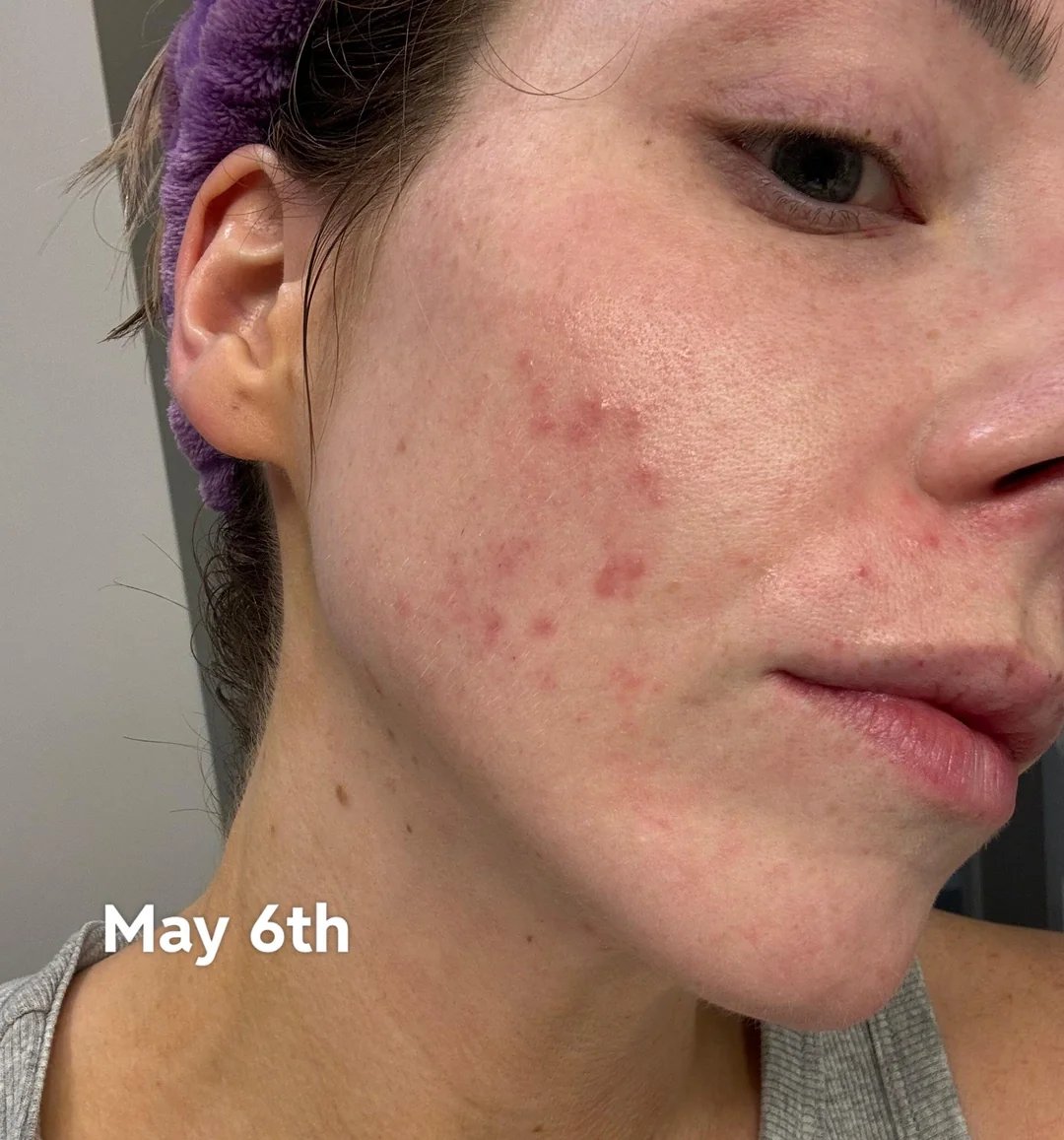
🚨 SHE TRIED METROGEL, PROTOPIC, DOXYCYCLINE AND MORE FOR PERIORAL DERMATITIS. THEN CAME IVERMECTIN.
"After struggling with perioral dermatitis since November, I was at my wit's end."
She says she tried everything.
• Metrogel for the bacterial route
• Protopic as an immunosuppressant
• Months of doxycycline and oral antibiotics
Nothing worked.
Then she tried another approach.
• Canesten
• Dandruff shampoo
Still nothing.
That's when she decided to try the "Demodex" approach: Ivermectin.
🇨🇦 In Canada, she says Ivermectin isn't available over the counter.
The 1% cream from her doctor cost more than $200 for a single tube, with no coverage.
So she says she did what many others have done:
She ordered the "horse paste" version online.
She describes it as 1.87%, compared with the prescription cream.
Then came the result that changed her story.
🗓️ After 2 nights, she noticed a difference.
📆 After 10 days: "Completely cleared."
📸 Before → After
She says she had spent months using antibiotics and prescription creams while chasing what she believed were the wrong causes.
Then she became focused on Demodex mites, which she says are increasingly linked to stubborn facial rashes.
Her explanation for the turnaround?
💊 Ivermectin.
She says Ivermectin works by paralyzing and killing the mites.
She also describes the version she used as 1.87%, compared with the 1% cream from her doctor, and says it was available at a fraction of the price.
Then comes the bigger issue behind her story.
Why pay $200+ for a product while a much cheaper version is treated so differently?
Her conclusion is blunt:
"Patients deserve access to affordable options without being shamed."
And that's why she's sharing her experience.
Months of failed treatments.
Multiple approaches.
A stubborn skin condition.
Her story is now part of the growing online conversation around Ivermectin, Demodex and perioral dermatitis.
📌 Save this testimonial if you're researching Ivermectin and perioral dermatitis.
🔄Repost it so others researching stubborn skin conditions can see her experience.
💊 Looking for quality Ivermectin? @joet
offers pharmaceutical grade Ivermectin options and is trusted by thousands of customers worldwide.
#PerioralDermatitis #Ivermectin #Demodex #SkinHealth
🚨 "THE COMPARISON IS ALMOST UNBELIEVABLE!" BREAST CANCER TESTIMONIAL INVOLVING IVERMECTIN + MEBENDAZOLE
A 75 year old woman with a previous history of breast cancer later developed multiple new breast masses along with enlarged lymph nodes in her neck.
According to the testimonial, she did not want to pursue conventional cancer treatment after her previous experience.
📅 So in October 2024, she began a regimen involving Ivermectin + Mebendazole, along with other adjuncts.
The reported protocol included:
💊 Ivermectin: 1 mg/kg/day
💊 Mebendazole: 1,000 mg/day
Then came the imaging comparison.
📸 The reported changes after four months were striking.
📌 RIGHT BREAST
1.6 cm lesion → no longer visible
1.2 cm lesion → 0.9 cm
📌 LEFT BREAST
3.6 × 2.9 cm lesion → no longer visible
1.7 cm lesion → no longer visible
2.9 × 2.3 cm lesion → no longer visible
And the patient reportedly had another major change:
Five large lumps in her neck had disappeared.
Her reaction?
"The comparison is almost unbelievable!"
According to the account, during this period she did not receive:
❌ Chemotherapy
❌ Radiation
❌ Surgery
❌ Biopsy
That makes the testimonial particularly striking.
But the most important question is also the hardest one:
What caused the reported changes?
The scans alone cannot establish that Ivermectin and Mebendazole caused the regression.
This is one patient experience, not a controlled clinical trial, and complete medical records and pathology would be needed to properly understand the case.
Still, the reported imaging changes raise an interesting research question:
If similar results appear in additional patients, should Ivermectin + Mebendazole be studied more seriously in breast cancer?
That's where an individual testimonial becomes a potential starting point for a much bigger scientific question.
📌 Save this case if you're following Ivermectin, Mebendazole and breast cancer research.
🔄 Repost it so others interested in drug repurposing and cancer research can see the reported scan changes.
💊 Interested in Ivermectin + Mebendazole? Explore @Joeti
for quality options and global delivery.
#Ivermectin #Mebendazole #BreastCancer #CancerResearch #DrugRepurposing #CancerJourney
🚨 DR. WILLIAM MAKIS SAYS THIS IS THE MOST IMPORTANT IVERMECTIN DOSING GRAPH HE'S CREATED.
Not a new chemotherapy drug.
Not a breakthrough immunotherapy.
Not a billion-dollar cancer treatment.
Just one simple dosing strategy.
According to Dr. William Makis, this is the dosing framework he believes everyone researching repurposed medicines for cancer should understand first.
And it all starts with one number.
📌 1 mg/kg/day.
Before explaining why, here's the dosing framework Dr. Makis discusses.
📊 The Four Ivermectin Dosing Ranges
🟢 Low Dose: ≤0.5 mg/kg/day
Used for cancers in remission, strong family history, genetic predisposition, prophylaxis, and lower-dose protocols discussed in published case reports.
🟡 Medium Dose: 1.0 mg/kg/day
Dr. Makis' recommended starting dose for most cancers.
🔵 High Dose: 2.0 mg/kg/day
Discussed for very aggressive cancers, including leukaemia, pancreatic cancer, and some brain cancers.
🔴 Very High Dose: ≥2.5 mg/kg/day
Discussed in selected reported cases involving extensive metastatic disease or extremely poor prognosis, where temporary visual side effects have also been reported.
Now here's why Dr. Makis believes 1 mg/kg/day deserves the most attention.
After reviewing laboratory research, published studies, and numerous case reports, he says this is the starting dose he recommends for most cancers.
According to Dr. Makis, research has investigated Ivermectin across a surprisingly wide range of cancers, including:
• Breast cancer
• Colon cancer
• Lung cancer
• Pancreatic cancer
• Kidney (renal cell) cancer
• Gastric cancer
• Leukemia
One exception stood out.
Lymphoma.
Dr. Makis says he has found very little published research involving Ivermectin and lymphoma.
That doesn't mean it doesn't work.
It simply means the evidence is currently limited.
❓What does 1 mg/kg/day actually look like?
For someone weighing 60 kg (132 lbs)...
That's approximately 60 mg of Ivermectin every day.
Equivalent to:
💊 Five 12 mg tablets
OR
💧 About 6 mL of liquid Ivermectin, roughly one teaspoon.
According to Dr. Makis, that's where he recommends starting for many cancers.
Can lower doses still have an effect?
✅ He believes they can.
Dr. Makis discusses a published ovarian cancer case reported by Dr. Tess Lawrie.
The dosing chart lists the patient as receiving 12 mg of Ivermectin per day. During his discussion, Dr. Makis explains that this was approximately 0.2 mg/kg/day, placing it within the chart's Low Dose (≤0.5 mg/kg/day) range.
📉 According to the case report, the patient's CA125 tumor marker reportedly fell from 288 to 22 after two months.
That case is one reason Dr. Makis believes Ivermectin may have anticancer activity even at lower doses.
However...
He also believes the available evidence suggests the effect is dose dependent.
In other words...
Higher doses may produce greater effects, although more clinical research is needed.
What about the most aggressive cancers?
• Pancreatic cancer
• Leukemia
• Brain cancer
For cancers like these, Dr. Makis discusses doses around 2 mg/kg/day in selected situations.
He notes that Ivermectin crosses the blood-brain barrier, although not very efficiently, which is one reason he says higher doses may be considered for some brain cancers.
He also discusses a case reported by Dr. Allan Landrito.
According to Dr. Makis, a physician with terminal gallbladder cancer reportedly took 2 mg/kg/day for 14 months.
He says her cancer eventually disappeared.
She experienced temporary visual side effects that resolved after a few days.
❓How high have reported doses gone?
According to Dr. Makis, he has seen reported doses as high as 2.5 mg/kg/day.
He references patients treated by Dr. Shankara Chetty who reportedly used those doses without long-term side effects, although some experienced temporary visual disturbances that later resolved.
One point Dr. Makis returns to repeatedly...
Long-term use.
He references the Castro study involving children with leukemia who reportedly received Ivermectin for six months without long-term side effects.
He also discusses anecdotal reports of adults taking it daily for more than a year without long-term toxicity.
So why aren't there larger cancer trials?
Dr. Makis believes one of the biggest obstacles is economics.
Because Ivermectin is an off-patent generic medicine, he argues there is little financial incentive to fund large clinical trials.
Whether future research ultimately confirms or challenges these ideas remains to be seen.
But Dr. Makis' message is remarkably simple.
One graph.
One dosing strategy.
One starting point.
📌 1 mg/kg/day.
Because the conversation isn't just about Ivermectin anymore.
It's about whether repurposed drugs deserve the same level of scientific investigation as newer therapies.
🗨️ Do you think inexpensive repurposed medicines like Ivermectin deserve larger, well-designed clinical trials for cancer?
🔖 Save this post so you'll always have Dr. Makis' dosing framework handy, and repost it to help others discover the ongoing research into repurposed medicines.
💊 Looking for pharmaceutical grade Ivermectin, Fenbendazole, or Mebendazole? Choose @joetippens_
Email: [email protected]
Text :+1 (786) 519-4841
WhatsApp: +1 (410) 422-1311
. Trusted by thousands of customers worldwide.
#Ivermectin #CancerResearch #RepurposedDrugs #Oncology #CancerCare #MedicalResearch #PancreaticCancer #MakisMD
Todd had terminal ALS and just ordered a wheelchair—then DMSO gave him his life back
His brain fog vanished. Breathing crises stopped in 3 days. He dragged 340-lb beams across a road. His reflexes healed.
His recovery shocked his doctors—but ALS is far from the only thing DMSO helps.
Dozens of readers have now shared "impossible" neurological recoveries with me and James Miller MD found roughly 80% of neurological issues people see neurologists for simply go away once he gives them DMSO.
Approximately 3000 studies support its use for conditions ranging from Alzheimer’s and Parkinson’s to strokes, MS, paralysis, chronic pain, neuropathies, spinal injuries, depression, epilepsy, and Down syndrome.
Here, I will show how DMSO can cure many "incurable" neurological disorders.🧵
NEW TESTIMONIAL: A 60-year-old Pennsylvania man with Gleason 9 prostate cancer shared that after 15 months using ivermectin with fenbendazole, later switching to mebendazole, alongside his medical care, his PSA reportedly fell from 117 to 0.2
🚨BREAKING 🚨
Kindly read through for a more comprehensive understanding.
Many individuals have been inquiring about the role each ingredient in my protocol plays in combating cancer. It's an excellent question, which is why I am posting it publicly for the benefit of all. Below, I will list each supplement along with its function for clearer comprehension. Be sure to save this information and share it with others.
Here's a brief overview of each:
Fenbendazole:
1. Anti-cancer properties: Inhibits cancer cell growth, induces apoptosis (cell death).
2. Disrupts cancer cell metabolism.
3. Enhances chemotherapy effectiveness.
4. Studies: Showed efficacy against various cancers (lung, breast, colon).
Ivermectin:
1. Inhibits cancer cell proliferation.
2. Induces apoptosis.
3. Enhances immunotherapy effectiveness.
4. Anti-angiogenic properties (reduces tumor blood supply).
5. Studies: Demonstrated anti-tumor activity in various cancers (breast, lung, colon).
Vitamin B17 (Amygdalin):
1. Releases cyanide, a toxic compound that targets cancer cells.
2. Inhibits cancer cell growth.
3. Enhances immune response.
4. Controversial due to potential toxicity.
Vitamin E:
1. Antioxidant properties.
2. Enhances immune function.
3. Inhibits cancer cell growth.
4. Studies: Showed benefits in reducing cancer risk and progression.
Milk Thistle (Silymarin):
1. Antioxidant and anti-inflammatory properties.
2. Protects liver health.
3. Enhances chemotherapy effectiveness.
4. Studies: Demonstrated anti-cancer activity in liver, breast, and colon cancers.
TUDCA (Tauroursodeoxycholic Acid):
1. Anti-cancer properties.
2. Enhances apoptosis.
3. Inhibits cancer cell migration.
4. Studies: Showed efficacy in liver, breast, and colon cancers.
FECO (Full-Extract Cannabis Oil):
1. Anti-tumor properties.
2. Reduces cancer cell proliferation.
3. Enhances apoptosis.
4. Studies: Demonstrated benefits in reducing cancer-related pain and nausea.
Turkey Tail Mushroom (Trametes versicolor):
1. Immune-boosting properties.
2. Enhances NK cell activity.
3. Anti-tumor polysaccharides (PSK, PSP).
4. Studies: Showed benefits in improving survival rates and quality of life.
Mechanisms of Action:
1. Apoptosis induction
2. Anti-angiogenesis
3. Immune system enhancement
4. Anti-proliferation
5. Anti-metastasis
Onco Adjunct Pathway 1 (OAP1):
1. Enhances immune response
2. Activates natural killer (NK) cells and cytotoxic T-cells
3. Inhibits immune suppressor cells
4. Supports apoptosis (cancer cell death)
Onco Adjunct Pathway 2 (OAP2): Anti-Angiogenesis
1. Inhibits tumor blood vessel formation
2. Reduces tumor oxygenation and nutrient supply
3. Enhances chemotherapy effectiveness
Onco Adjunct Pathway 3 (OAP3): Mitochondrial Dysfunction
1. Disrupts cancer cell energy production
2. Induces mitochondrial-mediated apoptosis
3. Enhances oxidative stress
Onco Adjunct Pathway 4 (OAP4)
1. Reverses epigenetic modifications
2. Reactivates tumor suppressor genes
3. Inhibits cancer cell proliferation
Mechanisms of Action:
1. Immunomodulation
2. Anti-angiogenesis
3. Mitochondrial dysfunction
4. Epigenetic reprogramming
5. Apoptosis induction
6. Anti-proliferation
Alongside the information previously shared, I would like to mention that I am extending another opportunity for members of this group to take advantage of the special offer of $850.00 for the complete set of ingredients mentioned above, sufficient for 120 days. Please message me privately if you are interested in availing yourself of this offer. My prayers and best wishes accompany you all.
Text +1 (786) 519-4841
WhatsApp: +1 (410) 422-1311
What is Fenbendazole?
Fenbendazole is a close relative of Mebendazole, which we use to treat pinworms in kids. The problem with Mebendazole (the human form of it) is that it’s very expensive. The more cost effective alternative in these cases is Fenbendazole, which you may know as a dog dewormer. Yes, it is a dog dewormer, but you can get it over-the-counter (OTC) and it’s very inexpensive. There are a lot of people who use it, and have great results.
Fenbendazole has been around since 1974 and is used worldwide. In addition to killing parasites, it has been found to be effective as an anti-cancer agent. Note: I have seen it used in patients with great results, with virtually no side effects. Remember, there’s no medicine in the world that doesn’t have a possible side effect.
Fenbendazole has shown to be effective in causing regression of various tumor types. It can also be used in combination with other traditional approaches like chemotherapy and radiation without interference. So, here we’re talking about a repurposed drug as a complimentary anti-cancer medication. Note: During the pandemic we’ve talked a lot about repurposed drugs, medicines that work for an indication different from the initial indication.
Fenbendazole works in a similar fashion to a lot of chemotherapeutic drugs, but without the side effects or toxicity. However, like with most of the repurposed drugs, there’s not a lot of experiments done on humans, and no Big Pharma company is going to carry out double blind, placebo controlled, trials on this.
One of the dosage forms available for Fenbendazole is Capsule. You can order it online or get it over the counter. It has limited absorption in the gut, so you have to take it with food. Some people just take the capsule and sprinkle it over their food and eat it. The bioavailability is definitely increased by eating food with it. Under 5% of people will get a little stomach discomfort, if taking a higher dose. Note: People with severe liver or kidney problems have lower excretion rates on any type of drug, so you have to watch their liver function test. If there is any change, then you simply stop taking the meditation and it reverses within a couple of weeks.
Who is Joe Tippens?
If you have been diagnosed with cancer, or have a close relative or friend with cancer, you have probably heard of the Joe Tippens Cancer Protocol. Joe Tippens is best known for treating his lung cancer with Fenbendazole, CBD Oil, Curcumin and Vitamin E. His story really got the ball rolling with Fenbendazole. In 2017, after being told he had only 3 months to live, Joe heard the story of the scientist who treated her cancer with a canine drug and decided to try it for himself (adding a few more ingredients to his regimen). It worked, and he has been cancer free ever since.
The original Joe Tippens Cancer Protocol was to take Fenbendazole three days ON, four days OFF. Note: You can use Fenbendazole indefinitely without developing a tolerance to it. The protocol suggests you take some other things with it to increase effectiveness, such as Milk Thistle, Curcumin, and CBD drops.
How Does Fenbendazole Work?
Fenbendazole gets rid of parasites by selectively blocking the synthesis of microtubules. Microtubules are part of the structure of a cell that allows passage of things to get into the cell to do their work. This includes chromosomes and cancer cells. Cancer is a disease of mitosis. Mitosis is replication, and as you know cancer cells just keep dividing rapidly. What Fenbendazole does is block these tubules selectively, stopping mitosis, or cell division. Note: This is similar to the way taxol and vincristine work, which are chemotherapeutic drugs.
Today it is thought that there are 3 main mechanisms in which Fenbendazole kills cancer:
Induction of Apoptosis (programmed cell death). This works by cell cycle arrest through the inhibition of microtubules.
Inhibition of Glucose uptake in cancer cells. Malignant cells are known
Amazing😃
I used ivermectin horse paste on my skin cancer spots — they completely disappeared! 🙌
Dr. Zakaria nails it: Topical ivermectin is a powerful anti-tumor that your dermatologist can prescribe or use ivermectin horse paste.
Lesions change color, shrink, and fall off. Works on Basal Cell, Squamous Cell, Melanoma + more. Pea-sized amount twice daily. This changed everything for me.
What’s your experience?
Follow for more.