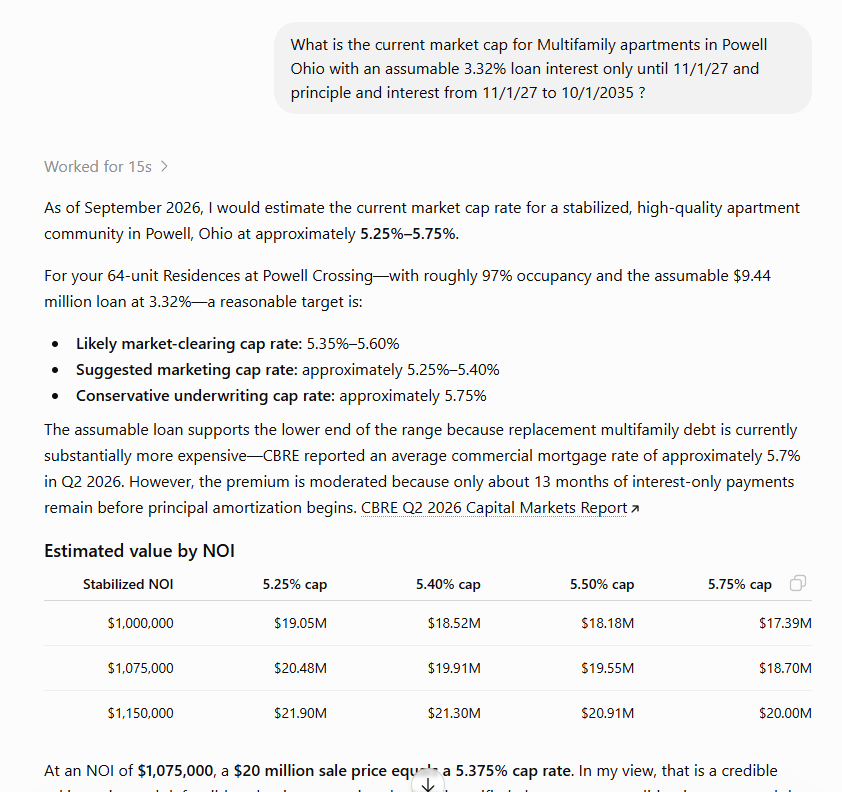
Just found a broker's OM and the 'financial analysis' was a link to a ChatGPT conversation. No Excel. No PDF. Not even a screenshot. The actual chat link. It is also wrong too...
@TAYVAY_ This mentality is common in the affordable space where many owners pursue buying LIHTC/S8 deals from market rate brokers. In many cases these deals are overpriced and don’t lead to a transaction. Very rare to find the opposite.
The rumor that the city of Los Angeles has an endless amount of Section 8 Vouchers is untrue. According to HACLA, there is 200 unhoused voucher holders in the entire city of LA.
I’m running the LA Marathon on Sunday, March 16th with Team United Way LA. As someone who has spent their career in affordable housing, I’m passionate about their mission to break cycles of homelessness, and aid wildfire recovery. Anything helps!
https://t.co/urpvGOmUom
Debatable:
Affordable Development is cost effective for developers, but not the most efficient for the government.
Affordable investment properties are cost effective for equity as you can buy more units for less money, but it costs nearly the same to operate affordable as market rate
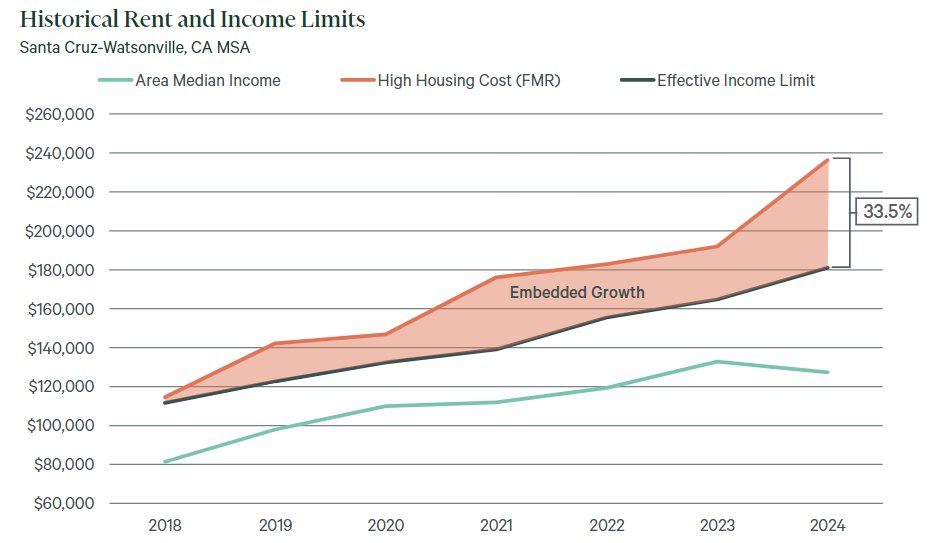
Below is an example from the Santa Cruz-Watsonville, CA MSA, the highest embedded growth area in the country. With HUD’s 10% cap, there remains 33.5% of embedded growth that will be carried forward into future years
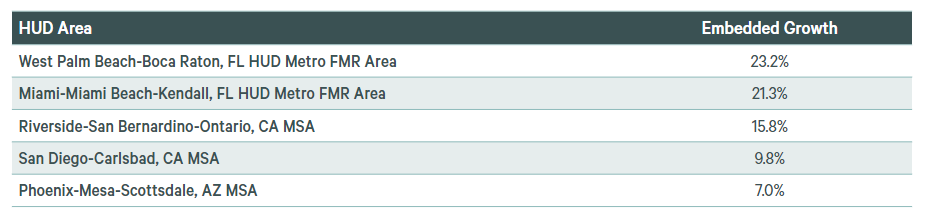
Beginning in 2024, HUD reduced the cap on annual rent and income limit growth to 10%. Although this has limited 2024 growth in certain markets, any growth beyond the 10% cap is not lost and will be carried forward as “embedded growth”. Embedded growth has long been a component of income limits, but the
reduced cap significantly increases the number of affected markets. Even if area median incomes remain flat, markets with embedded growth will continue to realize at least 5% growth per year.