Before medically advised departure is associated with an increased risk of drug overdose in the first 30 days after discharge.
➡️ https://t.co/GjV37rxaXS
@johnastaples@UBCRSPHR
I'm getting psyched for the #eclipse!
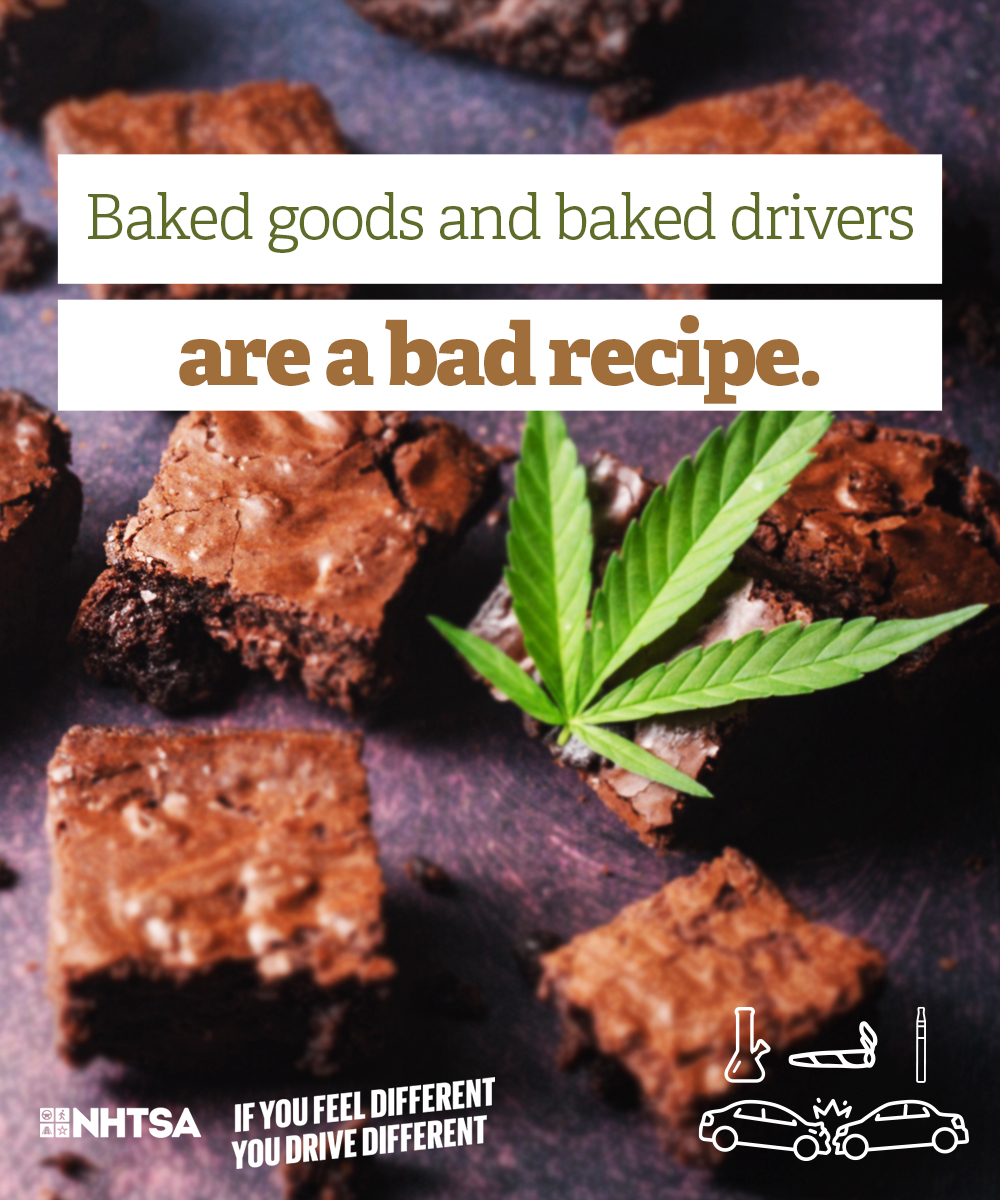
But a new paper in @JAMAInternalMed reminds us to be careful - traffic accidents go up by about *30%* in the days around a total eclipse - similar to the bump we see at Thanksgiving / July 4th (other big driving holidays).
Insatiable pursuit of the two currencies of science publishing—money and publications—have corrupted scientific: time for a major rethink https://t.co/Fs8kCXfCYc
Grateful for the interest it has garnered so far, including a great video by @fperrywilson and the Dark Side of the Moon quotes from @gunnar_heine 😆
https://t.co/pgx807dZhr
200M Americans will be driving distance from the “path of totality” during the total eclipse coming up on April 8, 2024.
The total eclipse in 2017 resulted in a 31% increase in the risk of fatal traffic crash (likely from a massive increase in traffic).
The bottom line? Stay sober, drive slow, leave lots of headway, put down the phone, and plan for a long trip.
Check out our research published today in @JAMAInternalMed :
https://t.co/lM1GeE6gju
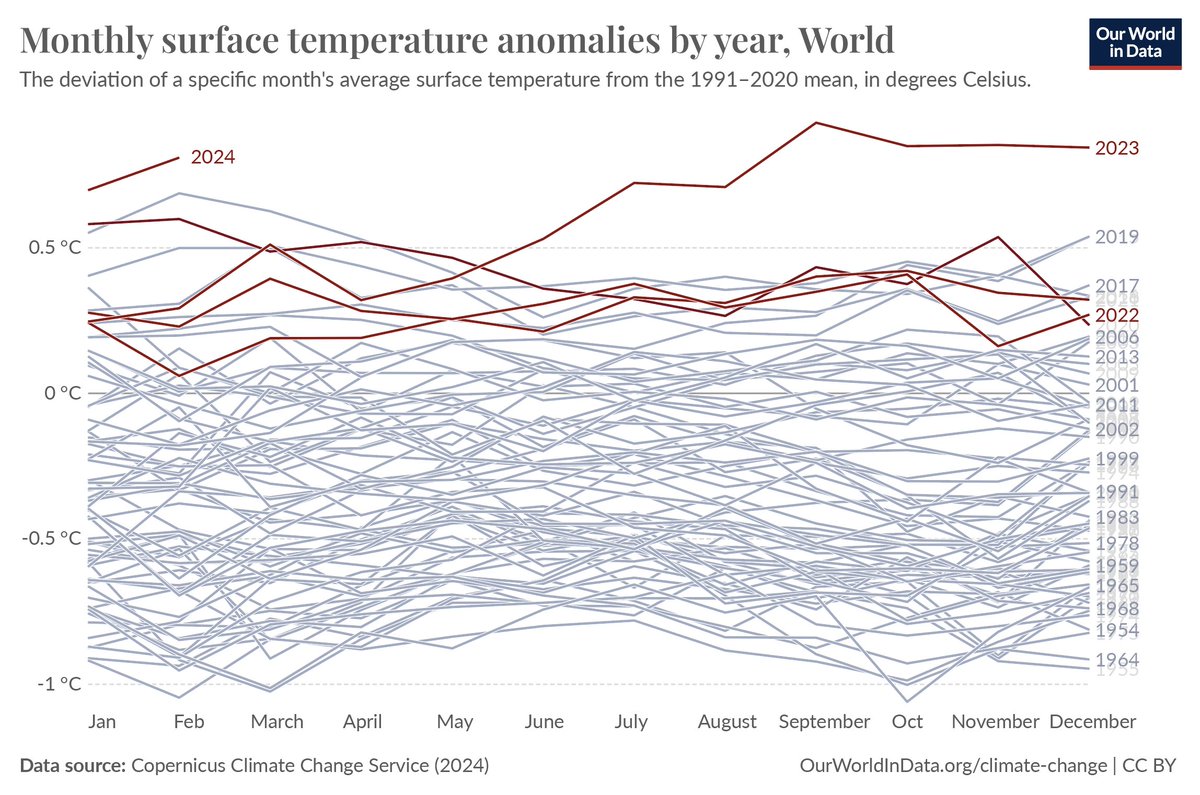
Last June was the warmest on record,
last July too,
last August too,
last September too,
last October too,
last November too,
last December too,
last January too,
and last February too.
https://t.co/o7gZ0GxpEy
@USDOTFHWA @BhattmobileT Great to see @USDOTFHWA and @BhattmobileT issue this traffic reminder before the upcoming eclipse!
The 2017 total eclipse was associated with a ~30% increase in crash risks, a finding we published today in @JAMAInternalMed!
https://t.co/boy79NNYt2
FHWA Administrator @BhattmobileT says, “Don’t have an eclipse in judgement.” A total solar #Eclipse will take place from Texas to Maine on April 8 that may have a widespread impact on the traveling public. Please plan ahead & look out for each other during this spectacular event.
Are hospital inpatients more complex than ever? In this population-based study of 3.4 million hospitalizations in British Columbia, inpatient complexity increased by most measures over a 15-year period. https://t.co/Vgy9uTrrwt @johnastaples
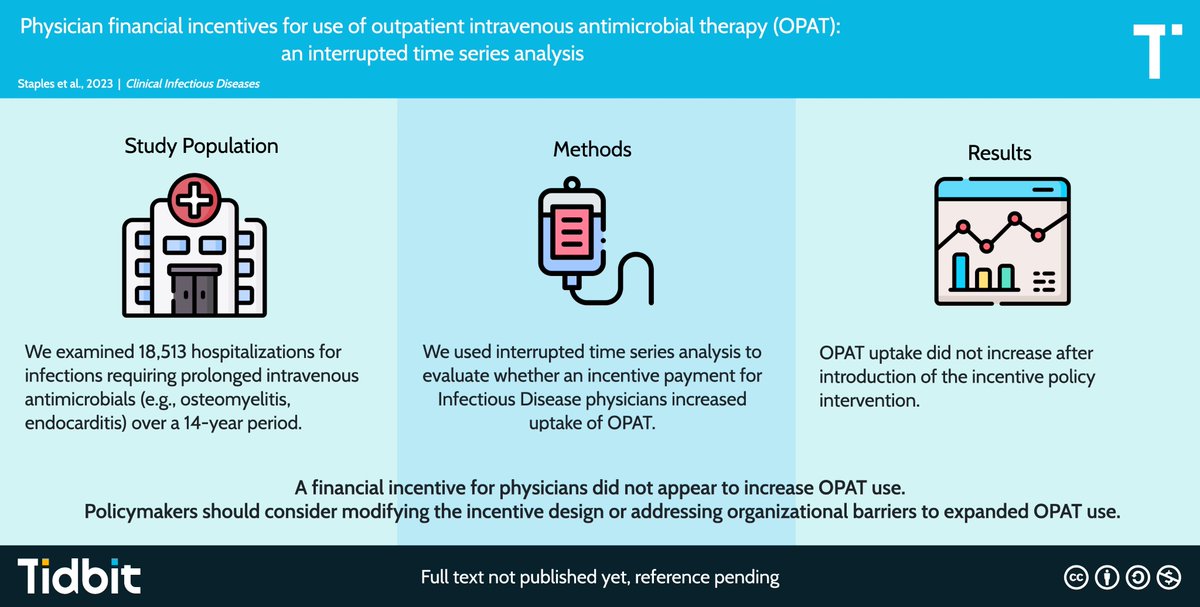
Physician financial incentives for use of outpatient intravenous antimicrobial therapy (OPAT): an interrupted time series analysis
✅ Just Accepted
🔗 https://t.co/nkPVwgdW1O
Hot off the press! 📑
Our study in CID suggests that financial incentives for ID docs did not increase use of outpatient IV antibiotics (ie. OPAT or 'home IV') among patients initially hospitalized for serious bacterial infections.
🏥💉💰🤔
https://t.co/Ign6UlaSCV
@ABsteward
Wonderful celebration of the careers of three legends of internal medicine in BC: Drs. Barry Kassen, Jake Onrot and Iain Mackie. With all of these past @UBC @UBCmedicine internal medicine chief medical residents