AfCFTA is moving from ambition to implementation
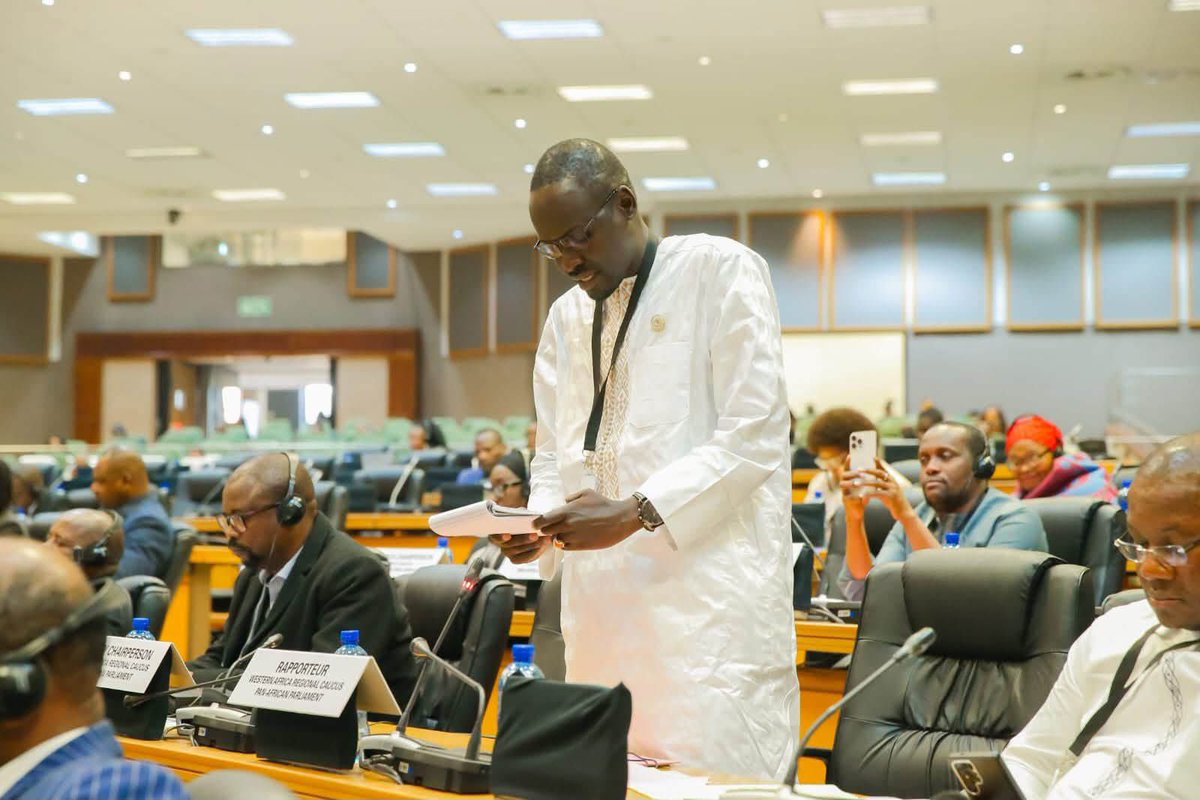
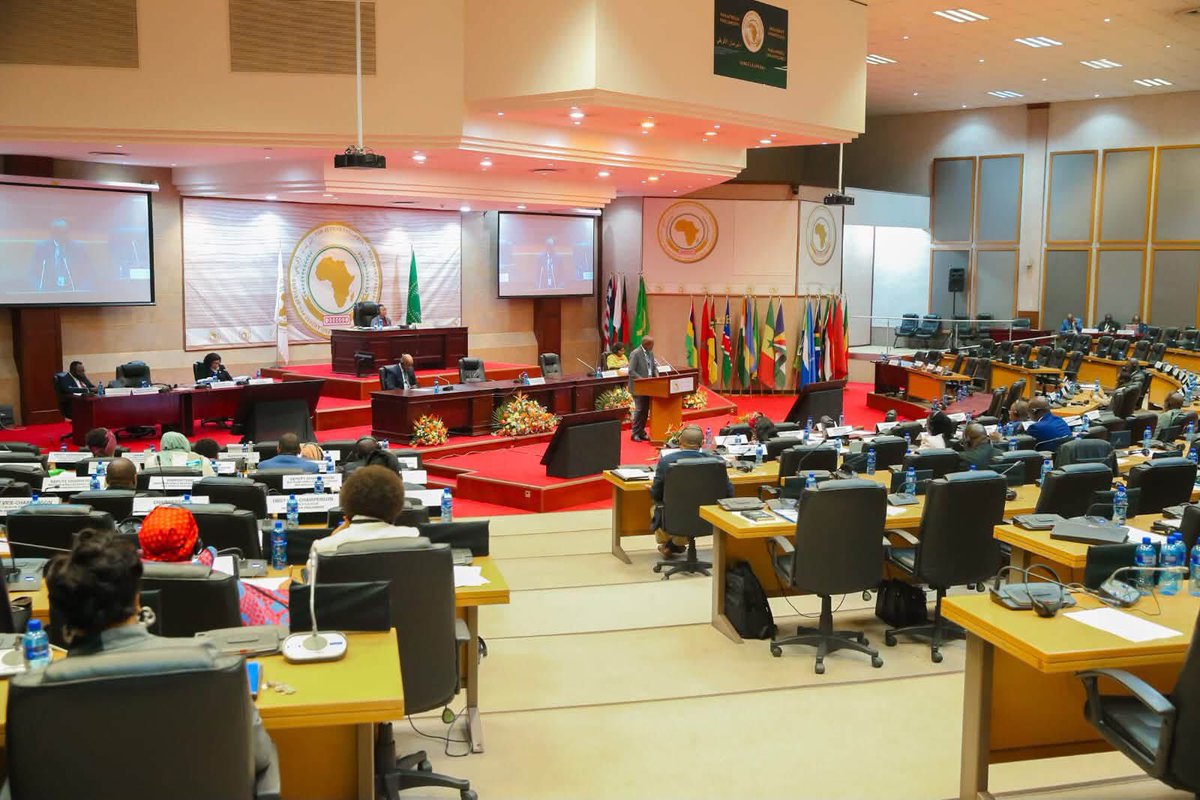
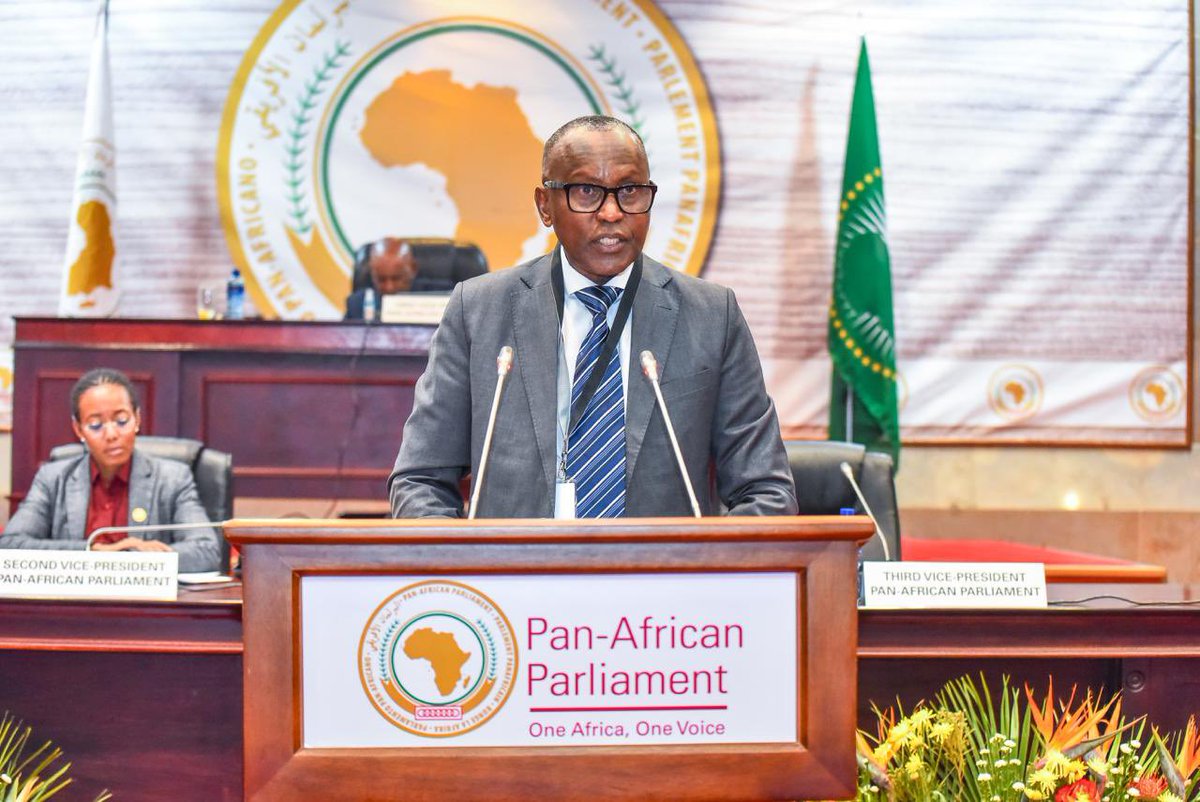
The Pan-African Parliament today considered the report of its assessment mission to Ghana on the implementation of the @AfCFTA Guided Trade Initiative (GTI) and advocacy for the ratification of the @_AfricanUnion Protocol on the Free Movement of Persons.
Presented by Hon. Sen. @johnbideri , Deputy Chairperson of the Committee on Trade, Customs and Immigration Matters, the report recognised Ghana's progress in operationalising the AfCFTA, strengthening SME participation in continental trade, and supporting regional economic integration.
The Committee also called for:
- Harmonised trade standards across Africa
- Simplified customs and border procedures
- Stronger support for SMEs, women and youth traders
- Modernisation of One-Stop Border Posts
- Ratification and domestication of the AU Protocol on the Free Movement of Persons
- Enhanced parliamentary oversight to accelerate AfCFTA implementation
The Committee reaffirmed that removing barriers to trade and facilitating the free movement of people are essential to unlocking Africa's industrialisation, economic transformation and the aspirations of Agenda 2063.
#PanAfricanParliament #PAP7thLegislature #AfCFTA #Agenda2063 #Trade #EconomicIntegration #FreeMovement #ParliamentaryDiplomacy #AfricanUnion
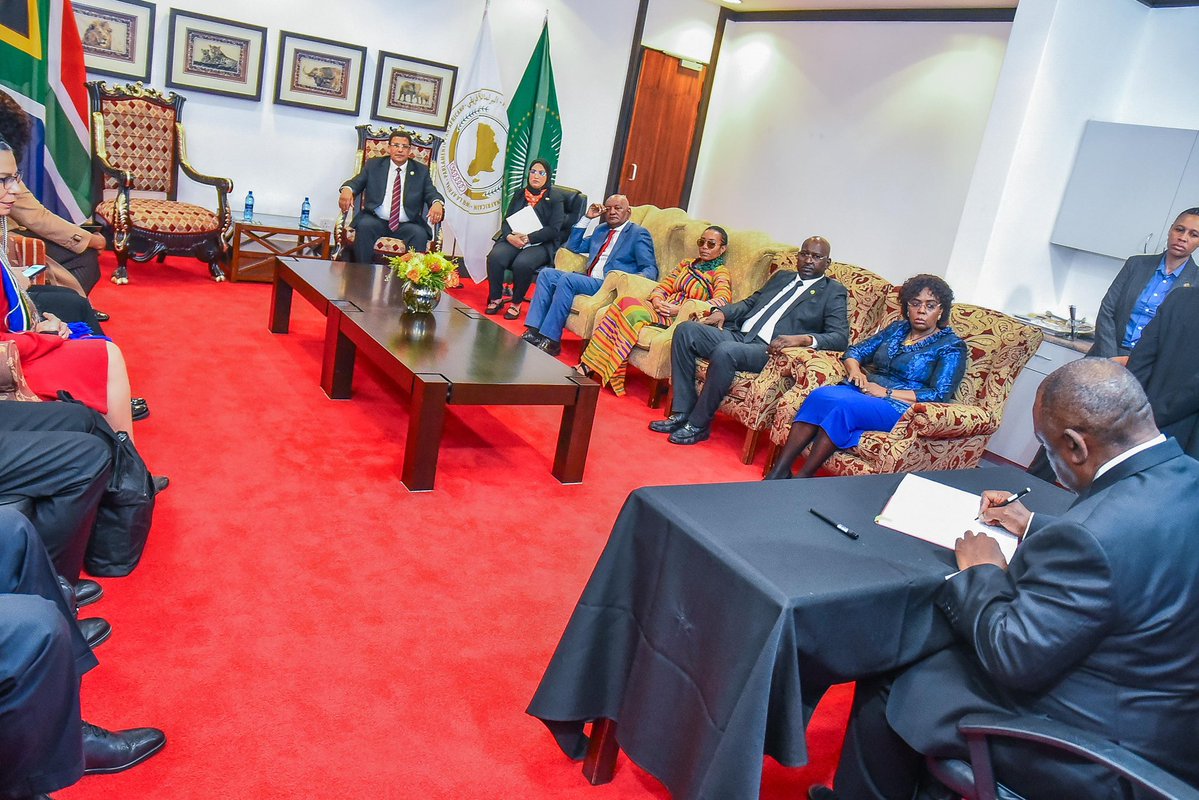
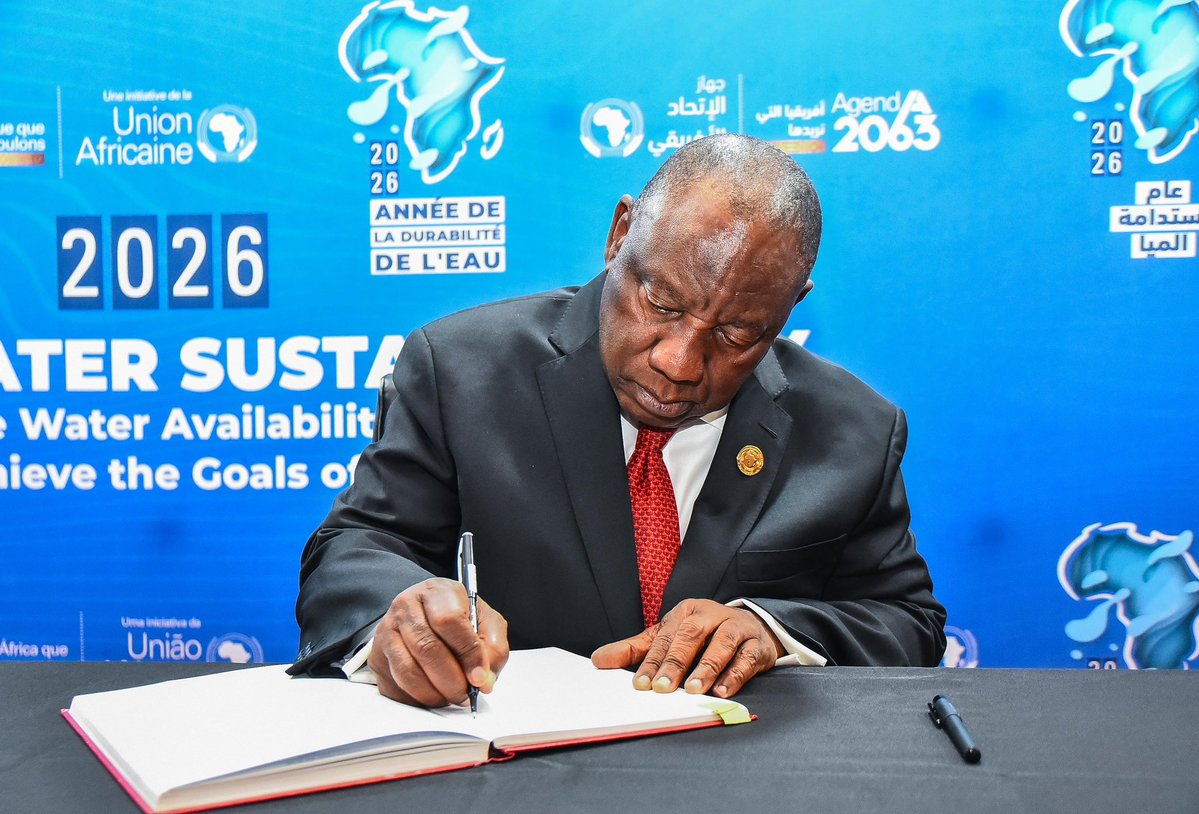
{In Pictures}: Signing of the Visitor’s Book by the President of the Republic of South Africa, His Excellency @CyrilRamaphosa following his keynote address during the Opening Ceremony of the First Ordinary Session of the Seventh Parliament on 27 July 2026 at the Seat of the Continental Parliament in Midrand.
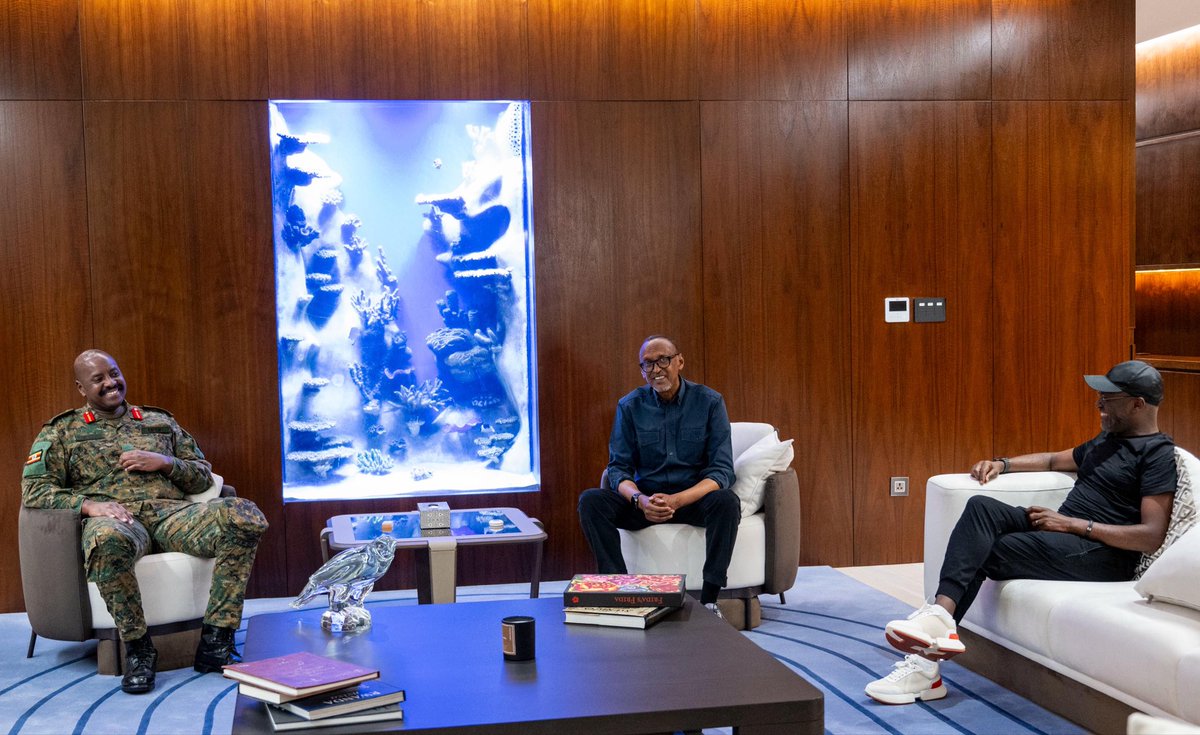
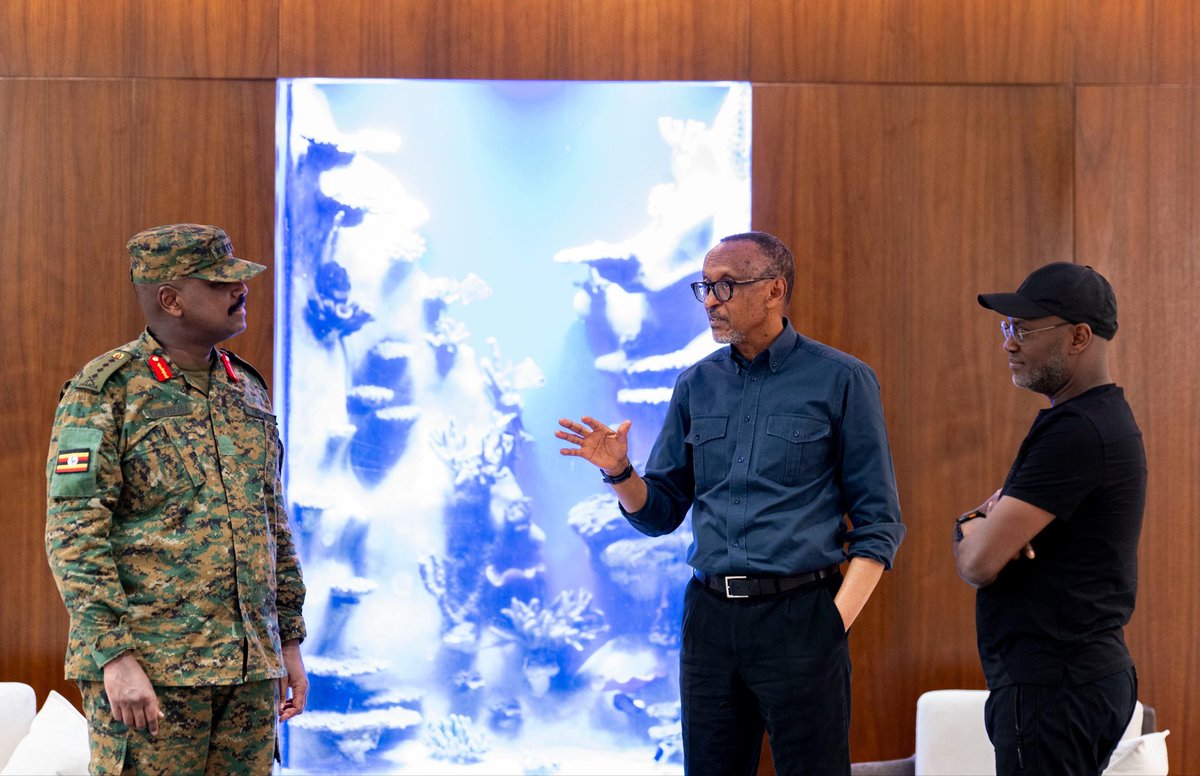
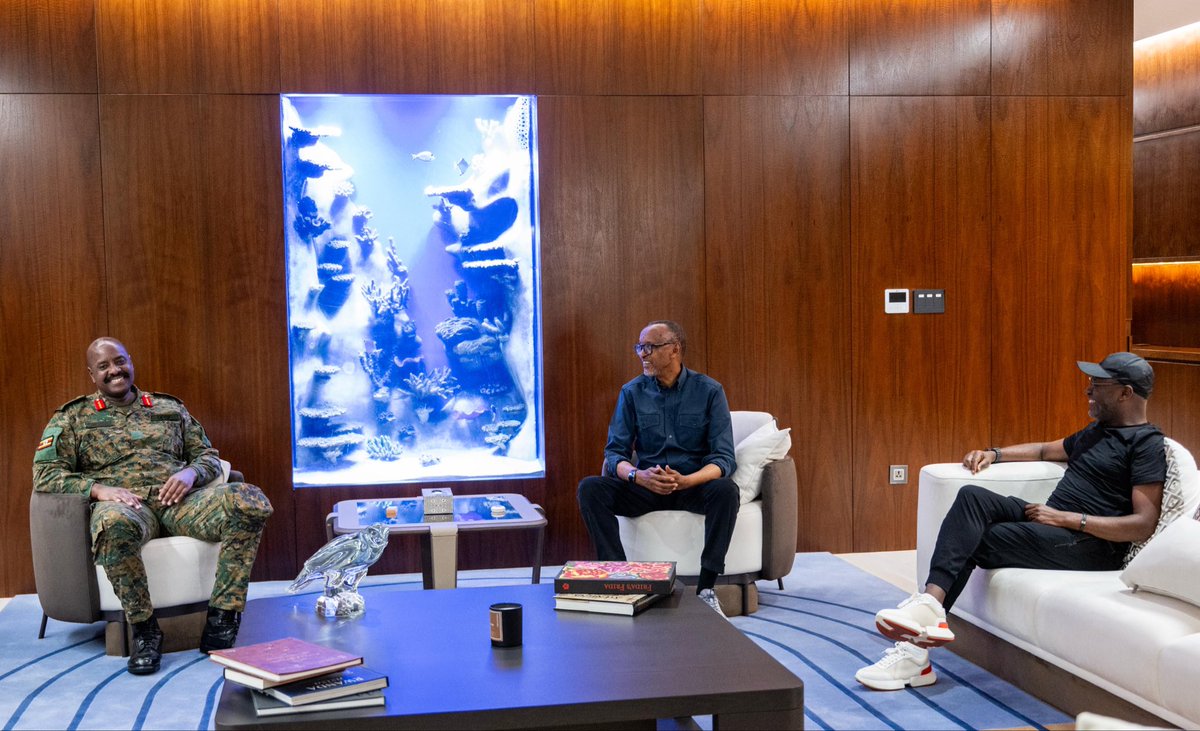
President Kagame today received General Muhoozi Kainerugaba, Chief of Defence Forces of the Uganda People’s Defence Forces (UPDF). Their discussions focused on the strong bilateral cooperation between Rwanda and Uganda, as well as regional peace, security, and stability.
On July 17, 2026, a historic moment unfolded as the Paris Assize Court delivered a spark of justice. The verdict was handed down: Dr. Eugène Rwamucyo was found guilty of genocide and crimes against humanity committed in Butare in 1994. The Court upheld the 27-year prison sentence originally imposed by the court of first instance on October 30, 2024. This appellate ruling merely confirms facts that were already evident and publicly known. It marks the end of an exhausting legal saga for the victims. The matter is settled—much to the dismay of his defenders, who had prepared for a celebration of an acquittal that would never come. The evidence and the jury’s verdict tore through the veil of lies and arrogance maintained by Rwamucyo and his sympathizers. His conviction serves as a stern rebuke to those defenders who constantly resorted to mocking and insulting arguments. One of the ringleaders is the genocidaire and genocide denier Chaste Gahunde, who, throughout the trial, published a series of blatantly false statements in an attempt to mislead the jury.
A. The collapse of the veil of lies and arrogance
1) Rwamucyo claimed to have a Tutsi wife, Mukabanyana Mamérique. In reality, however, she is a former employee of the Rwandan Office of Information (ORINFOR). She is not Tutsi. She was called to the stand to support her husband and stated that she had no specific ethnic identity before or during the genocide. This is completely false. Every adult Rwandan was required to carry an identity card that specified their ethnicity. This card saved Hutus at roadblocks and sent Tutsis to their deaths.
Rwamucyo denied that any Tutsis had been killed during the genocide at the Butare University Public Health Center (CUSP)—where he served as Director General—or at the Butare University Teaching Hospital (CHUB). Before the Gacaca courts, Rwamucyo himself was found guilty of the murder of Cécile Nyirasikubwabo, a CUSP employee, acting in collaboration with Félicité Musanganire (also a CUSP staff member) in 1994. Musanganire, who lives in South Africa, is the daughter of Dominique Mbonyumutwa and the wife of the genocidaire Dr. Pierre Mugabo. Two other Tutsi CUSP staff members were killed during the genocide: Gasana Callixte and Mukamusoni Césarie. Rwamucyo knew them well. Yet, before the Assize Court, he continued to bury them in his memory—just as he had done in 1994 by ordering and coordinating the burial of the bodies of Tutsi victims to conceal evidence of the genocide.
3) Rwamucyo claimed that no doctors or medical staff members participated in the genocide in Butare. The reality is quite the opposite. In total, the Gacaca courts of Butare found 29 doctors and 31 nurses guilty of genocide; these individuals had practiced at the CHUB, CUSP, LABOPHAR, CARAES, and Kabutare facilities.
Other doctors convicted of genocide committed at the CHUB by the Butare City Gacaca courts include Dr. Jotham Nshimyumukiza—the former Director of the CHUB—who was found guilty of murdering medical assistant Jean-Claude Karekezi, other Tutsi CHUB staff members, and Tutsi patients; and Dr. Pascal Habarugira, who completed his 19-year sentence last year and was found guilty of murdering a nurse, Vénantie Mukangango. Dr. Berthe Nyiraruhango was found guilty of murdering a Tutsi child and a nurse named Hawa Uzamukunda. Dr. Aloys Nyagasaza was found guilty of murdering medical assistant Bernardin Nkundayezu. Dr. Emmanuel Twagirayezu was found guilty of handing over Tutsi patients to militiamen and soldiers from the Non-Commissioned Officers' School. These are merely examples.
Among the murderers convicted by Gacaca courts were also nurses and medical staff from CUSP who were Rwamucyo’s direct subordinates, often acting under his orders or carrying out orders devised jointly. These include: Uwimana Thérèse: sentenced to 19 years in prison on June 4, 2007, Musabyemariya Marceline: 12 years in prison (July 2008), Mukamurangwa Marie Rose: 19 years in prison on June 4, 2008, Nyiramisago Thérèse: 19 years in prison on June 4, 2008, Kantengwa Annonciata: 19 years in prison on June 4, 2008; and Mukamuzima Philomène: 19 years in prison on March 26, 2008. All these nurses who participated in the genocide have completed their sentences and are living peacefully within society and among their families.
Among the witnesses was Dr. Rony Zachariah, who arrived in Rwanda on February 20, 1994, to coordinate the activities of Médecins Sans Frontières (Doctors Without Borders). He was working at CHUB during the genocide. He testified to the Court that between 150 and 200 victims—comprising CHUB staff members and Tutsi patients—were forcibly taken from CHUB and killed by their colleagues, militiamen, and soldiers from the Non-Commissioned Officers' School (ESO). The Court found his account credible.
Another piece of evidence is that, following the genocide, the CHUB administration undertook an effort to identify Tutsi staff members killed during the genocide and Tutsi patients massacred at the hospital or in its vicinity. Eighty-two names were recorded. These individuals are honored and named during every annual commemoration at CHUB. Here are some of them by way of illustration: Karekezi Jean Claude (alias DOGO), Kajeguhakwa Wenceslas, Kezankore, Nyangezi Protais, Kayitegere Capitoline, Mukagakwaya Immaculée, Kabalisa Jean Damascène, Ntawukuriryayo Callixte, Mukamazina Vénantie, Samusoni Wilson, Gakwanzi Marie Claire, and Mukangango Vénantie.
4) Rwamucyo falsely claimed that in his native commune of Gatonde—located in the former Ruhengeri Prefecture and Busengo Sub-prefecture—there was only a single Tutsi family, and that, consequently, no genocide took place there. This is false. There were Tutsis in Gatonde, and they were exterminated just as they were throughout Rwandan territory. Intellectuals as well as political and military officials hailing from this commune—such as Ferdinand Nahimana, Ndagijimana Jean Claude, and others—played a key role at the national level in the planning and execution of the genocide.
Tutsi victims from Gatonde were murdered starting on April 8, 1994, under the supervision of the Busengo Sub-prefect, Dismas Nzanana, who was sentenced to life imprisonment by the Rwandan justice system. They were killed at various locations, notably at the Busengo sub-prefecture offices, the Janja Catholic parish, the Ruhengeri Court of Appeal, and in the Mukungwa and Nyabarongo rivers. Three notorious roadblocks remain in the memories of the very few survivors: those located at Bunyironko, Ibyibuhiro, and Mu Biziba.
The militiamen who massacred them included: Bazirake Bernard (a Cell leader); Ruzindana Prosper (who coordinated and led the attack that exterminated the family of Nyirambarubukeye); Nizeyimana Pierre, alias Kaguta; Ngendahayo Emmanuel; Nayigiziki Valens (who led the attack that killed the family of Seguhirwa Pierre and his wife, Mukankusi); Ntakabanoza; Nahimana; Hakiza; Ntamahungiro; Rwakarenga (who notably led the attack that killed the family of Murengerantwari); Nsekambabaye; Munyabarame; Ntamunsi; and others.
Tutsis in Gatonde had been mistreated since October 1990, the early days of the liberation war. Many were arrested on fabricated charges of complicity with the RPF. These included: Batsinda Wellars (who was killed in April 1994), Mpendwanzi Joseph, Barihenura Joseph, Barinyenzi, and Ngirabatware Jean, alias Kimuna. Among the Tutsi victims from Gatonde whose suffering is denied by their neighbor Eugène Rwamucyo, we can cite: Batsinda Valens, Kabusoro Floride, Mutezimana Aphrodis, Byagusetsa Juvénal, Minsiriyo David, Uwizeye Alphonsine, Chantal Dufitamahoro, Ndakaza Fabien, the family of Edouard Uzabakiriho, the Rurinda family, Nyiramahirwe, Munyaneza, Nyirangoga, and others.
In conclusion:
A huge thank you to the French justice system, which has significantly accelerated judicial proceedings over the past decade to combat impunity and honor the memory of the victims. Western nations delivering justice for the victims of the Tutsi genocide are performing a historic task, demonstrating that universal jurisdiction and the non-statute-of-limitations status of genocide are not merely empty words. The trials and convictions of Rwandan genocidaires show that the distant exile they believed would guarantee their impunity offers no ironclad protection.
“Hate speech should never be tolerated whether in Rwanda, the United States, or anywhere else in the world.” At #AspenSecurity, Minister @Vbiruta underscored a lesson drawn from Rwanda’s history: genocide began with hate speech, and preventing such rhetoric is essential to protecting lives and preserving peace.
President Kagame’s leadership emphasizes accountability, zero tolerance for corruption, long-term planning, and citizen participation. Policies are data-driven and results-oriented, with a strong focus on self-reliance rather than perpetual aid dependence. This approach has created a stable, secure environment that attracts investment and fosters entrepreneurship. Rwanda consistently ranks among the top reformers in Africa for ease of doing business.
Testimony 👇
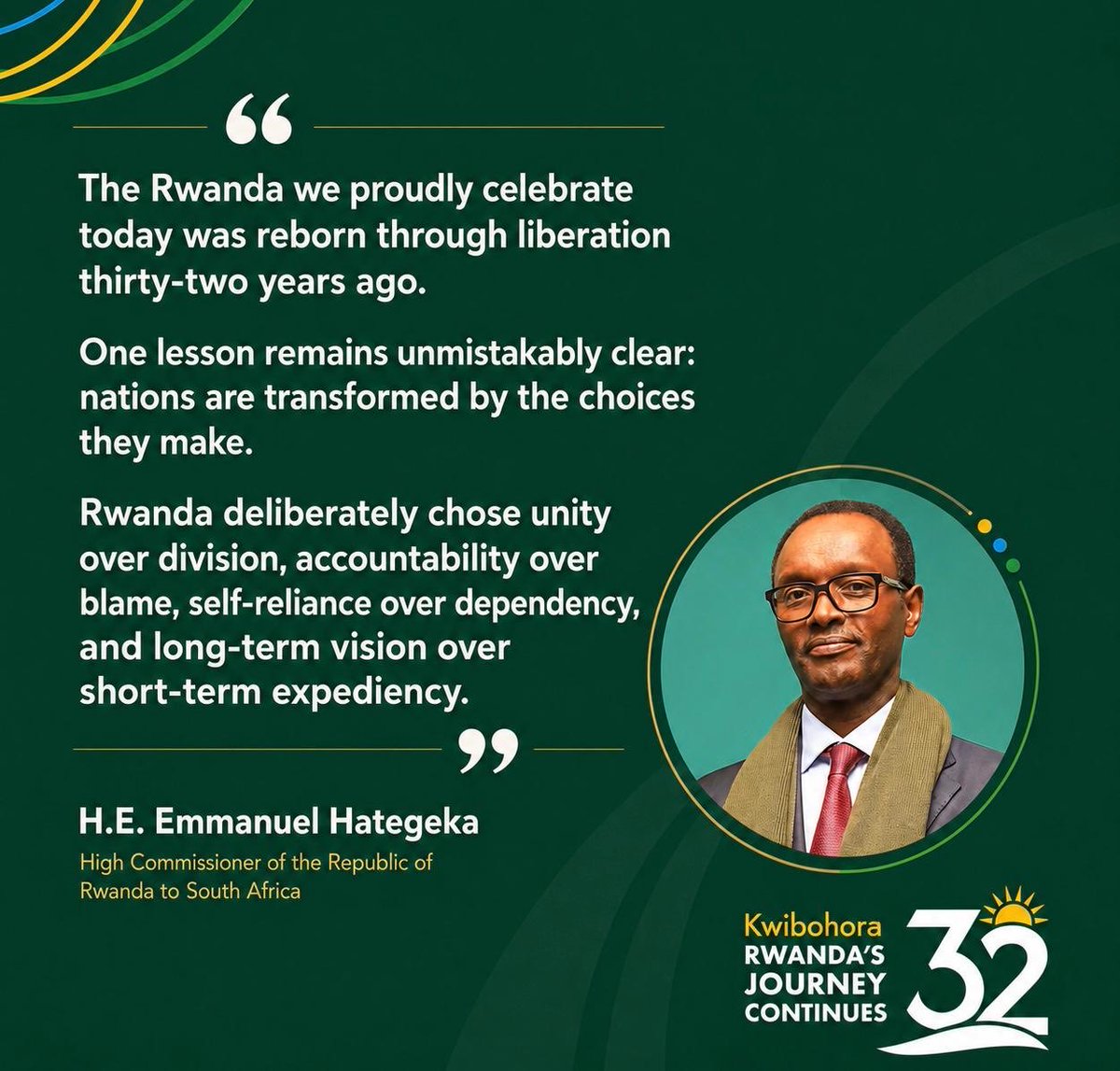
What an absolutely unforgettable celebration of #Kwibohora32 yesterday at the CT Hotel in Pretoria!
From the powerful harmony of our national anthems to the breath taking, high-energy cultural dances by Itorero Inyamibwa, the room was completely alive with joy, culture, and pure national pride. We laughed, we connected, we popped champagne, and we toasted to 32 incredible years of renewal, growth, and deep-rooted African solidarity.
Press play to relive the best moments of our journey continuing together! 👇🎥
Thank you to everyone who joined us in Pretoria to make this milestone so spectacular. Let’s keep moving forward with purpose, ambition, and unity! 🇷🇼🤝🇿🇦
@RwandaMFA@DIRCO_ZA
#Kwibohora32 #RwandaAt32 #RwandasJourneyContinues #RwandaSA #CelebrateUnity
This afternoon at Urugwiro Village, President Kagame received a delegation of constitutional experts from the East African Community (EAC), together with officials from the EAC Secretariat led by Andrea Ariik Aguer, EAC Deputy Secretary-General. Discussions focused on the ongoing work towards the East African Political Confederation, including progress on drafting its Constitution and on the next steps to advance the region’s integration agenda.
🇷🇼At the conclusion of Hon. Olivier J.P. Nduhungirehe’s working visit to South Africa, High Commissioner @ehategeka hosted a reception in the Minister’s honour, with embassy team and over forty members representing the Rwandan Community Abroad (RCA) in South Africa.
Addressing the community, the Minister provided a comprehensive update on the renewed momentum in Rwanda–South Africa relations underscoring the shared commitment of both countries to normalise and strengthen bilateral cooperation. (1/2)
“In many cases, the fastest route between two African cities, is through another continent. This weakens trade and discourages investment.”
President Kagame on addressing challenges in African countries’ integration. #AFCAC#RBANews
“A single market works best, when rules and standards are predictable and consistent across jurisdictions. The institutions mandated to lead this work already exist, and they deserve our support. The same principle applies to visa policies.
In Rwanda, we removed this particular barrier because we wanted people to visit, connect and discover opportunities. And as we know, it is just the right thing to do. We saw stronger business activity, increased tourism, and expanded air links.
Experience, therefore, shows us that openness and cooperation are powerful drivers of development. No single region has unlocked its potential, while remaining fragmented. Air connectivity opens immense opportunities and possibilities.” President Kagame | African Air Transport Convention & Expo 2026
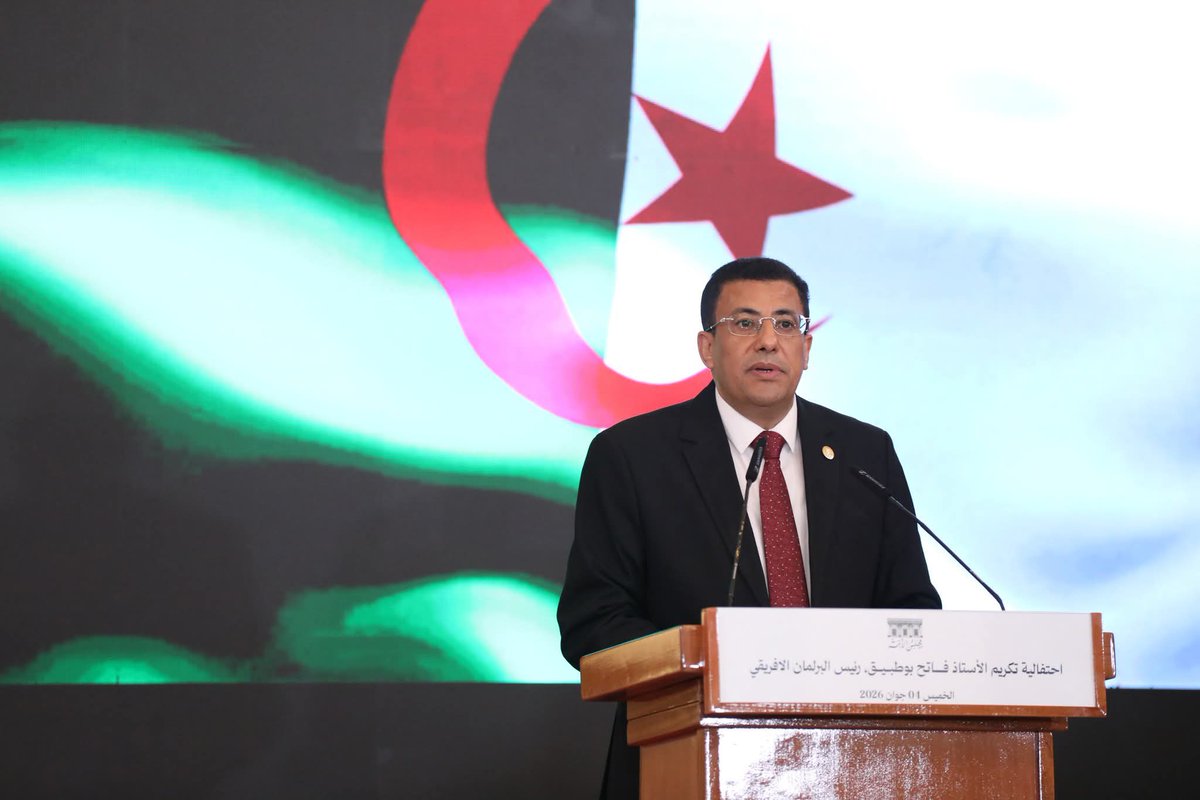
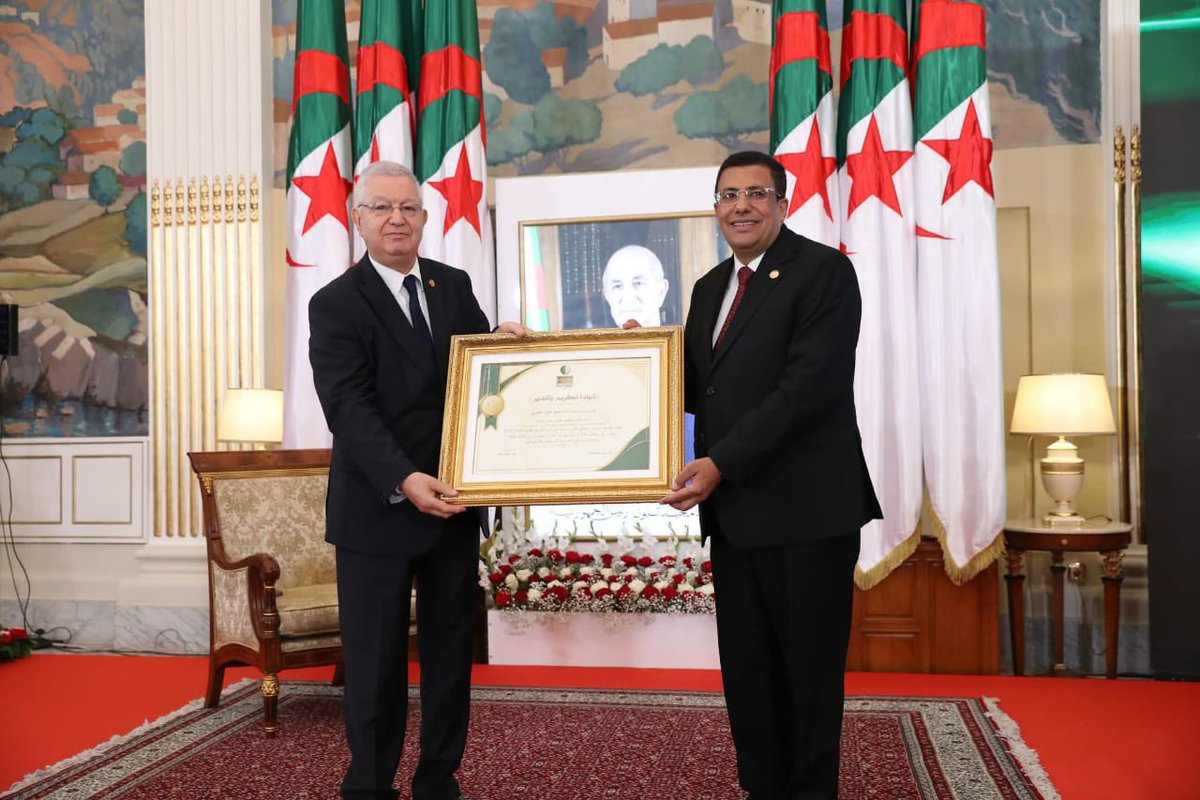
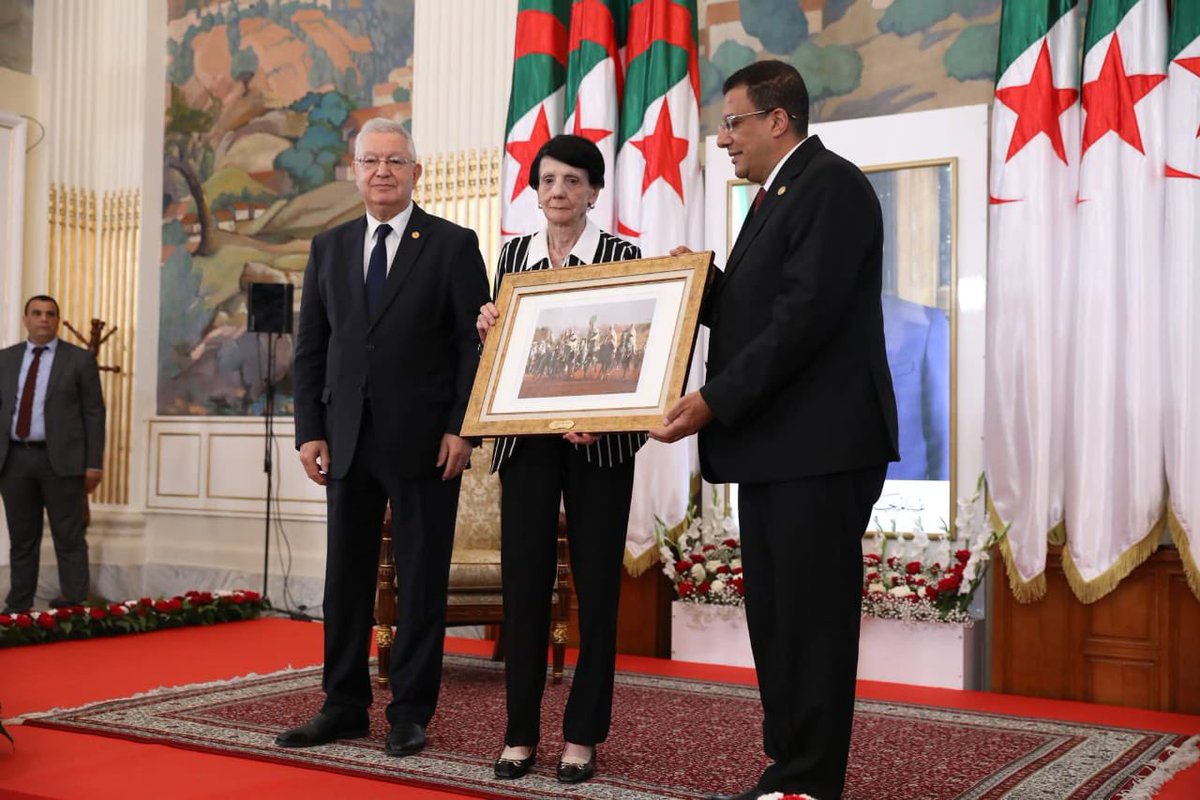
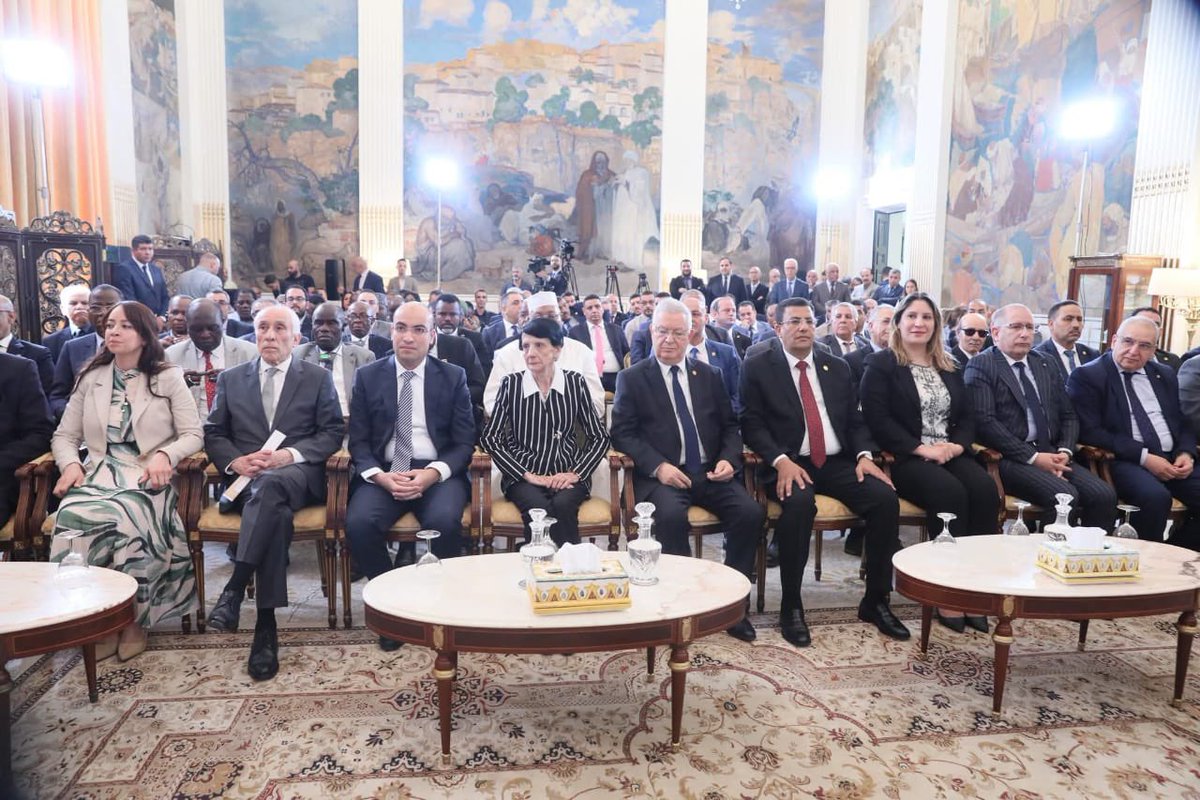
𝐋𝐚 𝐜𝐡𝐚𝐦𝐛𝐫𝐞 𝐡𝐚𝐮𝐭𝐞 𝐝𝐮 𝐏𝐚𝐫𝐥𝐞𝐦𝐞𝐧𝐭 𝐚𝐥𝐠é𝐫𝐢𝐞𝐧 𝐜é𝐥è𝐛𝐫𝐞 𝐥𝐞 𝐏𝐫é𝐬𝐢𝐝𝐞𝐧𝐭 𝐝𝐮 𝐏𝐚𝐫𝐥𝐞𝐦𝐞𝐧𝐭 𝐩𝐚𝐧𝐚𝐟𝐫𝐢𝐜𝐚𝐢𝐧 𝐒.𝐄. 𝐅𝐚𝐭𝐞𝐡 𝐁𝐨𝐮𝐭𝐛𝐢𝐠
S.E. Fateh Boutbig, Président du Parlement panafricain, a pris part, le jeudi 4 juin 2026, à une cérémonie d’hommage organisée en son honneur au siège du Conseil de la Nation de la République algérienne démocratique et populaire, à l’occasion de son élection à la Présidence du Parlement panafricain pour la législature 2026-2029.
Cette cérémonie a été présidée par M. Azzouz Nasri, Président du Conseil de la Nation, en présence de hauts responsables de l’État algérien, de membres du corps diplomatique accrédité en Algérie, de représentants d’institutions nationales ainsi que de personnalités parlementaires et africaines.
À cette occasion, le Président du Parlement panafricain a exprimé sa profonde gratitude pour cette marque de considération, soulignant que son élection à la tête du Parlement continental constitue l’expression de la confiance accordée par les États membres et les représentants des peuples africains à l’Algérie, à ses institutions et à ses compétences. Il a également indiqué que cette responsabilité reflète la volonté commune de renforcer le rôle du Parlement panafricain au service des causes du continent et des aspirations de ses peuples.
Le Président du Parlement panafricain a, par ailleurs, réaffirmé son engagement à œuvrer, en étroite coordination avec les membres du Parlement et les différentes institutions continentales, au renforcement de l’action parlementaire africaine commune, à la promotion des valeurs d’unité, de solidarité et d’intégration, ainsi qu’à la réalisation des objectifs de développement, de stabilité et de prospérité à travers le continent.
Today, Senator Bideri John Bonds welcomed delegation from Hope Haven Christian School, #USA to Parliament for a learning visit, highlighting #Rwanda’s legislative history, governance system, and the Senate’s role in advancing unity, accountability, and inclusive development.