Mid- to Long-Term Outcomes of the MESOCOLIC Trial Evaluating Extensive vs Limited Mesenteric Excision in Crohn's Disease.
Duan M, Zhang X, Liu W, et al. Gastroenterology. 2026;171(3):556-559. doi:10.1053/j.gastro.2026.05.004
Editor’s Essential Reading
September issue — Gastroenterology
Selected as Essential Reading
Now FREE ONLINE
Mid- to Long-Term Outcomes of the MESOCOLIC Trial Evaluating Extensive vs Limited Mesenteric Excision in Crohn’s Disease - Gastroenterology https://t.co/aVsRvx1H3q
🌟 The September Editor's Essential Reading examines mid- to long-term outcomes of the MESOCOLIC trial evaluating extensive vs limited mesenteric excision in #CrohnsDisease. Learn more at https://t.co/7BxY8xvOcl
Disturbance of Oxylipin Metabolism .....in Crohn’s Disease - Cellular and Molecular Gastroenterology and Hepatology https://t.co/jcz10jxtbG
Excellent study which "reveal the mechanism of mesentery-gut axis on the pathogenisis of colitis"
🚨 Now free to read in GASTROENTEROLOGY
The MESOCOLIC trial delivers a striking surgical message for Crohn’s disease:
Severe endoscopic recurrence - minimal when the mesentery was included as part of the resection.
🔗 Free access:
https://t.co/9LYhlNpyTd
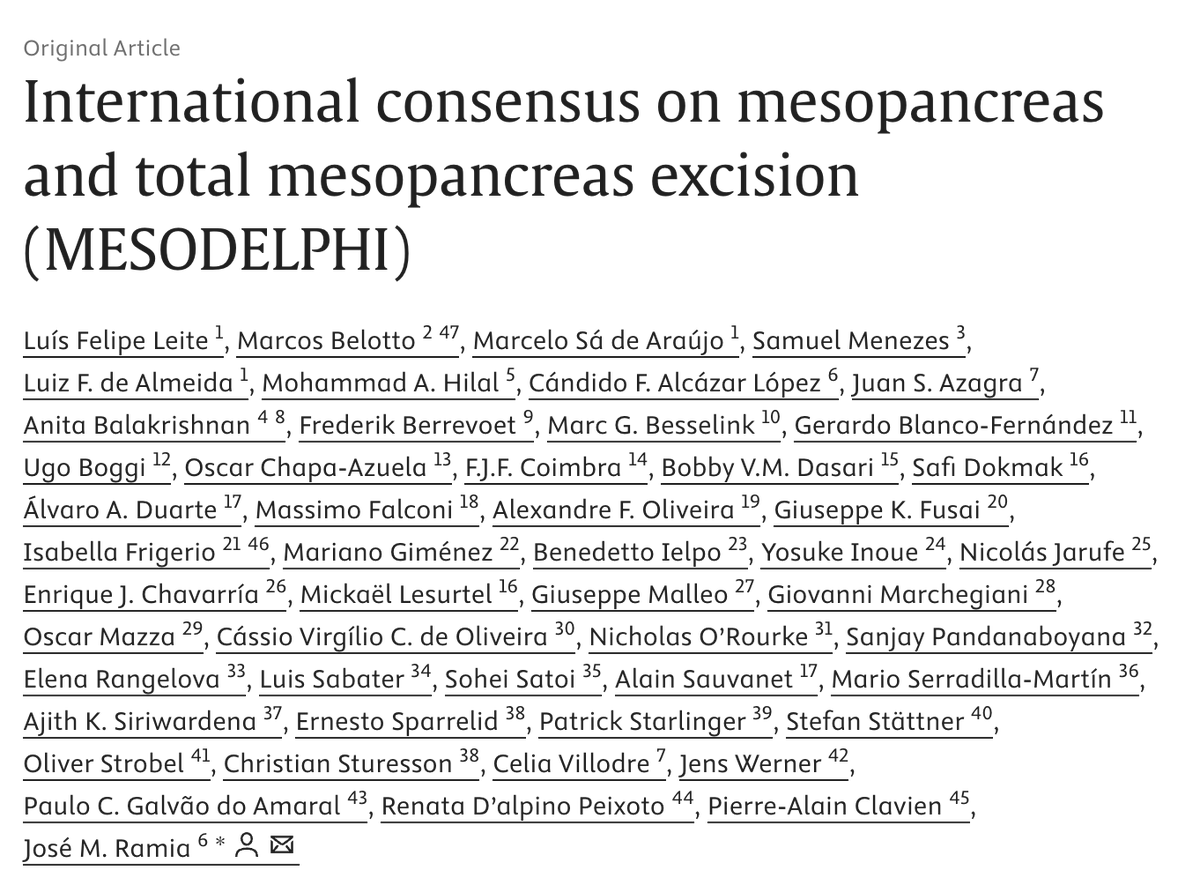
Mesopancreas excision ✂️ International consensus
🗺️ Defined as retropancreatic compartment of lymphatic neurovascular and adipose tissue
👍 Both artery- and mesenteric-first approach OK
🧼 Total excision more curative?! to be investigated further
https://t.co/n3laFwAe77
Cancer surgery can damage lymphatic vessels, causing leaks that are hard to locate — especially in the liver & mesentery, which produce 70%+ of all lymph but are nearly invisible on standard scans. 🧵
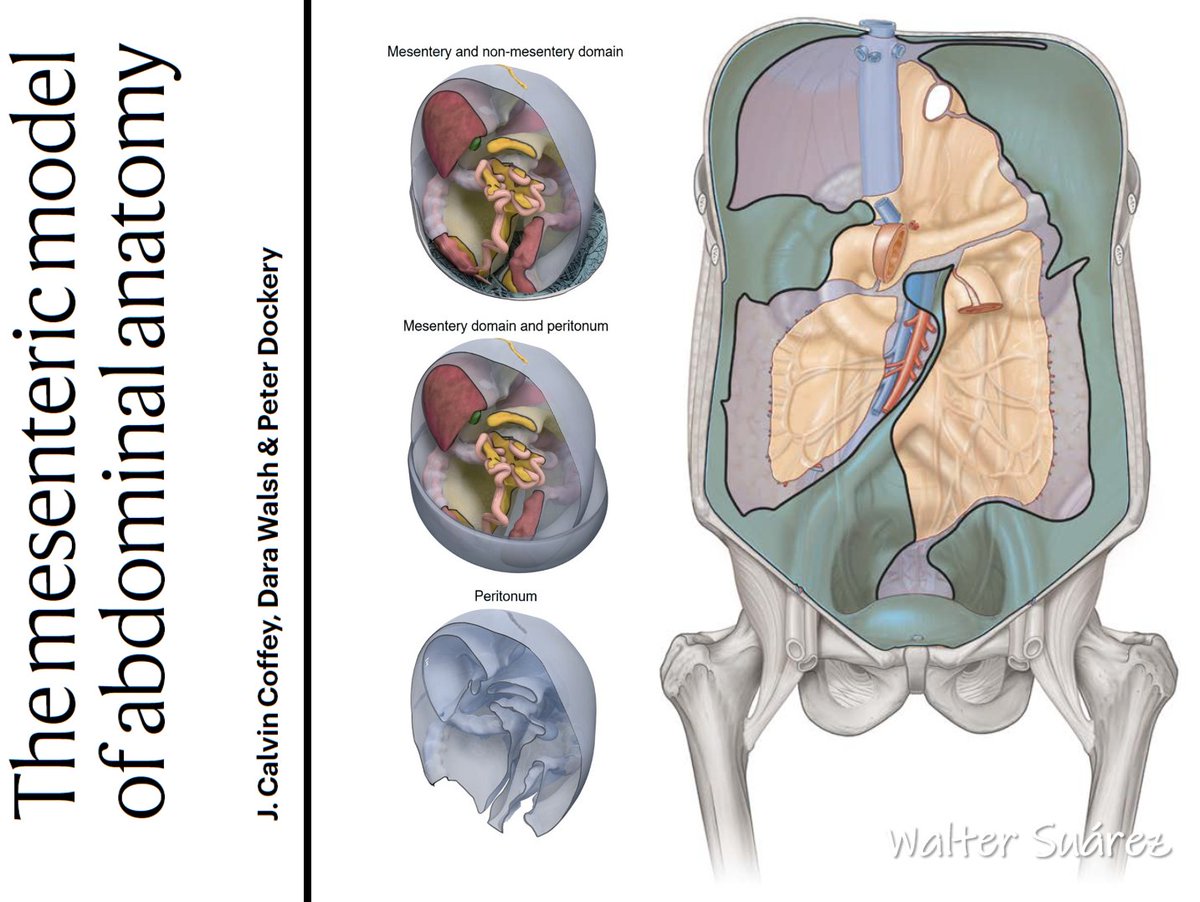
@mbehr_mcgill These are now the big questions. The translational investigation of the mesentery is red hot at the moment with publications in Cell, J Ex Med, Nat Reviews G&H, Nat Comms, Gastroenterology all illuminating the field
Congratulations to authors!
Extended Mesenteric Resection associated with reduced surgical recurrence in Crohn's disease
-the only factor independantly protective against surgical recurrence
PDF at https://t.co/aSYW94sTEs
download, translate with Chat, read
Assessment of intestinal fibrosis is an unmet need for patients with Crohn's disease, but spatial heterogeneity of fibrosis may affect accurracy. The authors developed and validated a novel strategy based on subregionalisation into mesenteric and antimesenteric borders on MRE (Luyao Wu et al.)
https://t.co/azT9BTgj6M
10/ Suggested take-aways
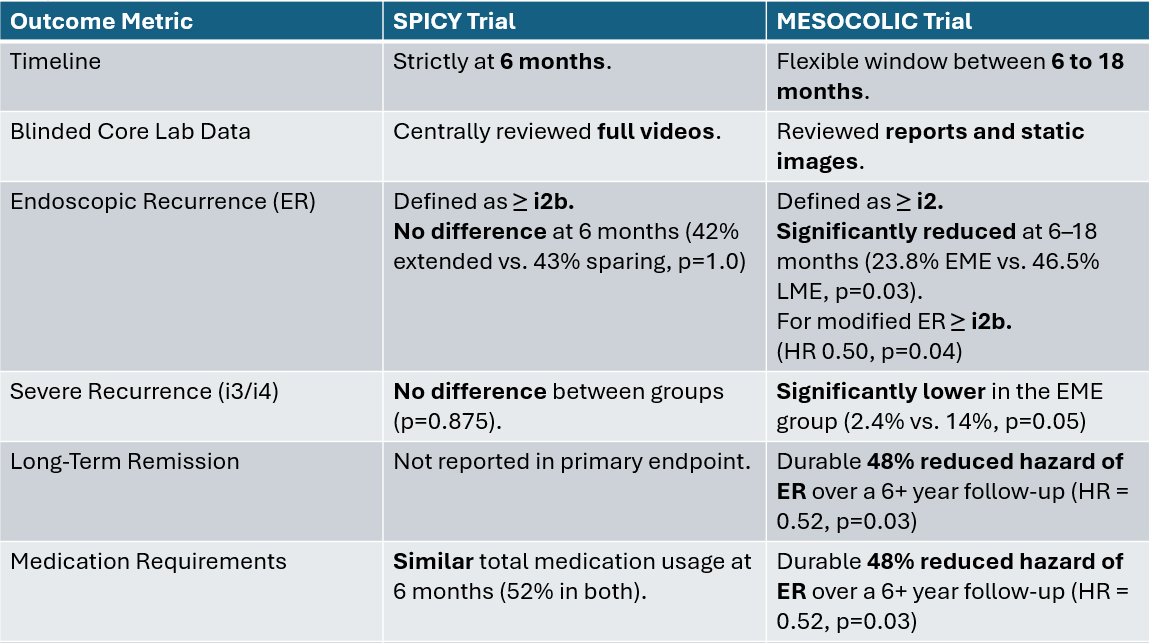
- However, if dealing with advanced B2/B3 phenotypes, a radical oncologic resection clearing the ileocolic pedicle (MESOCOLIC) alters long-term disease course and delays biologic dependency.
9/ Suggested take-aways
- A less extensive mesenteric wedge resection that leaves the vascular trunk intact (SPICY) will not alter your recurrence rates at 6 months.
8/ Why the different results?
- Radicality: SPICY’s approach left central/trunk mesentery in situ. MESOCOLIC completely cleared the nodal and neural transit zones along the ileocolic trunk.
- Patient Selection: MESOCOLIC targeted advanced, fibrotic disease (B2/B3) in non-smokers.
7/ Outcomes
- SPICY reported a negative result at 6 months, while MESOCOLIC demonstrated a massive, durable benefit to extensive mesenteric excision (EME)
@IBDGastroDocSg Leaving an exudative ileocolic pedicle leaves residual disease, leaves a lot of immunological armentarium in a residual, hostile, mesentery - collections and leaks are likely to follow
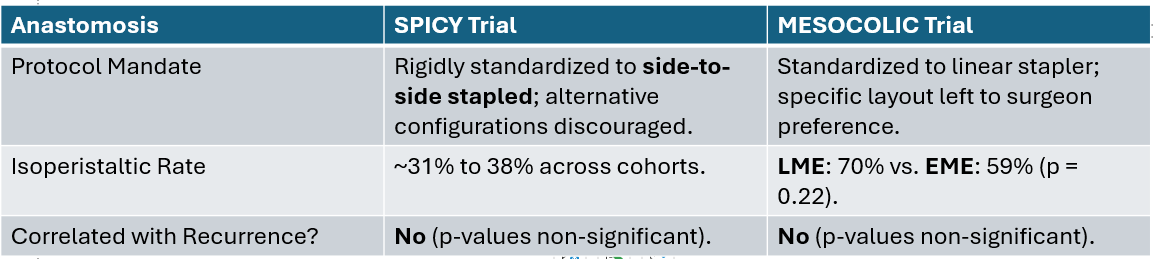
5/ Anastomosis
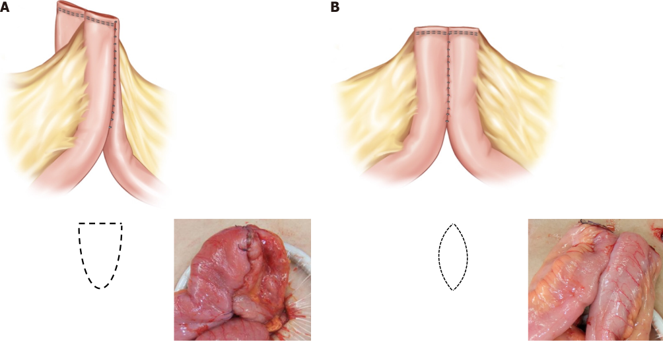
- SPICY rigidly standardized to wide-stapled, side-to-side configurations (mostly antiperistaltic).
- MESOCOLIC left configuration to surgeon preference using a linear stapler (mostly isoperistaltic).