Advice for early battlefield visitors to the Western Front. Be careful or your accommodation may be an old dugout! The Daily News, 28th June 1919. #WW1#Somme#Ypres
May 2026 update – caring for our headstones
Independent scientific analysis into black spot staining is continuing, led by specialist partners. Alongside this, our teams have completed seasonal cleaning programmes, ongoing interventions and targeted trials. We remain committed to finding the most effective and responsible ways to care for our headstones.
https://t.co/45QFlBISzw
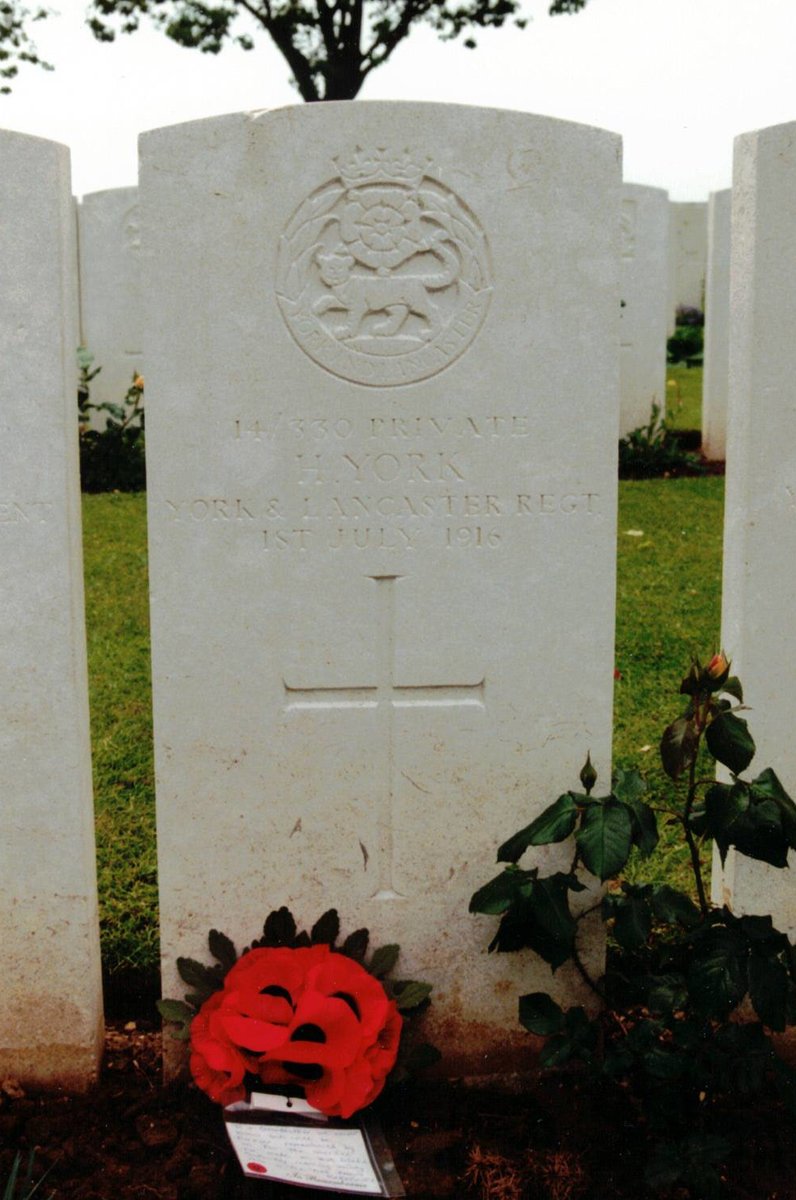
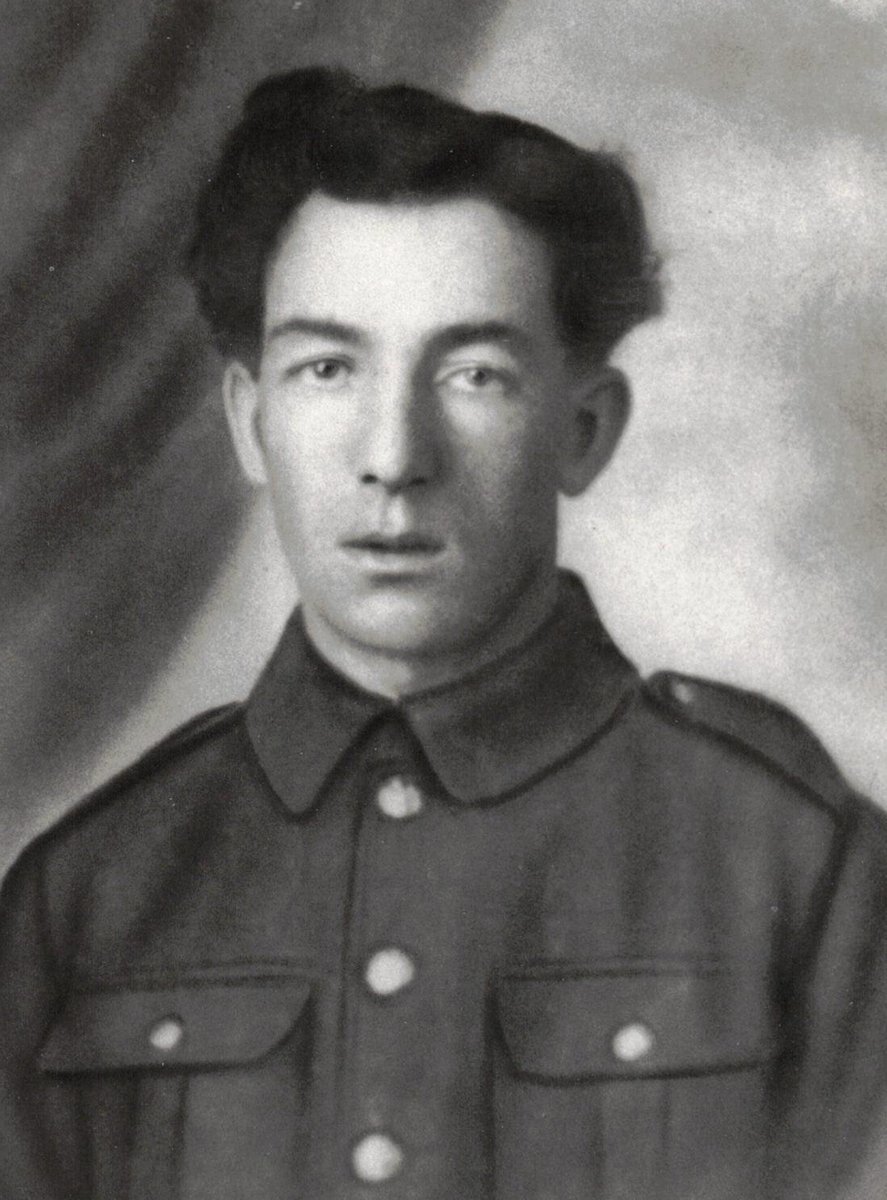
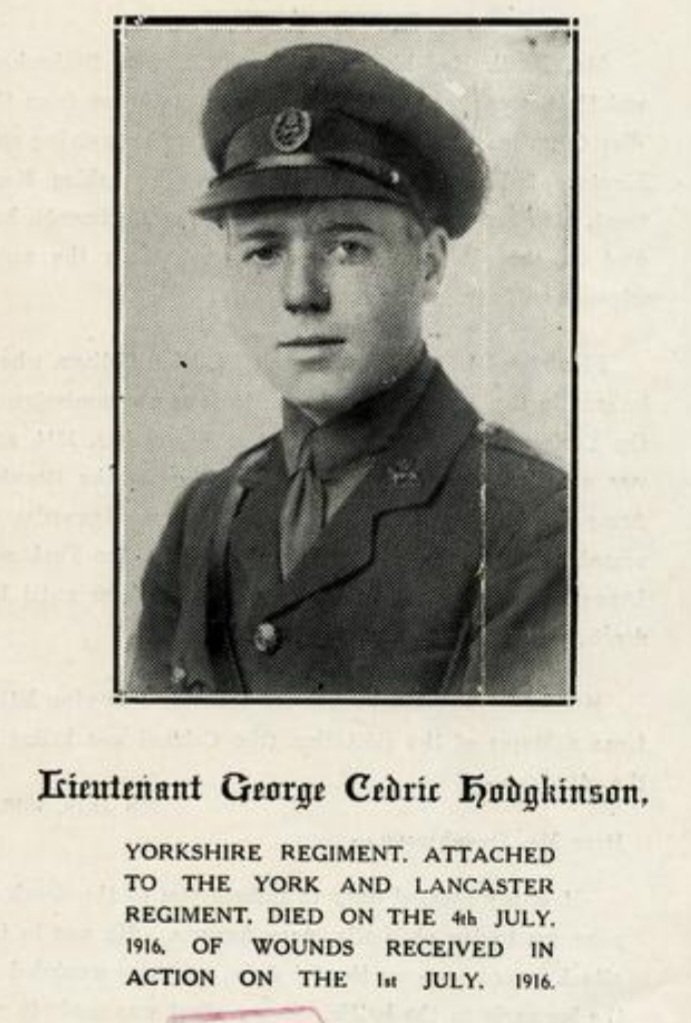
@BElliottAuthor Thanks for the photo, Brian. @Ianlyall9 is correct. Wounded at Nab Valley 1/7/16, one of the less visited yet important 1st July killing fields. He's buried @CWGC Heilly Station Cemetery.
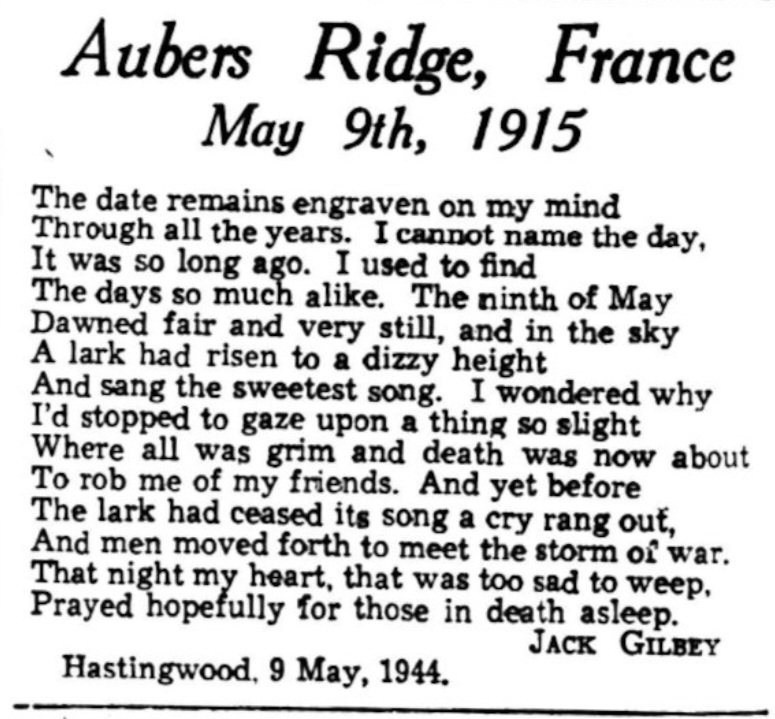
The Battle of Aubers opened #OTD in 1915. It epitomises the British public's perception that #WW1 soldiers were sacrificed needlessly in over-the-top attacks. Jack Newman Gilbey was present with the 2/Welsh Regiment and later penned these sad words about the disastrous day.
@agh57 The solitude of Redan Ridge is special. On every visit since my first in 1993 I've had the place to myself. I find it odd that the place remains largely off the tourist trail. Is it because of access?
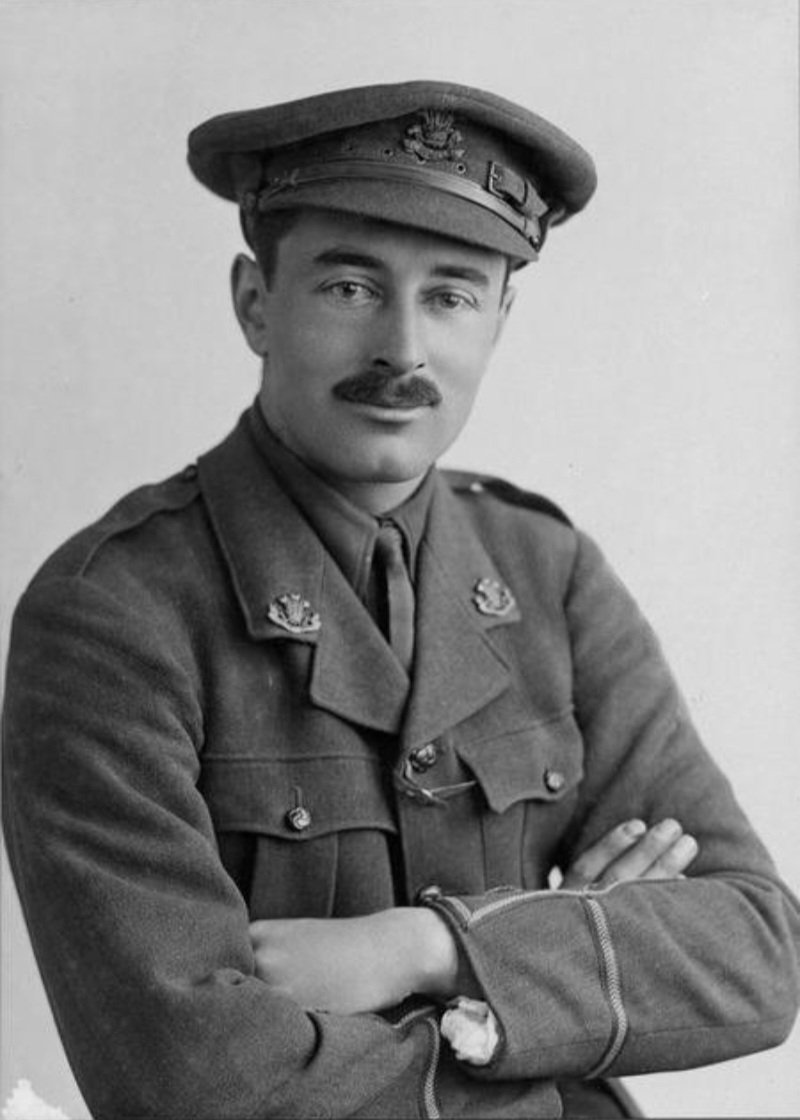
Brigadier General James Riddell was killed in action while commanding the 149th (1st Northumberland) Infantry Brigade. His headstone records that he was killed leading his brigade just five days after arriving on the Western Front.
📍Tyne Cot Cemetery 🇧🇪
More than 350,000 hectares of French forest was cut down to supply the insatiable demands of the First World War - trenches, huts, railways, crates, fuel.
So much timber was exported from Britain that the Forestry Commission was set up in 1919.