Happy birthday to Lucille Ball, born on this day in 1911.
What she accomplished behind the camera after I Love Lucy ended in 1957 is the less appreciated part of her legacy.
With Desi Arnaz, she built Desilu into one of television’s most influential production companies.
In 1962, after buying out his interest, she became the first woman to head a major Hollywood studio. By then, Desilu’s business was primarily television production. While still starring in The Lucy Show, she backed two ambitious, costly series that many at Desilu doubted: Star Trek and Mission: Impossible.
In 1967, she sold Desilu to the parent company of Paramount Pictures. Its studios, television operation, and library became a cornerstone of Paramount Television.
Lucille Ball wasn’t just one of television’s greatest stars. She was also one of the most influential executives in the history of the medium.
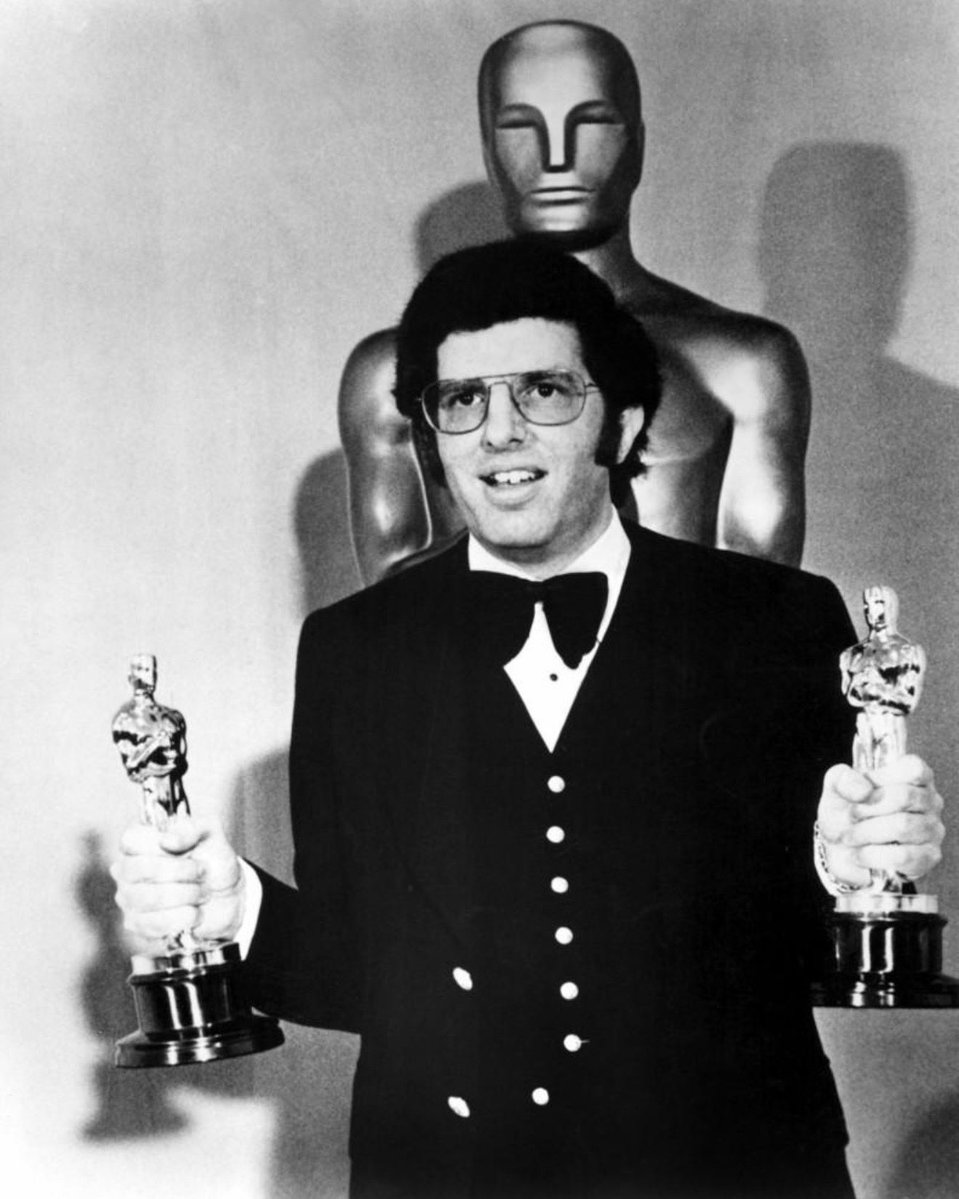
On this day in 2012, Marvin Hamlisch died following a brief illness at just 68. Two days later, Broadway dimmed its lights for one minute, one of the theater’s highest tributes.
Born in Manhattan and raised in Queens, Hamlisch was a child prodigy who entered Juilliard at age 7. As a teenager, he caught the attention of Quincy Jones, who had Lesley Gore record his first hit, “Sunshine, Lollipops and Rainbows.”
From 1973 to 1975, Marvin Hamlisch put together one of the great creative runs in American music. He won three Oscars in one night for The Way We Were and The Sting.
He followed that by winning four Grammys in 1974, including Best New Artist. Then came A Chorus Line, the Pulitzer Prize and Tony-winning musical that turned the audition process itself into one of Broadway’s defining productions.
Hamlisch became one of only two people, alongside Richard Rodgers, to achieve PEGOT status: Pulitzer, Emmy, Grammy, Oscar, and Tony. That remarkable résumé also included co-writing “The Way We Were” and Carly Simon’s “Nobody Does It Better,” two of the defining movie songs of the 1970s.
Anybody who followed the NBA before the internet made sure to read Peter Vecsey’s Hoop du Jour column in the New York Post and catch his reporting on TV. It’s hardly original to say Woj and Shams followed the trail he blazed, because they did. Legend. 🏀✍️
A lesser-known chapter of Johnny Carson’s career is when he was a local TV personality in LA. In 1953, Carson’s Cellar caught the attention of Red Skelton, who hired him as a writer. Carson later filled in for Skelton on-air, helping lead to his own CBS variety show in 1955.
By the time Carson sold this house, that show had come and gone and he had moved to New York to host Who Do You Trust?, where he also teamed up with Ed McMahon. Four years later, Carson took over The Tonight Show with McMahon.
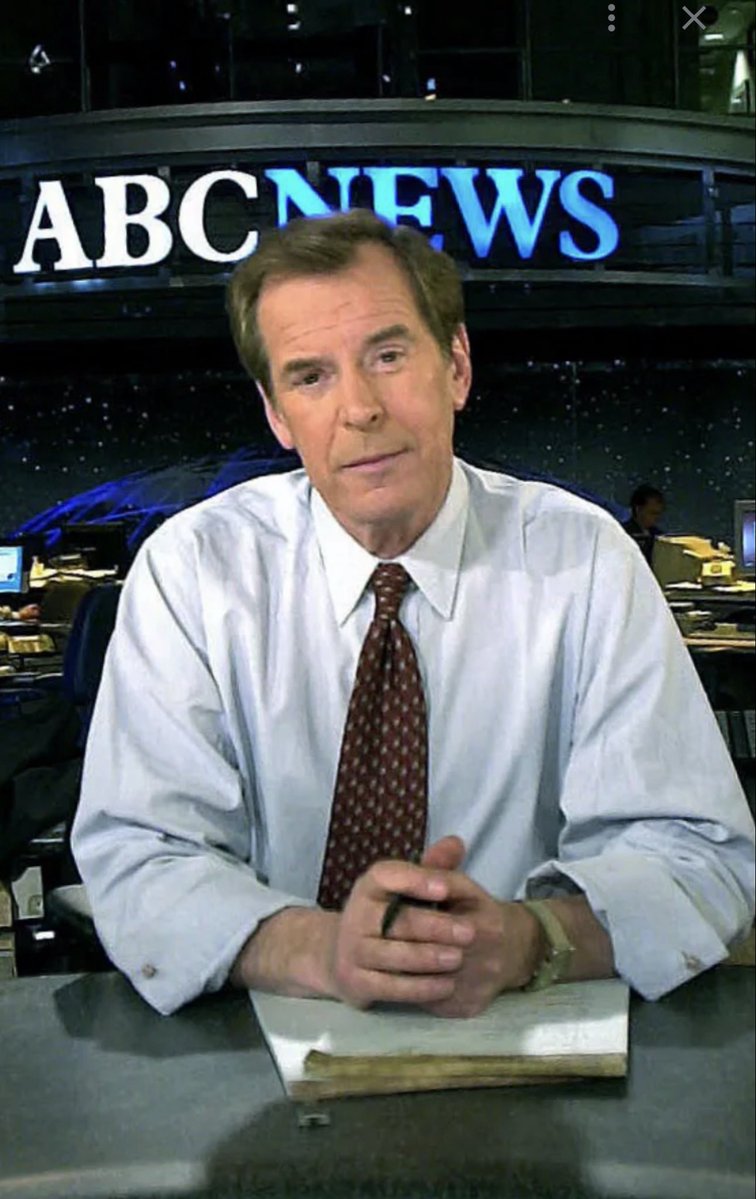
Peter Jennings died on this day in 2005 at 67.
During a week of national mourning and fear after 9/11 (25 years ago next month), he informed and comforted millions of viewers, anchoring more than 60 hours of live ABC News coverage.
In the hours after the attacks, he turned and saw a message that his children had called to say they were okay. He later recalled that was when he “just lost it.”
He collected himself and reminded viewers to reach out to the people they cared about. Stay in touch. Life is precious.
In 1966, Mike Nichols auditioned Dustin Hoffman for the Broadway musical The Apple Tree. Hoffman didn’t get the part, but Nichols remembered him.
When Nichols began casting The Graduate, Hoffman was not the obvious choice. Nearly 30, he looked nothing like the tall, blond WASP Hoffman himself imagined when he read the novel, and he thought he was wrong for the part.
Nichols thought otherwise and gave him the role. The choice became a landmark in Hollywood casting.
Steven Soderbergh later called Nichols’s decision “the seminal event in the defining of motion picture leading men in the last 50 years.”
Happy 89th birthday to Dustin Hoffman.
Few college basketball coaches were more recognizable than the late Jerry Tarkanian, born today in 1930.
Known for chewing on towels and winning big, Tark the Shark took UNLV to four Final Fours and won the 1990 national championship with one of the most dominant teams in college basketball history.
Led by Larry Johnson, Stacey Augmon and Greg Anthony, the Runnin’ Rebels overwhelmed opponents with pressure defense and the fast break. They won 35 games and beat Duke 103-73, still the largest margin of victory in an NCAA men’s championship game.
Tark also spent much of his career battling the NCAA off the court. He believed they disproportionately targeted programs like his while giving more established powers greater leeway. One of those disputes reached the Supreme Court. Years later, the NCAA paid him a $2.5 million settlement.
He was inducted into the Basketball Hall of Fame in 2013.
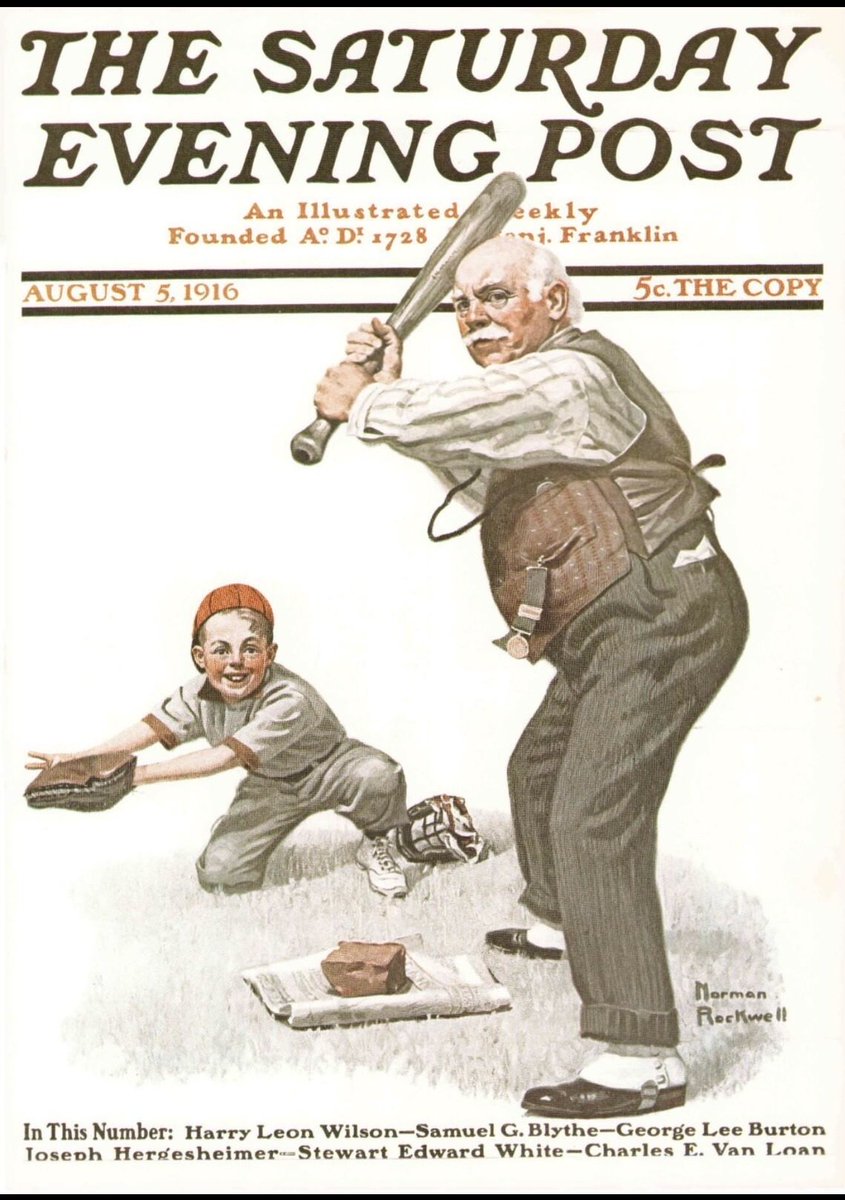
110 years ago this week, Norman Rockwell’s third cover for The Saturday Evening Post, “Gramps at the Plate,” appeared on newsstands.
He was 22 and at the beginning of a relationship with the Post that would last almost 50 years and produce more than 300 covers.
Rockwell covers reached millions of homes, and his paintings of everyday life helped give a shared national culture a visual language.
It’s hard to imagine an illustrator, or a publication, commanding that kind of influence today. There are many more places to look now, which also means far fewer things that almost everyone sees.
It goes without saying that Wilt Chamberlain would be a dominant NBA player and hugely marketable personality today.
What's amazing to me is that even by 1961, it was debatable whether the What's My Line? panel even needed to wear blindfolds to identify the "mystery guest."
Wilt became a national celebrity largely through newspapers and radio before television fully captured the NBA. His 100-point game made headlines across America. There is no video of the performance, but everything else he accomplished over the rest of his career made it entirely believable. That's saying something.
If it’s Friday, it must be Wall Street Week.
For 32 years, Louis Rukeyser hosted the PBS program that was to Wall Street what the Sunday shows were to politics.
A former ABC News economics correspondent and financial columnist, Rukeyser brought on investors, economists and market strategists each week to discuss the markets and what might happen next.
This screenshot is from one of the year-end shows, when Rukeyser put on a tuxedo to look back at the year with his panel. Classy, informative television that managed to be entertaining too.
Andrew Gold would have turned 75 today.
The son of Oscar-winning composer Ernest Gold and singer Marni Nixon, he was a key member of Linda Ronstadt’s band when he wrote “Lonely Boy.”
The song tells the story of a boy born in 1951 who gets a younger sister in 1953. The dates matched Gold’s own life so closely that many listeners assumed it was autobiographical.
Gold said it wasn’t. He insisted he had a happy childhood and simply used the dates because they fit the story.
Released in 1977, Lonely Boy reached No. 7 on Billboard and became the biggest solo hit of his career.
https://t.co/JSP54JdvAa
Today in 1961, North Carolina elevated 30-year-old assistant Dean Smith to head coach after recruiting violations forced Frank McGuire’s departure.
Smith had never been a head coach and inherited a program facing NCAA sanctions. Chancellor William Aycock told him that as long as he didn’t embarrass the university, his job was secure.
His first season ended 8-9, the only losing record of his career.
Over the next 36 years, he won 879 games, 13 ACC Tournament titles, reached 11 Final Fours and won two national championships, the first when freshman Michael Jordan hit the game-winning shot against Georgetown.
Smith popularized the Four Corners offense, but many who knew him said his greatest legacy was how he treated people.
That reputation lasted until the end. Shortly after his death in 2015, every player he coached at UNC received a $200 check with a simple instruction: “Enjoy a dinner out compliments of Coach Dean Smith.”
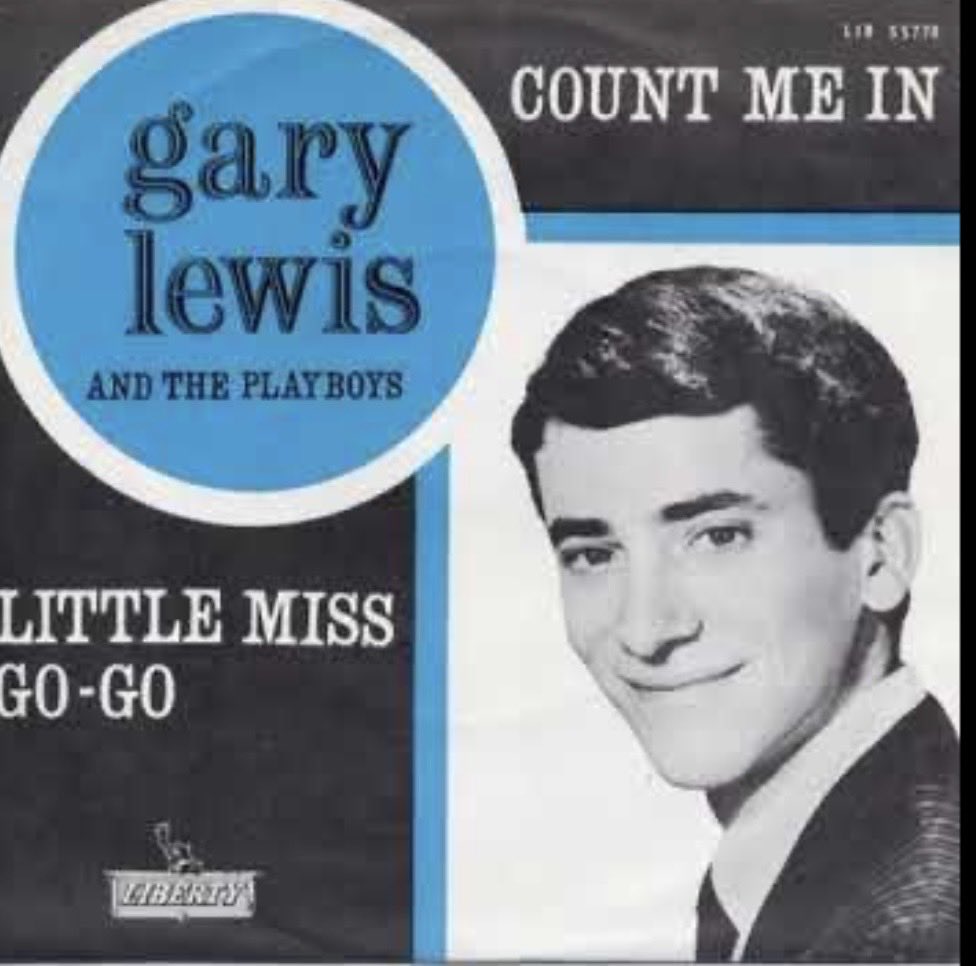
Happy 81st birthday to Gary Lewis.
The son of comedy legend Jerry Lewis, he became one of America’s biggest pop stars during the height of the British Invasion.
Gary Lewis & the Playboys enjoyed a remarkable string of hits with This Diamond Ring, Count Me In, Save Your Heart for Me, Everybody Loves a Clown, She’s Just My Style, Sure Gonna Miss Her, Green Grass and Sealed with a Kiss.
Between 1965 and 1968, few American recording artists enjoyed greater consistency on the charts.
Gary Lewis may have inherited a famous name, but he earned his place in pop music history.
Happy 45th birthday to MTV.
In its early days, many cable companies refused to carry the channel. So MTV co-founder Tom Freston came up with the “I Want My MTV” campaign, recruiting rock stars to urge fans to demand it from their local cable providers.
To land David Bowie, Freston flew to the Swiss Alps, where the singer was on a ski vacation. Bowie skied down the slope, stopped, removed his sunglasses, looked into the camera and said, “I want my MTV.”
That’s what promotion looked like in 1981. To get 15 seconds of video, you hired a crew, crossed the Atlantic and hoped a rock star would give you a few minutes. Today, one person could shoot the whole thing on a phone before lunch.
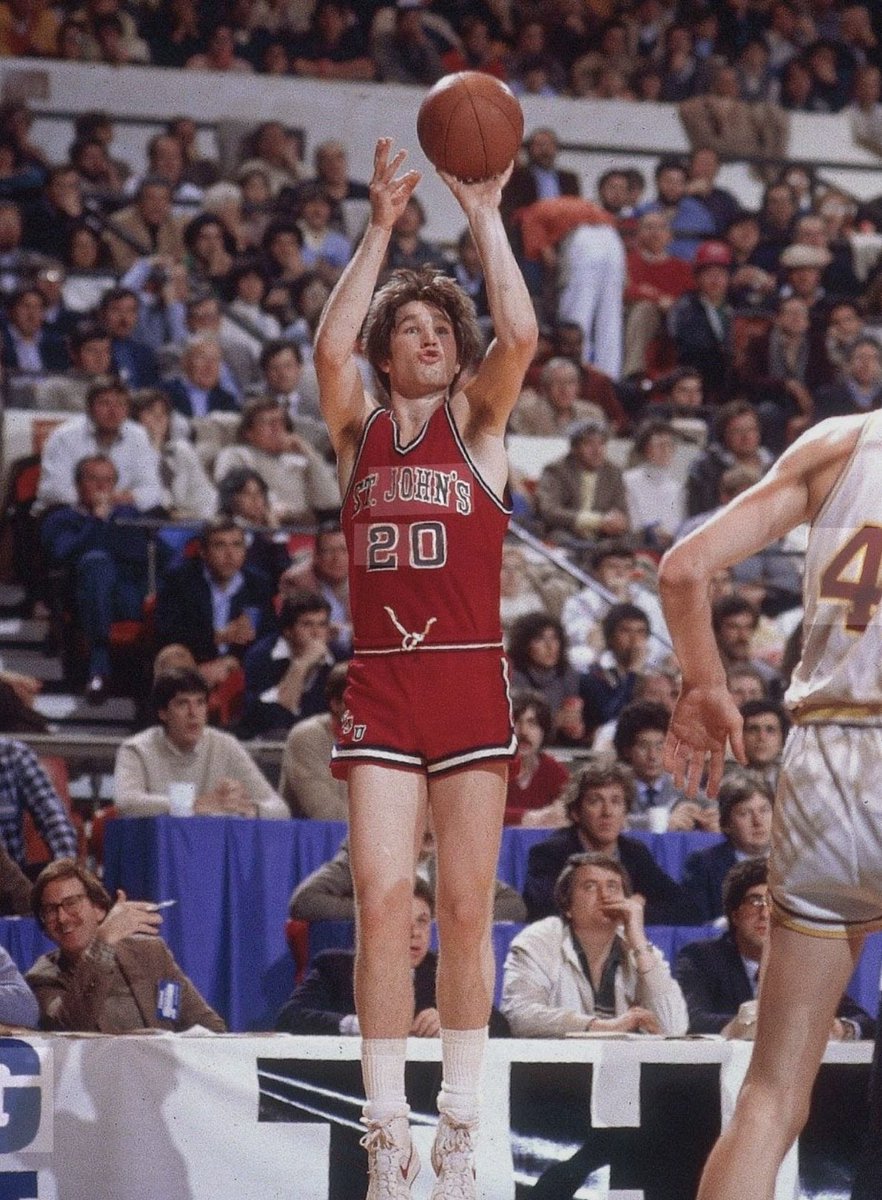
Happy 63rd birthday to New York City basketball and NBA legend Chris Mullin.
The Brooklyn-bred Xaverian High School product grew up studying Clyde Frazier, Earl Monroe and John Havlicek, later wearing Havlicek’s No. 17 with the Warriors.
At St. John’s, he won three Big East Player of the Year awards, led the Johnnies to the 1985 Final Four, and that same year won the Wooden Award as the nation’s best player.
As a pro, he was a five-time NBA All-Star, won Olympic gold with the original 1992 Dream Team, and was inducted into the Basketball Hall of Fame in 2011.
Lou Carnesecca once said of him:
“Chris has a great feel for the game… That’s why he can make it look easy. I watch him and I see Joe DiMaggio playing center field.”
Looie may have gotten a little carried away with the DiMaggio comparison, but Mullin remains one of the greatest ballplayers to come out of New York and quite possibly the purest shooter the city has ever produced.
Jack Paar’s Tonight Show premiered today in 1957.
No television host did more to shape the late-night format Johnny Carson would perfect and later generations of hosts would inherit.
Unlike Steve Allen’s more variety-heavy mix of sketches and stunts, Paar made conversation and the host’s personality itself the heart of the show.
He was openly sentimental, thin-skinned, and unpredictable. His signature phrase, “I kid you not,” became a national catchphrase.
Paar’s defining moment came in 1960, when NBC cut a harmless “water closet” joke without telling him. The following night he explained what had happened, declared, “There must be a better way of making a living than this,” and walked off the set live, leaving Hugh Downs to finish the broadcast.
Three weeks later, he returned with one of television’s greatest opening lines:
“As I was saying before I was interrupted…”
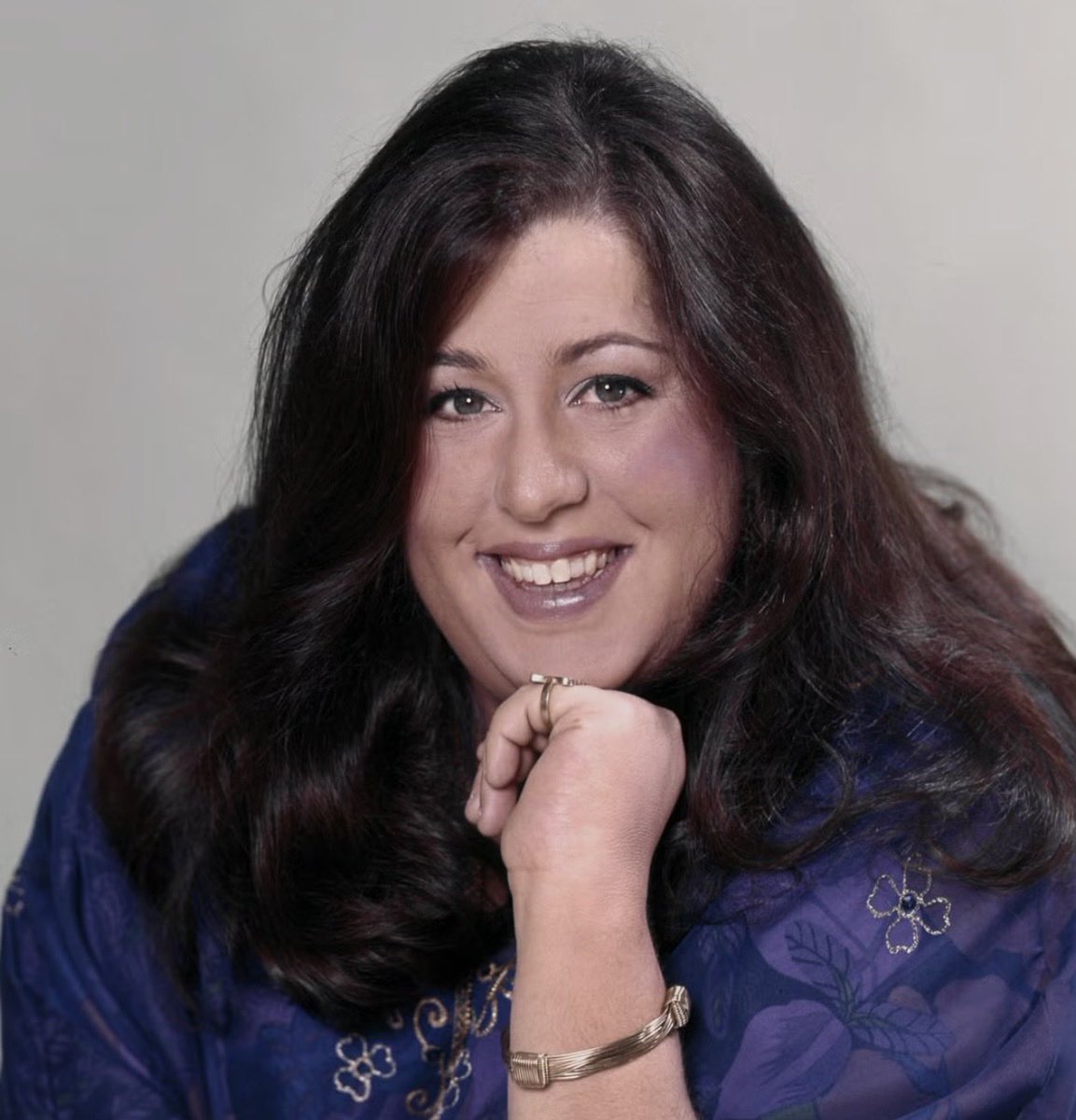
On this day in 1974, Cass Elliott, known to millions as Mama Cass, died at just 32.
One of the great voices of her generation, she had already established herself beyond The Mamas & the Papas. Fresh off a triumphant, sold-out run at the London Palladium, she appeared to be entering a promising new chapter in her solo career.
Today, too many people remember her for one of pop culture’s most persistent and unfortunate myths.
Cass Elliott did not choke to death on a ham sandwich. The medical examiner concluded she died of heart failure.
Remember her for the voice, not the myth.
Happy birthday to Peter Jennings, who would have turned 88 today.
Though he became one of television’s most respected and worldly journalists, he had little formal education, dropping out of high school in Canada after the tenth grade.
A decade later, his greatest professional failure became his greatest education.
At 26 in 1965, Jennings became ABC’s evening news anchor, the youngest person ever to anchor a network evening newscast. It didn’t work.
His Canadian pronunciations and limited knowledge of American history and culture held him back. He later called it his “great failure,” admitting, “I was simply unqualified.”
He left that desk and became a foreign correspondent.
He covered the Middle East, Vietnam, Europe, Africa and helped establish the ABC News Beirut bureau, the first American television news bureau in the Arab world.
By the time he returned as sole anchor of World News Tonight in 1983, he had more than earned the job.
Happy 85th birthday to Darlene Love.
Few vocalists shaped the sound of 1960s pop while receiving so little credit at the time. She sang lead on “He’s a Rebel” and “He’s Sure the Boy I Love” (both credited to The Crystals) and became one of the era’s most in-demand session singers.
“Christmas (Baby Please Come Home)” wasn’t a hit when it first appeared on the album released the day JFK was assassinated, but it gradually became one of the defining Christmas songs of the rock era, helped by Love’s annual performances on Late Show with David Letterman.
The documentary 20 Feet from Stardom, about the backup singers who helped define popular music, is worth watching for Darlene Love’s story alone.