💵💵💵💲 CEO pay sky rockets 🚀 at Constellation after Lori Lightfoot gives Comed an additional $40+ million a year for Solar ☀️ electric ��� #Chicago is in a Death 💀 ☠️ Spiral ✅ @chicagomayorjon
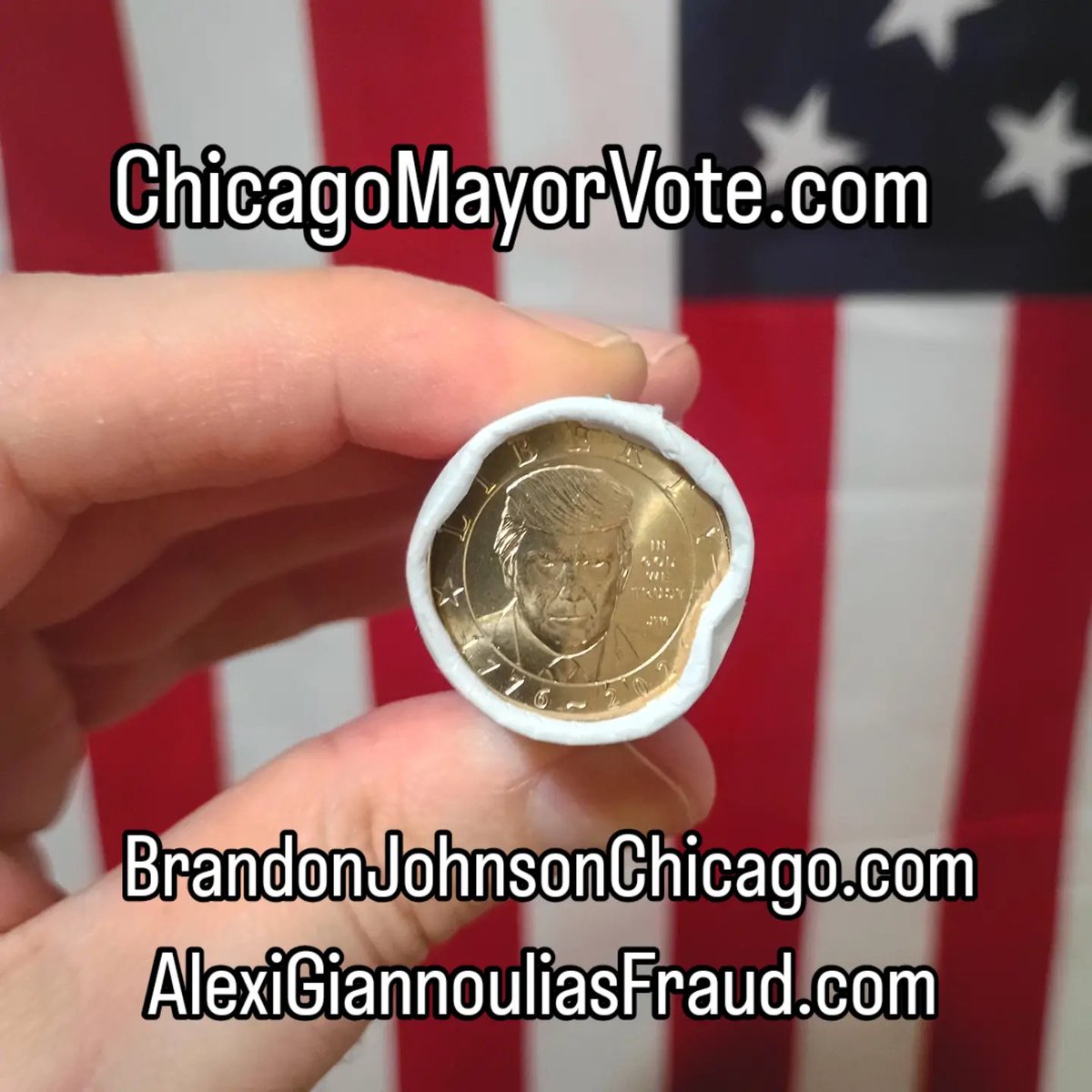
2.23.27 #Chicago Votes Mayor Kitover 🗳️🇺🇸🦅🗽 Liberate Chicago from the Thief & Liar Brandon Johnson. Do not 🚫 Vote Alexi G the Killer of Katie & Chloe by giving Julio Cucu a DL 🪪 Susan Mendoza 🇮🇹 is a Woke Liberal Sanctuary City Vaccine Fraudster & Liar. Only Mayor John Kitover can Liberate Chicago for Chicagoans. Visit https://t.co/XhBEiZdDzx & https://t.co/mJNe1tQK01 @Grok Summarize & Provide Analysis ✅
• Candidates for city office must say “I approve this message” in writing or aloud in campaign ads
• Reinforces ban on using city property (uniforms, badges, seals) in electioneering
• Bars political committees from coercing or intimidating city employees for support
• Closes loophole so successor committees pay unpaid ethics fines
• Extends gift/political activity rules to City Council contractors
• Omits proposed limits on donations from executives of city vendors due to pushback
• Sponsored by Ald. Matt Martin; applies to future elections, not Nov. 2026
https://t.co/sQXqBqtN9S
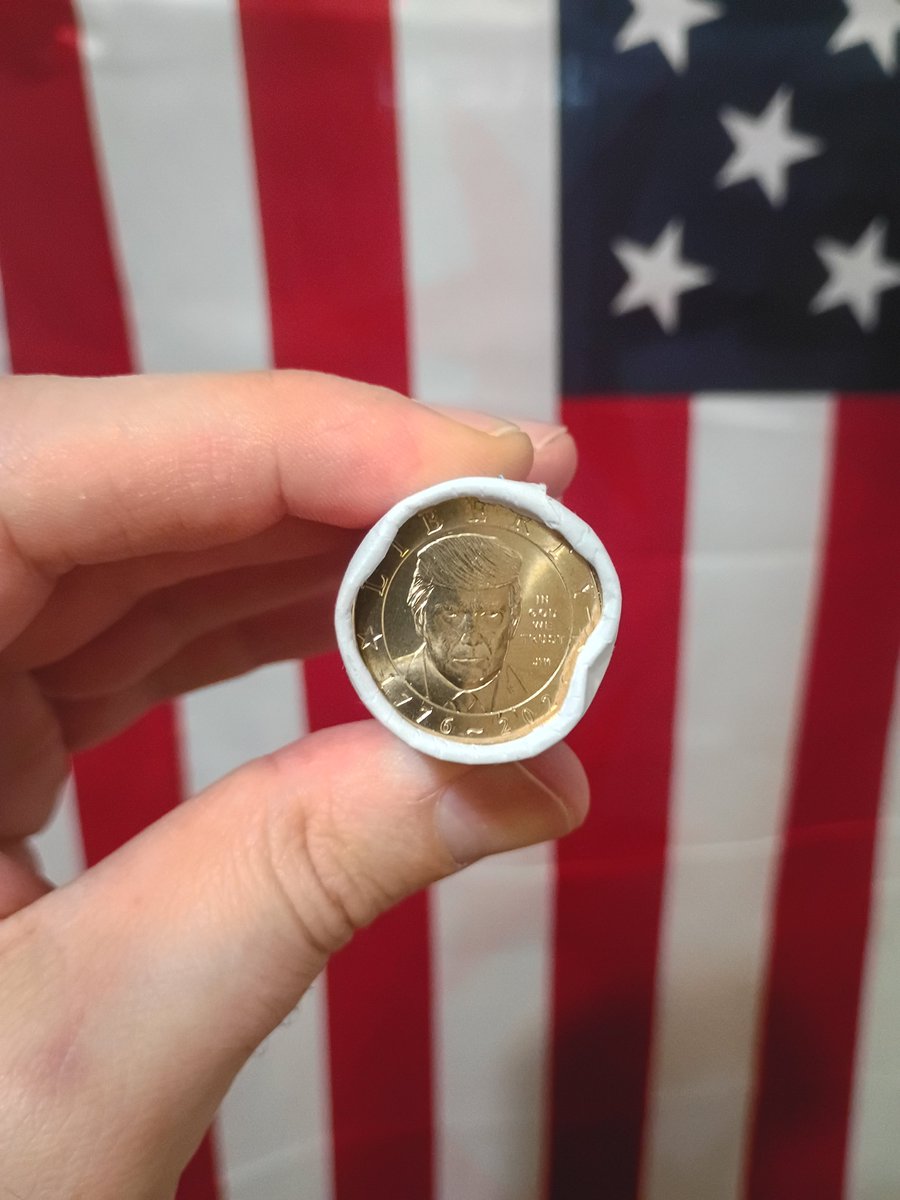
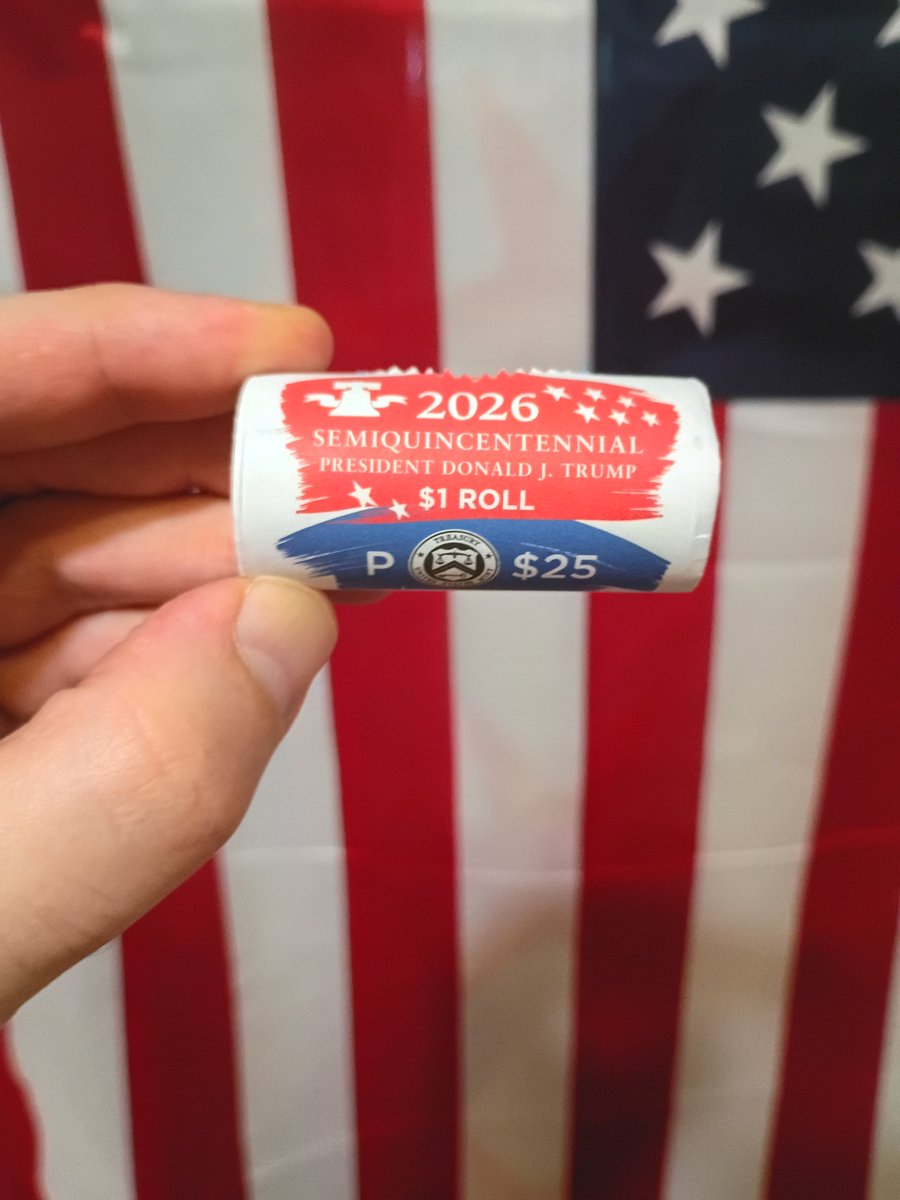
The United States Mint began selling and circulating a gold-colored $1 coin featuring President Donald Trump on September 2, 2026, as part of the nation’s Semiquincentennial commemoration of 250 years since 1776. The obverse, designed by Chief Engraver Joseph Menna from an official White House portrait, shows Trump in a suit and tie with the inscriptions “LIBERTY,” “IN GOD WE TRUST,” and the dual dates “1776 ~ 2026.” The reverse, based on a Frank Gasparro rendering of the presidential seal, includes an eagle with olive branch and arrows and the numeral “250” on the shield. The coins are Philadelphia-struck, lack a mint mark, have a plain edge, and use the same manganese-brass cladding as other modern “golden” dollars. They are legal tender. The Mint sells them at a premium—$61 for a 25-coin roll and $154.50 for a 100-coin bag—and randomly mixed 250,000 pieces struck on July 4 with a special privy mark.
Usmint
The issue is unusual because American coinage long avoided living rulers. The Coinage Act of 1792 required designs “emblematic of liberty” and, on gold and silver, an eagle—an explicit break from European monarchs on money. For more than a century, Liberty personified the nation. That tradition cracked in 1909, when the Lincoln cent became the first circulating coin to portray a president, marking the centennial of Lincoln’s birth. Washington followed on the quarter in 1932, Jefferson on the nickel in 1938, Roosevelt on the dime in 1946, and Kennedy on the half dollar in 1964, months after his assassination. By then, presidents occupied every regular circulating denomination except the dollar.
Usmint
Dollar coins themselves have a stop-start history. The first U.S. dollars of the 1790s featured Liberty. After the Peace dollar ended in 1935, no circulating dollar coin appeared until the Eisenhower dollar of 1971–78, the first to honor a president. Bicentennial reverses marked 1976. The smaller Susan B. Anthony dollar (1979–81, revived 1999) failed in commerce because it was easily confused with the quarter. The Sacagawea “golden dollar” of 2000 and the subsequent Native American and American Innovation series kept the golden look but still saw limited everyday use. Congress tried again with the Presidential $1 Coin Act of 2005, which authorized four deceased presidents a year from 2007 through 2016, in order of service, with a two-year waiting period after death. Circulating production was suspended in 2011 after inventories piled up; collector issues continued, and a separate 2020 coin honored George H. W. Bush after his death. Living presidents were barred from that series.
Congress
The Trump dollar rests on different authority: the Circulating Collectible Coin Redesign Act of 2020, which Trump signed and which lets the Treasury secretary issue a one-year $1 coin in 2026 with designs “emblematic of the United States semiquincentennial.” Treasury lawyers concluded that language permitted a sitting president’s portrait. Critics cited an 1866 statute against living persons on currency notes and securities, plus the spirit of the presidential-dollar rules. Supporters noted that Calvin Coolidge had appeared, while in office, on the 1926 Sesquicentennial commemorative half dollar—the only earlier living president on a U.S. coin. The new piece is therefore both a continuation of anniversary coinage and a sharp departure from the deceased-only custom that has governed circulating portraits since Lincoln. Whether it circulates widely or remains a collector item, it joins a long American pattern: new coins mark national milestones, and the faces on those coins record what the country chooses to honor at a given moment.
The United States Mint began selling and circulating a gold-colored $1 coin featuring President Donald Trump on September 2, 2026, as part of the nation’s Semiquincentennial commemoration of 250 years since 1776. The obverse, designed by Chief Engraver Joseph Menna from an official White House portrait, shows Trump in a suit and tie with the inscriptions “LIBERTY,” “IN GOD WE TRUST,” and the dual dates “1776 ~ 2026.” The reverse, based on a Frank Gasparro rendering of the presidential seal, includes an eagle with olive branch and arrows and the numeral “250” on the shield. The coins are Philadelphia-struck, lack a mint mark, have a plain edge, and use the same manganese-brass cladding as other modern “golden” dollars. They are legal tender. The Mint sells them at a premium—$61 for a 25-coin roll and $154.50 for a 100-coin bag—and randomly mixed 250,000 pieces struck on July 4 with a special privy mark.
Usmint
The issue is unusual because American coinage long avoided living rulers. The Coinage Act of 1792 required designs “emblematic of liberty” and, on gold and silver, an eagle—an explicit break from European monarchs on money. For more than a century, Liberty personified the nation. That tradition cracked in 1909, when the Lincoln cent became the first circulating coin to portray a president, marking the centennial of Lincoln’s birth. Washington followed on the quarter in 1932, Jefferson on the nickel in 1938, Roosevelt on the dime in 1946, and Kennedy on the half dollar in 1964, months after his assassination. By then, presidents occupied every regular circulating denomination except the dollar.
Usmint
Dollar coins themselves have a stop-start history. The first U.S. dollars of the 1790s featured Liberty. After the Peace dollar ended in 1935, no circulating dollar coin appeared until the Eisenhower dollar of 1971–78, the first to honor a president. Bicentennial reverses marked 1976. The smaller Susan B. Anthony dollar (1979–81, revived 1999) failed in commerce because it was easily confused with the quarter. The Sacagawea “golden dollar” of 2000 and the subsequent Native American and American Innovation series kept the golden look but still saw limited everyday use. Congress tried again with the Presidential $1 Coin Act of 2005, which authorized four deceased presidents a year from 2007 through 2016, in order of service, with a two-year waiting period after death. Circulating production was suspended in 2011 after inventories piled up; collector issues continued, and a separate 2020 coin honored George H. W. Bush after his death. Living presidents were barred from that series.
Congress
The Trump dollar rests on different authority: the Circulating Collectible Coin Redesign Act of 2020, which Trump signed and which lets the Treasury secretary issue a one-year $1 coin in 2026 with designs “emblematic of the United States semiquincentennial.” Treasury lawyers concluded that language permitted a sitting president’s portrait. Critics cited an 1866 statute against living persons on currency notes and securities, plus the spirit of the presidential-dollar rules. Supporters noted that Calvin Coolidge had appeared, while in office, on the 1926 Sesquicentennial commemorative half dollar—the only earlier living president on a U.S. coin. The new piece is therefore both a continuation of anniversary coinage and a sharp departure from the deceased-only custom that has governed circulating portraits since Lincoln. Whether it circulates widely or remains a collector item, it joins a long American pattern: new coins mark national milestones, and the faces on those coins record what the country chooses to honor at a given moment.