I am a Lovecraft scholar & a scholar of science fiction & fantasy literature. Please go to my website for full information about my books & upcoming projects.
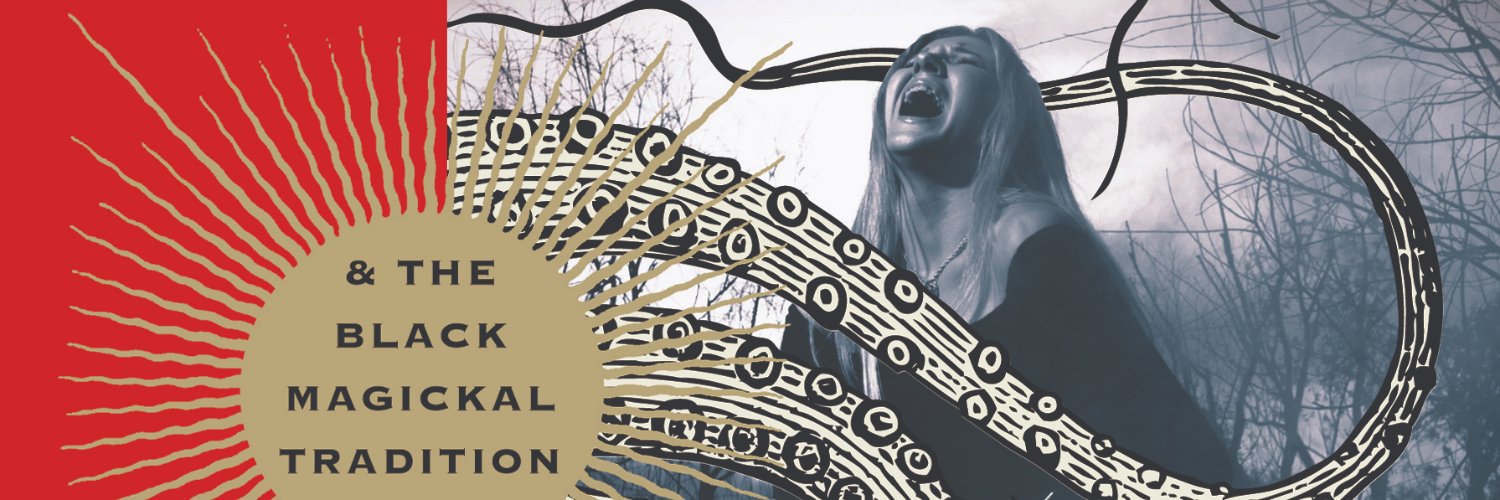
Lovecraft makes use of his miscegenation narrative in some of his most popular tales: “The Lurking Fear,” “The Rats in the Walls” and one of his greatest tales: “The Shadow Over Innsmouth”! Check out my book for analysis of this!
https://t.co/QaYNbeuJkg
Lovecraft makes extensive use of racist images in his fiction. Check out my book for analysis of how Lovecraft uses these images in some of his most popular tales: “Arthur Jermyn,” “Herbert West—Reanimator,” and “The Horror at Red Hook”!
https://t.co/QaYNbeuJkg
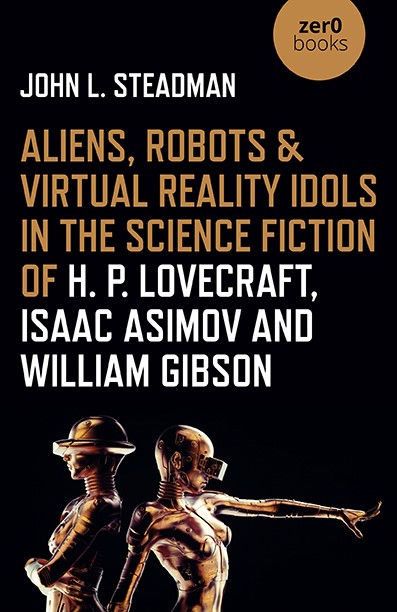
Please check out my second book! You can get it in book stores, and on Amazon and other online sites throughout the US and the world. https://t.co/zqqQ8nx5c5
Lovecraft scholar Jeffrey Andrew Weinstock poses the question: “How should we read—and teach—racist texts?” After reading Horror as Racism in H. P. Lovecraft, the reader should be in a better position to answer this question
https://t.co/yIgUC1JqFw
JLS
My newest book, Horror as Racism in H. P. Lovecraft: White Fragility in the Weird Tales, studies Lovecraft's racism and examines how twisted and passionate Lovecraft really was in his life and work. Please check it out! https://t.co/yIgUC1JqFw
Greetings!
There is a Qabalah of 2 dimensions; this is the gnosis of Aleister Crowley. There is a Qabalah of 3 dimensions; this is the gnosis of Kenneth Grant. There is the 4th dimension; there is no Qabalah or gnosis for the fourth dimension. This is Lovecraft country
JLS
It is a New Year and I hope that all of you will develop resolutions and then put them into practice and be happy and productive! Please check out my new book, Horror as Racism in H. P. Lovecraft: White Fragility in the Weird Tales!
https://t.co/yIgUC1JYv4
It's December and I hope all of you will check out my three books! They make great Christmas gifts! Seriously, what will put you more in the spirit of the season than to read about the Great Old Ones, human infinitesimality and the bondage of space-time?!
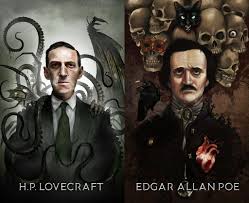
Now, it is November, the last of the autumn months. It is time to read the great writers of late autumn and winter: H. P. Lovecraft and Edgar Allan Poe. In both visionary writers, there is a fear and a terror of cosmic will and of the predicaments of the soul.
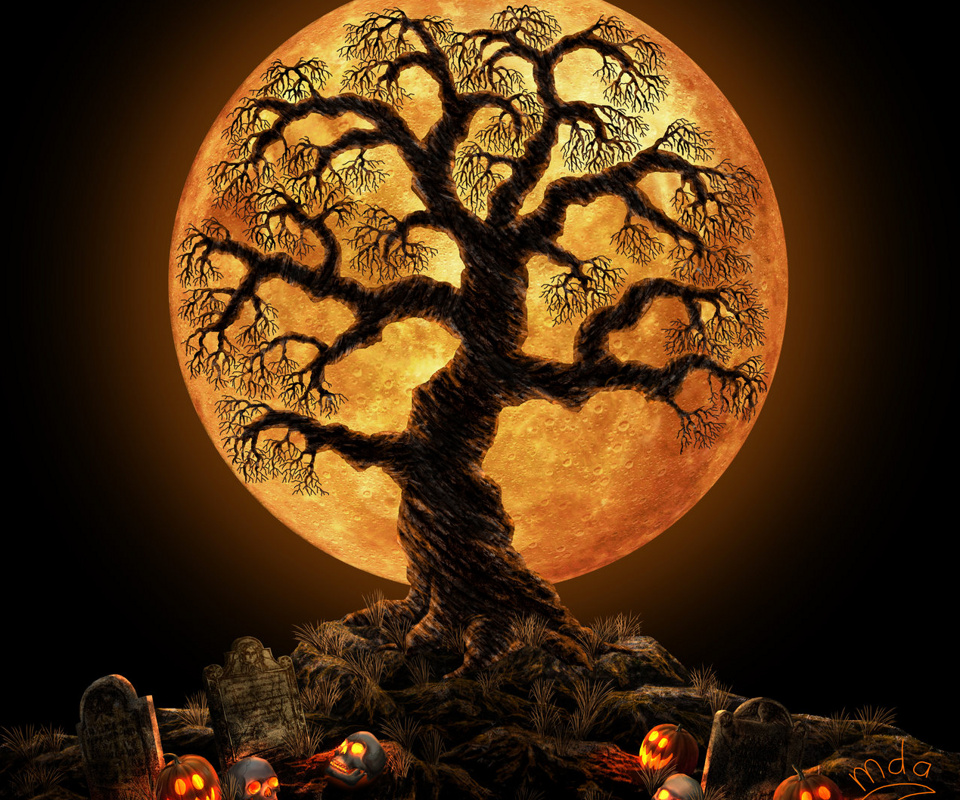
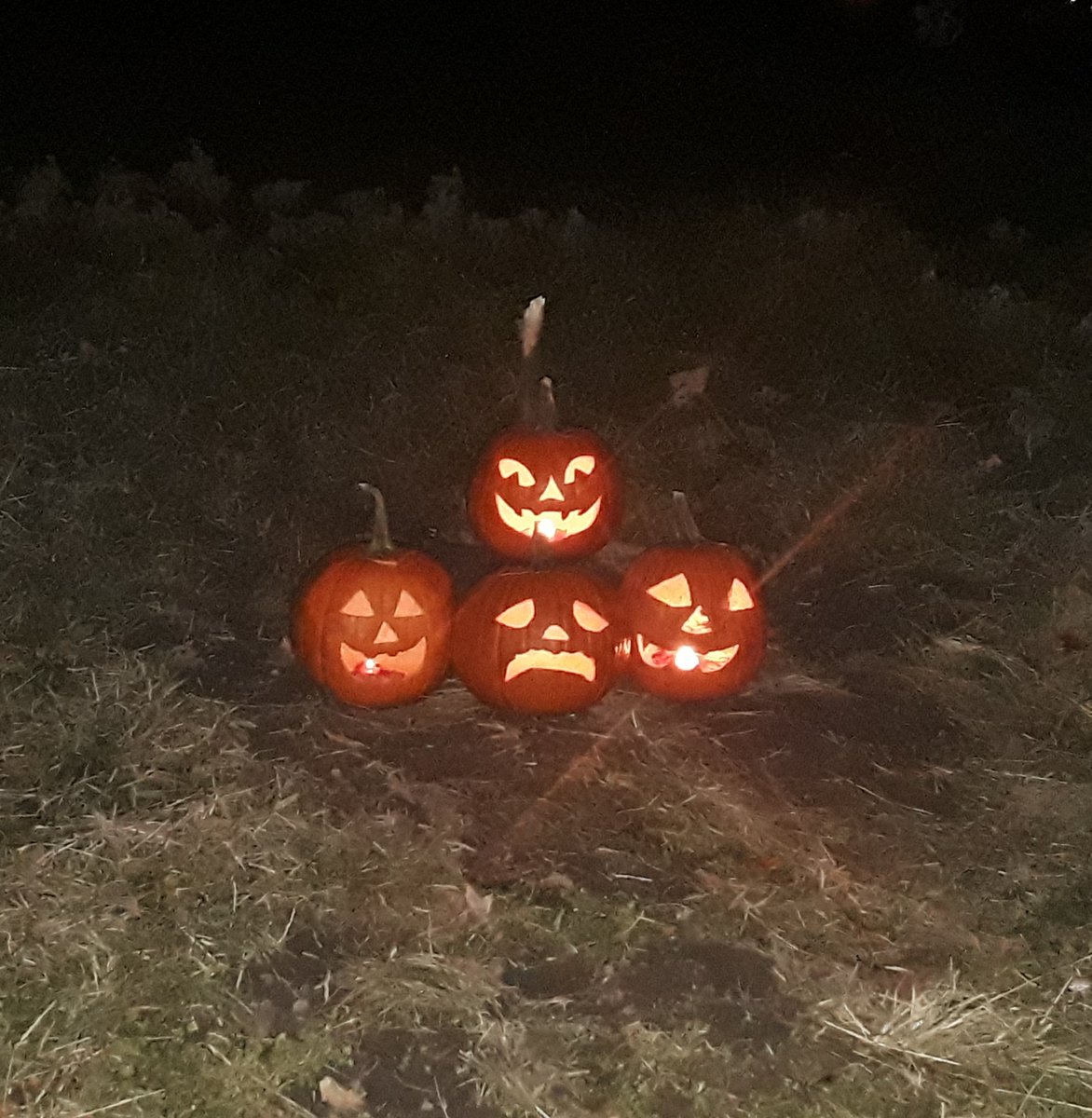
On the last week of October, let's sum up what we have learned during the past month. Halloween is not about death; the candles in the jack o' lantern symbolize life. And so, as the harvest ends, leave sadness and emptiness behind and move forward into the future
Edgar Allan Poe, in his poem “Ulalume,” pictures the narrator journeying through a dark forest at midnight. He ends up at the tomb of his beloved, the Lady Ulalume, tricked by the woodland ghouls into a confrontation with Death. This is the ultimate Halloween trick or treat!
H. P. Lovecraft, in his poem “October,” speaks of the "farther lands." But he didn't really believe in them. I do, however—lands of beauty and promise where we can, if we have enough love, hope and faith, make all of our dreams come true.
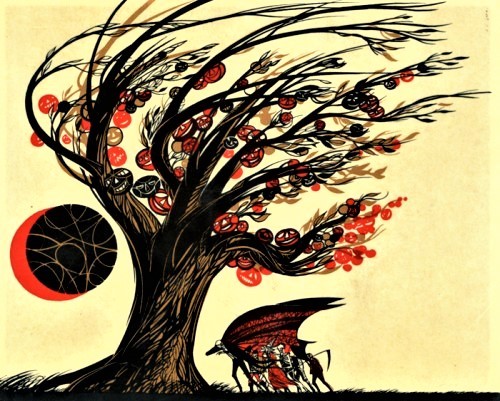
Ray Bradbury in The Halloween Tree describes Halloween in words filled with death: cold wind, velvet cerements, funeral plumes. But Halloween is not about death. The candle burning in the jack o’ lantern celebrates life and the everlasting life to come after death.
Ray Bradbury warns us against the autumn people, whom he claims are soulless, evil things that ensnare humans. But Bradbury is wrong about that. For there are autumn people who have souls and are not evil; they celebrate the death of the year and the renewal that follows.
Washington Irving wrote a classic autumn tale, “The Legend of Sleepy Hollow.” Icabod Crane is spirited away to hell by the Headless Horseman and later, people hear his ghost singing at twilight among the “tranquil solitudes." Check out this tale-it's perfect for autumn!
Nathaniel Hawthorne, in "Young Goodman Brown,” describes Brown's attendance at a Witches Sabbath in colonial New England. Brown is traumatized into believing that evil is more powerful than good; that evil is the nature of humankind. Check it out; it's perfect for autumn!
It is September, the first month of autumn—my favorite season! John Keats, the English poet, wrote a poem “To Autumn” where he celebrates the season. The last stanza takes us up into the empty skies past the beauty of red, yellow and orange leaves to death and nothingness.