Healthy aging doesn't require a complete lifestyle overhaul. Often, the biggest gains come from the smallest habits. Adding a spoonful of seeds to meals is an easy way to boost fiber, healthy fats, plant protein, and minerals that support your heart, brain, gut, and longevity.
I am going to tell you about the single strongest predictor of heart attack that your doctor has probably never mentioned.
It is not LDL. It is not ApoB. It is not total cholesterol.
It is the ratio of your triglycerides to your HDL.
In 1997, Gaziano published in Circulation that this one ratio predicted a 16 fold increase in myocardial infarction in patients with no prior history of heart disease. Sixteen fold. No other lipid marker comes close (Gaziano, Circulation 1997).
So why has your doctor never brought it up? Because there is no drug to sell you.
Walnuts may improve artery function, specifically the ability of our arteries to relax and open normally. Why should we care about our artery function? For heart disease prevention. https://t.co/ZZ83axrRGP
Saunas won’t detox microplastics from your body
There is no established mechanism for plastic particles in the bloodstream to escape through your sweat glands
Once microplastics enter circulation, they’re difficult to remove, making it more practical to prevent their absorption
One of the best defenses is fiber
Soluble fibers like psyllium husk and β-glucans form a viscous gel that can limit absorption, while insoluble fiber helps move plastic particles through the gut before they can enter circulation
In a new study researchers found that healthy vitamin D levels in midlife are linked to reduced levels of toxic tau protein deposits – a known Alzheimer's biomarker – when people grow older.
https://t.co/7mIoNiDmIL
Curcumin may be one of the most powerful naturally occurring dietary compounds for lowering age-related inflammation
Human studies show it can significantly reduce TNF-alpha, a major inflammatory cytokine that helps drive epigenetic and biological aging
Because elevated TNF-alpha is linked to faster biological aging, lowering it may be one way curcumin supports healthier aging
The phytosomal form is preferred because standard curcumin is rapidly broken down by the liver, while phytosomal delivery makes it far more bioavailable
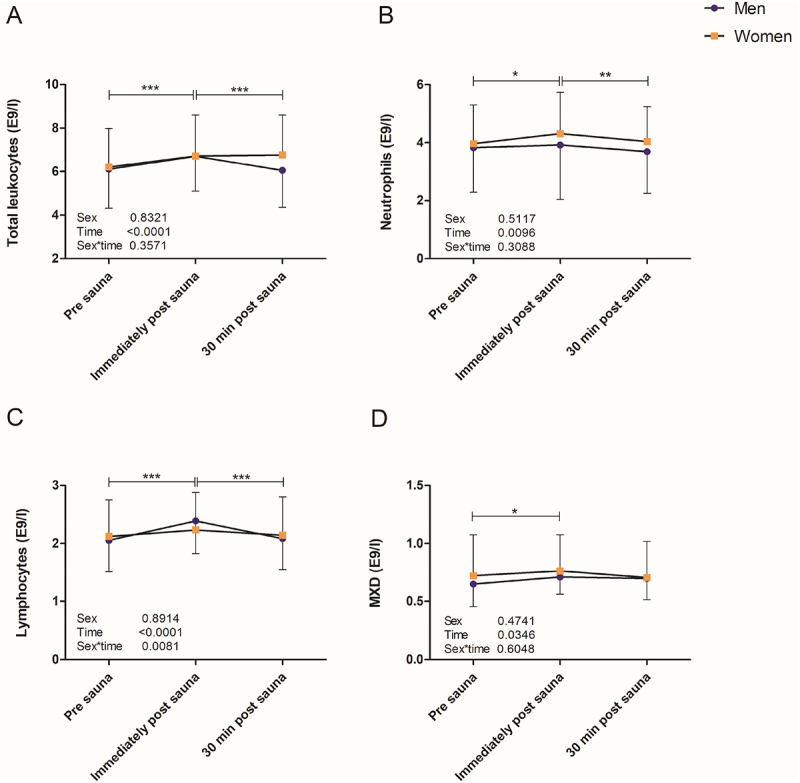
Regular sauna users appear to develop fewer respiratory illnesses.
A new study offers a clue as to why.
After a single 30-minute sauna, several white blood cell populations, including neutrophils and lymphocytes, moved into circulation, and the response was similar regardless of participants’ usual sauna habits.
One session cannot establish a long-term immune benefit. But in a long-running Finnish study, men using a sauna two to three times weekly had a 27 percent lower risk of pneumonia, asthma, or chronic obstructive pulmonary disease. Among those using one at least four times weekly, the risk was 41 percent lower. A small controlled trial also found roughly half as many common colds among regular sauna users during the final three months of a six-month study.
This all suggests that repeated heat exposure may promote immune resilience by briefly mobilizing immune cells while supporting a less inflammatory resting environment over time.
✨Magnesium isn’t one-size-fits-all, especially for the brain.
In a randomized study, a form called magnesium L-threonate, known to cross the blood–brain barrier, improved deep and REM sleep over just three weeks.
There were other perks too. Participants woke up more alert, less irritable, and more productive.
This matters because poor sleep and low brain magnesium feed a vicious cycle:
Less restorative sleep → more stress and irritability → even worse sleep the next night. 🌙💤
Not all magnesium is equal. Oxide, citrate, and even glycinate work well for muscles and constipation.
L-threonate is the designed to get into the brain where sleep architecture is regulated.
If your sleep feels shallow or you wake up unrested despite “taking magnesium,” the form might be the missing piece.
I also find that magnesium glycinate helps with sleep, as they glycine component helps with relaxation.
Have you tried different magnesium types for sleep—and did any actually change how you feel the next day?
#insomnia
⚡ Slept all night but still wake up tired? While you sleep, your body repairs DNA, regenerates tissues, and restores your gut. Those processes require energy.
Polyphenols and omega-3s help regulate inflammation. Here's where to find them. 👇
#Energy#GutHealth#FoodAsMedicine
Fiber may be one of the most important nutrients for both immune regulation and colon cancer prevention
When gut bacteria ferment fiber, they produce short-chain fatty acids like butyrate that act as signaling molecules throughout the body
These signals can promote regulatory T cells that help prevent inappropriate immune attacks and cytotoxic T lymphocytes that recognize and kill cancer cells
The target is ~14 grams of fiber per 1,000 calories, or roughly 25–30 grams per day (an intake most Americans fall well short of)
The goal isn’t to chase endless supplements. The goal is to restore foundational minerals your body actually needs to thrive.
Addressing magnesium deficiencies protects long-term health.
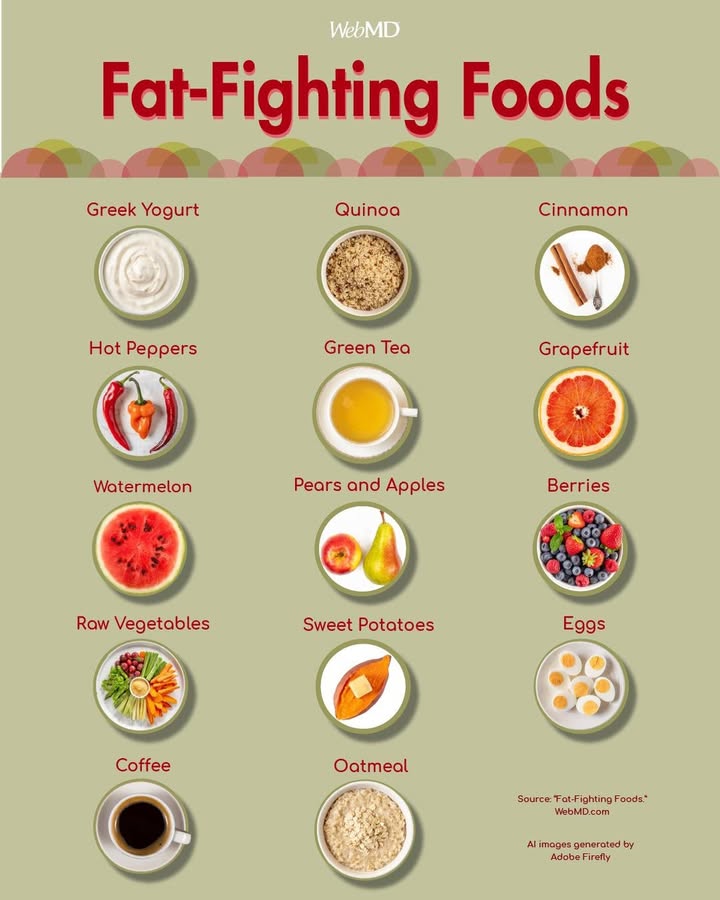
One egg has only 75 calories, plus 7 grams of protein along with other vital nutrients. Remember, your body will burn more calories digesting eggs than a carb-heavy breakfast. And the good news is that eggs are no longer on the "no-list" for people concerned about high cholesterol. It's saturated fat not dietary cholesterol we need to be wary of. Click on the link to read in details about other fat-fighting foods along with surprising facts about how they may work. https://t.co/C85eEAsDYr
Liver tissue carries no pain fibers. Only the capsule around it does, which is why scarring accumulates for years in silence and cirrhosis tends to announce itself late, once a good deal of the organ is already gone. That silence is what makes a cheap, modifiable exposure worth taking seriously.
Cedars-Sinai researchers followed 354,957 UK Biobank adults with no cirrhosis or liver cancer at enrollment for a median of 13 years. Against people who drank none, those drinking five or more cups of coffee a day had 32 percent lower rates of cirrhosis, 47 percent lower rates of liver cancer, and 42 percent lower liver-related mortality, with risk falling step by step as intake rose.
Coffee and liver findings are not new, and that is the point. Pooled cohort data put liver cancer risk roughly 15 percent lower for each additional cup per day. A separate meta-analysis found about 30 percent lower risk of fatty liver disease among coffee drinkers, and a similar reduction in fibrosis among those who already had it. The direction has held across populations for years.
What the new analysis adds is corroboration from instruments that do not depend on what people report. In 28,961 participants scanned by MRI, higher intake tracked with less hepatic fat, less iron, and less fibroinflammation. In 44,633 with plasma proteomics, roughly 2,900 proteins were screened, and intake tracked with more of the proteins tied to healthy liver function and fewer of those tied to scarring and inflammation.
Caffeine is probably not the operative agent. Decaffeinated coffee shows similar effects on fibrosis markers and liver enzymes, which points toward the polyphenols and diterpenes rather than the stimulant. That same literature notes the benefit reads cleanest without added sugar, and the new analysis captured additives too.
This is a cohort, not a trial. Intake was self-reported once. UK Biobank volunteers are healthier and less diverse than the general population. In participants with diabetes the cirrhosis association weakened, though liver cancer and liver-related death held. And five cups a day is a substantial habit; a graded relationship means less coffee carried less benefit.
References:
Kim et al., Clin Gastroenterol Hepatol 2026 · DOI 10.1016/j.cgh.2026.04.035
Alicandro et al., Eur J Cancer Prev 2017 · PMID 28288025
Wijarnpreecha et al., Eur J Gastroenterol Hepatol 2017 · PMID 27824642
Contaldo et al., Curr Opin Clin Nutr Metab Care 2019 · PMID 31219824
Exercise Is Brain Medicine
Exercise activates three routes to BDNF
Neural activity
Increased cerebral blood flow
Signals released by muscle and liver
BDNF supports synaptic plasticity learning and memory
One striking finding
In cell culture brain endothelial cells produced 50 times more BDNF than cortical neurons
Your muscles blood vessels and brain communicate every time you move
Exercise belongs at the center of Alzheimer’s prevention
Visceral fat may be one of the most underrated contributors to chronic fatigue, brain fog, and cravings
This deep fat sits around organs like the liver and releases inflammatory molecules that keep the immune system activated
That immune activation is energy-expensive, which can show up as fatigue, brain fog, energy crashes, and cravings
High visceral fat is also linked to ~44% higher cancer risk and roughly double the risk of dying early
The good news: it's often one of the first fat stores to shrink with a calorie deficit, high-intensity exercise, better sleep, and stress control
A new study demonstrates that adherence to a Mediterranean diet significantly boosts positive psychological well-being (autonomy, purpose, and self-realization) in people over 50.
https://t.co/bJrcZOy7SU
Switching from conventional to organic produce cuts measured pesticide exposure within days
Studies measuring pesticide metabolites in urine show total pesticide residues drop about 91%, glyphosate about 71%, and its primary metabolite AMPA about 77%
In children, a 40-day organic diet has also been shown to lower oxidative stress markers, including DNA damage and lipid peroxidation
That matters because pesticide exposure has been observationally linked to cancer, Parkinson’s disease, thyroid dysfunction, fertility issues, and other health risks
People having heart attacks have far more microplastics in their blood.
A recent study found micro- and nanoplastics in 84% of heart attack patients, versus 40% of patients with stable coronary disease and 32% of healthy controls.
The plastics were often accompanied by higher inflammation, including IL-6 and TNF-alpha, and were more common in people exposed to higher air pollution and smoking.
We still don’t know whether microplastics are contributing to heart attacks, but this association is very alarming to me.