Reminder 👇😋 So many of us are unlearning talk of "good" or "bad" foods, but food doesn't have morality. What tastes yummy, what makes you smile (hello, ice cream on a hot day🍦), what sounds good...there are no rules!
#eatingdisorderrecovery
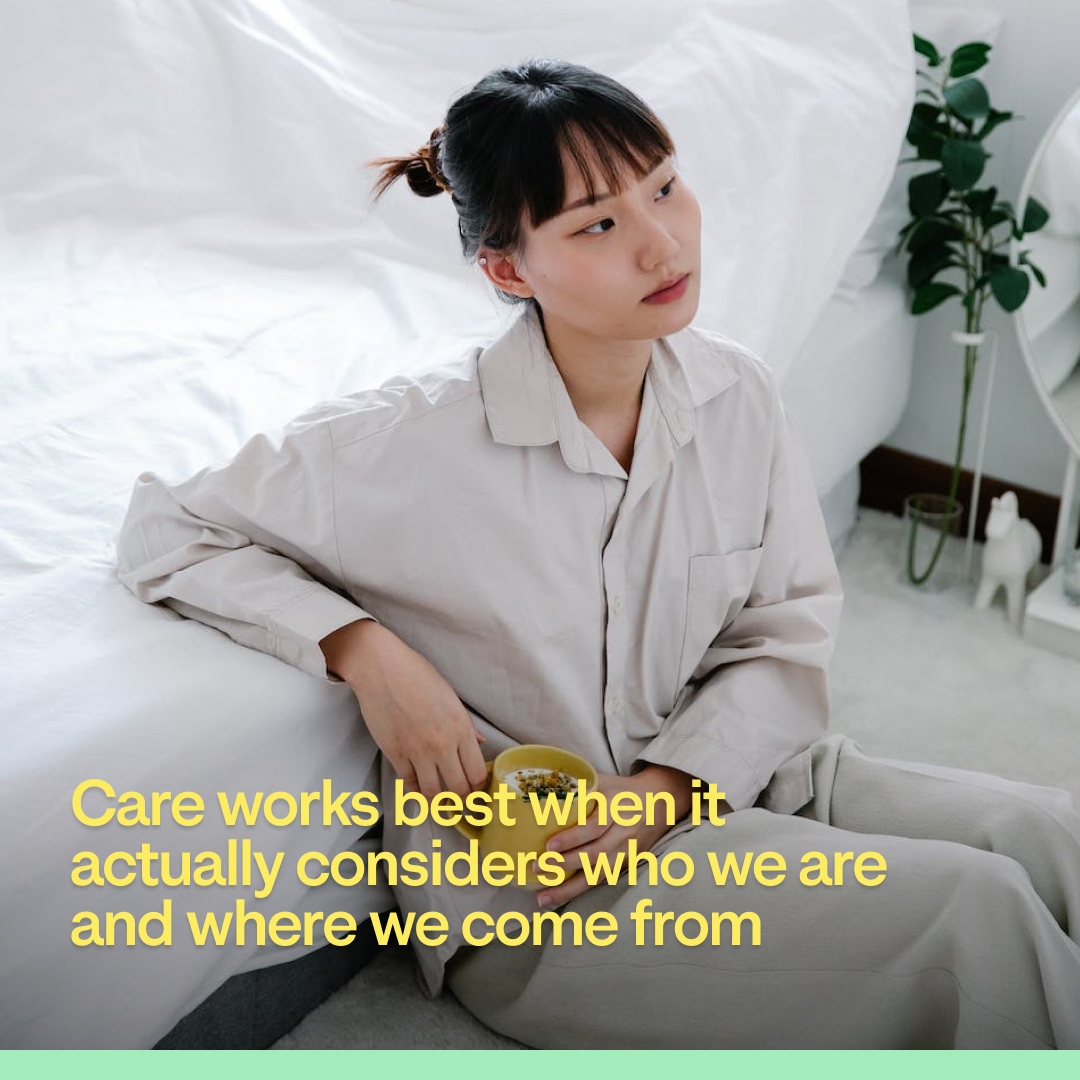
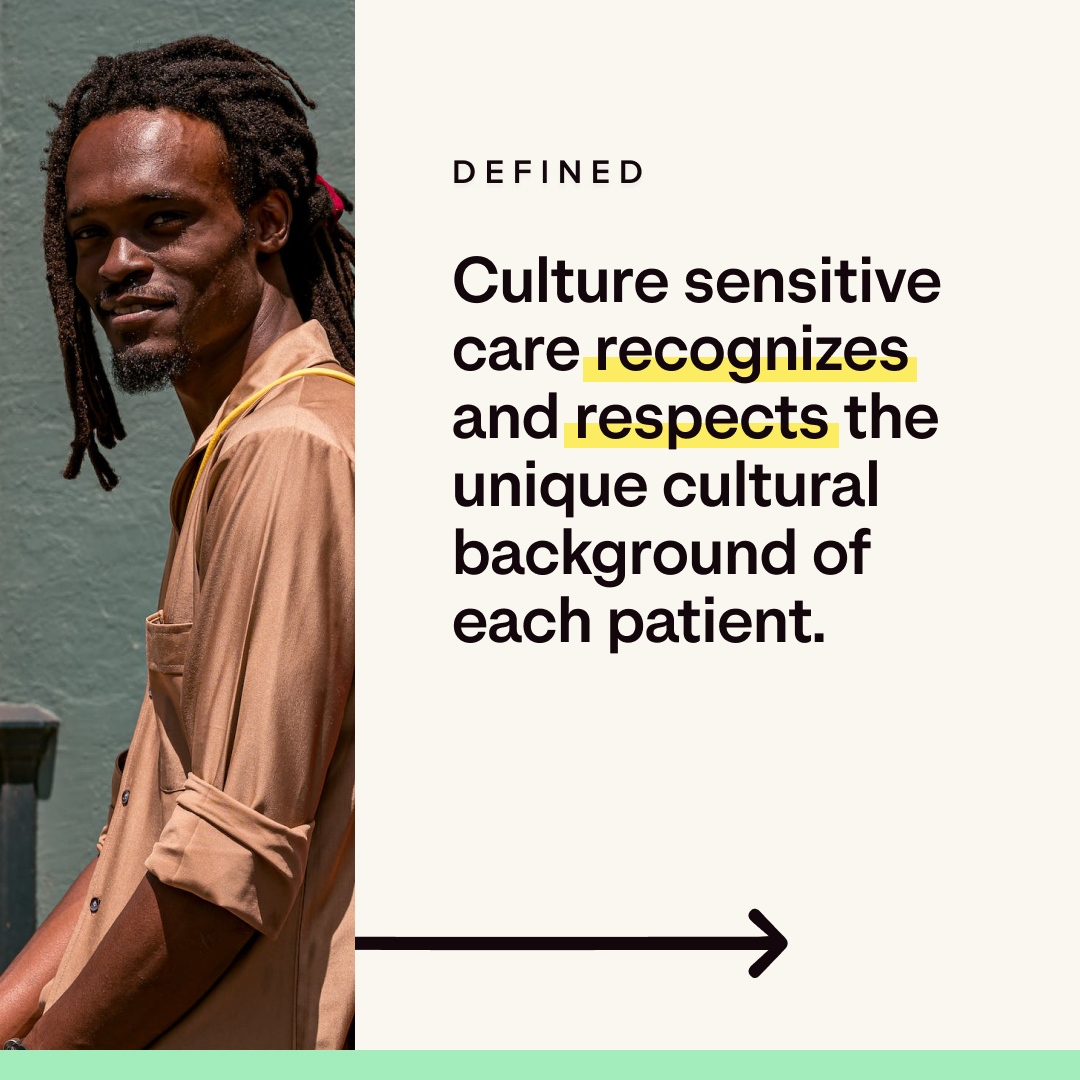
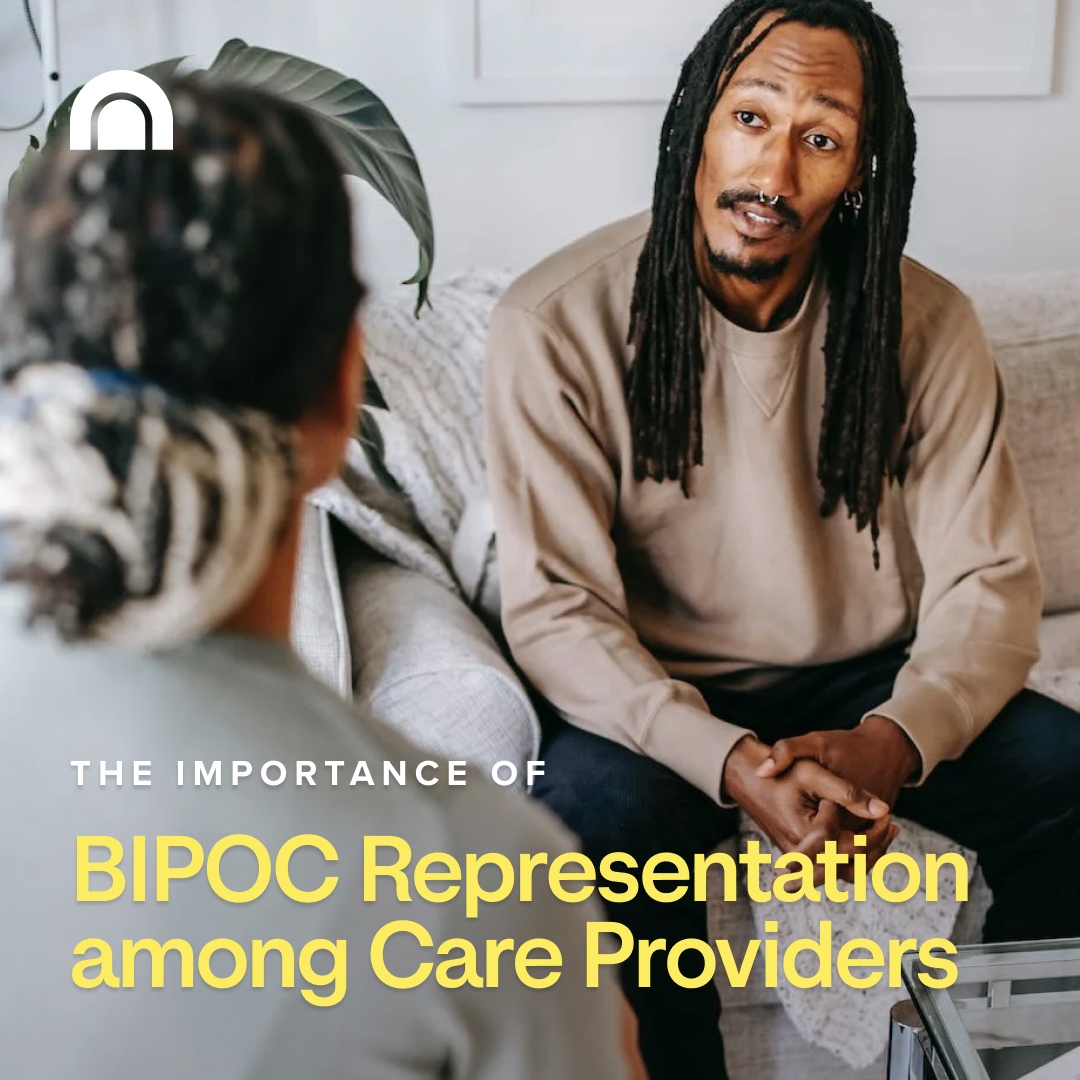
The best way to provide culture-sensitive care is ensure that our clients can see themselves and their experiences reflected in their care providers. It's why we have a diverse staff of care providers from all backgrounds. 💛
Studies have shown that mental health treatments are more effective when care providers are able to demonstrate cultural competence. For that reason, BIPOC patients are often looking to work with a care provider who understands their experience. That's why representation matters.
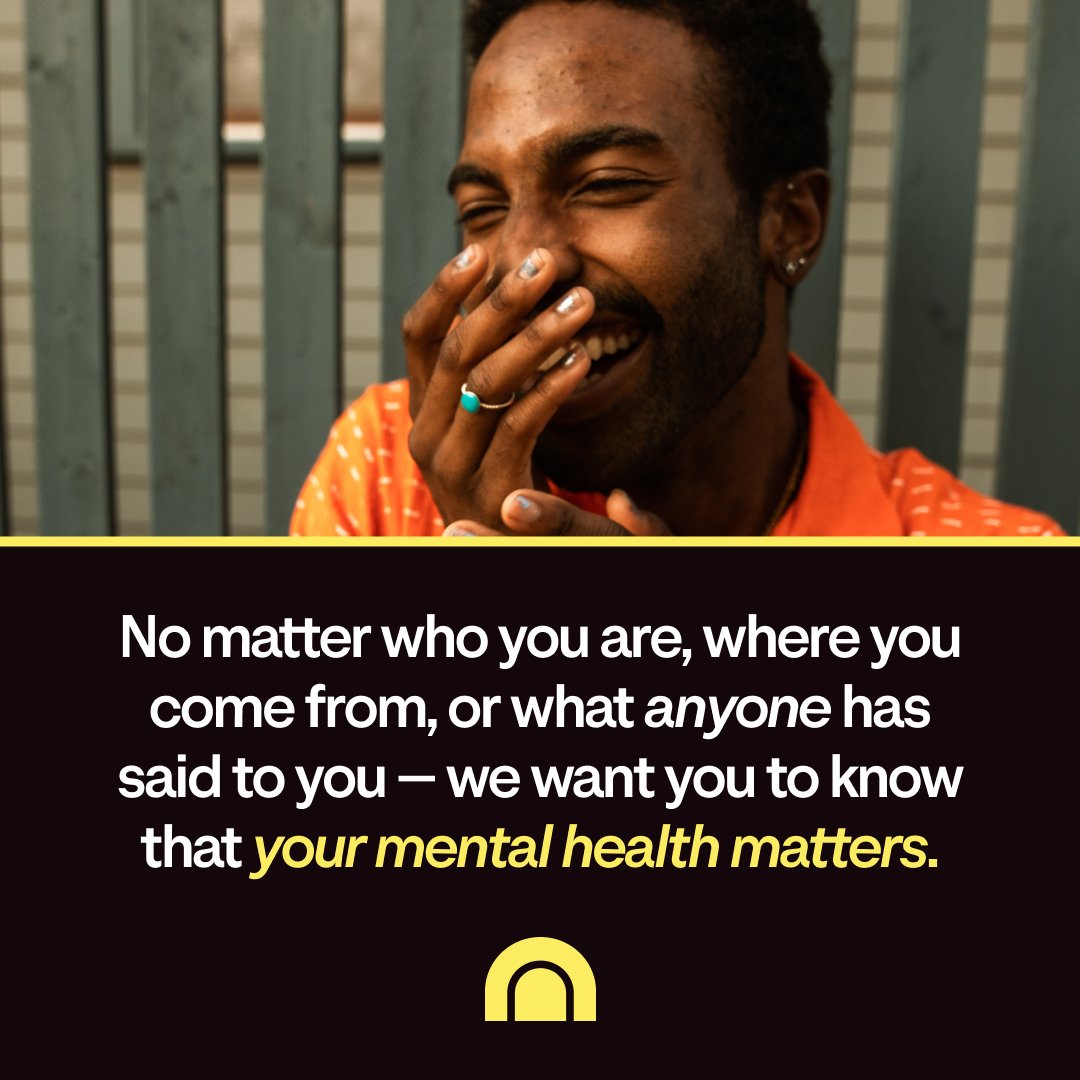
Regardless of age/culture/identity, therapy is a healthy, beneficial practice that gives us some outside perspective (which we all need). The right therapist will always create a safe space for you, work to build trust, & be respectful of your background & personal experiences.
Body NEUTRALITY should be our goal. You don't need to love everything about your body. It's about recognizing that your body is, well, a body. It contains all your vital organs and helps you do all kinds of things in your life, but it doesn't have any power over your identity.
Start practicing kindness on yourself through small, daily acts of self-compassion. If you're feeling down on yourself in the morning, acknowledge those feelings and find something kind to say to yourself as well. Try to reframe negative observations to remove their sting.
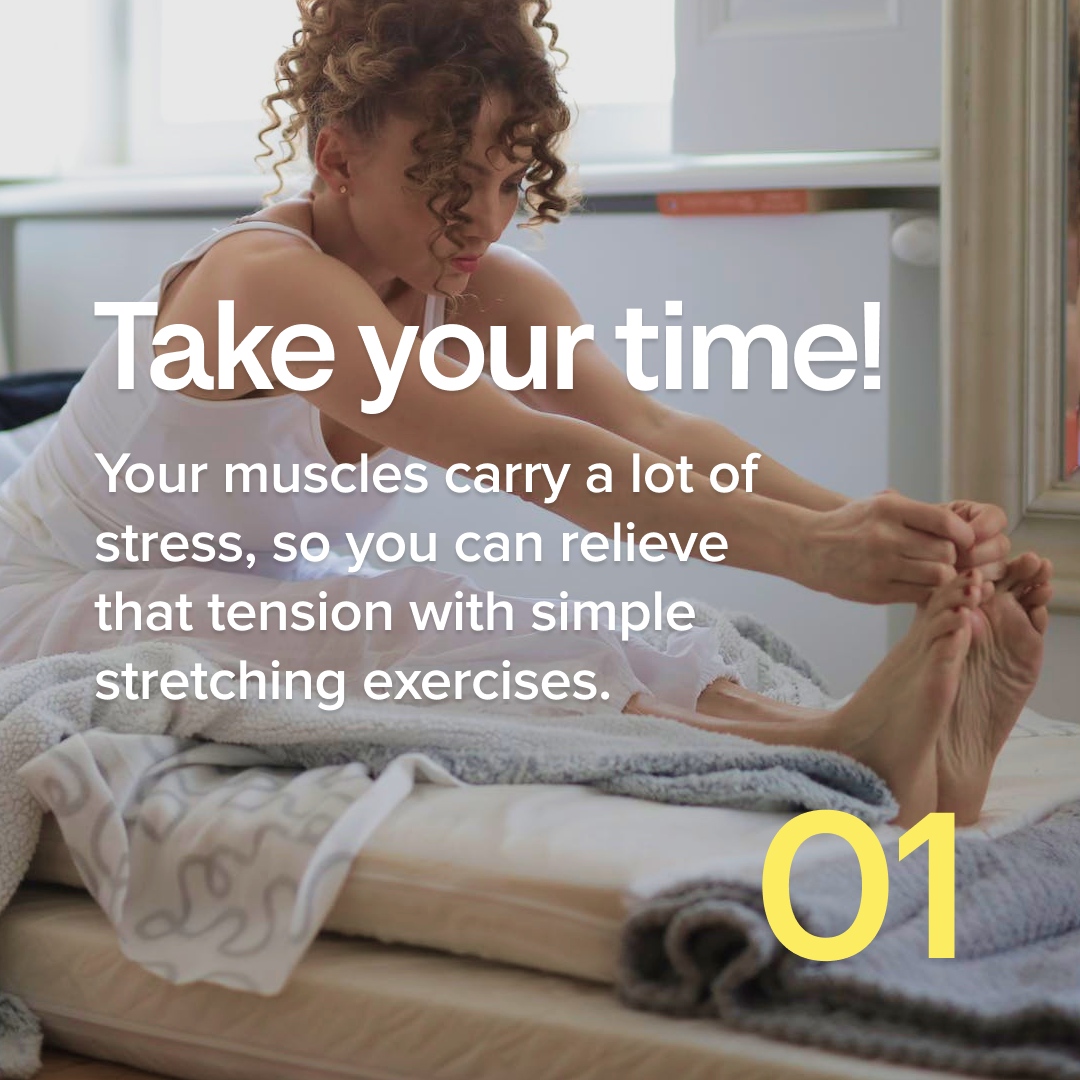
First of all, stress is normal. Everybody experiences stress on some level and it doesn’t mean there’s something wrong with you. The important thing is to take steps to relieve stress so it doesn’t take a toll on your mind and body.
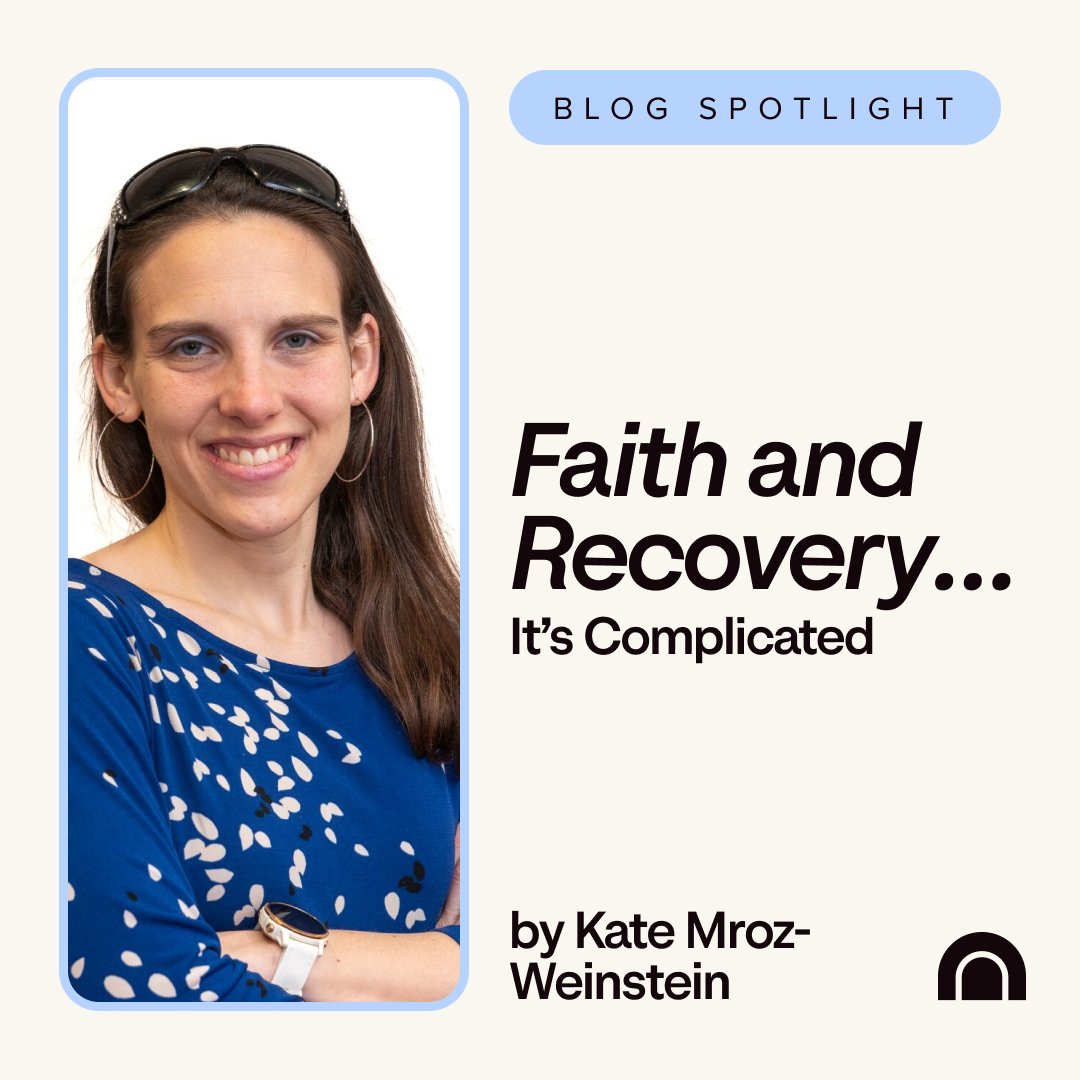
Dive into the journey of healing and hope as Kate Mroz-Weinstein, professor and founder of "Athletes Against Diet Culture" explore the powerful connection between faith and recovery.. 🌈
Read the full blog: https://t.co/FuBFkHsBLE
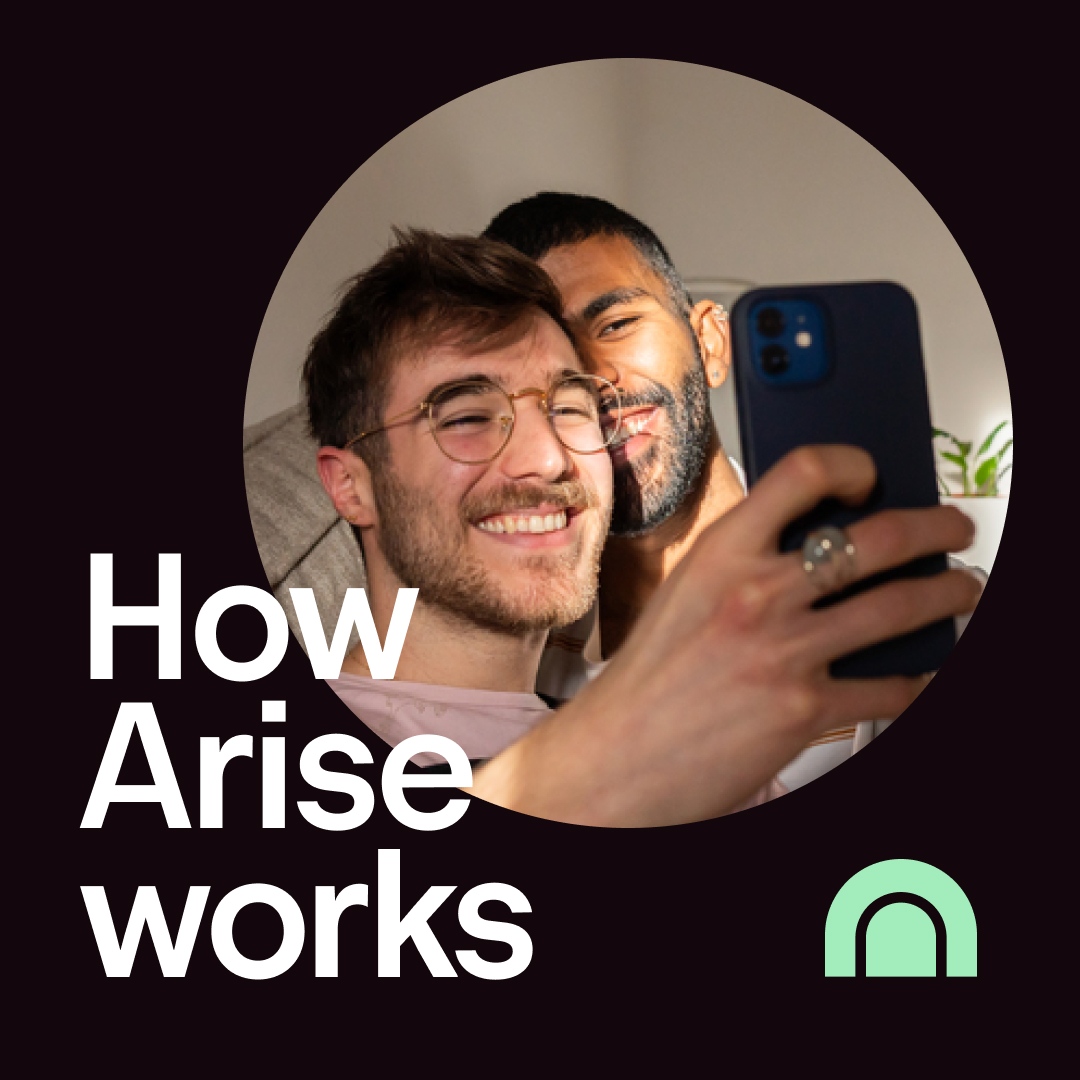
We’ve thought of everyyyyythingggg. And if you have questions about the ins-and-outs before you sign up, shoot us a DM. We’re always, always here for you. 💛
Sign up for your free welcome call anytime at https://t.co/kMKdt5MTAl
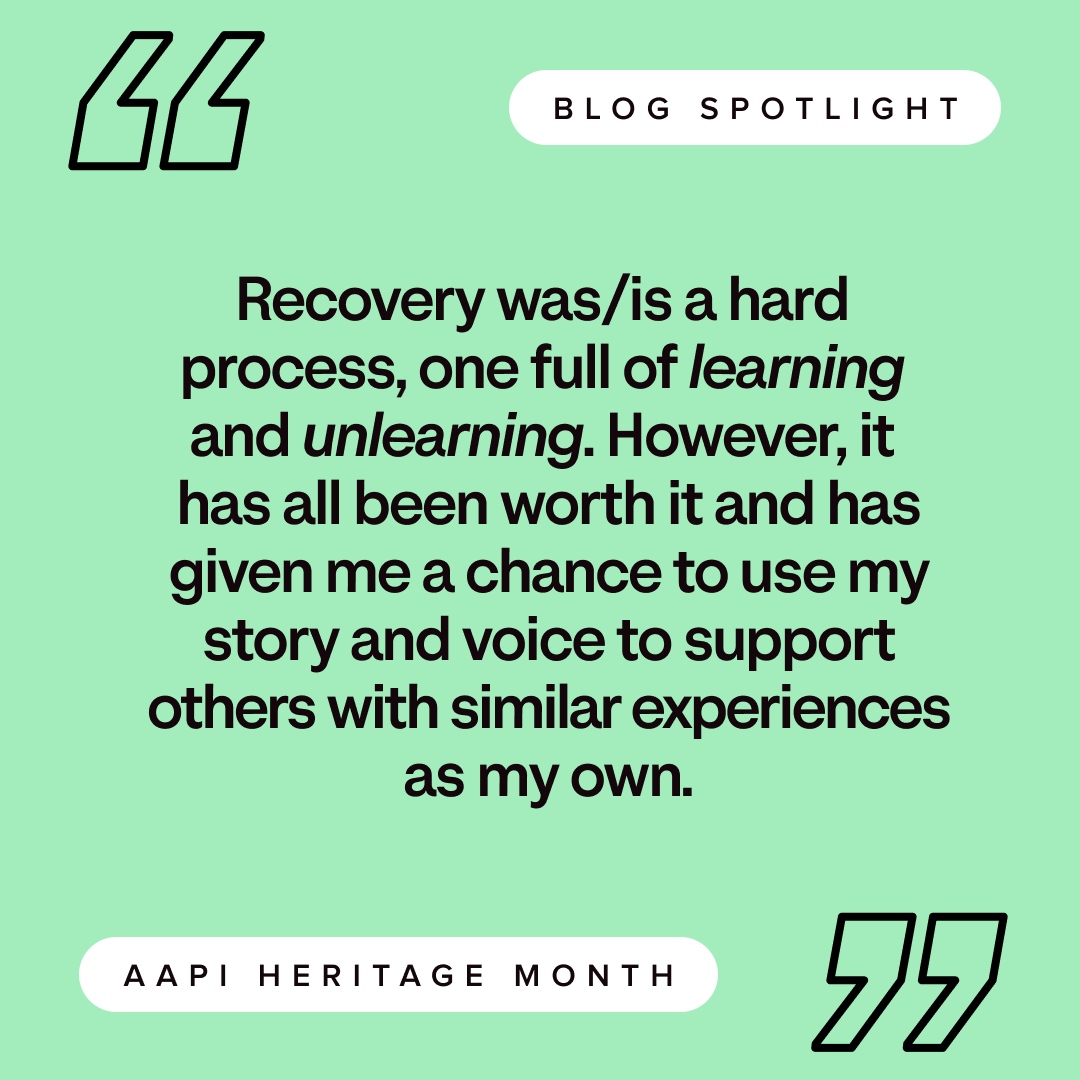
Vanson Lee takes us through his story; from growing up in an Asian-American household, to trying to find his path to healing, and how he now uses his lived experience to build community.
Read the full blog here: https://t.co/YvOnFd7YBk
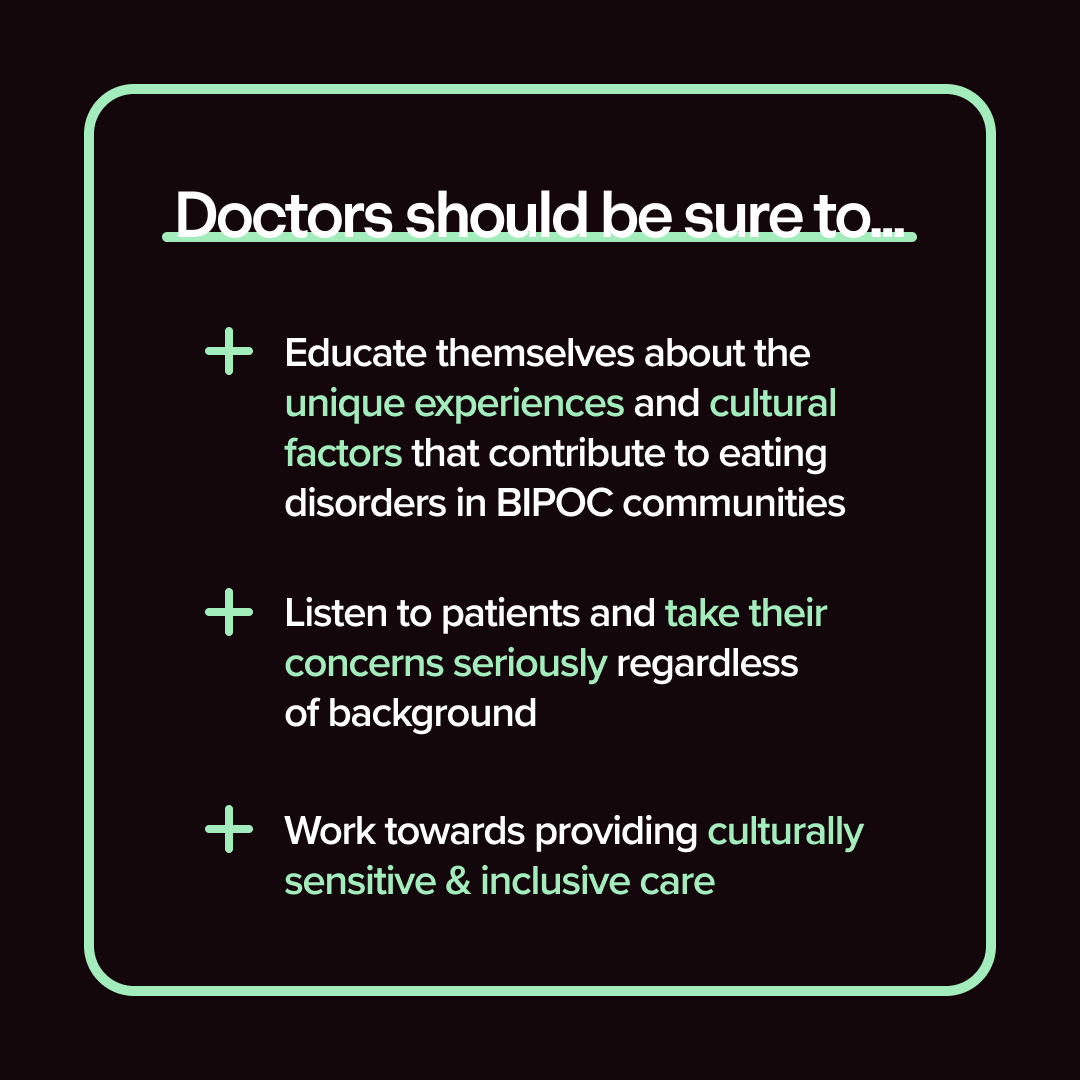
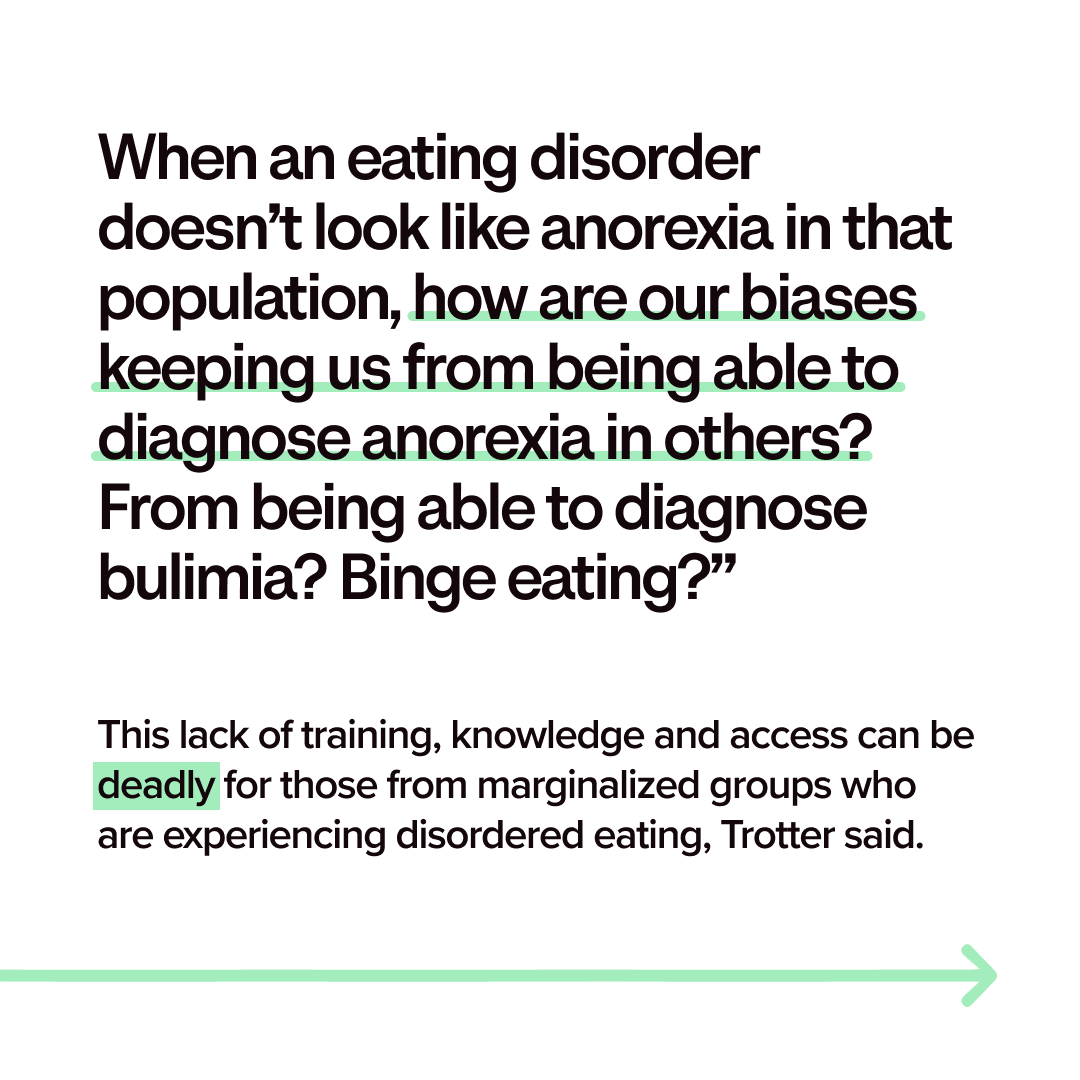
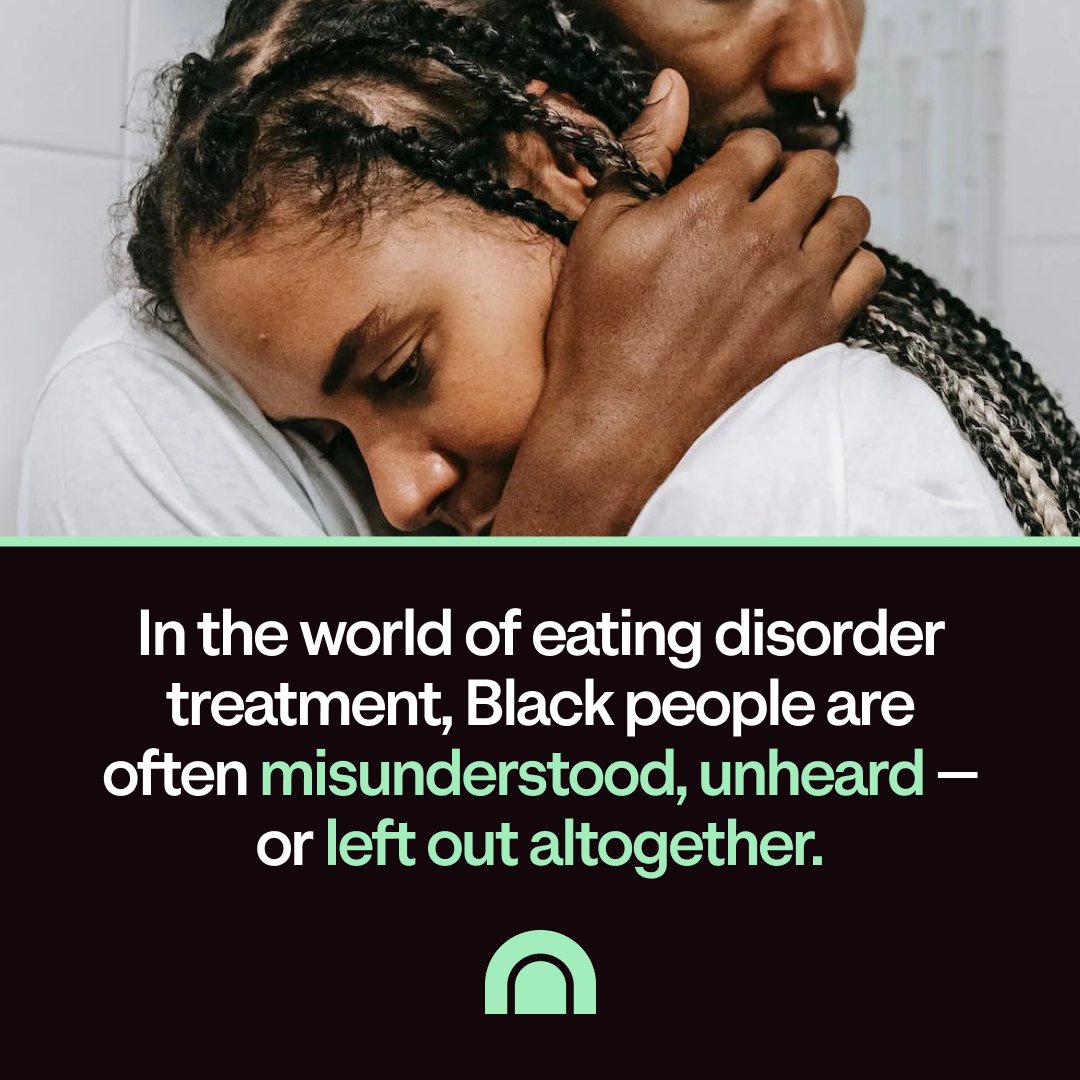
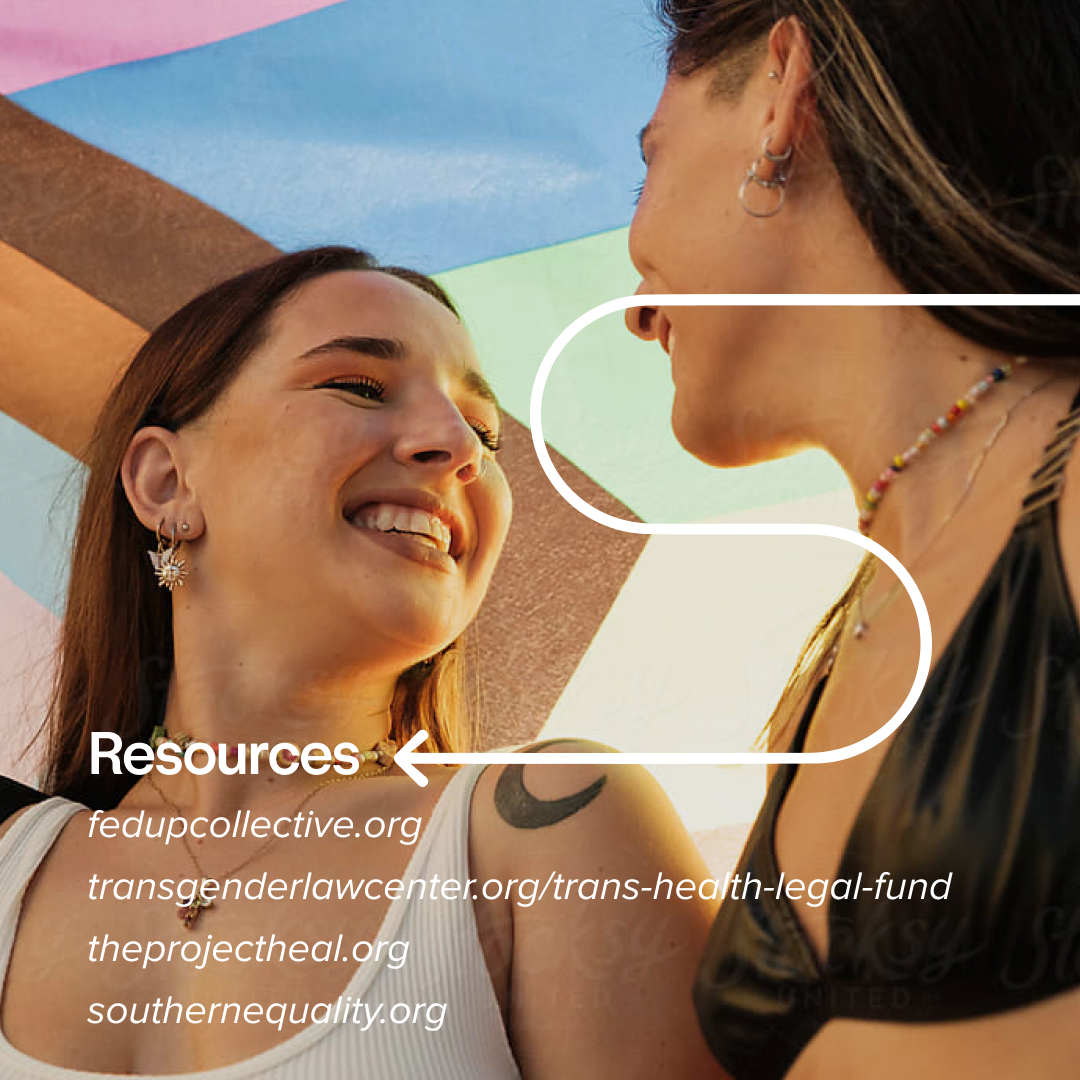
Black people are less likely to be diagnosed with eating disorders, & stereotypes around eating disorders for Black folks often affect the quality of care they receive.
We can all do better to make sure that people are validated in their experiences.
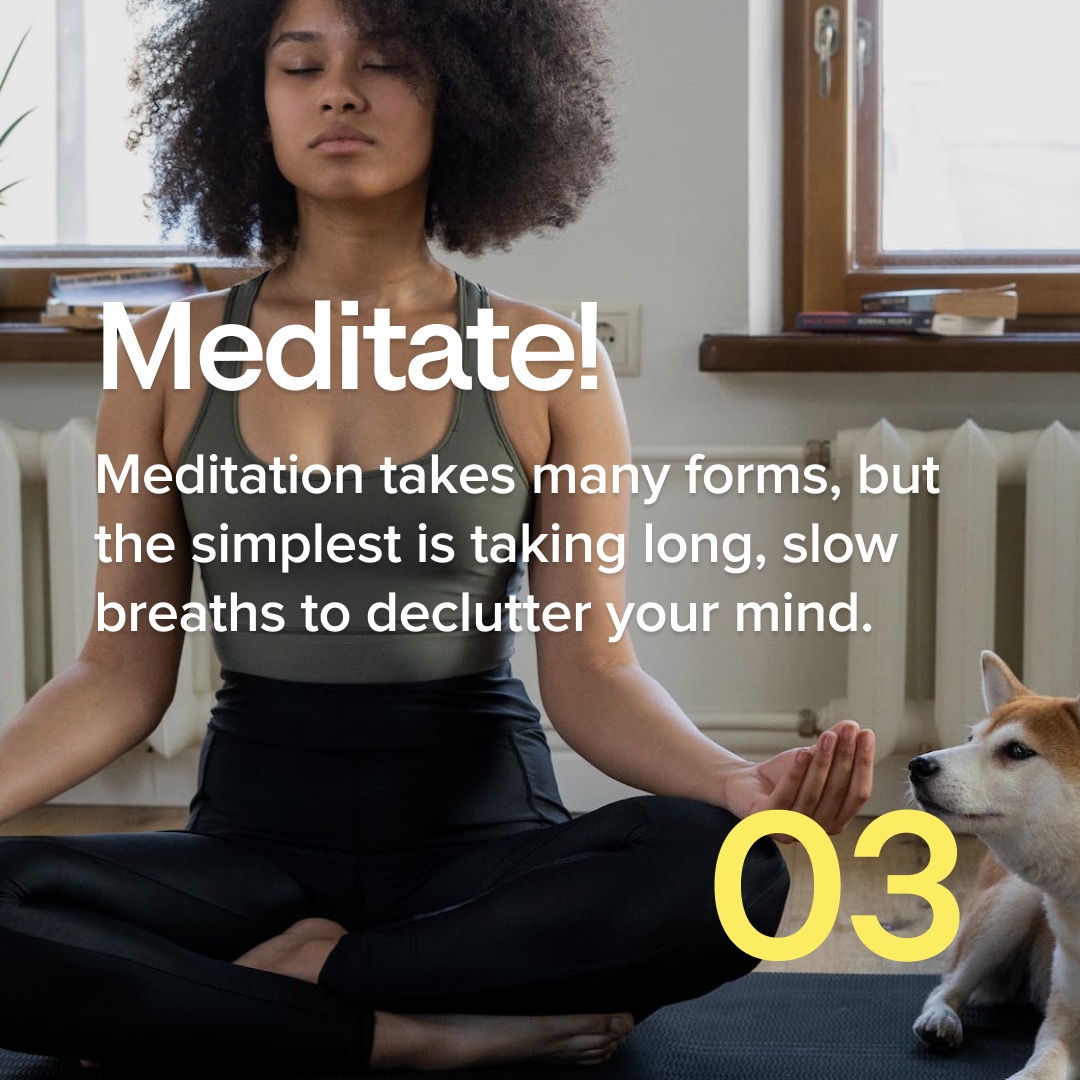
When negative thoughts consume us, breaking the cycle feels impossible. But there's hope for healing. Here's how:
🔹 Identify patterns: Recognize negative thinking types
🔹 Practice mindfulness: Embrace the present moment
🔹 Cultivate gratitude: Focus on blessings big and small
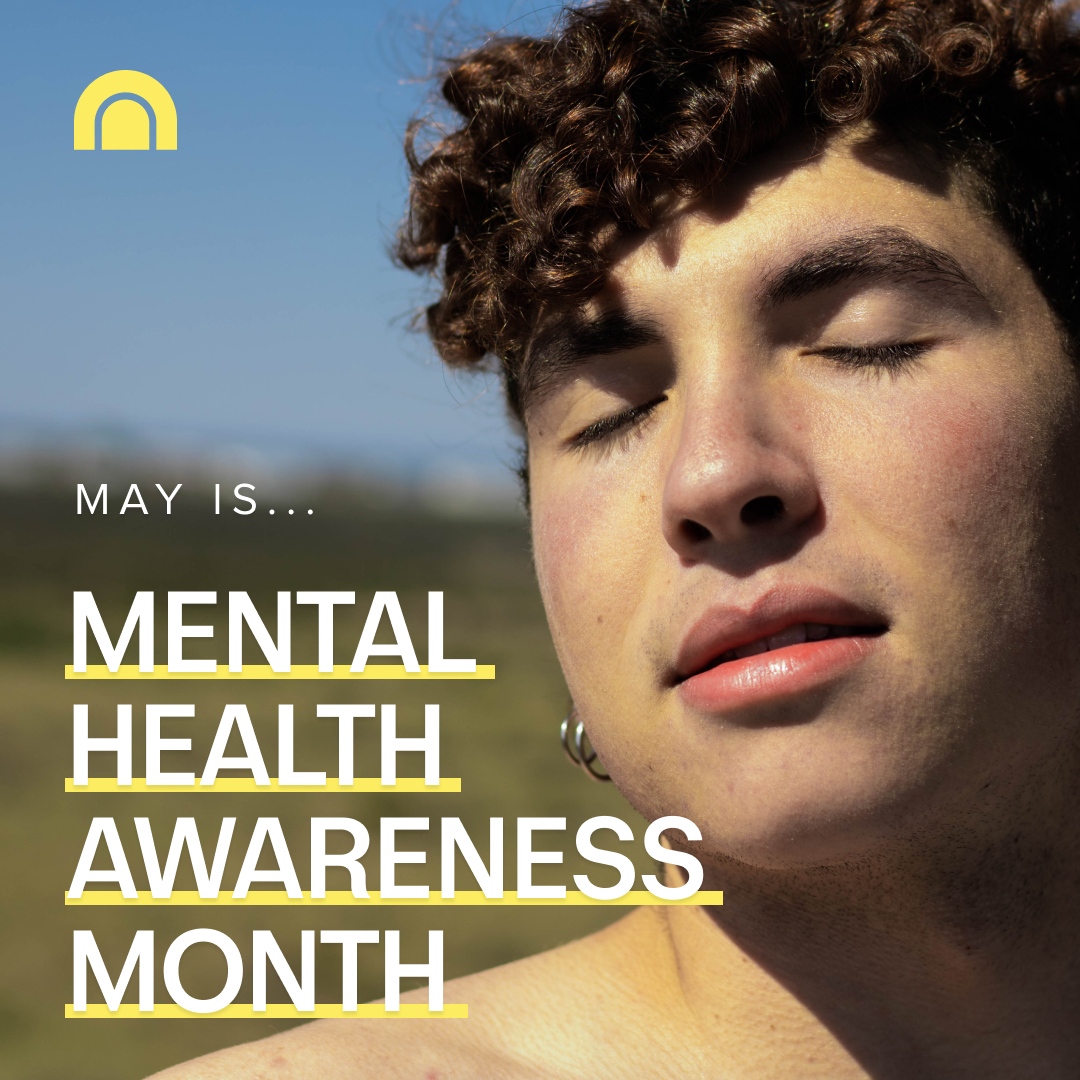
May is Mental Health Awareness Month! Let's acknowledge the resilience of millions living with mental health conditions and break the stigma. Together, we can support those in need and address barriers to care.
Prioritize self-care, kindness, and remember your value.
👩⚕️ Happy #NationalDoctorsDay! Today we celebrate all the incredible physicians out there, including our very own Lillian Holloway, MD, FAAFP (she/her).
We're so grateful for all the clinicians helping to guide people throughout their healing process. 💛
Ed Sheeran recently opened up about his experience with an eating disorder, highlighting the need for men to be recognized in their struggles with food and body.
Read the article here:
https://t.co/vv2XrgQOkJ
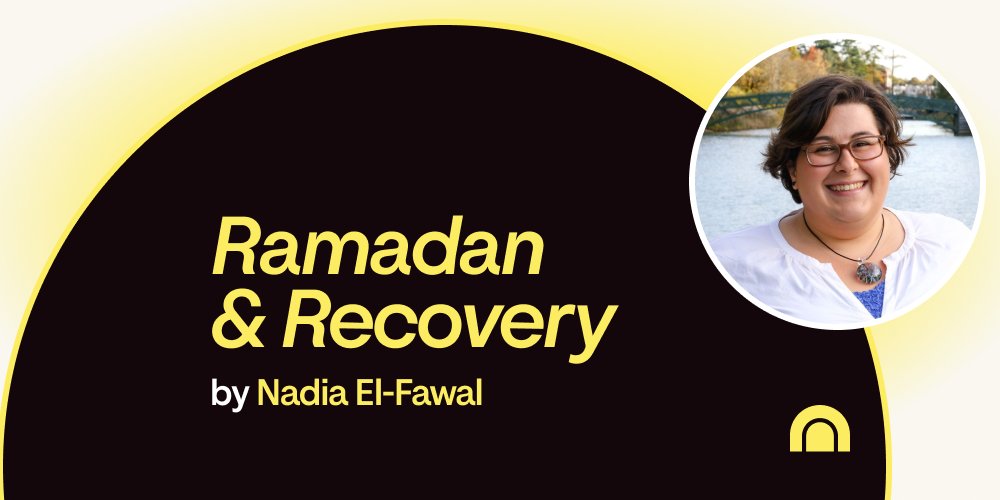
In honor of Ramadan, Nadia El-Fawal says that, "I embrace Ramadan being a time of reflection and prayer, and in this time, reflect on my growth and plan improvements."
Check out the full blog post: https://t.co/Z2u15Qy57R