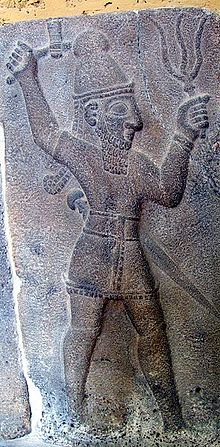
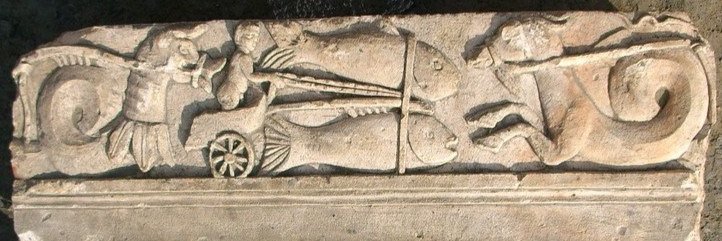
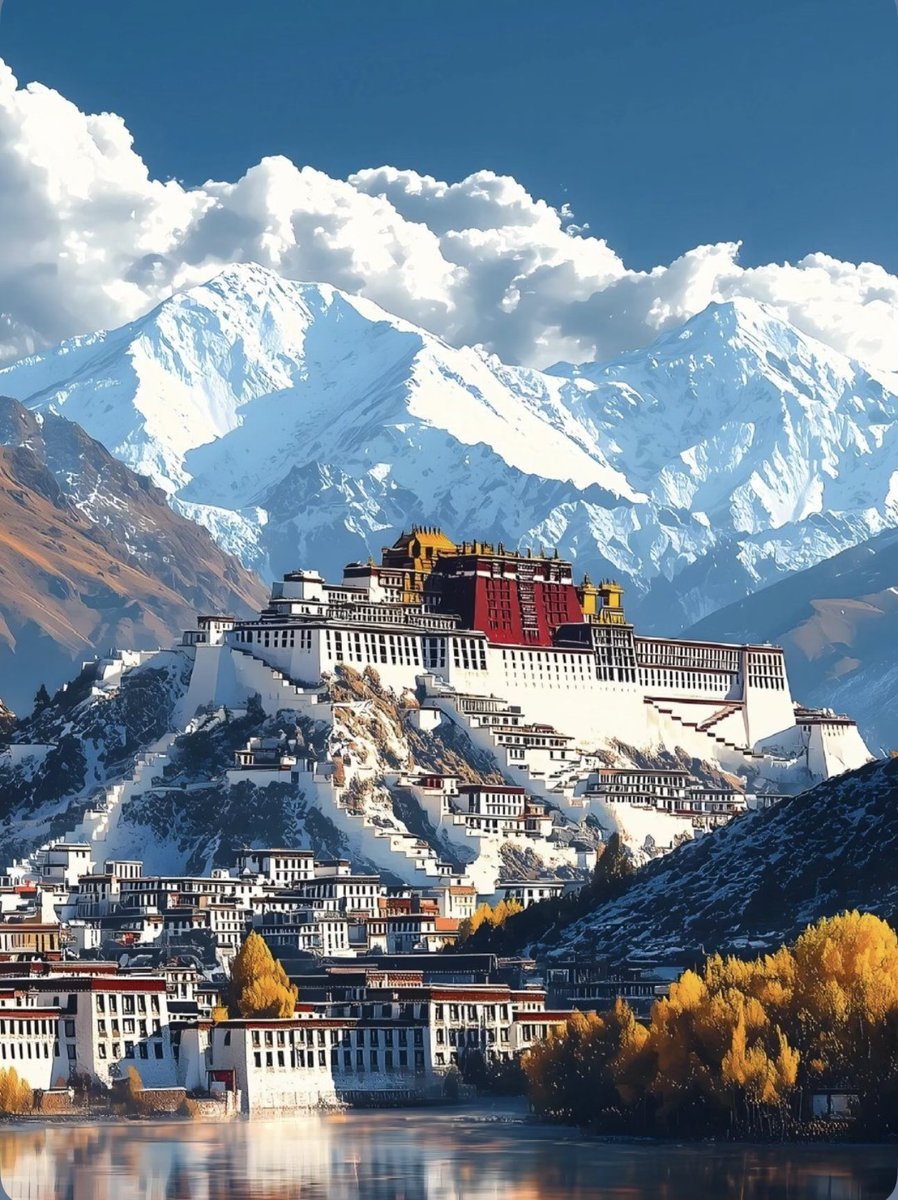
This is a land of #Teshub, Hittite storm god; this is the land of the small #Dabiq so central in the Islamic eschatology; this is the land of #Abel & where the first murder of the mankind happened.
You're welcome in #Syria.
Há 33 anos, em 27 de junho de 1993, a artista iraquiana Layla Al-Attar era assassinada em Bagdá. Sua casa foi explodida por dois mísseis disparados pelos Estados Unidos. O ataque teria sido uma retaliação após Layla produzir um famoso mosaico chamando Bush de "criminoso".
1/10
In the 6th century BC, the king of Lydia, Croesus consulted an oracle about going into war against the Persians. The oracle said ambiguously “you will bring down an empire”. He lost the war. He lost his own empire.
In modern terms, that oracle is Netanyahu and Trump is Croesus.
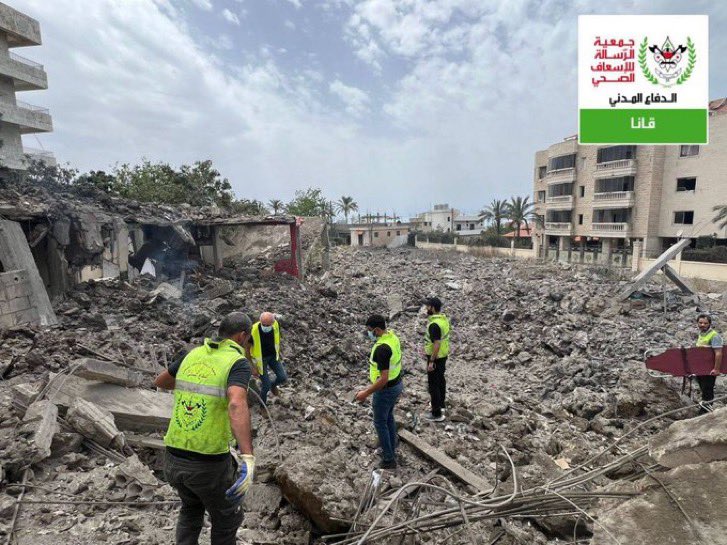
This is Qana in South Lebanon today.
An ancient village with over 3,000 years of history — where Jesus performed the miracle of turning water into wine.
Israel is wiping it off the map.
Not a peep from the “civilized world.”
Not a word from the “international community.”
The Iranian navy, which has been destroyed eight times, has apparently closed the Strait of Hormuz again, because the United States, for the seventh time, won the war that wasn’t a war, so now the United States has to open the Strait of Hormuz that was already open before the not-war began.
The not-war began because Iran had uranium that was totally, completely, beautifully obliterated, so they can’t build the nuclear bomb they weren’t building, which is why the United States had to start the not-war it definitely didn’t start.
Now the United States, which has nuclear weapons, is threatening to use nuclear weapons to stop Iran from getting nuclear weapons, because nuclear weapons are far too dangerous for countries with nuclear weapons to allow other countries to have.
If the United States saw the United States doing what the United States does in other countries, the United States would invade the United States to liberate the United States from the tyranny of the United States.
Quando la Rivoluzione, non paga di ghigliottinare re e nobili, decise di ghigliottinare il Tempo stesso.
1793, l’Anno II dell’Era Nuova. La Convenzione, ebbra di ragione illuminista e di terrore, incaricò una commissione di scienziati e poeti (perché la Rivoluzione era anche
@KT_n1nj4k1ll3r@M25016096 Correct.
The US has superpowers (dollar system, SWIFT...) like a Marvel hero.
Anyway, America can't abuse these tools, without compromising them.
It's a path, not a highway.
Meanwhile, a complex decoupling is underway..
Nie ma czegoś takiego, jak "Polska A". To jest absurd.
To się powinno nazywać ZABÓR NIEMIECKI. Tam gdzie były Niemcy dalej są Niemcy. NIGDY się nie spakowały.
Zachodnia Polska nie jest bogatsza, bo jest „bardziej europejska" lub „bardziej pracowita". Jest bogatsza, bo przez 123 lata Niemcy budowali tam infrastrukturę dla siebie. Koleje, które miały transportować pruskie zboże i śląski węgiel do Berlina i Hamburga. Kanały, które miały obsługiwać pruski handel. Fabryki, które miały zasypywać rynki Rzeszy. Całe to dziedzictwo zostało po 1918 roku, po 1945 roku — nie jako dar dla Polaków, ale jako szkielet gospodarczy zaprojektowany pod inną państwowość, który Polska przypadkowo odziedziczyła razem z ziemią.
Jednocześnie zabór rosyjski i austriacki miały odwrotną logikę. Rosja celowo hamowała rozwój Królestwa Kongresowego po powstaniach — jako politykę karną i jako strategię uzależnienia. Galicja była dla Habsburgów rezerwuarem taniej siły roboczej i poborowych, nie centrum inwestycji. Te regiony nie są biedniejsze, bo Polacy tam są mniej zdolni albo mniej pracowici. Są biedniejsze, bo przez te same 123 lata ktoś aktywnie nie budował, albo aktywnie niszczył.
Ale powiązanie z Niemcami nie urwało się w 1945. Nawet w czasach PRL-u zachodnia Polska funkcjonowała w cieniu niemieckiej gospodarki — tyle że przez inne kanały. NRD była bezpośrednim sąsiadem i partnerem handlowym w ramach RWPG. Infrastruktura kolejowa i drogowa odziedziczona po Niemcach służyła teraz wymianie z niemieckim wschodem — ale logika przepływu towarów była podobna: zachodnia Polska jako region tranzytowy i produkcyjny obsługujący zachodni kierunek. Śląskie huty i kopalnie eksportowały węgiel i stal — część trafiała do NRD. Szczecin funkcjonował jako węzeł dla całego bloku, ale z geopolitycznym centrum grawitacji na zachód, nie na wschód. PRL próbował wyrwać zachodnie ziemie z ich naturalnej orbity gospodarczej i włączyć je w logikę radziecką — ale nie do końca mu się to udało. Infrastruktura miała swoje zdanie.
A po 1989 roku Zachodnia Polska stała się pierwszą strefą niemieckiej ekspansji gospodarczej na Wschód nie dlatego, że była blisko, lecz dlatego, że była znajoma. Znajoma infrastruktura, znajoma sieć komunikacyjna, znajome układy przestrzenne miast. Niemieccy inwestorzy wchodzili na ten teren jak na własne podwórko, bo przez wieki było ich podwórkiem. Zakłady produkcyjne, centra logistyczne, sieci handlowe — rozmieszczone dokładnie wzdłuż dawnych pruskich korytarzy transportowych.
Strefa przygraniczna między Odrą a mniej więcej Poznaniem funkcjonuje dziś jako faktyczne zaplecze gospodarki niemieckiej. Polacy jeżdżą do pracy do Niemiec i wracają spać do Polski. Niemieccy właściciele trzymają fabryki po polskiej stronie, bo koszty są niższe, ale łańcuchy dostaw biegną do Niemiec. Kapitał jest niemiecki, decyzje są podejmowane w Niemczech, zyski wracają do Niemiec. Polska dostaje miejsca pracy i podatki od pracowników — ale nie dostaje centrali, nie dostaje R&D, nie dostaje strategicznego zarządzania. To jest dokładnie ten sam model co w XIX wieku: zachodnia Polska jako region wykonawczy dla niemieckiej gospodarki, nie jako podmiot z własną logiką akumulacji.
Do tego dochodzi rynek nieruchomości i ziemi. Przez lata po 1989 roku trwał w Polsce prawny zakaz sprzedaży ziemi cudzoziemcom — przedłużany właśnie dlatego, że presja ze strony zachodnich Niemiec była realna i stała. Kiedy zakaz wygasł, kapitał natychmiast ruszył. Niemieccy właściciele ziemscy na Dolnym Śląsku i Pomorzu Zachodnim — to nie jest zjawisko marginalne. To jest powrót do stanu sprzed 1945, tyle że przez prawo własności zamiast przez prawo aneksji.
„Polska A i B" jako pojęcie wykonuje ideologiczną robotę: przenosi odpowiedzialność z historycznych aktorów państwowych na abstrakcyjne cechy kulturowe lub geograficzne regionów. To jest dokładnie ten rodzaj myślenia, który Niemcom jest na rękę.
3,000 years ago they didn’t build a city. They cracked open a mountain and carved one straight into its heart.
Uplistsikhe, Georgia: “Lord’s Fortress” Has streets sliced into living rock, pagan altars still bending shadows & a throne hall where kings plotted before Rome existed.
With a Christian basilica perched on top in a failed effort to reclaim the mountain. The old ghosts still moan through the rock harkening something primordial; how only rock hewn architecture can.
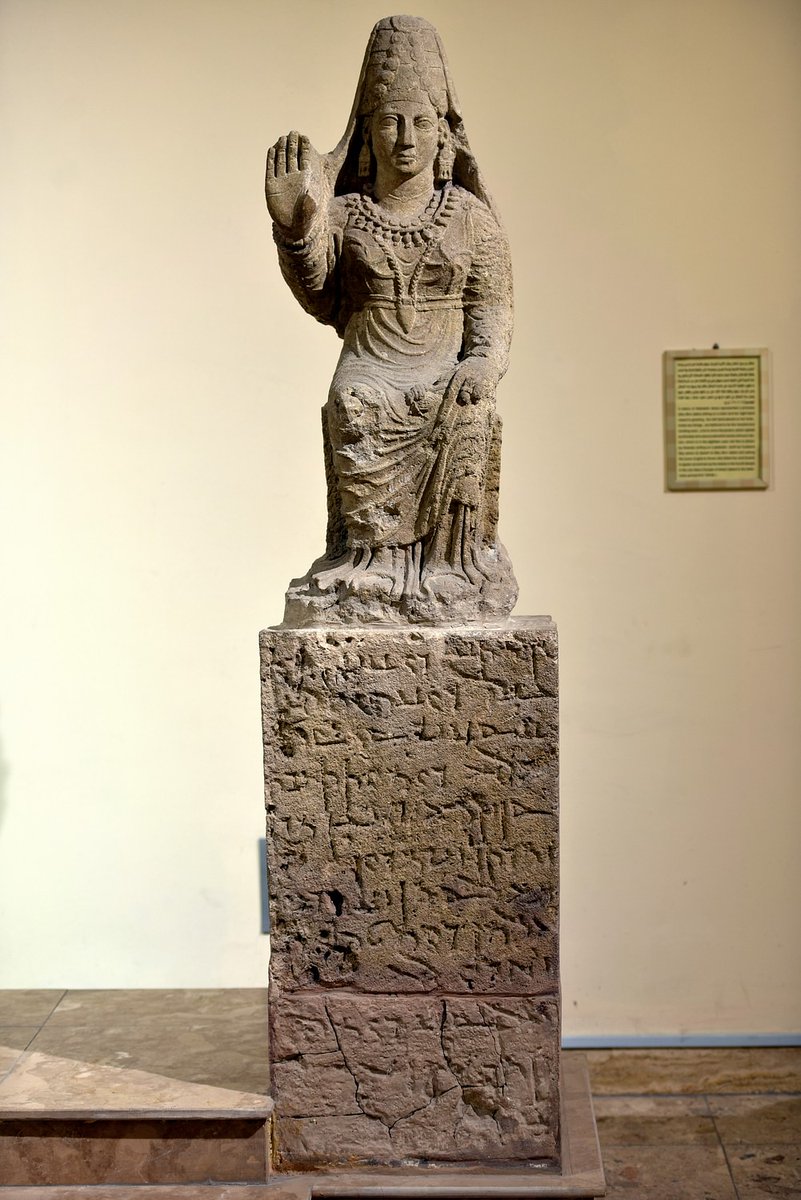
تمثال من مملكة الحضر العربية شمال العراق
لـ فتاة تدعى أبو بنت جبلو
إقامة لها زوجها ( اشا بن شمش لطب ) في المعبد الرابع
كتب عليه
"لتحل لعنة الالهة على من قتلها وعلى من تشمت بها وعلى كل من تكلم عنها بسوء"
يعود إلى ما بين القرن الثاني والثالث
محفوظ في المتحف الوطني العراقي
Passing by Hormuz:
The name 'Hormuz' is derived from the Sassanian era name 'Hormaz' (Ohrmazd) which refers to the dualistic deity of the Zoroastrian religion (the state religion of the Sassanian empire).
When Zartosht (Zarathustra/Zoroaster) established the religion thousands of years prior to the Sassanian empire, it was decreed that all who seek the enlightened path, will find their way to Hormuz (Ohrmazd) and thus, the freedom of religious practice was an integral aspect of the Persian kingdoms. It was a requirement that all hearts find Ohrmazd on their own, the understanding being that it is a journey for the individual, and that the hearts which are of Truth (Asha) will establish the route through to Hormuz.
How poetic is it, that many thousands of years later, the now Islamic Republic of Iran declared that all vessels that seek to pass through Hormuz must be non-threatening, claiming the deceitful nature of the enemy vessels will not be allowed passage and that only vessels with pure intentions will be allowed to pass?
An incredible cosmic metaphor manifested to reality.
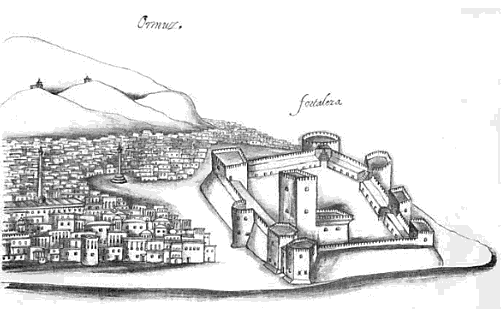
Hormuz, ‘the Jewel of the world’s ring’ (pedra do anel do mundo), was captured by the Portuguese in 1507, who then immediately set about building a mighty fortress that was completed in 1515.
They established a tollbooth; no vessels were permitted to trade without a pass (cartaz). In addition, the king of Hormuz, now a vassal of the Portuguese, was obliged to pay 5,000 ashrafi towards the expenses of the fleet, and an annual tribute of 15,000 ashrafi to the Portuguese crown. They could keep that position for over a century until the arrival of even more dangerous European predators.
The Iranian victory over Western forces marks the turning of a very long historical arc going back more than 500 years.
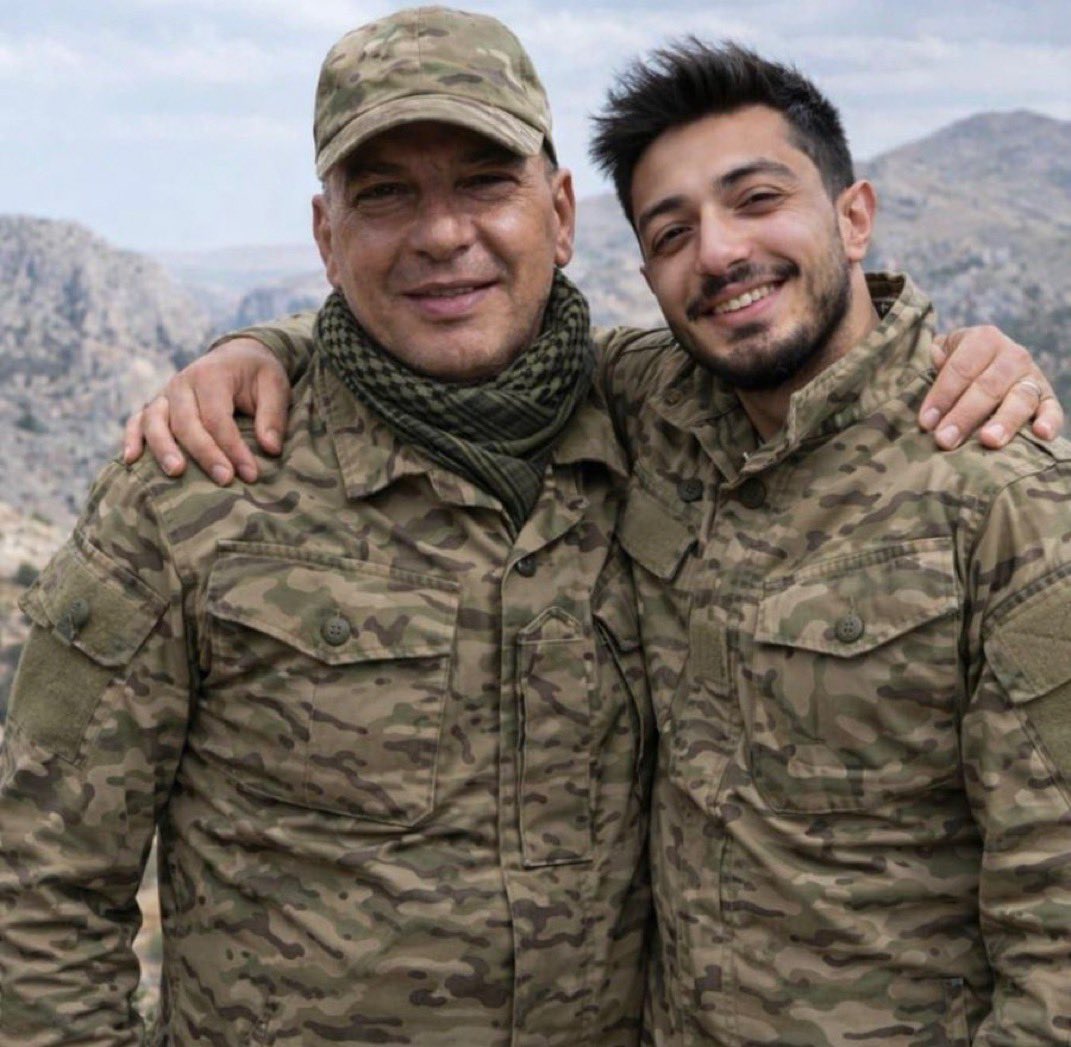
Reports from Lebanon say two Lebanese-Armenian Christians—Atam Krikor Hekimian and Manuel Babikian—were killed yesterday while fighting the Israeli invasion in South Lebanon, alongside Hezbollah.
@cirnosad When parties are mismatched, the definition of victory shifts. For Iran, as for Ukraine, to resist is to win. Militarily, Iran’s reach is small; however, it can inflict economic pain on the U.S. and its partners—barring Israel, driven by fear & theological missions.
@AntonioMereu64@SicilianoSum È la sicurezza degli allunisti curiosa.
Io non ho certezze e non mi viene in tasca nulla che vi siano arrivati o meno.
Ma attualmente le orbite "spaziali" degli astronauti sono a 4mila km dalla terra.
La luna è a 400mila.
Andata e ritorno.
The Chechens are the best Sunnis, real Muslims. You know why? All of them are Sufis, they belong to one or other vird, that is Sufi tariqat. That is real traditional deep and honest Islam. Not like modernist Anglo-Saxon artificial creation as Wahabism or old ignorant Salafism.
@HerodotusWave It's a theological message: Mt 16, 18... non praevalebunt!
The word turtle (tartaruga), infact, was thought to be in relation with Tartarus (the hell).
The monument was saying:
The gates of hell shall not prevail against the church.
Trump thinks he can solve a clash of ancient civilisations that started more than 2500 years ago.
The Israelis are Mesopotamians, and the Iranians are Indo-Europeans.
Abraham is explicitly from Ur of the Chaldees, which is in southern Iraq, near modern Basra. There is no meaningful genetic discontinuity between the people of ancient Mesopotamia and the people who became Canaanites who became Israelites.
Hebrew is a Semitic language. The Semitic language family originated in Mesopotamia and the Arabian Peninsula. Hebrew, Aramaic, Akkadian, Arabic, Babylonian — all branches of the same tree. Hebrew and Babylonian Akkadian are cousin languages the way Spanish and Italian are cousins. They share root words, grammatical structures, and conceptual vocabulary going back thousands of years before the Bible was written.
The foundational myths of Judaism — creation, the flood, paradise, the first man, the tower — all have direct Mesopotamian predecessors that are older. The ethical and legal framework — the covenant structure, the law codes — mirrors Mesopotamian forms. The calendar is Babylonian. The alphabet is Aramaic-Mesopotamian. The very concept of recording sacred history in written texts is a Mesopotamian invention.
El — the chief god of the early Israelites and the root of the word Elohim, one of the Hebrew names for God — was a Canaanite/Mesopotamian deity. The word Israel itself contains El. The angels, the cosmic hierarchy, the idea of a divine council — all have deep Mesopotamian roots. Early Israelite religion before the exile looks very much like a local variant of broader Mesopotamian religious culture, with Yahweh gradually absorbing the attributes of El, Baal and others into a single deity.
"Iran" comes directly from "Aryana" — land of the Aryans. The Iranians were Indo-European, not Semitic. This is the foundational distinction. Where the Semitic world — Sumerians absorbed by Akkadians, Babylonians, Canaanites, Jews, Arabs — emerged from the Fertile Crescent and Arabian Peninsula, the Iranians came from somewhere completely different.
The Iranian peoples were part of the great Indo-European migration — a population that originated on the Pontic Steppe, the grasslands north of the Black Sea and Caspian Sea, in what is now Ukraine, southern Russia and Kazakhstan. Around 2000–1500 BC these steppe peoples began expanding in all directions on horseback, carrying their languages with them. One branch went west and became the Greeks, Romans, Celts, Germans, Slavs. Another branch went south and east and split into two streams — one into India becoming the Vedic civilization, one into Iran becoming the Persians and Medes.
Old Persian, Sanskrit, Greek, Latin and all their descendants are branches of the same tree. The word for father in Persian is "pedar," in Latin "pater," in Greek "patér," in Sanskrit "pitár," in English "father." The word for god in Persian is related to the Sanskrit "deva." The Iranian god Mithra appears in Roman religion as Mithras and possibly echoes in the Vedic Mitra. These are not coincidences — they reflect a common origin perhaps 5,000 years ago on the Eurasian steppe.
The two main Iranian tribes that entered history were the Medes in the northwest and the Persians in the south. The Medes formed the first Iranian empire around 700 BC, destroying the Assyrian Empire — the superpower of its day — in alliance with the Babylonians. Then the Persians under Cyrus the Great overthrew the Medes in 550 BC and built the Achaemenid Empire.
In 651 AD the Sassanid Persian Empire — the last great pre-Islamic Persian dynasty — was destroyed by the Arab Muslim armies in one of the fastest conquests in history. Iran was Islamicized. Arabic became the language of religion and high culture. Yet something remarkable happened — unlike Egypt, like North Africa, like the Levant, which gradually became Arabized in language and identity, Iran kept its language. Persian survived. Within two centuries Iranians were writing sophisticated poetry, philosophy and science in Persian — using the Arabic script but their own language. The Persian cultural identity proved resilient enough to absorb Islam without being dissolved by it.
The Persian literary renaissance of the 9th-10th centuries produced figures like Ferdowsi, whose Shahnameh — Book of Kings — deliberately reconstructed pre-Islamic Persian identity and mythology. It was a conscious act of cultural preservation remarkably similar to what the Jewish scribes did with the Torah in Babylon. A conquered people writing their way back into existence.
So you have two civilizational streams that met in the Middle East:
The Semitic stream — out of Arabia and the Fertile Crescent, producing Sumerians, Akkadians, Babylonians, Canaanites, Jews, Arabs. Urban, agricultural, text-centered from very early, building civilization in river valleys.
The Indo-European Iranian stream — out of the Eurasian steppe, mounted, pastoral, bringing a completely different cosmology, a dualistic theology, a warrior aristocratic culture that then learned to govern sedentary civilizations from the Semitic world.
Modern Iranians are the descendants of that Indo-European Iranian stream, heavily mixed with the pre-existing Elamite and Semitic populations of the region, then further shaped by Arab Islamic conquest. Genetically they are distinct from Arabs — closer to South Asians and Europeans than to Semitic Arabs in certain markers, reflecting that ancient steppe origin. Linguistically Persian is closer to English than it is to Arabic — both are Indo-European, while Arabic is Semitic.
Which makes the current conflict between Iran and Israel — between the heirs of the Indo-European Iranian world and the heirs of the Semitic Mesopotamian-Canaanite world — in some sense a resumption of the oldest cultural fault line in the Middle East. The same two civilizational streams that first encountered each other when Cyrus walked into Babylon in 539 BC, when he freed the Jews and sent them home. Except then they were allies. And the Iranian was the liberator of the Semite.
History has a very dark sense of humor.
Bugshan Palace, Yemen.
A striking example of Hadrami mud-brick architecture in Wadi Doan, Hadramaut, where multi-storey earthen buildings rise dramatically against the desert cliffs.