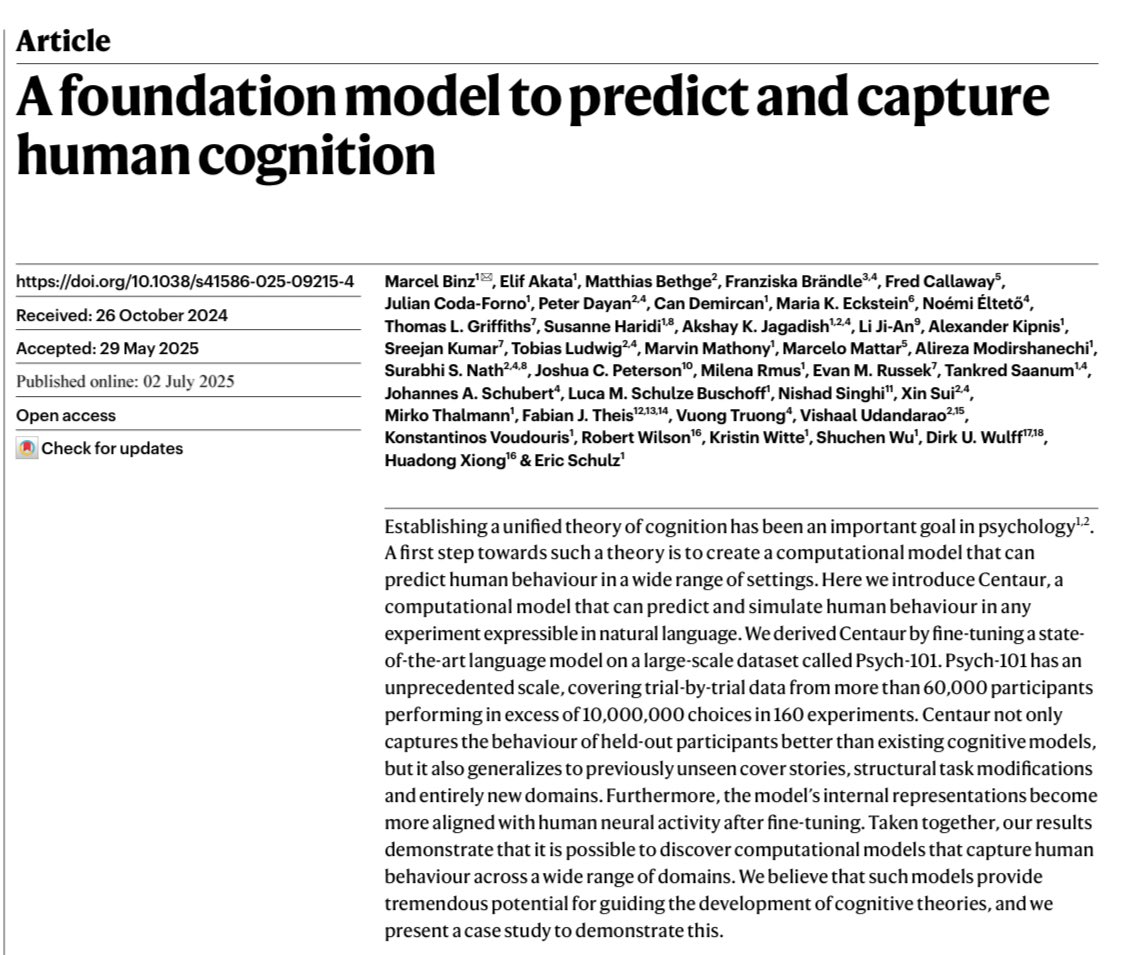
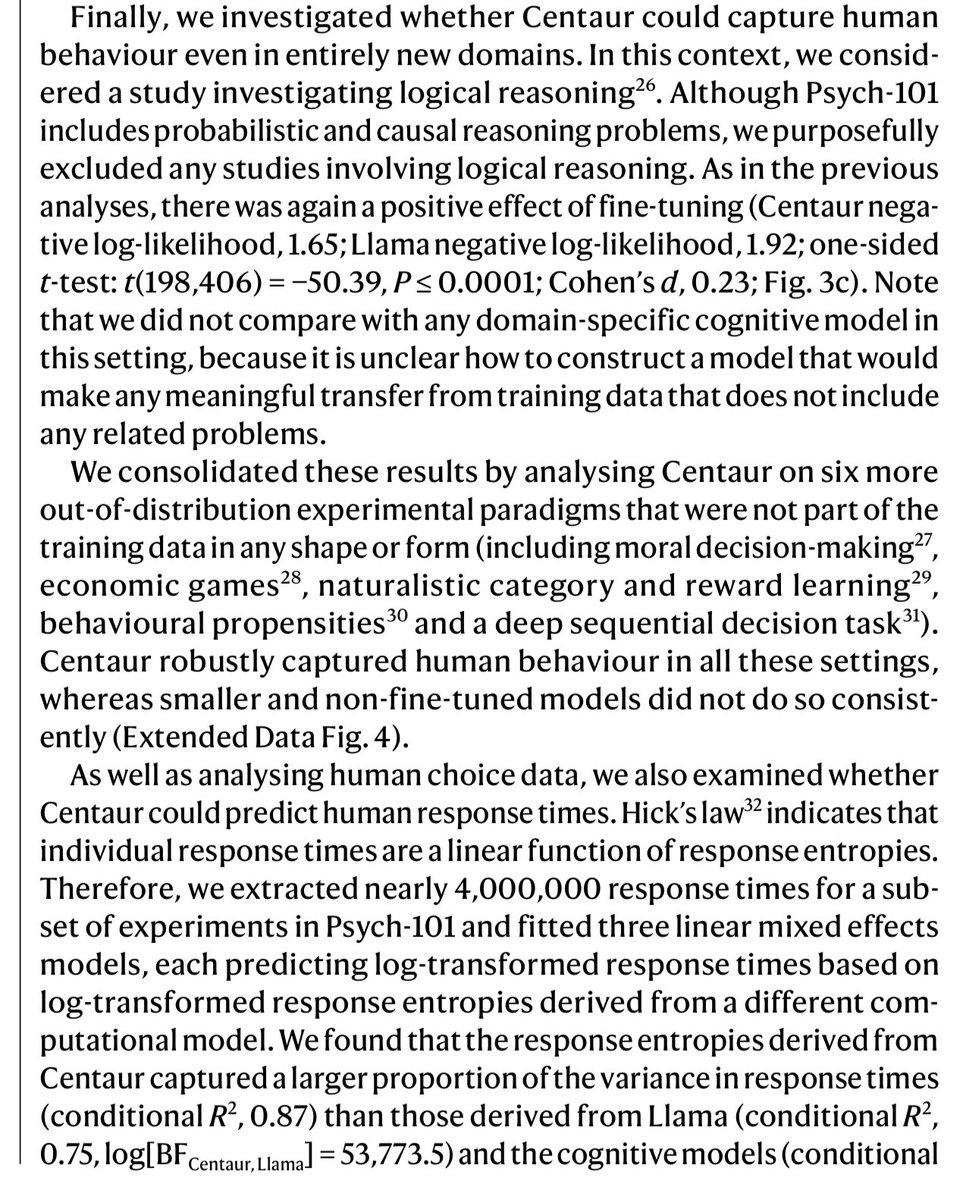
An AI model (Llama 3.1 70B) fine-tuned on the results of 60,000 people in psychology experiments shows some real promise in using LLMs for studying human behavior.
It predicts actual human behavior in held-out data & it generalizes to out-of-distribution tasks and experiments.
Of all the meeting platforms we've used over the last 2 years, Zoom is the one I love most.
Most of us think we know Zoom inside out.
But we don't.
Here are 7 Zoom hacks you probably haven't heard of, but you'll be glad you now know.
🧵👇
SENTRALBANKAR: Når endeleg mitt forskingsområde blir toppsak i media så druknar eg i kurs, artikkelrevisjon og fagfellevurdering. Men her kjem endeleg ein tråd om sentralbankar, uavhengigheit, og Stoltenberg-saka 1/20
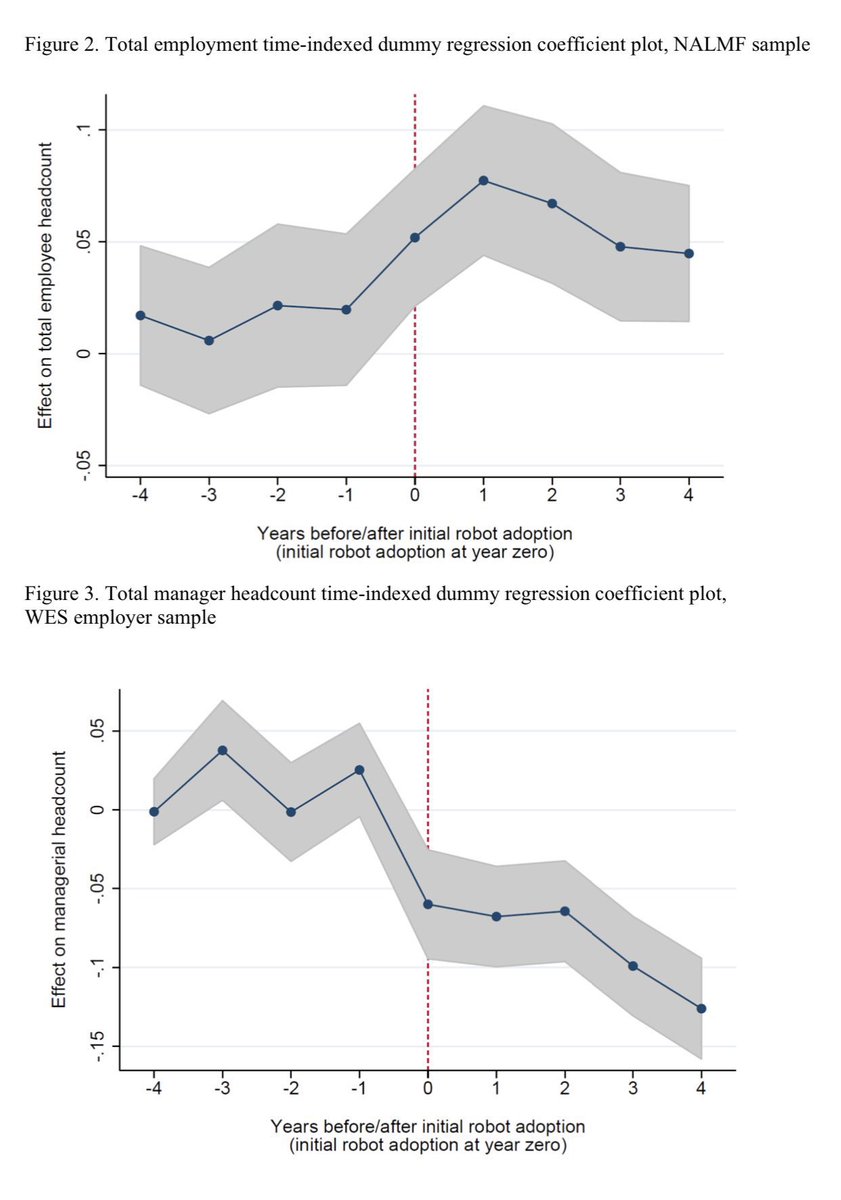
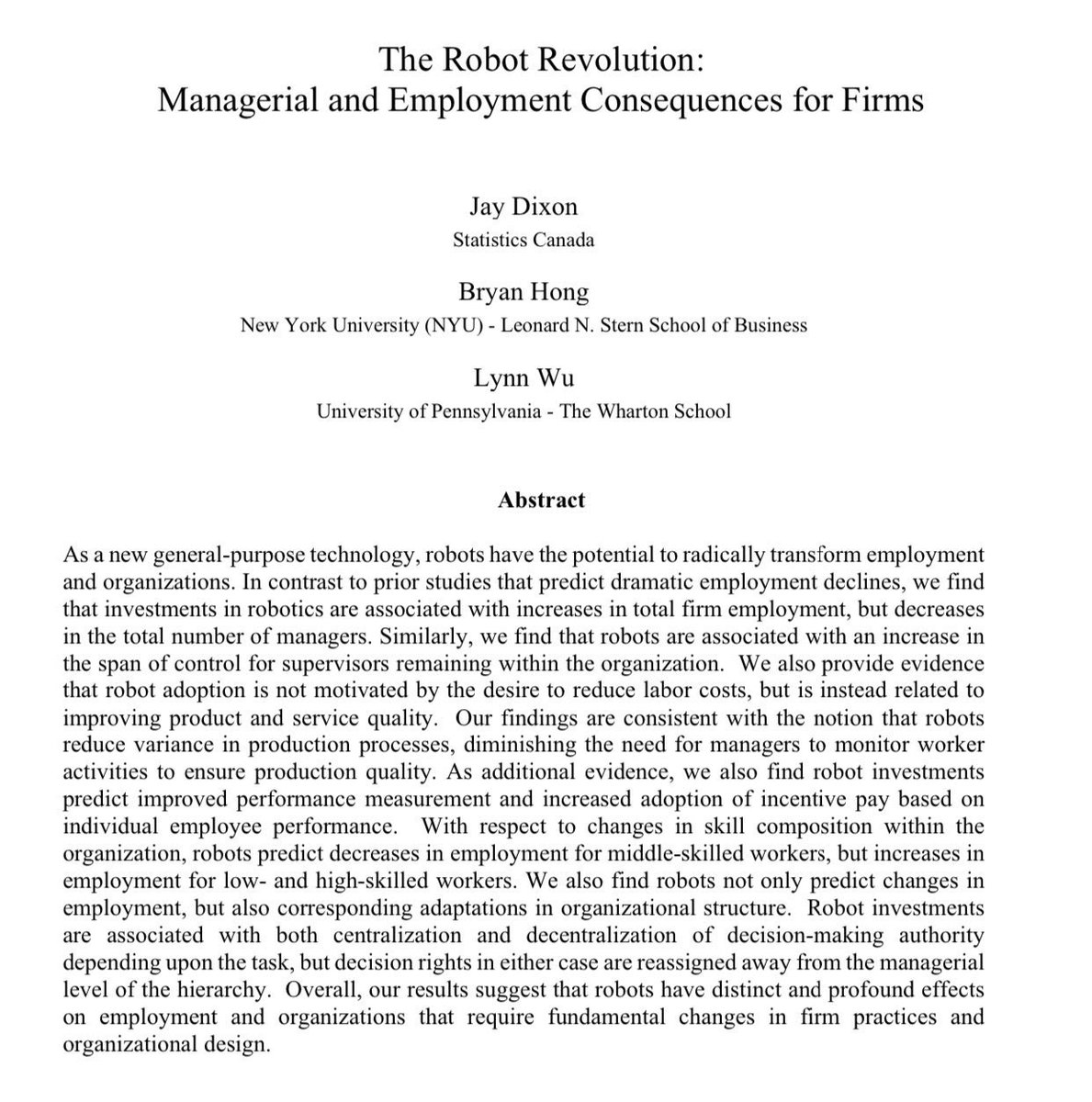
The jobs robots threaten are not the ones you expect: middle managers are actually at risk. High & low skilled employment INCREASES with more general purpose robots, but, as robots don’t need supervision, an entire level of management becomes unnecessary. https://t.co/nfOabfoPwR
Ny forskning tyder på at flere velkjente teknikker for å inspirere medarbeidere får mindre effekt på nett. Det innebærer større krav til andre elementer i god ledelse, skriver @LindaLaiProf https://t.co/ffl8dxZrox
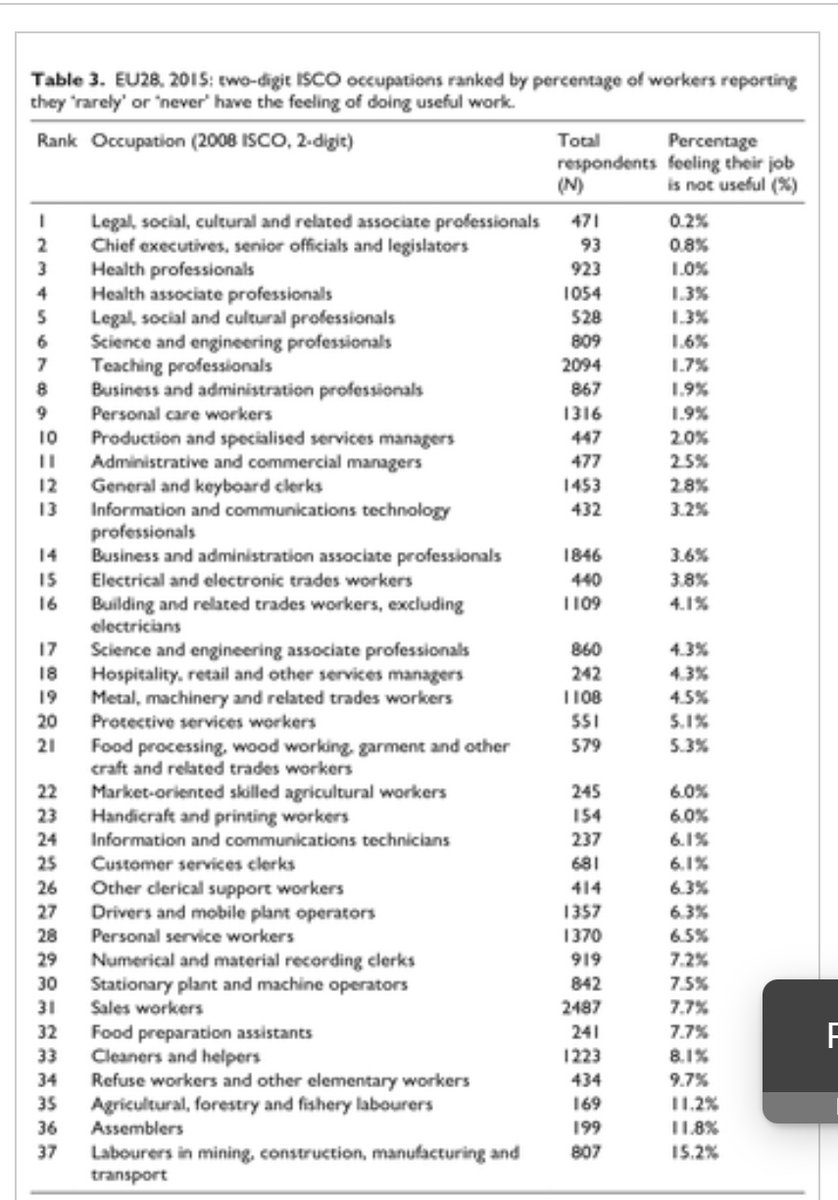
David Graeber claimed a large part of contemporary workforce thought they worked meaningless BS jobs & these were most common in white collar occupations. New study finds number of BS workers is small (~5% in EU) & BS work most prevelent outside office https://t.co/GKff6LP0x5
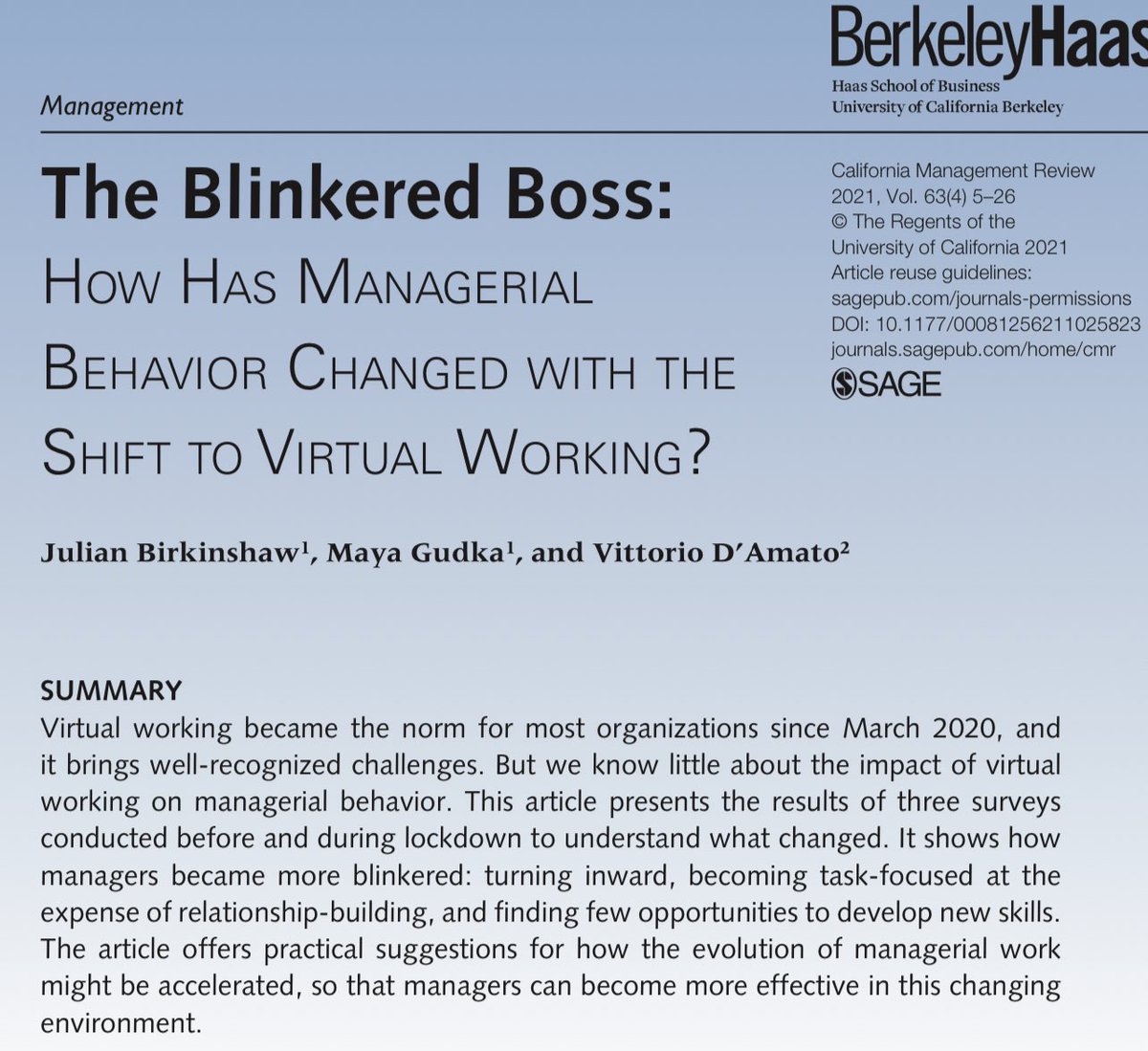
I wonder if the relatively small disruption to personal productivity from online work might be hiding a larger hit to long-term organizational health. This survey of managers finds online leads to more focus on tasks, but also less mentoring, relationship-building, and learning.
Qualitative soc methods folks! I am releasing my anonymized interviews with amaz*n, ub*r & l*ft workers into a public data set. They’re structured & might be cool to use if you’re teaching how to code qual interviews. Qs: work + automation, used them for my last 2 articles
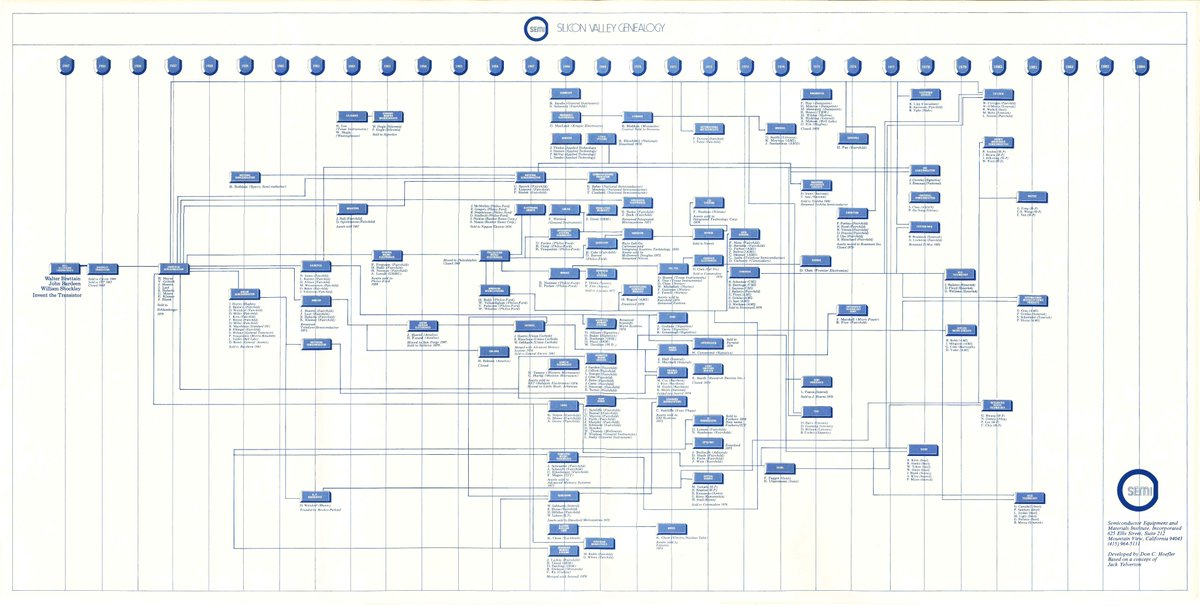
Companies have genetics as well. When people start new companies, they transfer all sorts of stuff they learned from their parent organizations. Much of Silicon Valley traces descent from just a few companies, for example. Here is a great research summary: https://t.co/xye1hkGfNf
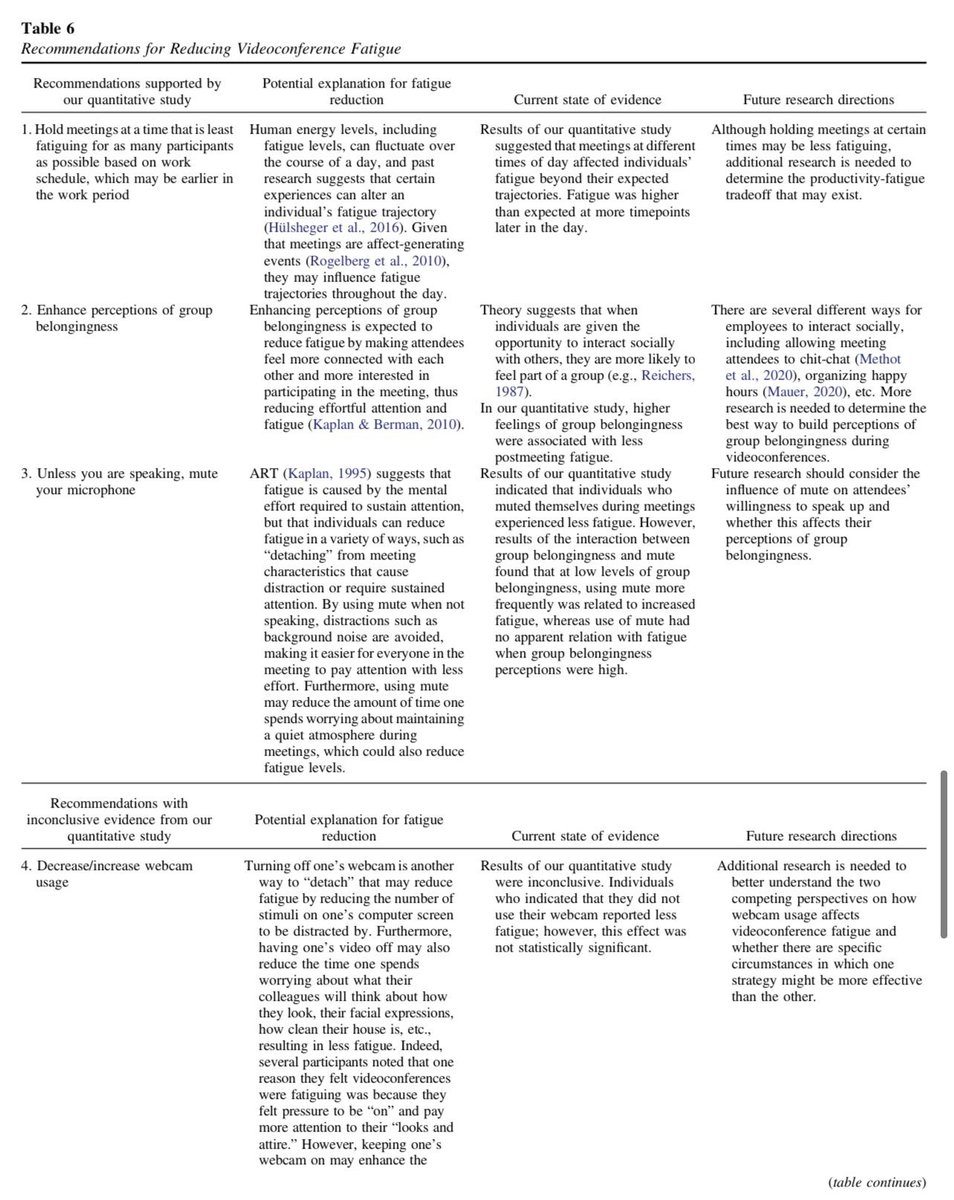
Timely research shows an easy way to reduce Zoom fatigue: 🔇Mute yourself when not talking!🔇
Also useful: Scheduling matters, as morning Zooms are less depleting. And you should focus on group belongingness by allowing time for casual chat among teams. https://t.co/VhIGWADXbC
The up-and-coming managers, when faced with this reality that central control is an illusion and that management is disconnected from work, give up rising careers & become hermits at the edges of the firm, where they feel they might matter. Summary: 2/
https://t.co/xf204nPmuC
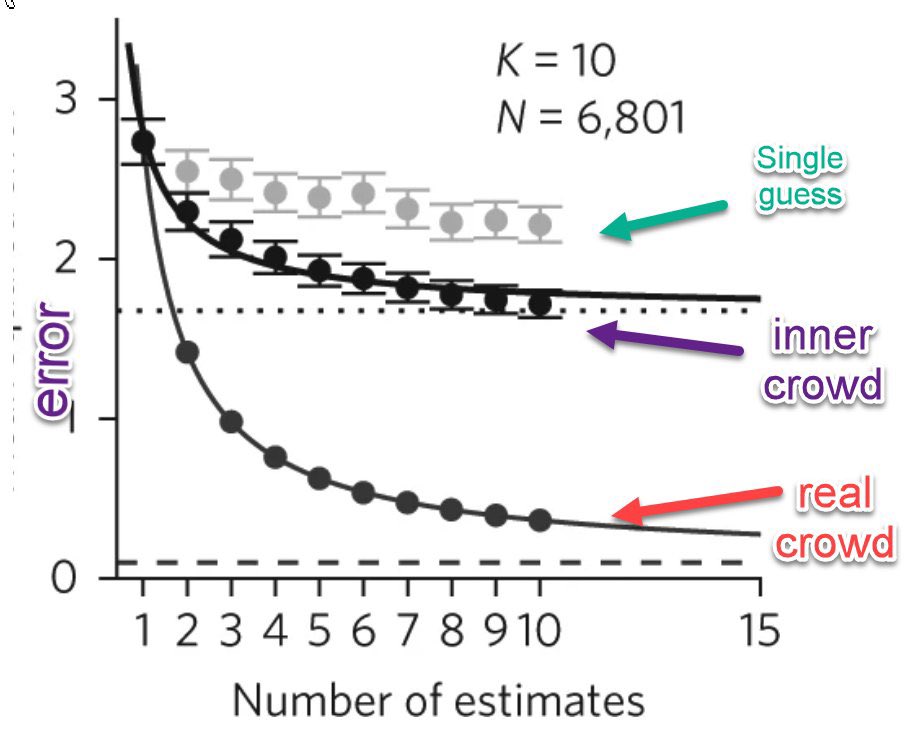
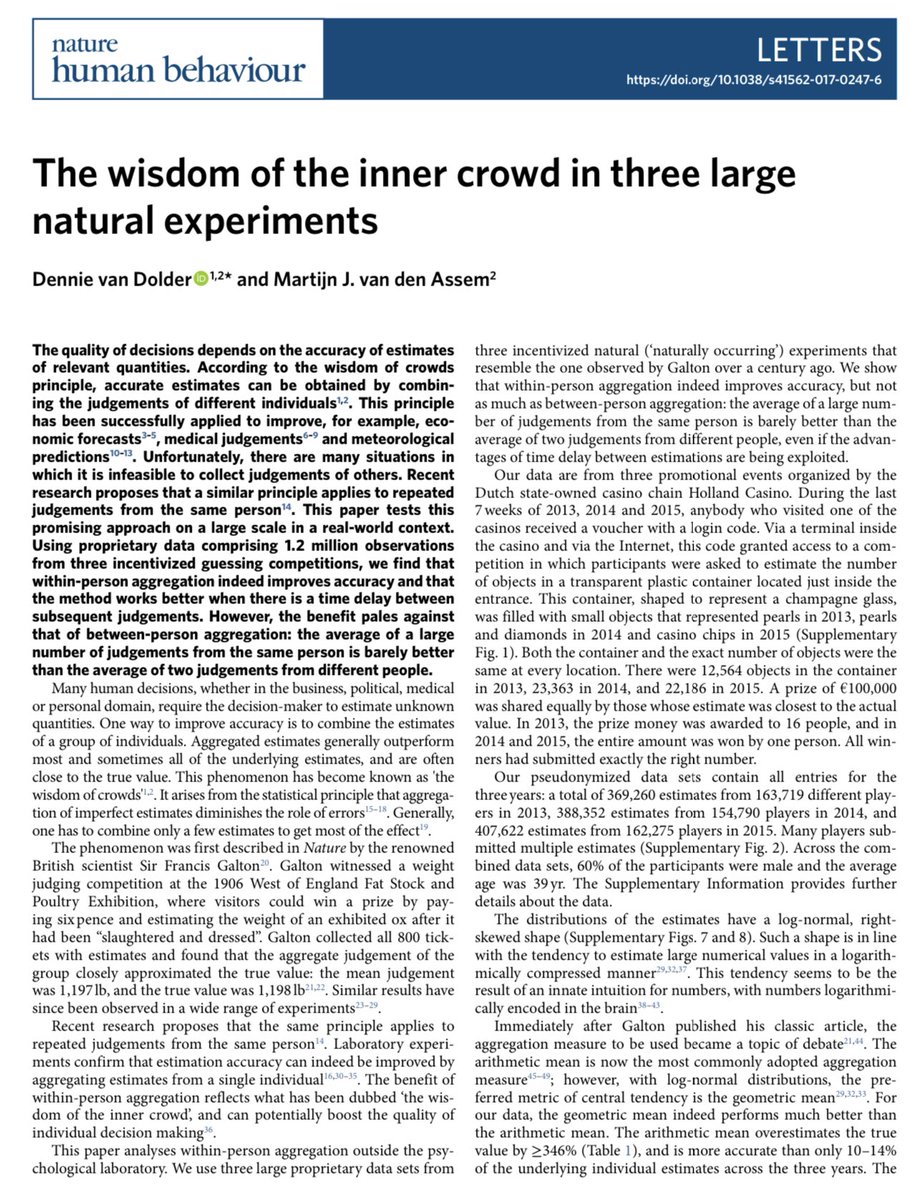
Really useful prediction trick: You can improve your own accuracy using "inner crowdsourcing:" make multiple guesses or predictions a couple of days apart & average them. A study of 1.2M guesses shows you will be more likely to be right, though less so than true crowdsourcing!
The penalty shootout in football is the essence of performing under pressure. I spent 5 years of my life studying the Psychology of this event. Here's what I learned, which can also help understanding it in the current Euros/Copa America. Thread based on 10 of our studies. (1/13)
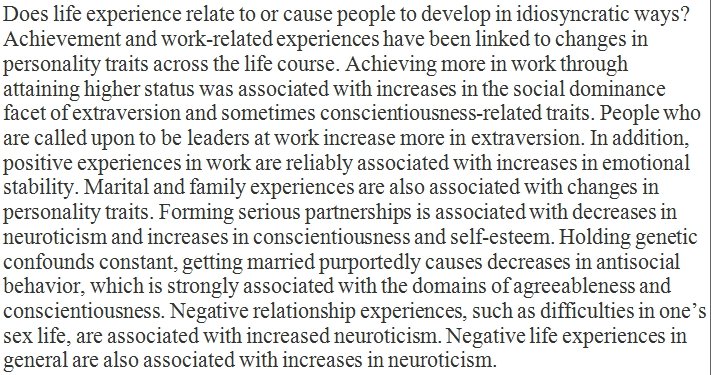
Positive experiences in work and love were associated with positive personality changes, in part independent of genetic dispositions. https://t.co/QkUo5bMBE5
What makes you good at learning to code? This small (but rich) study of folks learning to code found that an aptitude for learning languages was the biggest predictor of learning speed & cognitive ability the best for predicting accuracy. Math not as much. https://t.co/IthLkVfixV
I have been working on a project for almost a decade... how to turn MBA classes into games. As of now, 👏you can play them👏 including a FREE 90 minute game on startups & strategy that is fully self-contained (but can be used in class): https://t.co/wGEvJUzwOC
Why do it? 🧵 1/
Another piece of the remote work puzzle is falling into place: how to facilitate info sharing. Remote “water cooler” events (casual 15 short Zooms between interns & managers) resulted in higher performance & better satisfaction than a variety of controls. https://t.co/ivCA50fTQT
Video chats undermine the collective intelligence of groups, but in a surprising way. It turns out it is the video, and not the chat, that is the problem. Teams with video on during calls end up syncing up less, and have less even turn-taking during meetings. Turn off your video?