AI is infrastructure, not software. Writing about power, chips, and the physical systems that decide the outcome. SVP Autonomy and Energy at Scania. Ex-Google
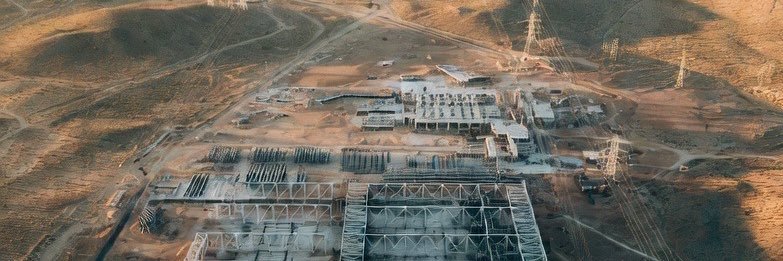
The $50B is the easy part. You can pour a data center shell in a year but the transformers and switchgear that actually energize it run 2 to 3 year lead times now, so the concrete finishes long before the site can do anything.
BREAKING: US data center construction spending jumped +28% YoY in April, to a record annualized rate of $50.7 billion.
At the same time, public spending on transportation came in at $49.9 billion.
This means data center construction spending has outpaced government transportation spending for the first time in history.
Since 2022, spending on data centers has surged by +357%.
Over the same period, government spending on transportation has increased +16%.
As a result, data centers now account for 2.3% of all US construction spending.
The AI buildout is reshaping US infrastructure spending.
I work on energy infrastructure. You cannot order your way past a transformer factory sold out through 2028, or skip a permitting cycle.
The value moves to whoever can get power to the rack. The physical economy is now the binding constraint on the digital one.
The tell: roughly a third of new capacity is now designed to run off-grid. Gas on site, batteries, behind the meter.
Read as a sustainability move. It is the opposite. It is hyperscalers voting no confidence in utility timelines and integrating backwards into power.
Autonomous truck: 8.56 a mile today. Human: 2.55. Everyone calls driverless freight hype. Goldman has those lines crossing by 2028, and a Berkshire company just ran driverless trucks Dallas to Houston with nobody in the seat. Freight beats robotaxis to the money.
@ShadowofEzra One gigawatt on a slide is the easy part. Energizing it is the multi-year problem. Microsoft's 1GW Kenya site already stalled on grid. Substation transformers run 4 year leads, interconnect longer. The Barn cures nothing until the utility says yes.
@Polymarket Funding is the headline, not the constraint. Even fully capitalized, that €20B hits a 5-6 year backlog on grid power equipment. Money was never the bottleneck here. Transformers and interconnect queues are. Europe just permits slower than the US.
The returns aren't failing, the timeline is. You can cut headcount in a quarter but an automation system needs years of tuning before it carries the load, so the cost lands now and the capability shows up long after the people are gone.
Amazon opened its freight and fulfillment network to everyone on May 4. P&G and 3M signed day one. Every 3PL now competes with the company that already ships their customers' boxes. AWS moment for logistics, and most of the industry is pretending it isn't.
@amitisinvesting $80B added in a day on a trillion dollar call. Demand is real. But Marvell ships through the same wall everyone hits. HBM sold out, packaging is the chokepoint, substrates run on quarters. Announced silicon and shippable silicon sit 12 to 18 months apart.
@StockSavvyShay On-site power is the tell, not the fix. Everyone runs to Bloom and gas turbines because grid interconnect is 5 to 7 years out. But turbine and fuel cell lead times are stretching too, and air permits for behind-the-meter gen are the next wall. The bridge is filling up.
@edzitron Valuation case and physical case point opposite ways. Nobody can get power. Interconnect queues run 5 to 7 years, transformers 4. If this were pure hype the grid wouldn't be the binding limit. The problem isn't overbuilt. It's that they can't build fast enough.
@KobeissiLetter $965B prices in compute that does not exist yet. $47B run-rate assumes the racks behind it get energized on schedule. They will not. Power and transformer lead times lag the model roadmap by 3 to 5 years. The IPO math runs faster than the grid can.
@schrep Right thesis. The physical economy is where the next decade gets built. But the binding constraint your portfolio hits is not capital or tech. It is grid permitting and transformer lead times. Heron Power matters because that queue runs 7 years.
@PatrickMoorhead One validated rack is not capacity online. The Vera Rubin bring-up is the easy part. 72 GPUs powered in a lab is not gigawatts behind a 7 year interconnect queue. Silicon ships fast. Substations and megawatts set the real timeline, not the press release.
Everyone reads this as a water scandal but water is the one constraint you can engineer around with closed loop cooling, and what you cannot engineer around is a town watching its bills double and killing the permit long before the grid connection ever matters.
🦔A developer in California's Imperial Valley wants to build a $10 billion data center half a mile from homes that would consume 750,000 gallons of water per day. He claims it'll train Google's Gemini AI. Google denies any involvement. Residents' water bills have already doubled in six years, California doesn't require data centers to report water usage, and no central authority oversees any of it. A data center takes two to three years to build. A new water source takes up to twenty. Inside Climate News had the full investigation.
My Take
I posted about the Utah Stratos Project last week and this one runs on the same playbook. Developer shows up with a multibillion dollar proposal, name-drops a major tech company, and the tech company says they've never heard of him. California has no reporting requirement for data center water use and no central permitting authority. Hundreds of city and county governments are all figuring this out on their own with no playbook.
These facilities go up in two to three years but the water infrastructure they depend on took decades to build and nobody sized it for AI training loads. Margie Padilla, a mom in Imperial who grows her own food, already pays double what she paid six years ago for water and expects restrictions next. She's not against technology. She just wants to know who decided her water should subsidize a facility that a $2 trillion company won't even put its name on. Fair question.
Hedgie🤗
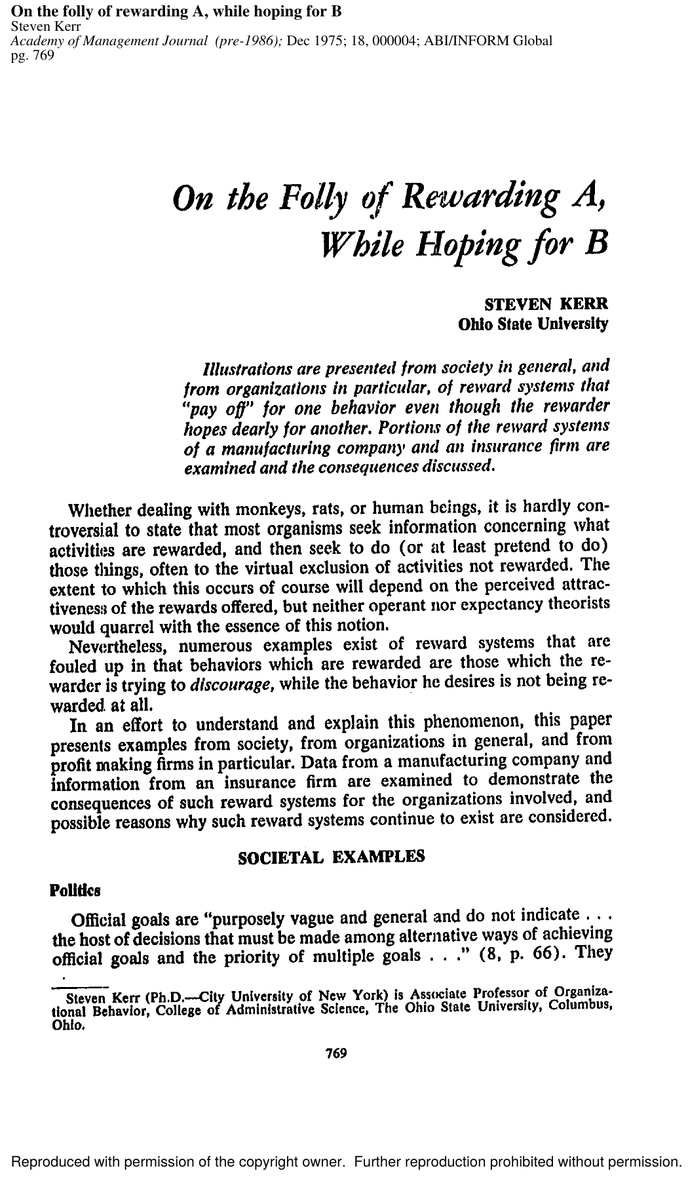
A 50-year-old paper about soldiers, professors, and doctors is the best AI strategy document I have read this year. Steven Kerr's "On the folly of rewarding A, while hoping for B" (1975).
@65FBack IREN locking up power early is the real edge. Owning energized sites is worth more than the GPUs now. The ones who got grid connections years ago are basically the only ones who can build on time.
The AI bottleneck stopped being chips.
Now it's transformers, copper, switchgear, helium.
Omdia says 30 to 50% of the data center capacity planned for 2026 slips to 2028. The money is there. The physical supply chain isn't.
@StockSavvyShay The battery smooths the load. It doesn't get you 136MW connected. 11GW of announced 2026 data center capacity won't energize on time and chips aren't the reason. Interconnect queue and substation lead times are the real ceiling. Storage helps stability, not permitting.