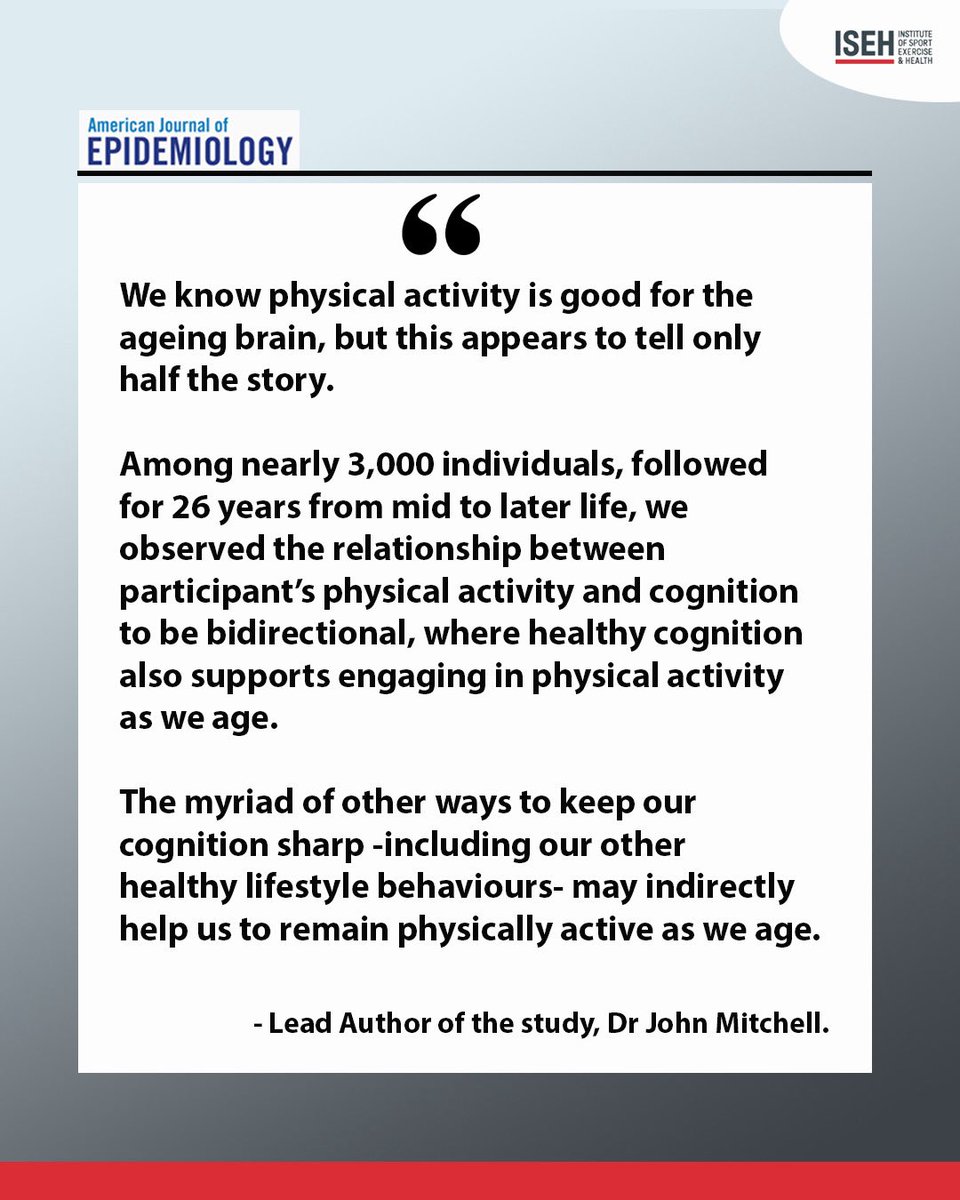
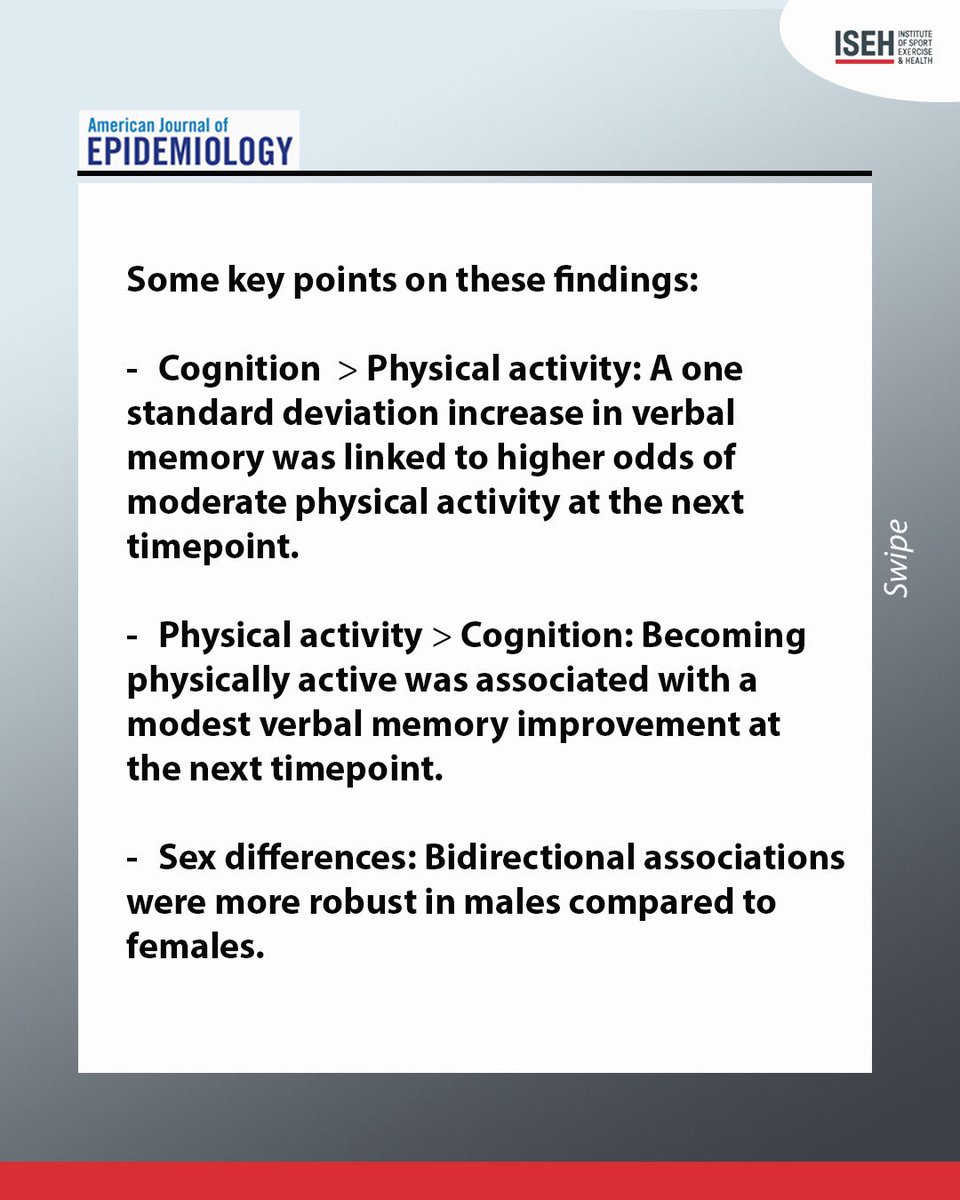
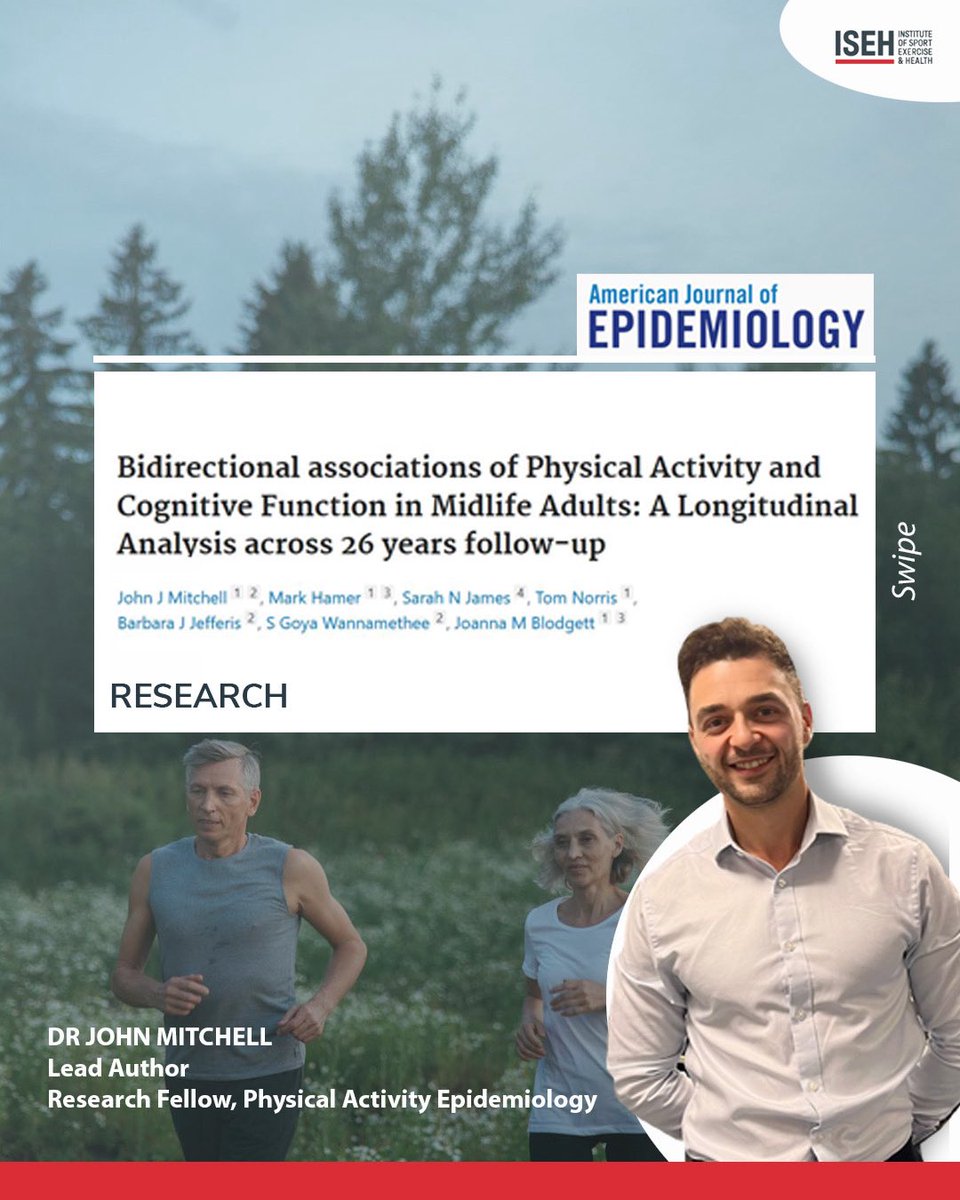
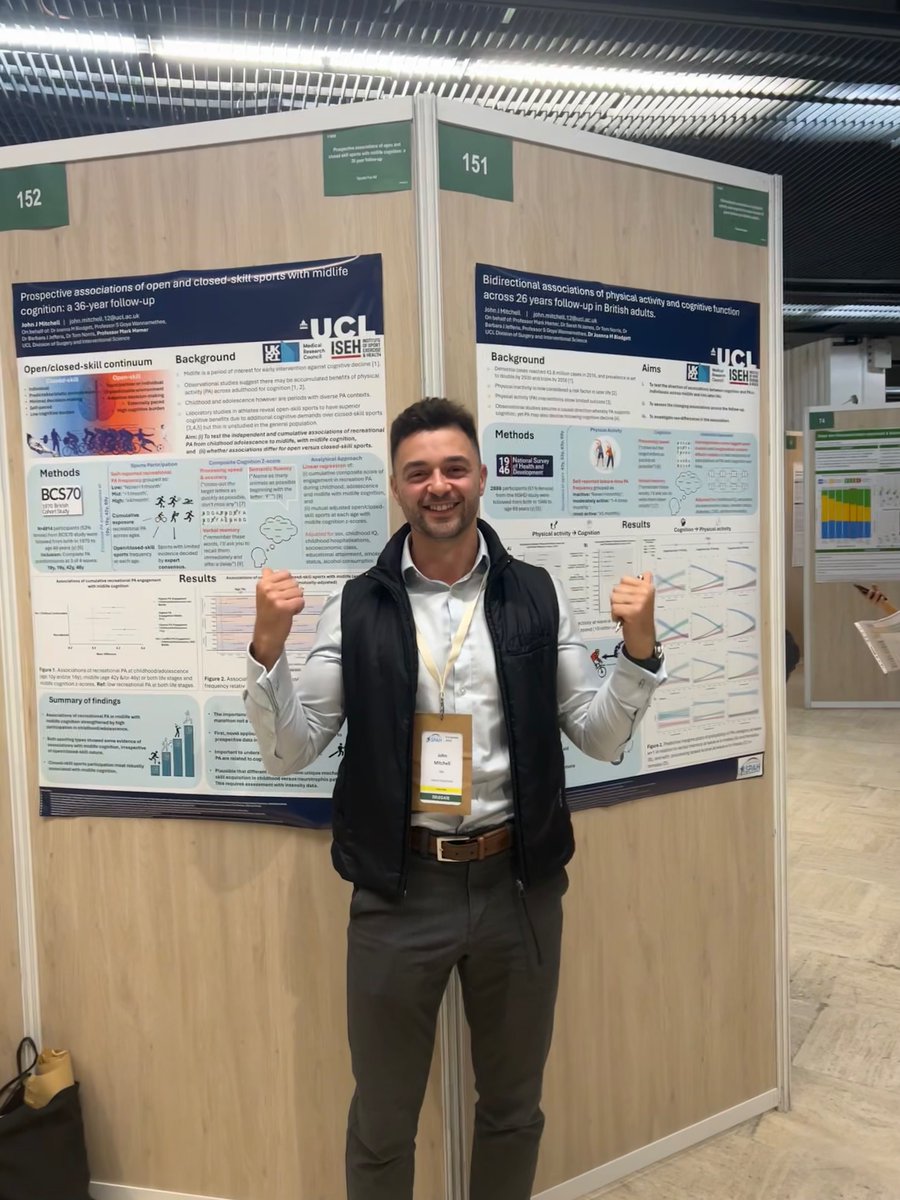
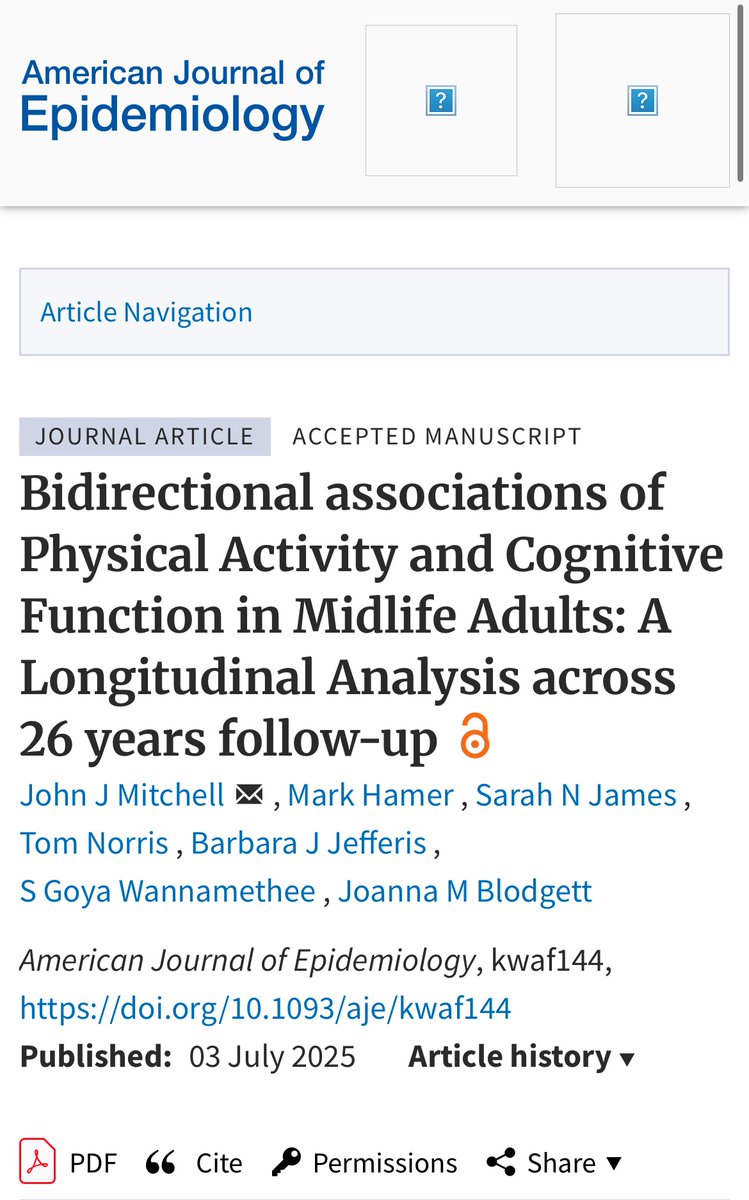
New research�� 🧠🏃🏃♀️ISEH’s Dr John Mitchell, inc Dr Jo Blodgett & Prof. Mark Hamer, investigated the bidirectional relationship between #physical activity & #cognitive function in midlife. 1/2
Swipe👉👉
🔗 https://t.co/rbHS7yh81U
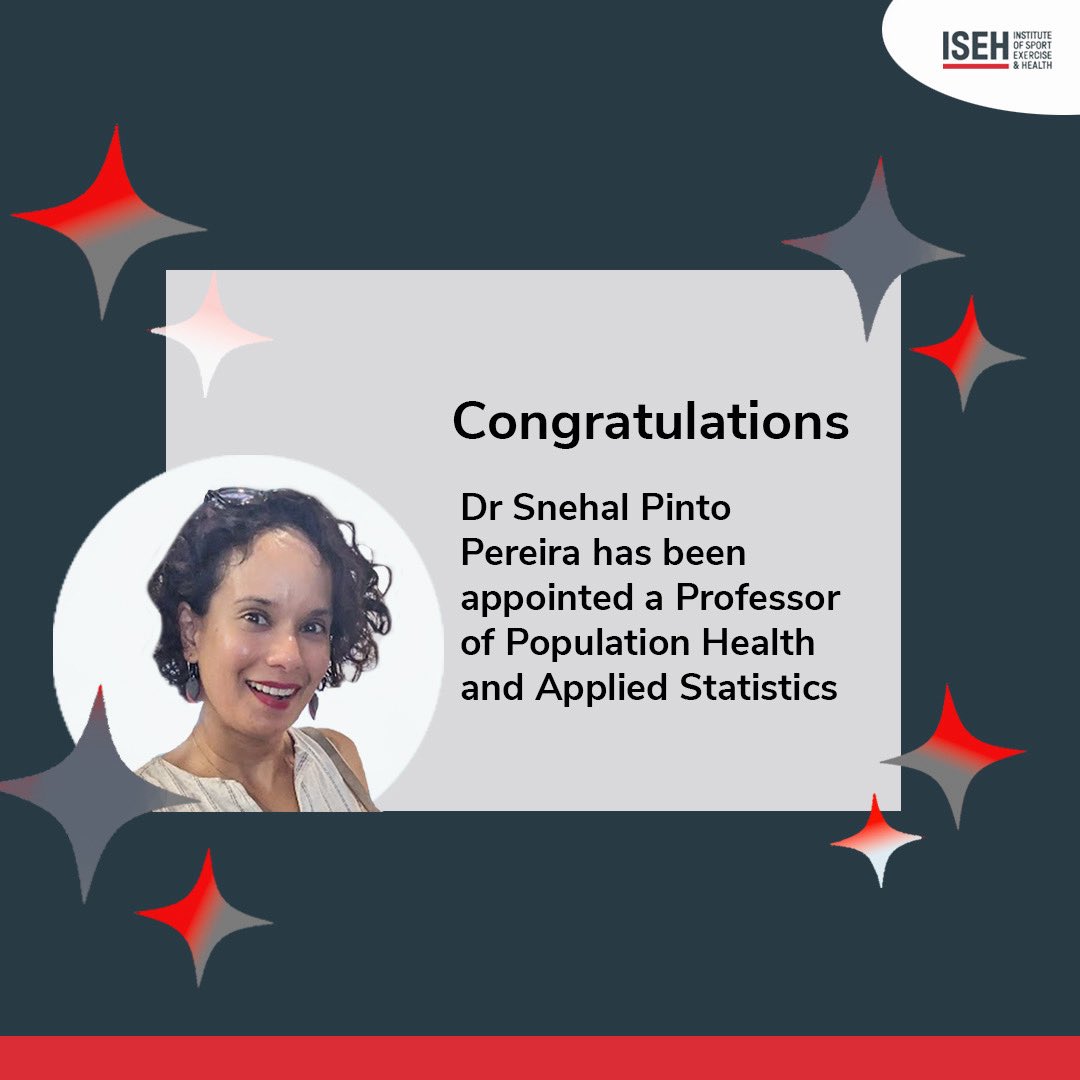
✨We are incredibly pleased to announce that ISEH’s Dr Snehal Pinto Pereira has been appointed Professor of Population Health and Applied Statistics within our partner organisation, UCL’s Division of Surgery and Interventional Science. Keep reading: https://t.co/FdWyYH7Ost
“Moving is good for the brain” 🧠🚶♀️— does it work both ways?
Our new study spanning almost 3 decades suggests a healthier brain may also help us stay active as we age. 🧠🔄🏃♂️ Preserving cognitive health could be key to keeping us moving as we age:
https://t.co/YwgsW9bbpW
ECRs are foundational to the future of physical activity epidemiology, and will shape the future of evidence generation for global health guidance 🧘♂️🚴♂️🥗 💤 Great to have many of our ECRs out sharing their work, and forging international links the PA-Nutrition community @ISBNPA !
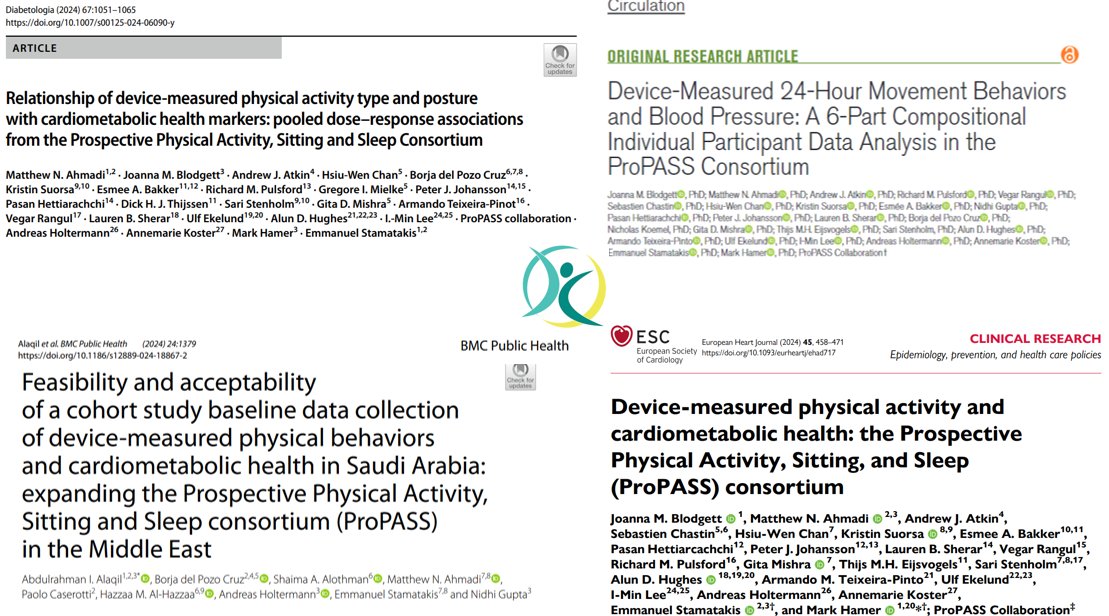
📯 End-of-year round-up.🥁 A look back at some of the top outputs from the #ProPASS Consortium and it's ECR's this year.
Showcasing the 'proof-of-principle', the potential impact and capacity for global expansion- moving toward more accurate, representative health guidance!
We would like to congratulate Dr John Mitchell, Research Fellow at ISEH, on the recent completion of his PhD on the topic of the “Importance of physical activity for healthy cognitive ageing.” We are very proud to share his achievement.👏👏
We’re proud to announce that ISEH & @ucl Prof. Mark Hamer @ma_hamer has been recognised as one of the most influential researchers globally in Clarivate's annual Highly Cited Researchers list for 2024.👏✨
Keep reading: https://t.co/amlE1aVP7x
Interventions across the whole life course can help mitigate dementia risk: Professor Livingston on the updated Lancet commission, implicating physical inactivity even in midlife-
https://t.co/32O7FFFg7P
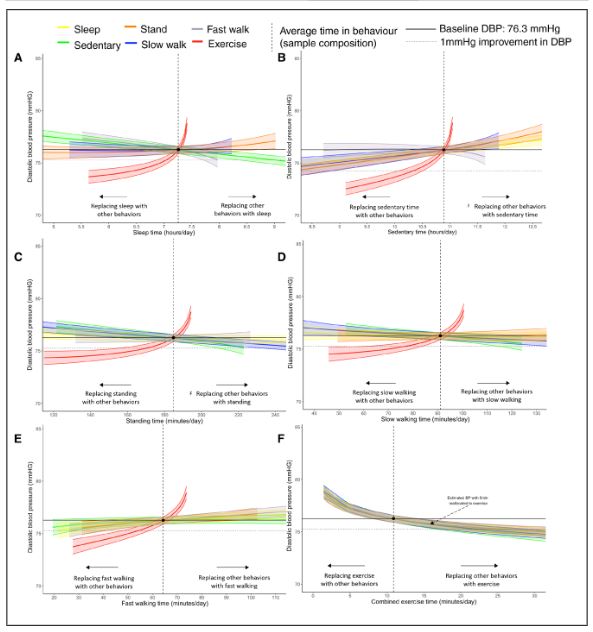
Exercise-induced reductions in blood pressure can reduce prevalence of cardiovascular outcomes by 7 to 28% at the population level: ProPASS consortium @ma_hamer@AnnemarieKo@ThijsEijsvogels@EsmeeBakker__ https://t.co/JVWv4DHCuk
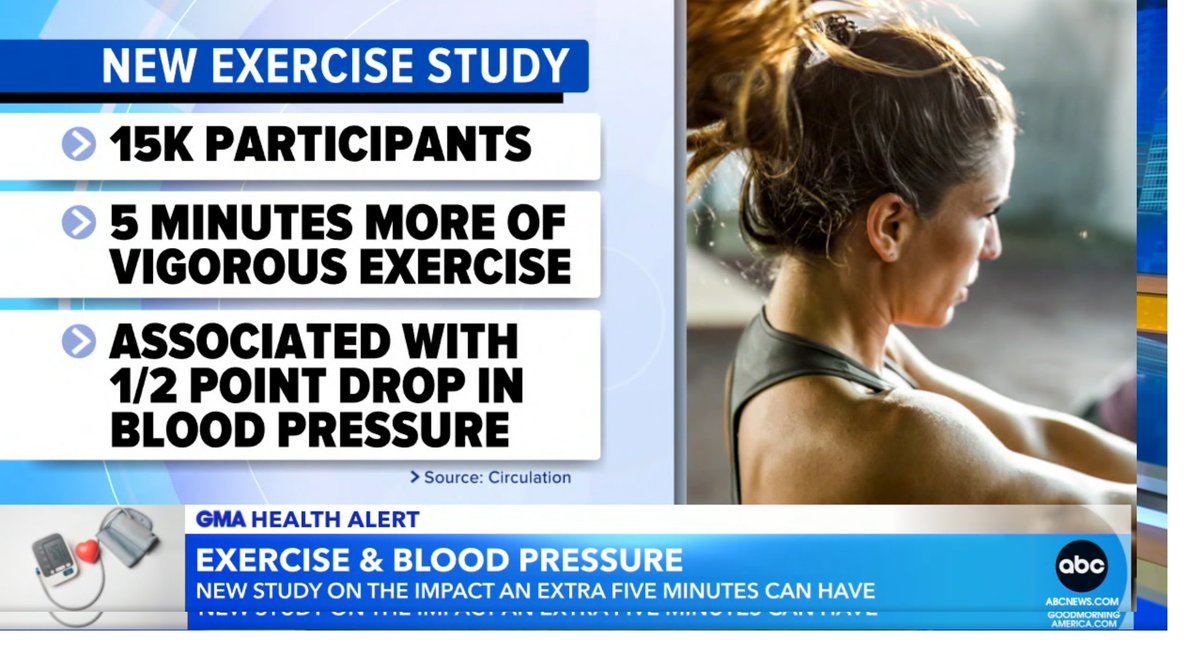
The latest ProPASS work, out now in Circulation further underscores the importance of even small changes to movement behaviours in the 24-hour day for meaningful changes to CVD risk. See more: https://t.co/pDHHCs8LmK
https://t.co/A8DlY4jARv
🚨 New article from @ProPASSconsort in @CircAHA on 24-hour movement behaviours & blood pressure
Findings show measurable associations from replacing any activity with just 5 min/day of exercise-like movement, and clinical significance at 10-25 min/day
🔗https://t.co/H4SUcZvxe7
https://t.co/W9DAicpWca
Congrats to @blodgettjm and the @ProPASSconsort on another output demonstrating the importance of the international consortia for informing guidelines and practice.
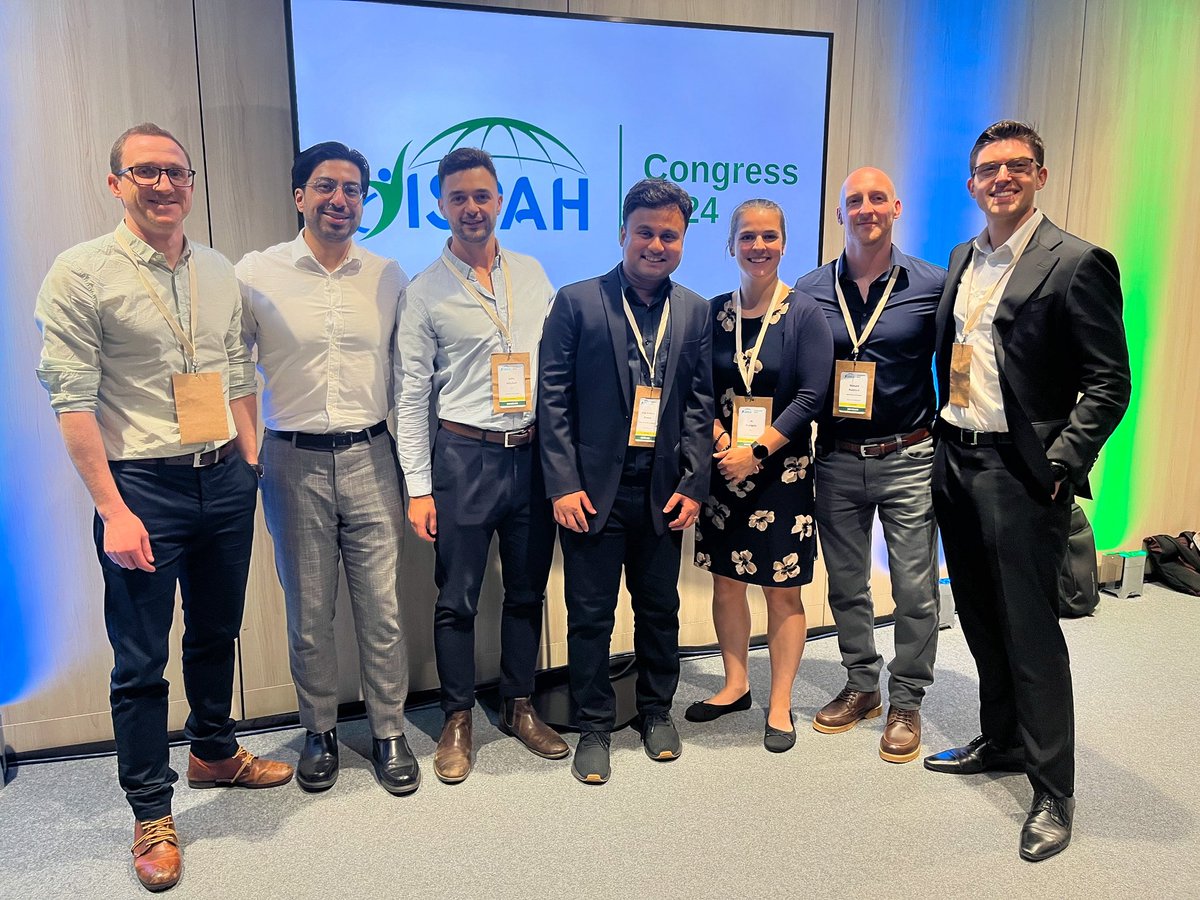
It was amazing to finally meet the entire ProPASS team in person at the 2024 ISPAH Congress. Such a great experience to collaborate with so many talented researchers and engage in these exciting discussions about the role wearable technology in research! 🌏 #ISPAH2024
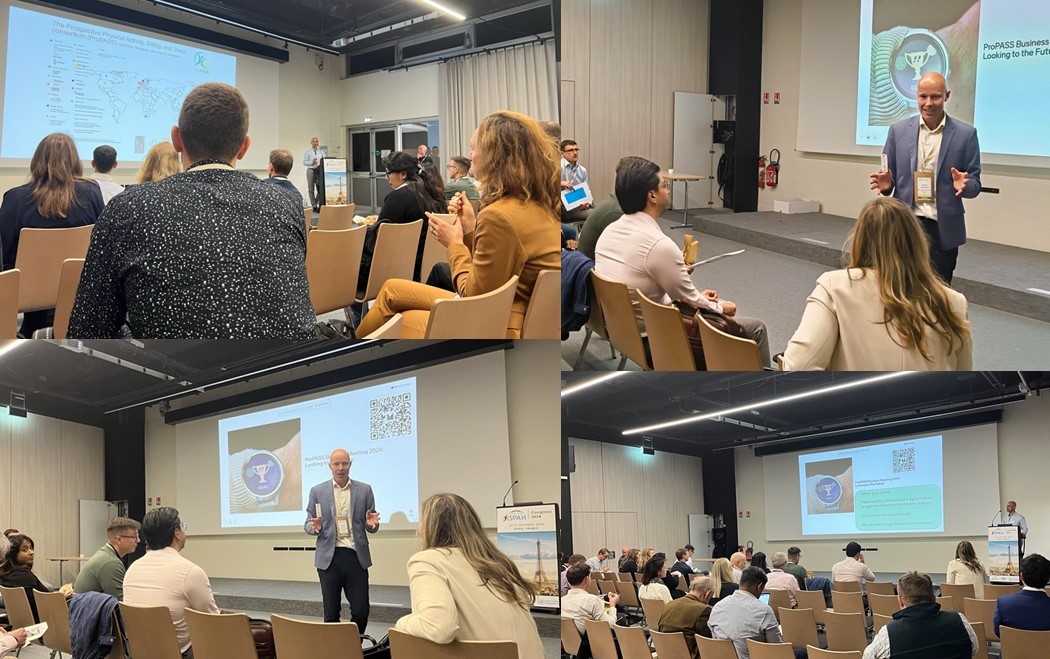
ISPAH Day 3: Delighted with the success of the ProPASS symposium at #ISPAH2024! 🌍Inspiring to hear about the cutting-edge methods and findings from our ProPASS team. Grateful to our collaborators and leadership team for driving this work forward!
#ProPASS#PhysicalActivity
Day 2 at ISPAH 2024: Incredible presentations from our ProPASS members showcasing the diverse applications and future of wearables in physical activity research! 📊💡
#ProPASS#PhysicalActivity#ISPAH2024#collaboration
ISPAH Day 1: “Collaborate” 🤝 – A key theme from today's insightful discussions at the ProPASS business meeting. Shaping the consortium's future with our expert collaborators and international partners. 🌍✨
#ISPAH2024#ProPASS#PhysicalActivity
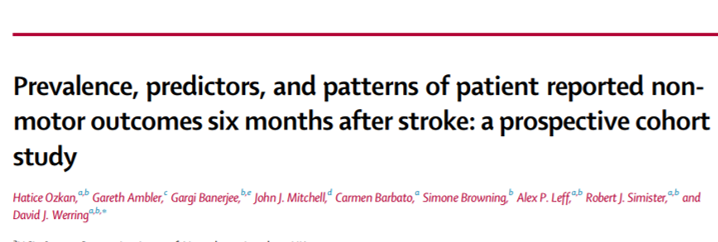
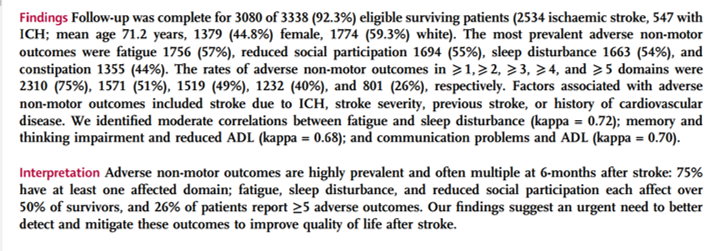
What's the reality of the stroke recovery, beyond repairing the physical damage? After years working with those in recovery, we find that 6m downstream, 75% of stroke survivors still face adversity from fatigue, sleep, memory, ADL and social challenges. >25% will have all 5.
What's the reality of the stroke recovery, beyond repairing the physical damage? After years working with those in recovery, we find that 6m downstream, 75% of stroke survivors still face adversity from fatigue, sleep, memory, ADL and social challenges. >25% will have all 5.