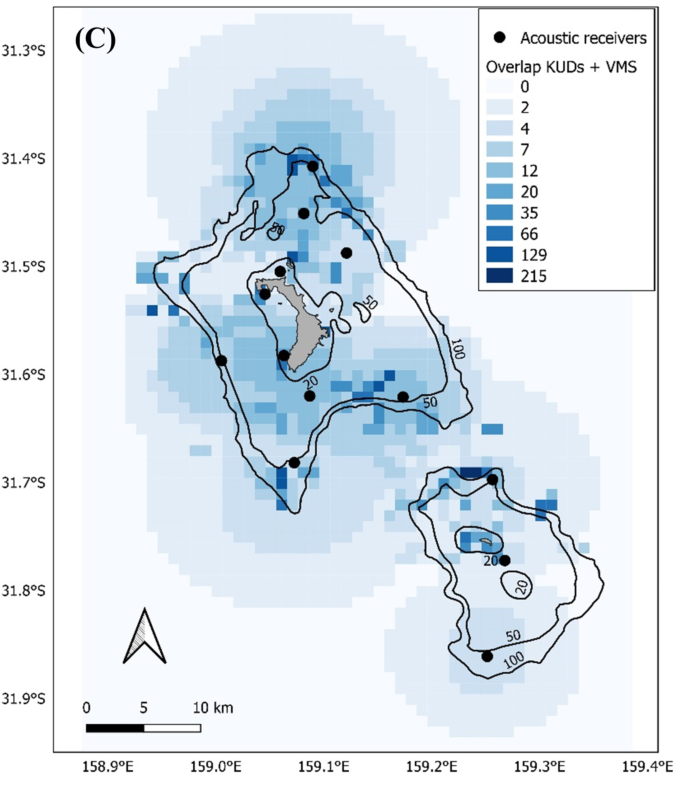
Shark depredation + bycatch are common at Lord Howe Island. We identified key fisher-shark overlap areas using telemetry and vessel tracking, and collated expert fisher knowledge to aid mitigation efforts
https://t.co/g8RmffRHsU…
@ausmarineparks@uwaoceans@IMOSAnimalTrack
12 Reasons Why Cities Need More Trees:
1. Temperature Control
One large tree is equivalent to 10 air conditioning units, and the shade they provide can reduce street temperature by more than 30%.
2. Noise Reduction
Trees can reduce loudness by up to 50%. In urban areas filled with the sound of cars, construction, sirens, aeroplanes, and music, trees are essentially the best way to block noise and keep cities — along with the homes and workplaces in them — quieter.
3. Air Purity
Trees remove an astonishing amount of harmful pollutants and toxins from the air. In urban areas air quality is often disastrously bad — with severe consequences for our health. Trees make the air we breathe much cleaner.
4. Oxygen
And, while absorbing all those pollutants, trees also put more oxygen back into the urban environment. Oxygen levels are significantly lower in cities compared to the countryside; trees help to solve that problem.
5. Water Management
Trees do more than just shelter us and our buildings from rain — which is, in fact, extremely important. They also absorb huge quantities of water, reduce run-off, neutralise the severity of flooding, and make flooding more unlikely altogether. Not to forget that their roots absorb pollutants and prevent them from feeding back into a city's water supply.
6. Psychological Health
Studies have proven what we instinctively know to be true: that human beings are significantly happier when surrounded by nature rather than sterile urban environments. Our emotions, behaviour, and thoughts are shaped by the places we spend time — and trees have a profoundly positive effect on our psychology. The consequential benefits of being happier and more peaceful — as individuals and as a society — are immense.
7. Physical Health
Beyond all the other ways in which trees improve air quality and the urban environment, much to the benefit of our health, they also encourage people to go outside. Cycling, running, and walking are all more common in urban areas with plenty of trees. A knock-on effect of people spending more time outdoors is also social integration and stronger communities.
8. Privacy
A simple point, but not inconsequential, is that trees provide privacy.
9. Economics
The total economic benefit of urban trees is hard to calculate. There are costs, of course, including the repair of infrastructure damaged by roots and maintaining the trees themselves. But the total economic benefit — a consequence of everything else in this list and more — far outweighs the expenditure. Trees make cities wealthier.
10. Wildlife
Trees are miniature cities all of their own, serving as a habitat for hundreds of different species, including birds and mammals and insects.
11. Light Pollution
Trees don't only block the light shining down, therefore keeping us and our cities cooler — they also disrupt light shining up, from street lighting, cars, houses, and billboards. Skies are clearer in cities with more trees.
12. Aesthetics
And, finally, trees are beautiful. They break up the potential monotony of urban environments — the sharp geometry, the greyscale roads and buildings, the endless rows of cars — with their trunks, boughs, canopies, and flowers.
Just think: the gold and red of falling leaves in autumn, the white and pink blossom of spring, the vast green canopies of summer, and the branches lined with hoar-frost in winter. Every single tree is a myriad of intricacy and texture, of colour and scent, of dappled light on the pavement, mottled bark, knotted roots, of clustered leaves and delicate petals and stern boughs.
Few streets would not be improved by the kaleidoscopic aesthetic delights of a tree, not to mention the many different species of tree, all over the world, whether willow, oak, lime, cherry, aspen, maple, birch, horse chestnut, dogwood, hornbeam, ash, sycamore... the list goes on.
There are some drawbacks to urban trees, most of them context-specific, and they are not — of course — universally appropriate. But it seems fair to say that many cities would benefit from at least a few more trees here and there.
I came across some great #elasmobranch artefacts from the Torres Strait and Pacific Islands at the #BritishMuseum in London. An amazing museum that was well worth the visit!
Did you know that, like people, great white sharks also have individual preferences for what they eat? Some like fish, some like stingrays, some like dolphins...
https://t.co/7g76au4TM9
🚨New project🚨
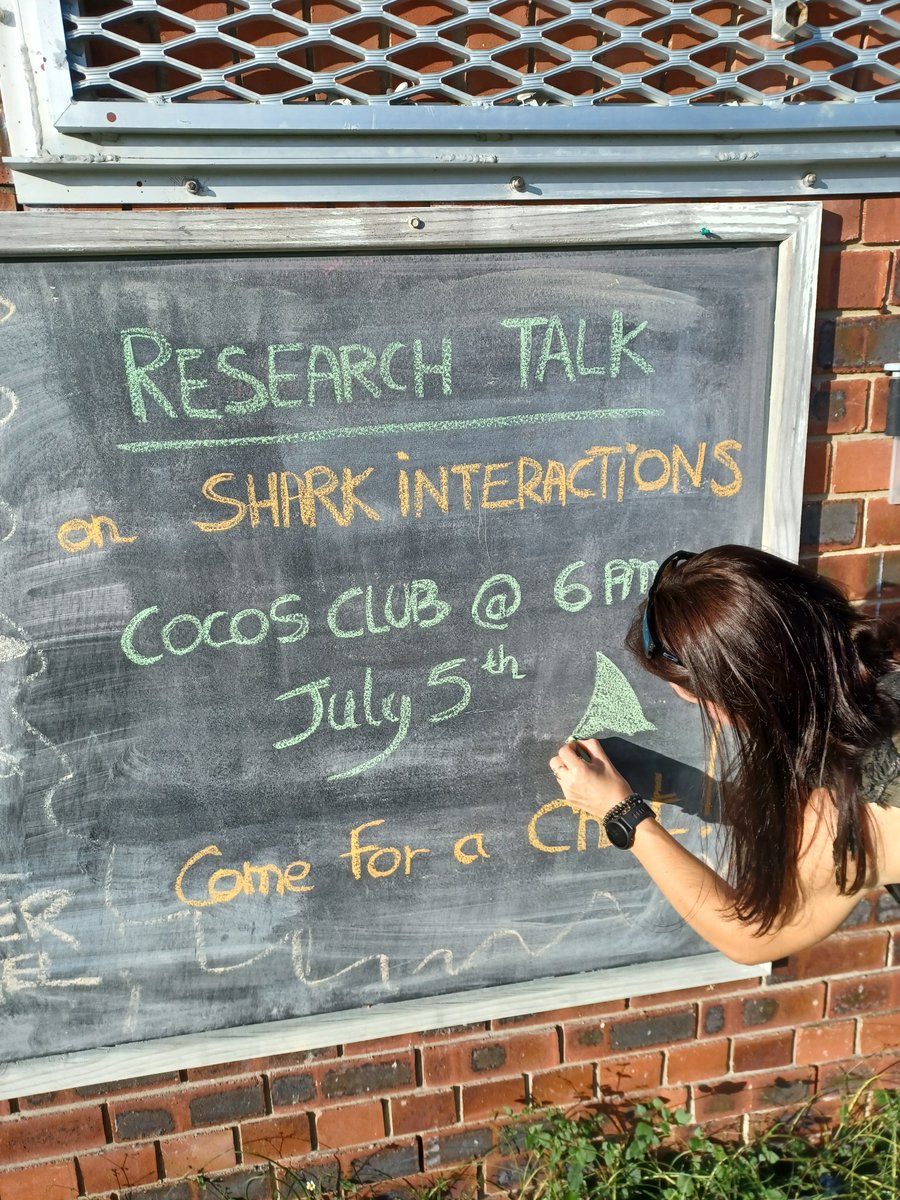
Thank you Cocos (Keeling) Island community for welcoming us for our @ausmarineparks funded Human-Shark Interactions project! We conducted surveys and community engagement to learn about how people interact with🦈in this atoll ecosystem! @uwaoceans @SeaCountrySol
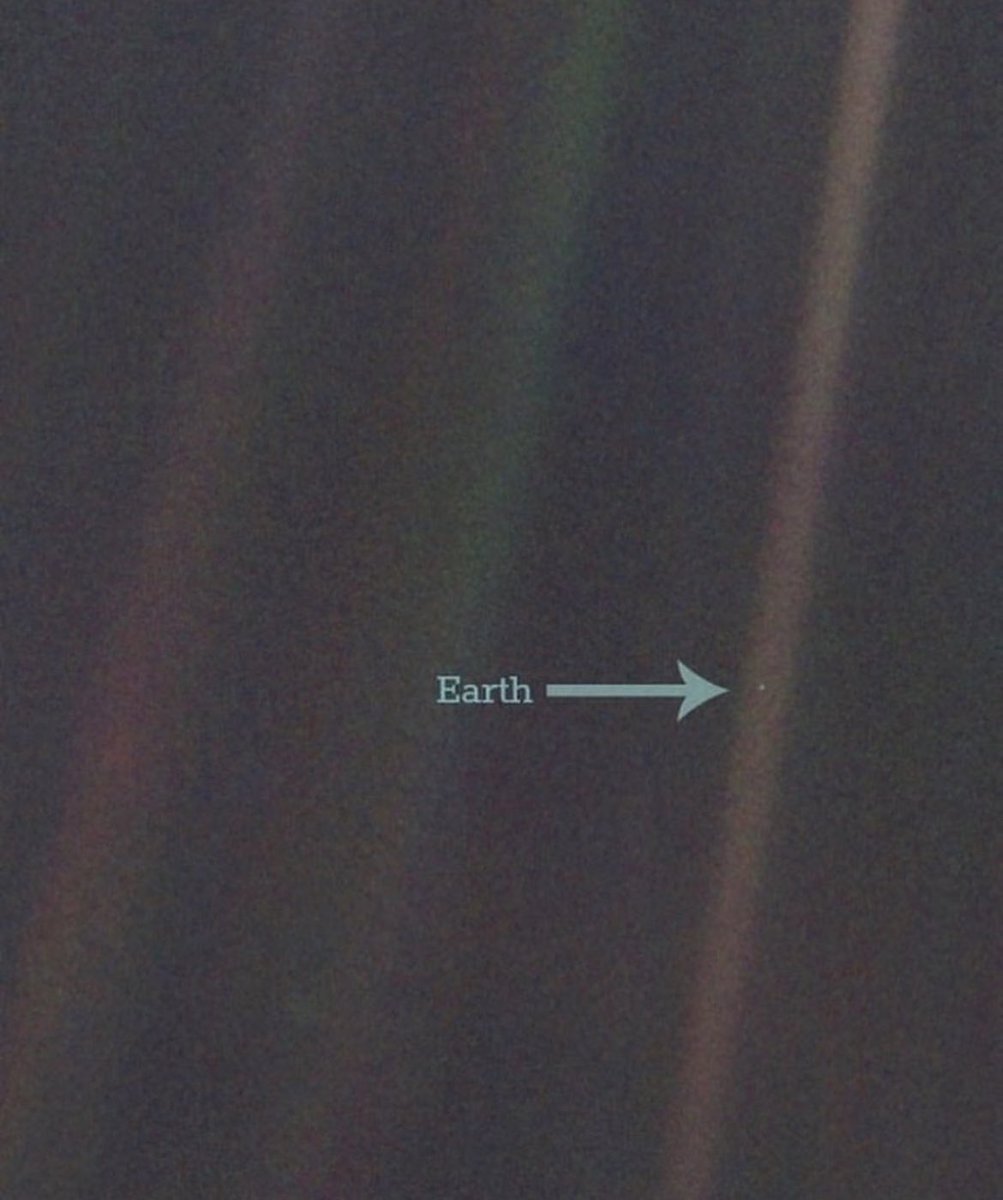
Pale Blue Dot is a photo of Earth that was taken by the Voyager 1 space probe in 1990 from a distance of about 6 billion kilometers (3.7 billion miles) as it was leaving our solar system. This is what Carl Sagan said about the photo:
"Look again at that dot. That's here. That's home. That's us. On it, everyone you love, everyone you know, everyone you ever heard of, every human being who ever was, lived out their lives. The aggregate of our joy and suffering, thousands of confident religions, ideologies, and economic doctrines, every hunter and forager, every hero and coward, every creator and destroyer of civilization, every king and peasant, every young couple in love, every mother and father, hopeful child, inventor, and explorer, every teacher of morals, every corrupt politician, every 'superstar,' every 'supreme leader,' every saint and sinner in the history of our species lived there — on a mote of dust suspended in a sunbeam.
The Earth is the only world known so far to harbor life. There is nowhere else, at least in the near future, to which our species could migrate. Visit, yes. Settle, not yet. Like it or not, for the moment the Earth is where we make our stand. It has been said that astronomy is a humbling and character-building experience. There is perhaps no better demonstration of the folly of human conceits than this distant image of our tiny world. To me, it underscores our responsibility to deal more kindly with one another, and to preserve and cherish the pale blue dot, the only home we've ever known.”
“I am down but I will get back up. And you can come at me again and I will meet you with the love of my people.” Stan Grant delivers a powerful message on Q+A before taking a break from the media. #StanGrant#QandA#WeStandWithStan
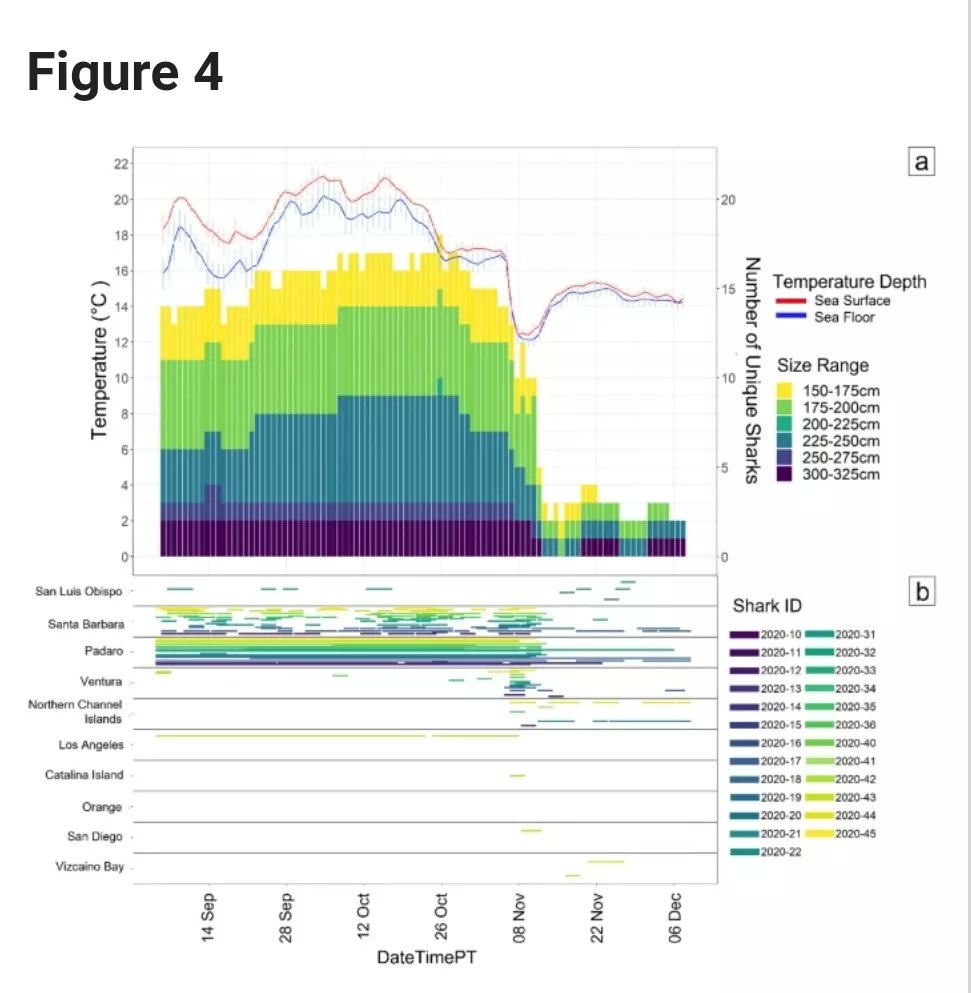
My first lead author paper was officially published! 🦈 It focuses on quantifying the timing and threshold of thermal migratory cues in juvenile white sharks! 😁
https://t.co/8LI4MXZLEf
NEW PAPER! 🦈🐟
In this open access review we provide an update on the latest advances in shark depredation research and discuss key principles for management and mitigation of depredation.
Thanks to all those involved in this great team effort!
https://t.co/ggIrpx8hY1
New open-access paper!
We quantified catch rate, shark sightings and shark depredation at a spearfishing competition in the GBR marine park through citizen science
Catch rate was 1.25 fish per hour, 358 sharks were sighted and depredation rate was 5.9%
https://t.co/9VRzhwr4KL
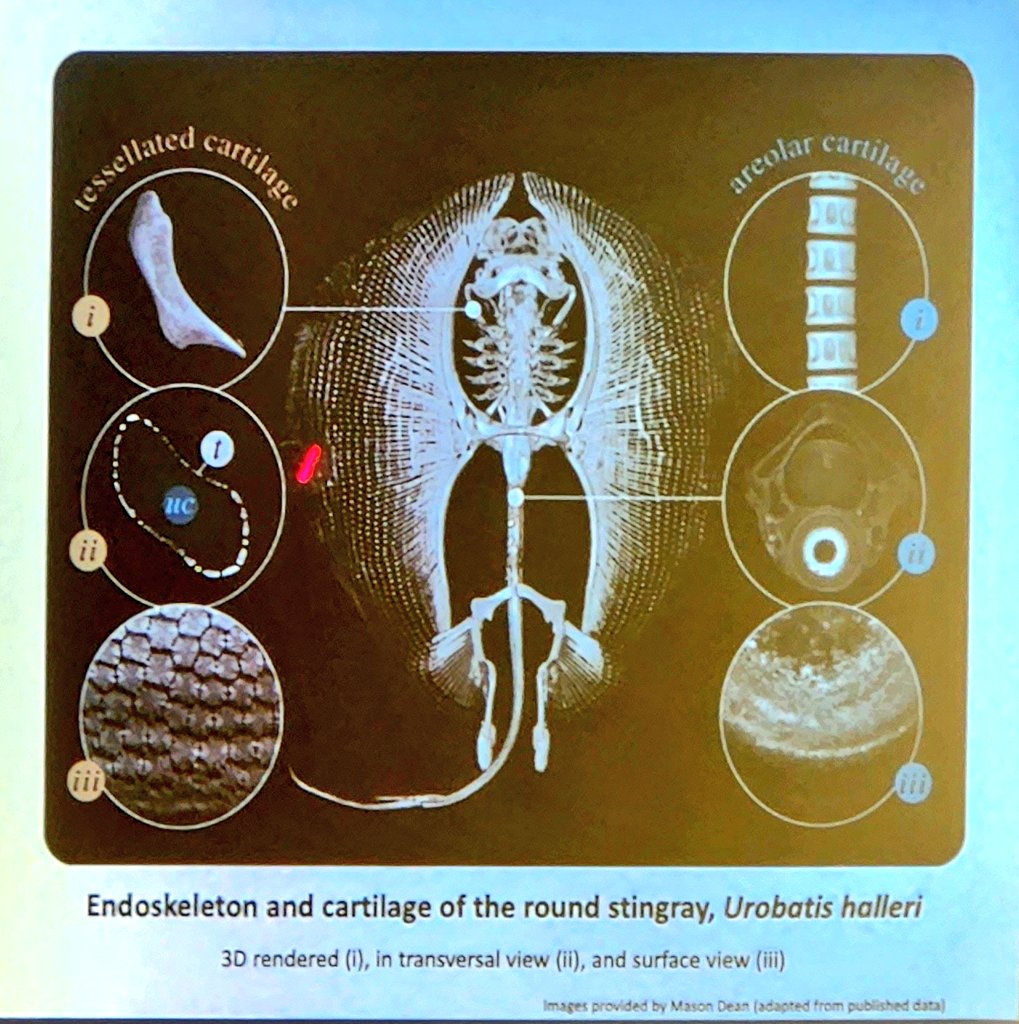
.@DrSharkBnB is unlocking the secrets of shark cartilage in deepwater chondrichthyans. Why? When you consider at ~2000m deep the pressure on cartilage is equivalent to that in a human knee after a 5m jump, you can see how biomicry can change our daily lives! #SharksInt2022