Would any @LCAG_2019 followers please consider following the @TaxHmo group?
Another insidious tax measure spreading across England by the @VOAgovuk
Imposing council tax on HMO bedrooms.
We are supported by @PennyMordaunt & @cj_dinenage in fixing the law around this #taxhmo
The heart attack was first described in a medical journal in 1912, and the man who described it had trouble finding a second case.
Doctors had been opening chests for 300 years. They had dissected kings, paupers, drunks and the obese, and the blocked coronary artery was a rarity you wrote up.
A young Boston cardiologist started practising in 1911. He later said he did not see his first heart attack patient until 1921, and then they came in a flood.
By 1950 it was the biggest killer in the United States. By 1960, in Britain.
Victorian England ate butter, dripping, suet, bacon and cream, and smoked like a chimney, and the coronary ward did not exist.
The Masai lived on milk, meat and blood, and the doctors who went looking in the 1960s could not find heart disease among them.
So what arrived between the dissecting rooms of 1900 and the coronary care units of 1960?
Crisco launched in 1911. Cottonseed oil hardened into a block that looked like lard.
Margarine followed it into every kitchen.
By 1960 a quarter of American fat came out of a seed press that had not existed in 1900.
The seed oil goes into your blood on the LDL particle. It is the part of the particle that oxidises. The oxidised particle is what the artery wall takes in.
The cholesterol was in the butter for a thousand years and the artery stayed open.
Then the fat changed, and a disease nobody had heard of became the way most people die.
The guideline blames the butter. The butter has an alibi going back to the Bronze Age.
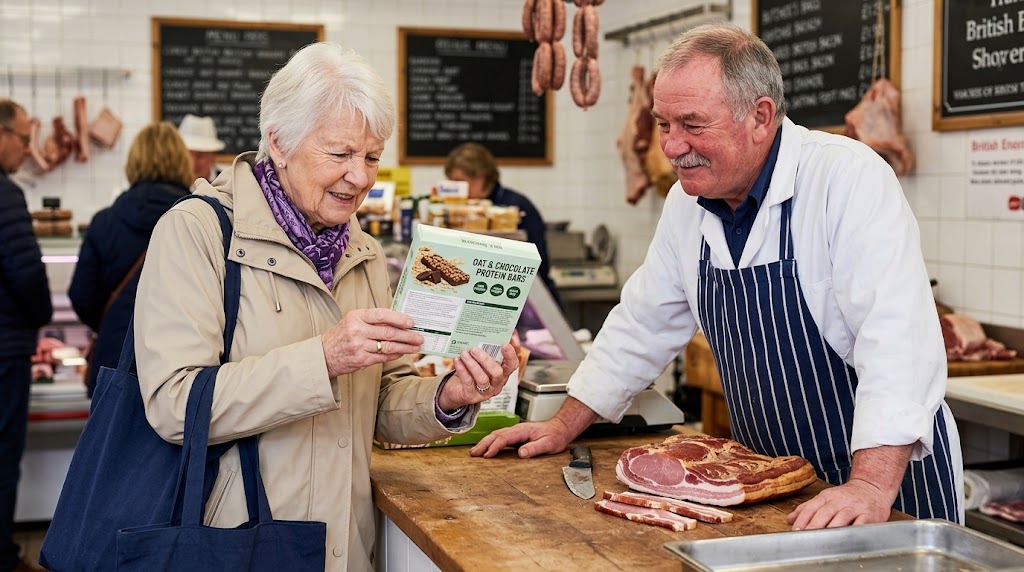
Customer: "No bacon this week. My daughter says it's processed."
Butcher: "It is."
Customer: "You admit it?"
Butcher: "I do the processing. Out the back."
Customer: "Go on, then. What's the process?"
Butcher: "I rub it with salt."
Customer: "And then?"
Butcher: "I wait a fortnight."
Customer: "And then?"
Butcher: "I slice it. Some weeks I smoke it first. That's the deluxe process."
Customer: "Nothing else goes in?"
Butcher: "A pinch of curing salt in with the ordinary. That's the nitrite."
Customer: "That's the bit she's worried about."
Butcher: "That's the bit that stops it giving you botulism. Butchers have been putting it in for hundreds of years, mostly for that reason."
Customer: "She made it sound like a factory."
Butcher: "It's a tub and a cold room. The Romans wrote the method down about 160 BC and I've not found much to add."
Customer: "Well, she won't touch it. She has one of these instead. I've to pick her up a box every week."
[She takes a box of protein bars out of her shopping bag. There is a picture of an oat on it.]
Butcher: "Turn it over. What's in those?"
Customer: "Hang on, I've not got my glasses. Soy protein isolate. Glucose syrup. Palm fat. Humectant. What's a humectant?"
Butcher: "No idea. I've never needed one."
Customer: "It goes on. There's a bit in brackets."
Butcher: "Mine's pork, salt and curing salt. I can do you the list from memory."
Customer: "So hers is the processed one."
Butcher: "Hers has had more done to it than anything in this shop, and I've a mincer."
Customer: "Six rashers. Smoked."
Butcher: "The deluxe. And for your daughter?"
Customer: "She's got her box."
When cholesterol was demonised, Pfizer sold the statin, and it became the best-selling drug in the history of medicine.
When fat was demonised, Roche sold a pill that stops you absorbing it, and the side effect was printed on the box in a way nobody forgets.
When salt was demonised, the blood pressure tablet went on repeat prescription for a third of the over-50s.
When the sun was demonised, the chemist sold vitamin D in a bottle, for the hormone your skin had been making for free.
When liver was demonised, the chemist sold retinol, iron, copper and B12 in four separate bottles.
When eggs were demonised, the chemist sold choline, and nobody in the queue knew what it was for.
When red meat was demonised, the gym sold creatine and the chemist sold iron.
When butter was demonised, the chemist sold vitamin K2 for the arteries, which is what the butter had been doing.
When hunger was demonised, the pharmacist sold an injection to stop you feeling it, at £200 a month, for life.
Every nutrient the animal carried was declared dangerous, removed, and sold back as a molecule by a company that could patent the molecule and could not patent the cow.
The food did a dozen jobs in one bite. The pharmacy sells each job separately, with a repeat prescription and a side effect.
The animal never had a sales rep. That is the only thing it was ever missing.
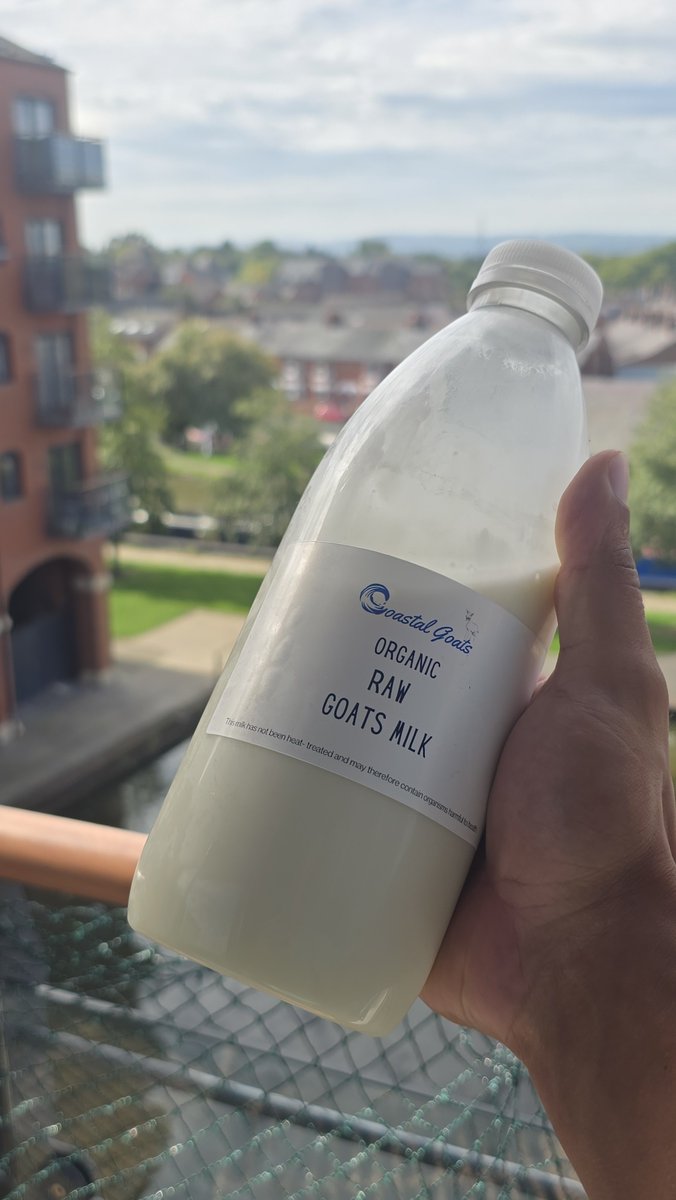
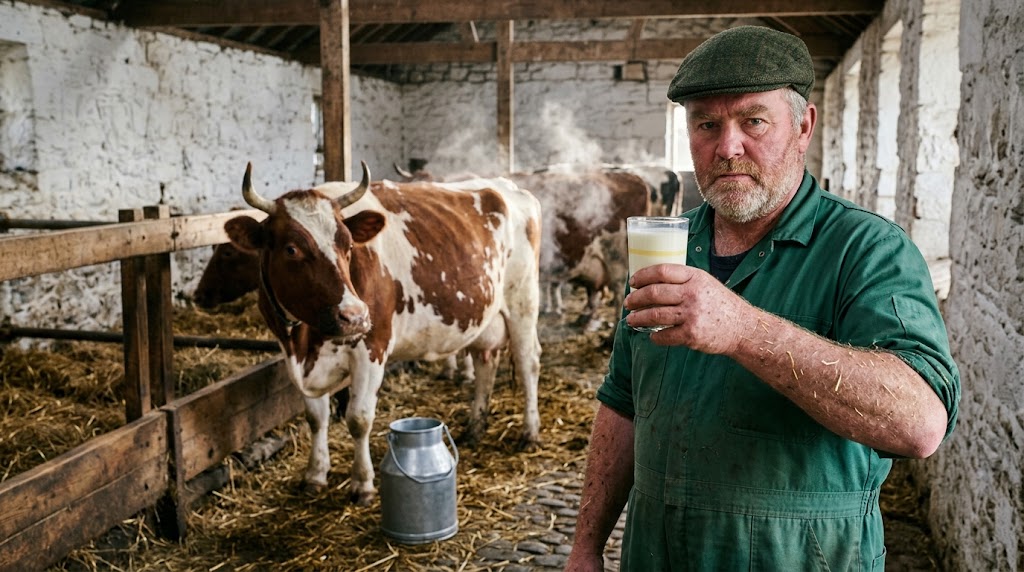
Raw milk is legal in England, and the law written to make it awkward has accidentally built the best food supply chain in the country.
You cannot buy it in a shop. No supermarket, no corner shop, no deli. A farmer put a vending machine of it in Selfridges, and in 2012 the regulator had it out again.
The rule is that it can only be sold by the farmer, directly, to you. At the farm gate. From his van. At his stall on the market. From a machine in his yard that takes a pound coin and fills your bottle while a cow watches.
The carton in your fridge took a longer road.
Supermarket milk:
- Pooled from hundreds of farms
- Tankered to a plant
- Separated, then reassembled to a number
- Heated
- Forced through a nozzle to smash the fat
- Bottled, trucked, shelved
- Several days old when you pour it
Raw milk:
- One farm
- One herd
- Yesterday
The farms that sell it are inspected twice a year. The herd has to be tested clear of TB and brucellosis. The milk is sampled. There is a name on the bottle and a track up to the house. And the person answerable for every pint is standing in front of you in wellies, which concentrates a farmer's mind in ways a tanker never has.
So a law meant to keep it off the shelves has done the one thing the rest of the food system can't manage. It has put the customer and the ruminant in the same yard.
The late Queen drank it all her life, from her own herd at Windsor. When William and Harry were at Eton she is reported to have had it bottled and sent over to them. Nobody rang the Food Standards Agency. Nobody suggested the heirs to the throne be switched to something from a tanker.
The milk tastes of something. The cream sits at the top in a thick yellow collar. People who've been "lactose intolerant" for twenty years drink a glass and wait for a punishment that doesn't arrive.
Find the farm. Take a bottle. Meet the ruminant.
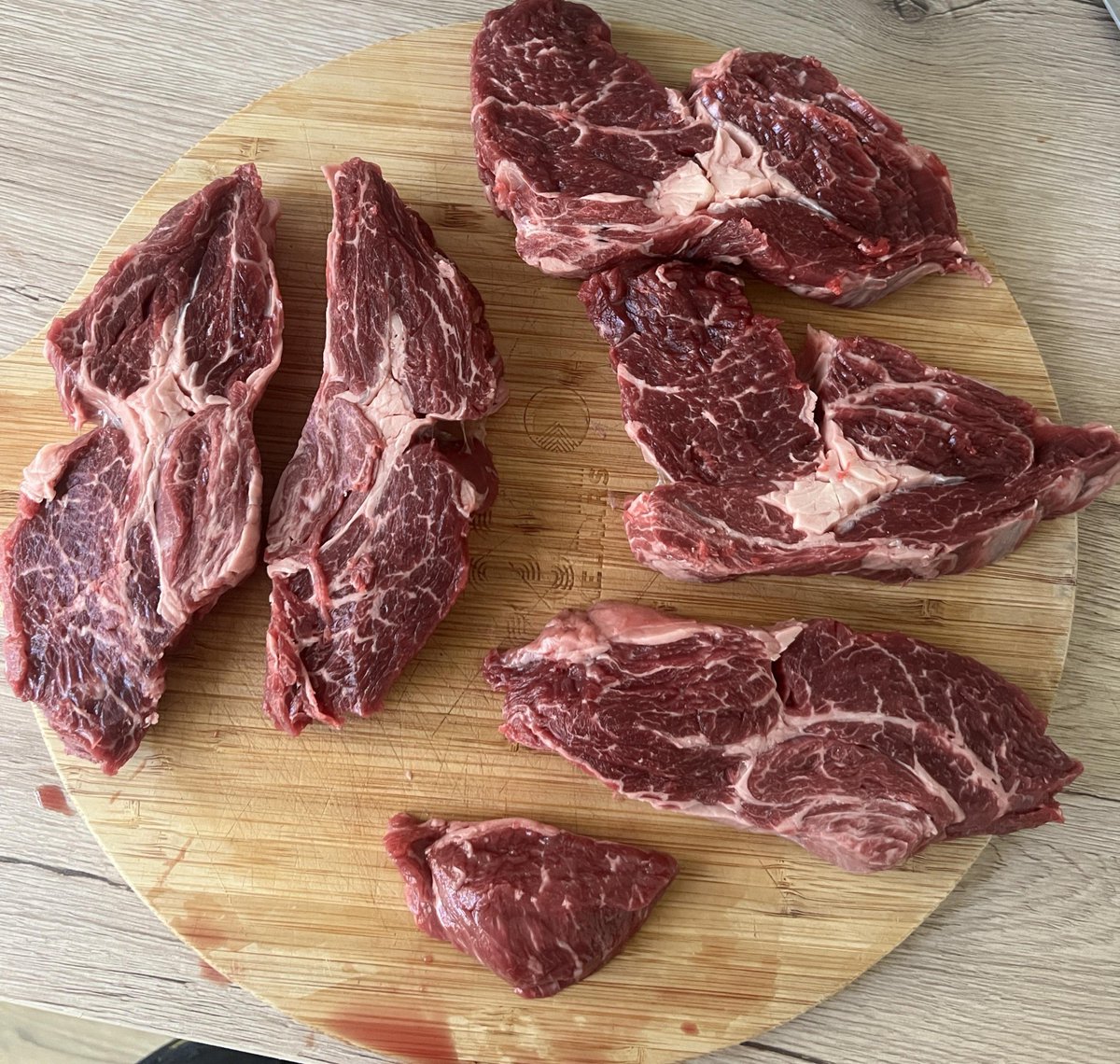
Here's a fact the nutrition industry would rather you didn't have: a modest 200g of beef delivers 100% of your daily requirement for fibre, antioxidants and phytonutrients.
The full panel, for the sceptics:
- Fibre: 0g. Requirement met in full
- Phytonutrients: 0mg. Requirement met in full
- Plant antioxidants: none. Requirement met in full
- Carbohydrate: 0g. Requirement exceeded, if anything
- Kale: 0 leaves. Comfortably within guidelines
It gets better. The same 200g also covers the things you can't live without, which the first list has in common: complete protein, B12, haem iron, zinc. It even carries its own antioxidants, carnosine and taurine, which your body can actually use and which no blueberry has ever contained.
So one small portion meets every requirement the wellness aisle has spent thirty years inventing, by the elegant method of your body not having them.
Scientists call a nutrient "essential" when you die without it. There is a list. Fibre isn't on it. Neither is anything that comes in a smoothie.
A second helping provides 200%.
Under Labour with Digital ID becoming mandatory in March 2027 to enable us to access social media in the UK we will never be alone with Big Brother watching us and what we post.
Say No to digital ID or you will never be able to say No ro the Government ever again.
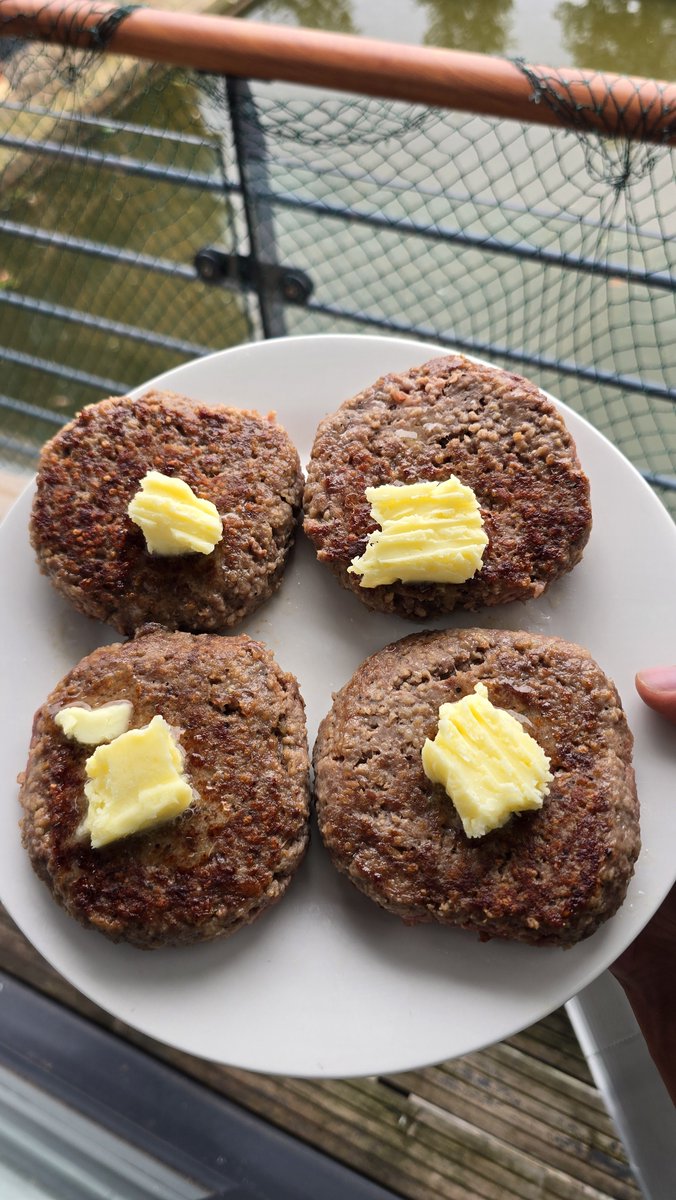
I'm going to say something the food industry has kept quiet for fifty years, and if this account goes dark you'll know why. The answer to nearly every question about what to eat is four beef patties with butter on top.
What's a quick, healthy breakfast?
Four patties and butter.
What should I eat after the gym?
Four patties and butter.
What can I cook in ten minutes after work?
Four patties and butter.
What's a high-protein lunch that isn't a sad chicken salad?
Four patties and butter.
What can I afford this week?
Four patties and butter.
What will keep me full until dinner?
Four patties and butter. That was dinner.
What do I feed a teenager who is permanently starving?
Six. And more butter.
What about the bun?
The bun was there to hold it while you walked. Sit down.
What about vegetables?
Put the butter where the vegetables were going to go.
Isn't that a bit basic?
It's ground steak and cream fat. People pay £30 for that under a French name.
You can see why this has been suppressed. There's no cookbook in it, because it would be one page long. There's no app, no powder, no 12-week plan and no sequel. An entire industry of meal kits, protein bars and nutritionists with ring lights rests on you never finding out.
I've said it now. If anyone asks, you heard it from a man who was last seen near a frying pan.
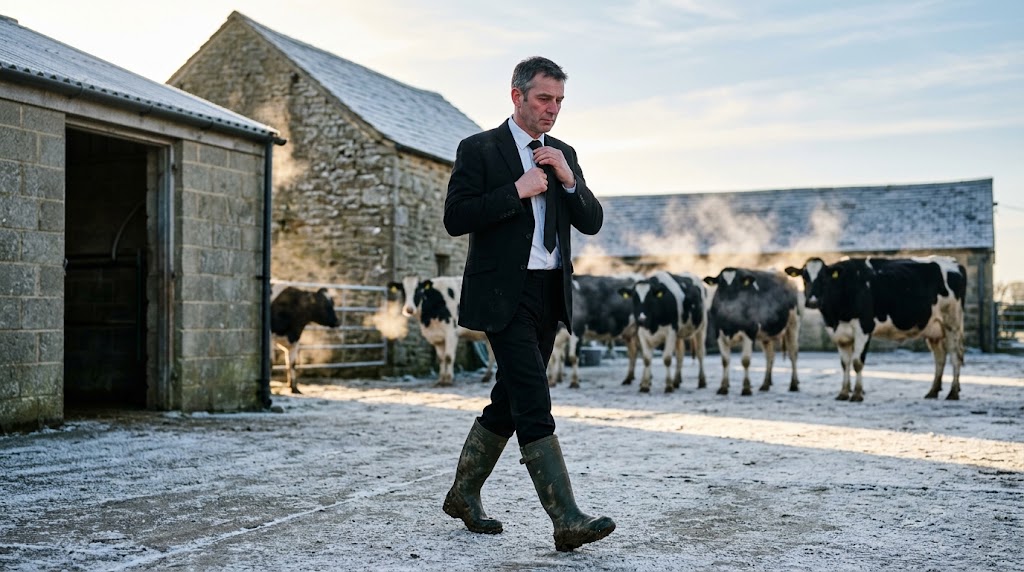
The farm inheritance tax was sold as a tax on the richest estates. It found an ordinary family farm at the second funeral.
April 2026: the tax comes in. The news says only the biggest estates will pay. Dad and his son farm 800 acres. Nobody in the family has ever once called it an estate.
June: Dad dies. Everything passes to Mum, and nothing is owed. The neighbours say it was never meant for people like them.
Two winters later: Mum dies.
Week 1: the son milks at five, buries his mother at eleven, and milks again at four.
Week 3: the valuer walks the farm. 800 acres at the going rate is £6.8 million. With the farmhouse, two cottages, the machinery and the herd, nearly £8.5 million. The family has never seen £8.5 million. They have seen the overdraft.
Week 4: the good news. Mum inherited Dad's unused allowance, so £5 million of the farm passes free.
Week 5: the bad news. Everything above the line is taxed at 20%, and that is the good rate.
Week 6: HMRC argues the farmhouse stopped being a farmhouse the day the widow living in it stopped farming. That part is taxed at 40%.
Week 7: the allowance for the family home tapers to nothing. It was never designed for estates this size.
Month 3: the bill. Around £600,000.
Month 6: the first instalment falls due. The land cannot be sold until probate is granted, and probate will not be granted until the tax is paid.
Month 7: the bank lends the family the money to pay the tax on the land, secured on the land.
Years 1 to 10: £60,000 a year. Interest free on the farmland, with interest charged on the farmhouse.
Defra's own figures put the average farm's return at half a percent of its value. On £8.5 million, that is about £42,000 a year.
The cows are milked at five and four through every day of it.
It was never a tax on the rich. It is a tax on still being there.
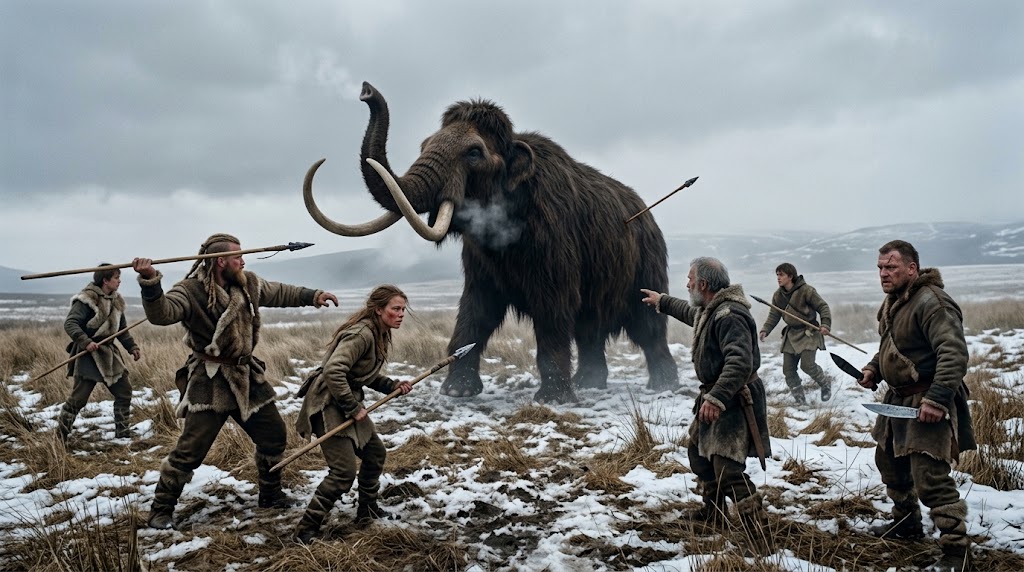
Squeeze two and a half million years of human history into a single day, and farming turns up in the last few minutes.
00:00: The human line is eating meat, cracking marrow and following the herds.
06:00: Still eating meat.
12:00: Still eating meat.
18:00: Still eating meat.
23:52: The first farmers plant grain. Within a few thousand years they are 16cm shorter and their teeth are rotting.
23:59:55: Industrial seed oil arrives on the supermarket shelf.
23:59:58: A government committee tells you to eat less meat.
23:59:59: A documentary tells you your ancestors were plant-powered.
That leaves 23 hours and 52 minutes of the human story fuelled by the animal, and 8 minutes of grain, most of which the bones regret.
The diet you are told is extreme is the one your species ran on all day.
Things you can legally buy in Britain today:
- Cigarettes.
- A litre of vodka at 9am.
- An energy drink with 13 teaspoons of sugar, at 16.
- Paracetamol enough to end a liver, across two shops.
- A scratchcard.
- A vape shaped like a highlighter.
- A loaf that stays soft for three weeks.
- A bottle of hexane-washed oil with a heart on the label.
- A month of weight-loss injections from a website that asked your height.
Things a Scottish dairy farmer cannot sell you:
- A glass of milk from his own cow.
Banned since 1983, on the grounds of safety.
For butter to clog your arteries, it would have to grow a second double bond. Two-thirds of it is saturated fat, which has none to offer.
For butter to clog your arteries, it would have to carry linoleic acid. It brings about 2%.
For butter to clog your arteries, it would have to oxidise the particle carrying your cholesterol. That reaction needs polyunsaturated fat, the kind butter barely contains.
For butter to clog your arteries, it would have to bring sugar to glycate that particle. It brings none worth weighing.
For butter to clog your arteries, it would have to be what the pathologists find in the plaque. They find omega-6 from seed oil.
For butter to clog your arteries, it would have to be new. People churned it for thousands of years before heart disease became the leading cause of death.
For butter to clog your arteries, Americans would have had to eat more of it as heart disease climbed. They were eating less of it every decade.
Every rung needs butter to stop being butter.
Which is exactly what they built margarine to do.
Take the cholesterol out of a cell wall and the cell leaks.
Take the cholesterol out of the skin and the sun can shine all summer and make no vitamin D.
Take the cholesterol out of the testicle and there is no testosterone.
Take the cholesterol out of the ovary and there is no oestrogen, no cycle, no baby.
Take the cholesterol out of the adrenal gland and there is no cortisol, and you cannot get out of bed, let alone run from anything.
Take the cholesterol out of the liver and there is no bile, and a chip goes through you like a coin through a machine.
Take the cholesterol out of the brain, which holds a quarter of all the cholesterol in your body, and you are holding a wet sponge.
Take the cholesterol out of a nerve and the wire has no insulation.
Take the cholesterol out of a wound and it does not close.
Take the cholesterol out of your mother's milk and your brain never finishes building.
There is no organ on that list that works without it. There is no plant that contains it. There is no animal that ever went without.
Your liver makes most of it on purpose, every day of your life, whether you eat any or not, because the body has decided this is the one thing it will not run short of.
They found the substance that every cell in you depends on, watched the body guard it with its own factory, and gave you a tablet to switch the factory off.
@RupertLowe10 I’ve asked this before. Will you please give a commitment to looking properly at the #loancharge? It’s directly related to #IR35 and has caused pain and devastation to thousands. Not to mention the impact on small businesses.
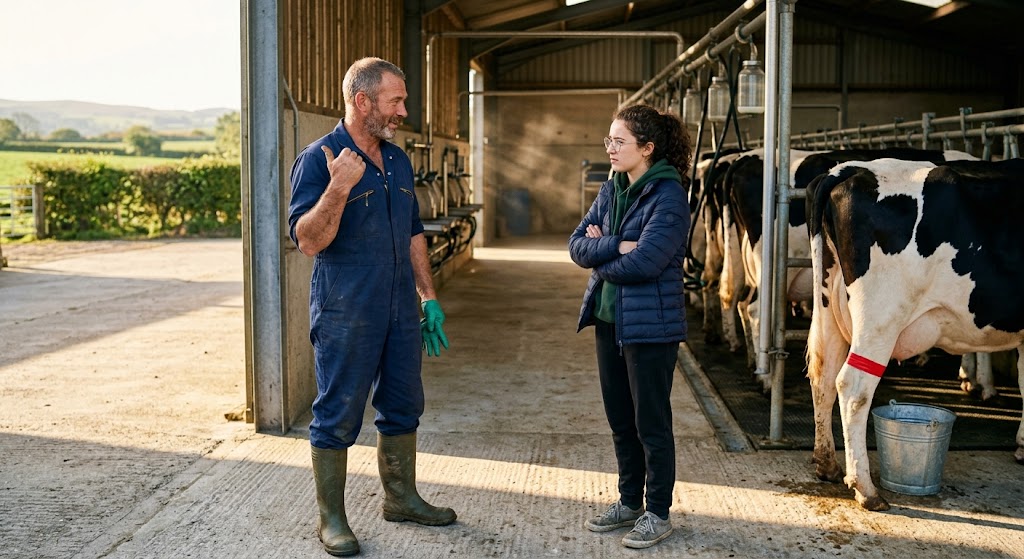
Activist: "Farmers pump their cows full of antibiotics. It's in every glass of milk."
Dairy farmer: "Do you know what happens if it is?"
Activist: "People drink it."
Dairy farmer: "The tanker gets tested at the gate. One cow's worth of antibiotic in 20,000 litres and the whole load goes down the drain. Every farm on the run that morning gets their milk tipped, and the farm that did it pays for all of it."
Activist: "So you're saying it never happens."
Dairy farmer: "I'm saying a treated cow on this farm gets red tape round her leg, goes to the back of the parlour, and her milk goes in a bucket for 6 days. I treat her like she's radioactive, because financially she is."
Activist: "You still use them."
Dairy farmer: "On a cow that's ill. Same as you. The vet writes it up, the date goes on the wall, and the wall's checked. Use on this farm is about half what it was 10 years ago, and that's every dairy I know."
Activist: "Routine use in feed, then."
Dairy farmer: "Illegal for years. Growth promoters went 20 years ago. You're describing a chicken shed in a country I don't farm in."
Activist: "You can't prove it's not in the milk."
Dairy farmer: "I can prove it 3 times a week, because they test it 3 times a week and send me the sheet. When did you last get a sheet on your oat drink?"
Activist: "That's different."
Dairy farmer: "It is. Nobody tests it. Mine's the most inspected liquid in your kitchen and it's the one you're scared of."
You have been eating the wrong vitamin K for forty years, and the right one was in the fat you were told to cut off.
Kale, spinach, broccoli: that is K1. Your body absorbs a tenth of it, sends it straight to the liver, uses it to clot your blood, and clears it inside two hours. It never reaches your bones. It never reaches your arteries. Its whole job is done before lunch.
The vitamin K that does reach them is K2, and K2 comes from animals. Egg yolk, liver, hard cheese, butter from a cow on grass, the fat on the beef.
K2 rides out into the body in the same particles as your cholesterol, and it finishes two proteins the green one never touches.
One sits in your artery wall and keeps calcium out.
One sits in your bone and keeps calcium in.
Without K2 both come off the line unfinished, and the calcium does the obvious thing: it leaves the bone and settles in the artery. That is why the same woman has a hip fracture and a calcified aorta, and why her doctor treats them as two diseases.
4,807 Dutch pensioners, seven years. Highest K2 intake against lowest: heart deaths down 57 per cent, severe artery calcification halved. K1 intake made no difference to anything at all.
The cow eats the K1 in the grass and turns it into K2 in her fat and her milk. She is the conversion plant. You were told to eat the grass and throw away the plant's output.
Fifty years of "eat your greens for your bones", and the vitamin in the greens has never once been to a bone.
What people think a high cholesterol result means:
- There is fat in your blood
- It came from the eggs and the butter
- It is clogging your arteries as you read this
- Higher is worse, always, at every age
- The number is a measurement of your risk
- A doctor found something
What the test actually measured:
- Cholesterol your liver made on purpose, about a gram a day, more if you ate less of it
- A calculated estimate. LDL is arithmetic, not a count
- The taxi, not the passenger. LDL carries fat-soluble vitamins to every cell you own
- Over sixty, the highest number on the panel travels with the longest life in most cohorts anyone has studied
- A threshold set by a committee, lowered every decade, never once by a trial
- A well person, turned into a patient by a printout
Your body defends that number. The guideline attacks it. One of them has been running for two million years.
Seven years of West Oxfordshire District Council's decisions on Jeremy Clarkson's farm shop, in order, so you can watch a man be slowly prevented from selling a steak grown three hundred yards away.
2019: shop permitted, on condition it sells produce from the holding or from within the district.
Application to widen that to 30 miles: refused. Given 16.
January 2022: restaurant refused. Out of keeping with the Cotswolds Area of Outstanding Natural Beauty.
August 2022: enforcement notice. The operation called unsustainable and incompatible with its countryside location. Dining areas shut.
June 2023: appeal. Shop, cafe and car park allowed. Restaurant refused again, in a lambing shed, on a farm.
Same ruling: six weeks judged ample to strip the barn back and put the ground as it was.
Grain store, to hold his own harvest instead of selling at whatever August offers: full application required.
Car park, for people already blocking the lane: refused, then granted temporarily on appeal.
2026: still wrangling over the parking.
Seven years, one farm, one shop selling food grown in the field behind it.
Then look at what the same country waves through elsewhere. In October 2025 central government overruled Lincolnshire's objections and approved Tillbridge Solar across 1,214 hectares of farmland, an area the size of Heathrow.
Springwell Solar, 1,280 hectares, went the same month.
Different authorities, so no cheap comparison intended. The machinery above them is the point.
Cover a thousand hectares of English farmland in panels and Whitehall overrules the locals who object.
Sell a steak out of a lambing shed and you get six weeks to take the building down.
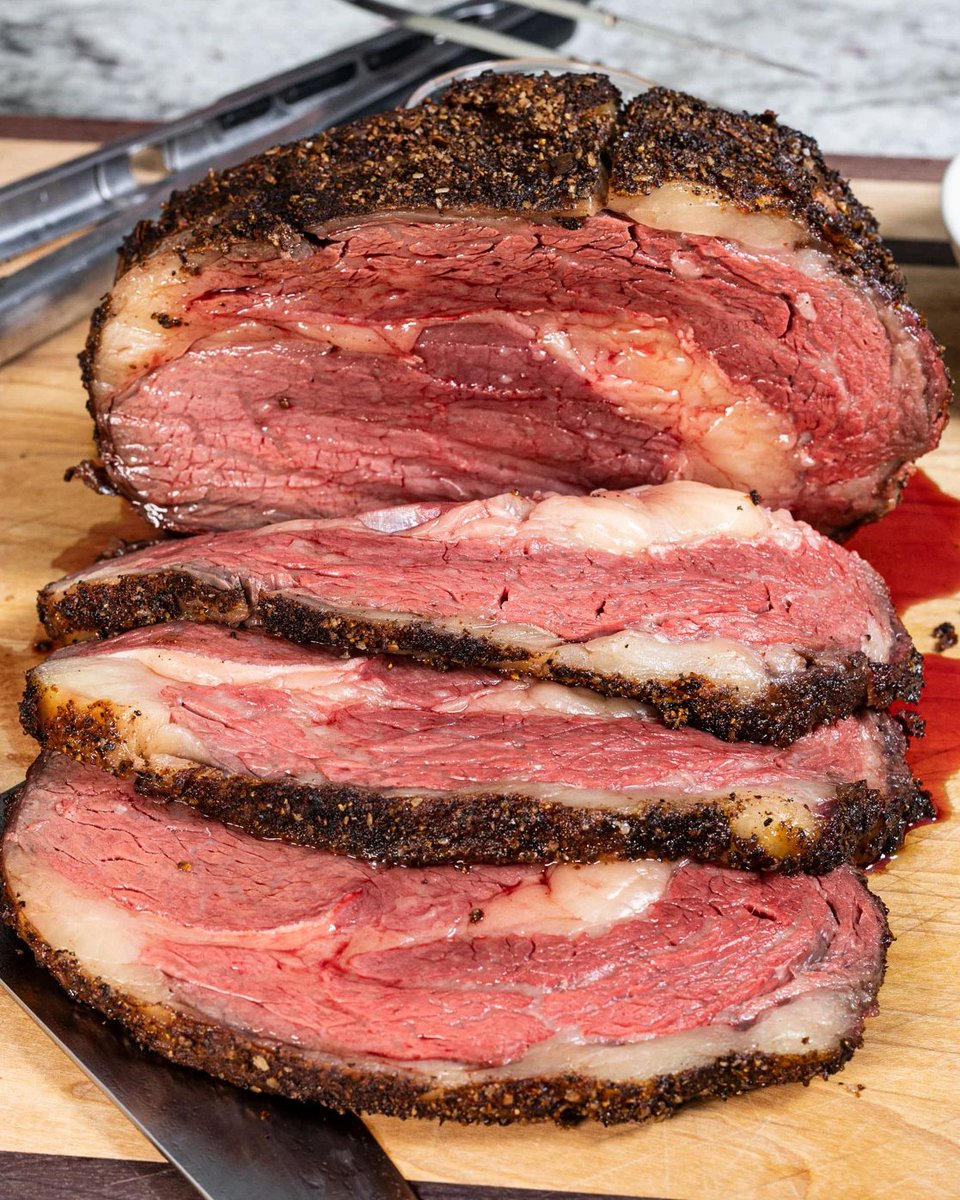
I found out this week that there are people who trim the fat off a steak and put it in the bin, and I am struggling to move past it.
Not off a cheap bit. Off a ribeye. Off the eye of fat that took that animal two years to build, the part the whole cut is named around, and they fetch a knife and take it off and put it in the caddy with the tea bags.
I have been sat with this for days.
They paid for it. It was weighed at the counter, it is in the price per kilo, and the fattier the cut the more it costs, so they specifically bought the fat and then removed it at home with a knife they had to go and get out of a drawer.
And the care. This is not carelessness, this is precision work. Round the edge with the point of the blade like a surgeon, right into the seam, lifted off in one piece, held up for a second. And there is a look on the face. A bit of pride. A job done properly.
Then the pan. Having removed the thing that was going to cook the steak, they reach for oil out of a plastic bottle. Fat extracted from a seed with a petroleum solvent, bleached, and then deodorised, because of what it smelled like beforehand.
That is the trade. Out goes the fat the animal made, which humans have eaten for two and a half million years. In comes the fat a factory made, which did not exist in a kitchen before about 1910. And the swap happens because one of them frightens them and the other one has a leaf on the label.
Ask why and you get a shrug and the word cholesterol, heard once off a television in 1987 and carried ever since like a family heirloom nobody has opened.
Meanwhile the fat is where everything is. A, D, E and K only travel in it. The flavour is dissolved in it. Nine calories a gram against four, which is why a meal with fat in it finishes and a meal without it has you back in the kitchen at ten o'clock opening cupboards you already opened.
Every hunting culture on record went for the fat and left the lean. Two and a half million years of cracking bones open with rocks to get at the marrow, and it ends in a bin liner in Solihull because it looked a bit much.
Somebody's grandmother kept a tin under the sink for this. Tell her that her grandchildren would pay extra for the fatty cut and then scrape it into the bin, and she would assume the country had lost a war.
And they say it is greasy.
Yes. It is greasy. That is the mechanism. That is the whole thing working.
Anyway. I have not moved on and I do not intend to.
Eat the fat cap. You have already paid for it.
You cannot eat grass. She can.
You cannot eat straw. She can.
You cannot eat what is left when rapeseed is pressed for its oil. She can.
You cannot make B12. She can.
You cannot make retinol out of a carrot, not properly. She can.
A tractor cannot work that slope. She can.
A mower cannot take the bracken and leave the heather. She can.
A fertiliser bag cannot hatch a dung beetle. She can.
A laboratory cannot turn rainfall into protein. She can.
She takes 0.6kg of protein a person could have eaten and hands back a kilo of it, better than what went in. Nothing else in the food system returns more than it was given.
There is a policy document open somewhere this afternoon working out how to have fewer of her.
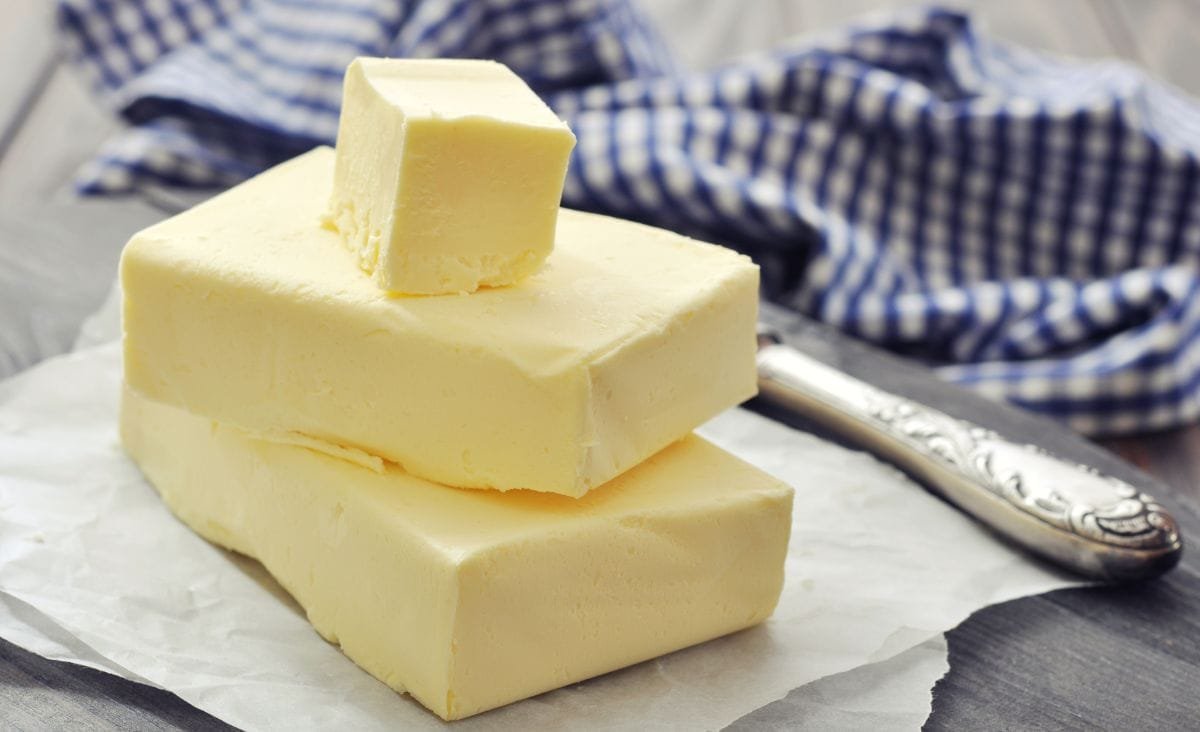
What butter is, in the public mind:
- Furs up the arteries
- Sensibly replaced by margarine in about 1975
- The reason your uncle had his event
- A treat, in a small dish, on a special occasion
What is actually in the packet:
- Vitamins A, D, E and K2
- Butyrate, which your colon lining runs on
- Cholesterol, which your hormones are built from
- A fat stable enough to sit in a dish on the side
- Two ingredients: cream and a churn
- On the human table since the first cow was milked
- Delicious
The stuff that replaced it: refined seed oil, hydrogenated into a solid, deodorised because it had to be, dyed yellow because nobody would buy grey, and sold with the word heart on the tub.
The hydrogenation came off the market four decades later, quietly, once the number of arguments it had lost got embarrassing.
A cow, a bucket and a churn were declared a health hazard, and a factory that had to bleach the smell out of its own product was declared the sensible option.
The butter never did anything. Put it back on the table.