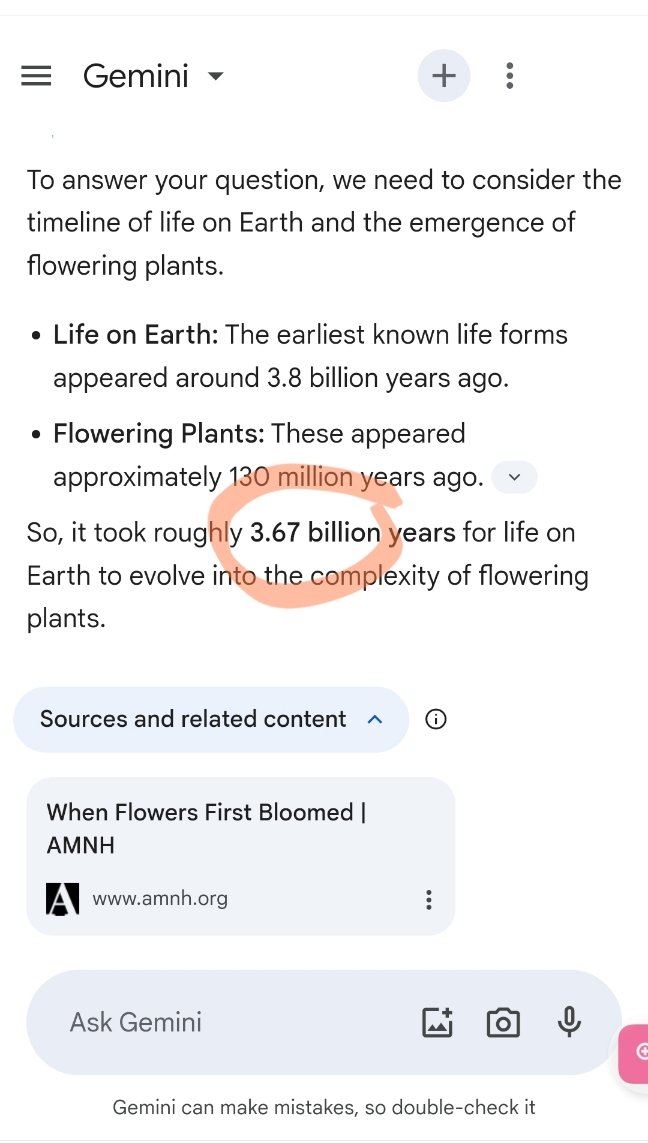
@EliotJacobson It took Earth half the Sun's lifespan to reach the current biodiversity. Flowers for example came to existence only yesterday in geological timescale:
In just over 50 years, nearly three quarters of the world's biodiversity has disappeared owing to climate change, habitat loss (esp to farming), pollution
https://t.co/rpwfKYM5Ca
It's currently 116°F (46.7°C) in Beverly Hills.
Last night, the minimum temperature in the hills of Malibu was 96°F (35.6°C).
An incredibly intense heatwave for Southern California.
HOW CRAZY IS THIS?! 🤯 It was hotter today above the Arctic Circle than it was across parts of #Florida! The air temp of Fort Mcpherson in Canada, 3,500 miles to our north, reached 95°…beating out Fort Myers at 92°. Chinook winds are one of the reason(s) for the heat so far north!
The Economist latest cover story on solar energy is packed with interesting stats.
▫️Solar energy will be the primary source of human energy use by 2040
▫️$500B spent on buying and installing solar panels in 2024 (nearly same “sum being put into upstream oil and gas”)
▫️Solar on track to produce “more electricity than all the world’s nuclear power plants in 2026, than its wind turbines in 2027, than its dams in 2028, its gas-fired power plants in 2030 and its coal-fired ones in 2032”
▫️Since the 1960s…the levelised cost of solar energy—the break-even price a project needs to get paid in order to recoup its financing for a fixed rate of return—has dropped by a factor of more than 1,000
▫️From the mid-1970s to the early 2020s cumulative shipments of photovoltaics increased by a factor of a million, which is 20 doublings.
▫️Over the same span, the “prices dropped by a factor of 500. That is a 27% decrease in costs for each doubling of installed capacity, which means a halving of costs every time installed capacity increases by 360%.”
▫️The cost of a kilowatt-hour of battery storage has fallen by 99% over the past 30 years.
The chart below — which they made vertical (kind of weird) — shows global useful energy consumption over the past century.
I’ll add two more posts after this one with excerpts on obstacles and opportunities.
Full link: https://t.co/zP9GQqgCww
In 1968, during Apollo 8, Bill Anders offered to humanity among the deepest of gifts an astronaut can give. He traveled to the threshold of the Moon and helped all of us see something else: ourselves. He embodied the lessons and the purpose of exploration. We will miss him.