Summary of open source Kotlin Multiplatform samples (with platforms supported and key libraries used). The UI in all cases is implemented using either Compose or SwiftUI.
Confetti
🔗https://t.co/gUdqEjYDkq
✅ Android, Wear OS, Android Auto, Automotive OS, iOS, Compose for Desktop, JVM backend
📚Apollo GraphQL
📚Decompose
📚Koin
📚MultiplatformSettings
BikeShare
🔗https://t.co/rCh0cTbFge
✅ Android, iOS, Compose for Desktop
📚Ktor
📚Realm
📚Koin
PeopleInSpace
🔗https://t.co/yGyGNciQjp
✅ Android, Wear OS, iOS, watchOS, macOS, Compose for Desktop, Compose for Web (JS and Wasm), Compose for iOS, JVM backend
📚Ktor
📚SQLDelight
📚Koin
GalwayBus
🔗https://t.co/hSgVNZ18Sp
✅Android, iOS, macOS
📚Ktor
📚SQLDelight
📚Koin
📚MultiplatformSettings
FantasyPremierLeague
🔗https://t.co/Emced4cMec
✅Android, iOS, Compose for Desktop
📚Ktor
📚Realm
📚MultiplatformSettings
MortyCompose
🔗https://t.co/qiPmmH1WGN
✅Android, iOS
📚Apollo GraphQL
📚Koin
📚MultiplatformPaging
StarWars
🔗https://t.co/tyer2GiAy5
✅Android, Wear, OS, iOS
📚Apollo GraphQL
📚Koin
Chip-8
🔗https://t.co/aA3PRJP3wi
✅Android, Wear, OS, iOS, Compose for Desktop
There are also a number of Kotlin Multiplatform related posts based on these samples at https://t.co/k22GmTbHem.
Adding embeddings/RAG support to the Koog-based AI agent in Confetti https://t.co/wu7APfGa2r
This is using @GeminiApp for the LLM and the embedding model so might as well use it to generate image for the article 😀
Example here of that being used in the Confetti app "Assistant" (for @droidcon USA sessions in this case). Embeddings, RAG, vector databases etc had seemed somewhat mysterious so nice to see them being used in action here!
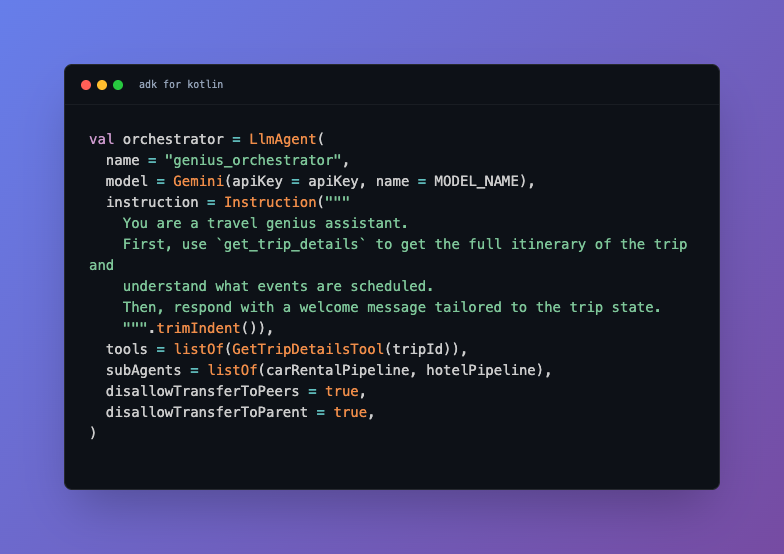
Announcing ADK for Kotlin & Android 0.1.0 → https://t.co/fD84cJqn5n
The first release of the experimental Android ADK is out. You can now build multi-agent workflows across on-device and Cloud models. Early feedback welcome!
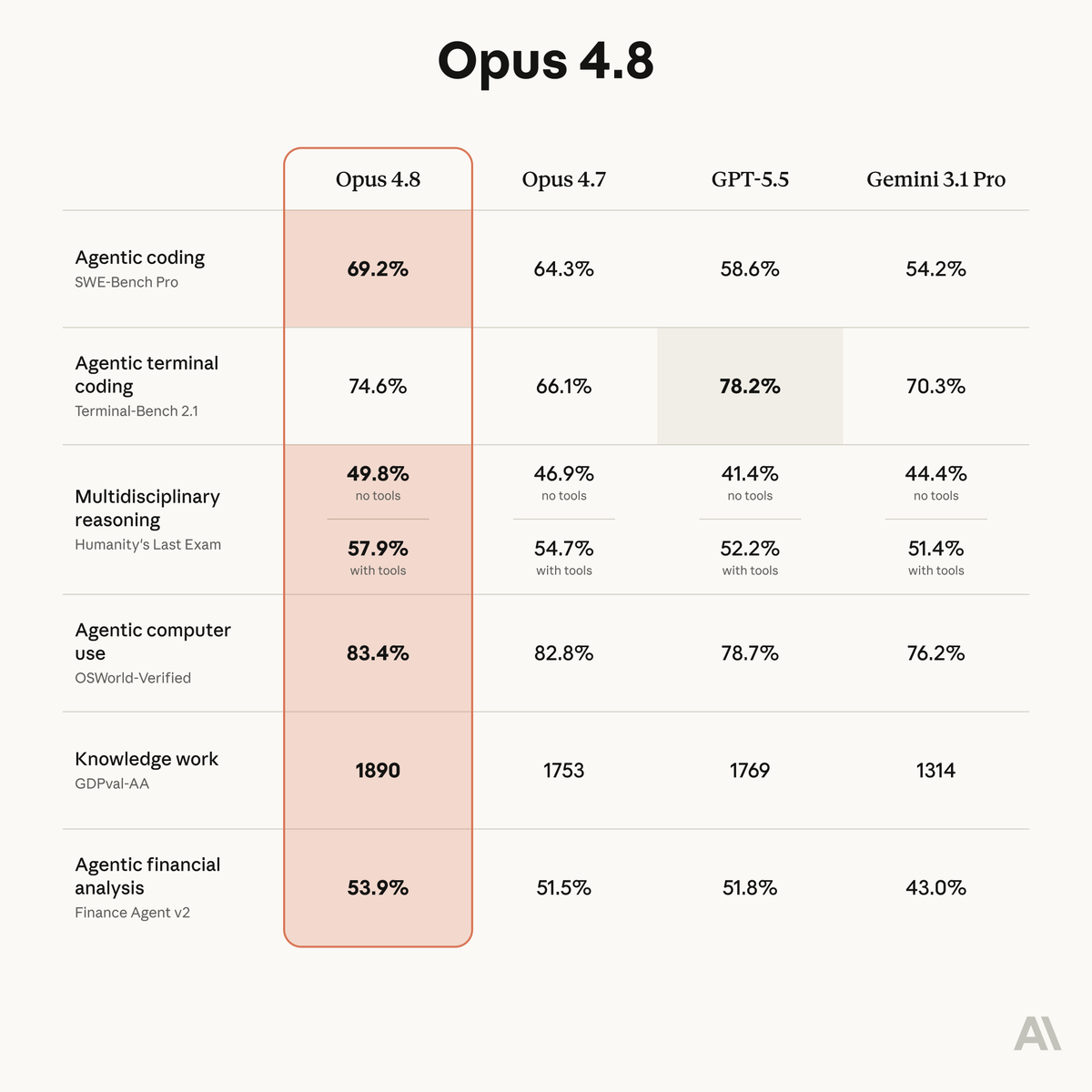
Introducing Claude Opus 4.8: it builds on Opus 4.7 with sharper judgment, more honesty about its own progress, and the ability to work independently for longer than its predecessors.
Available today at the same price.
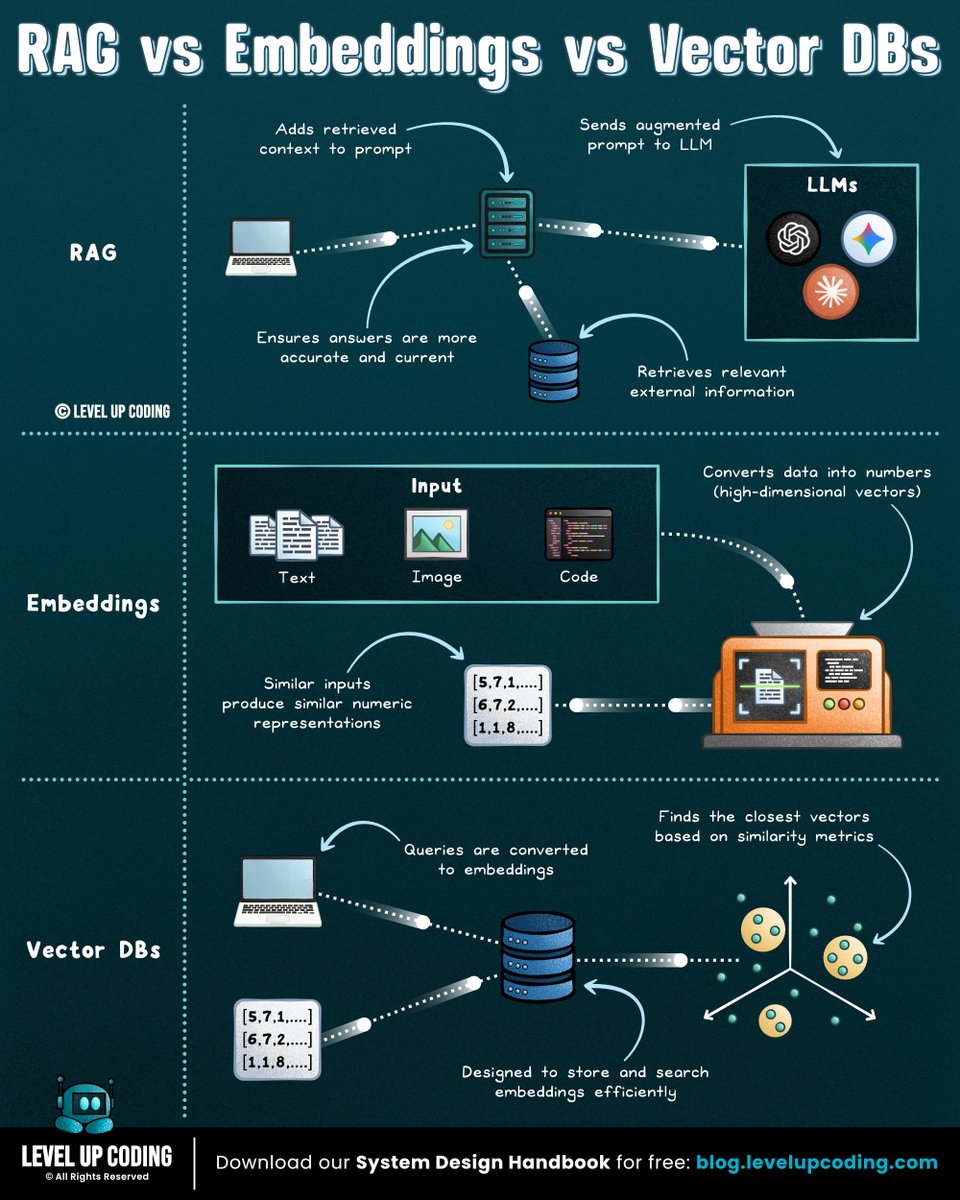
RAG vs Embeddings vs Vector Databases
𝗘𝗺𝗯𝗲𝗱𝗱𝗶𝗻𝗴𝘀 turn data into numbers that capture meaning. Similar ideas end up close together, which makes semantic search possible.
𝗩𝗲𝗰𝘁𝗼𝗿 𝗱𝗮𝘁𝗮𝗯𝗮𝘀𝗲𝘀 store and search embeddings. They help systems find information by meaning, not just exact keywords.
𝗥𝗔𝗚 uses retrieval to improve generation. It finds relevant context, adds it to the prompt, and helps the model answer with external knowledge.
Each one solves different parts of the same problem: helping AI systems use external knowledge.
↳ Without embeddings, the system cannot compare meaning.
↳ Without a vector database, retrieval becomes hard to scale.
↳ Without RAG, retrieval is not integrated into the model’s response.
These same concepts are key foundational building blocks for memory-aware AI agents.
If you're learning agent memory, here's a great breakdown → https://t.co/IvpyBrfAf9
And if you want to go deeper into unified memory systems for agents, here's a more advanced deep dive → https://t.co/c4XYvgSVj3
What else would you add?
——
♻️ Repost to help others learn and grow.
🙏 Thanks to @OracleDevs for sponsoring this post.
➕ Follow me ( Nikki Siapno ) to improve at AI engineering.
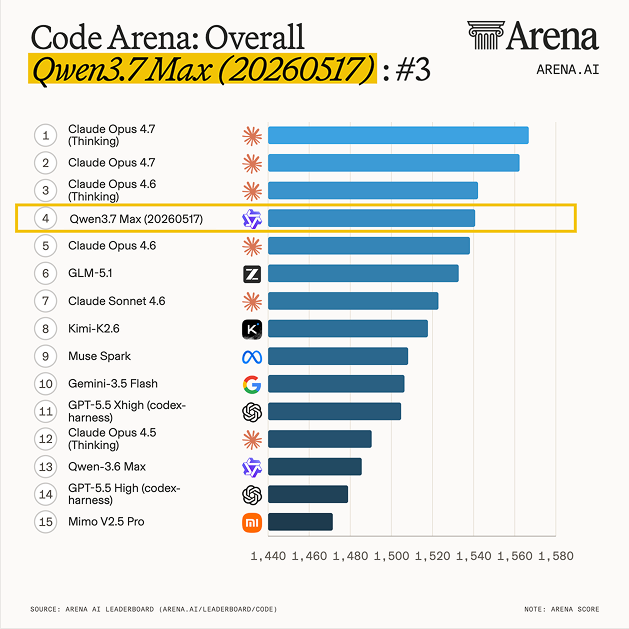
Qwen3.7 Max (20250517) debuts at #4 in Code Arena: Frontend - the top-ranked Chinese lab on the board, surpassing GLM-5.1 and is now on par with Claude Opus 4.6 on agentic web development tasks.
Huge congrats to @Alibaba_Qwen on this achievement!
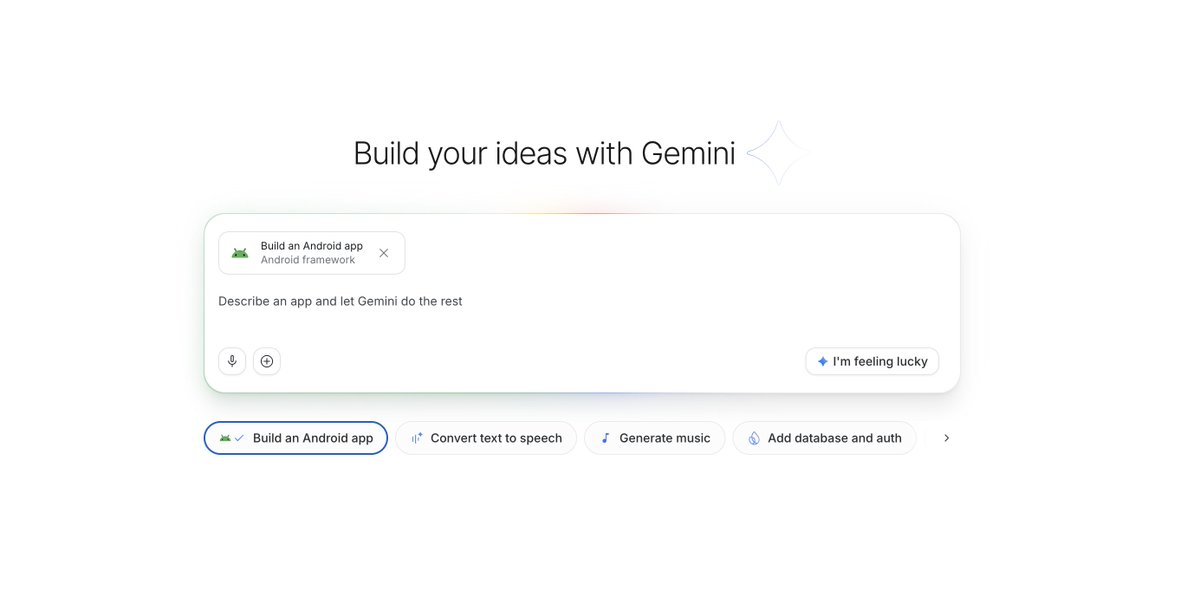
We just launched the ability to build native Android apps directly in Google AI Studio for free!
Since launch last week, people have created more than 250,000 Android apps. Likely >99% of these folks never built an Android app before, everyone can now build, no coding required!