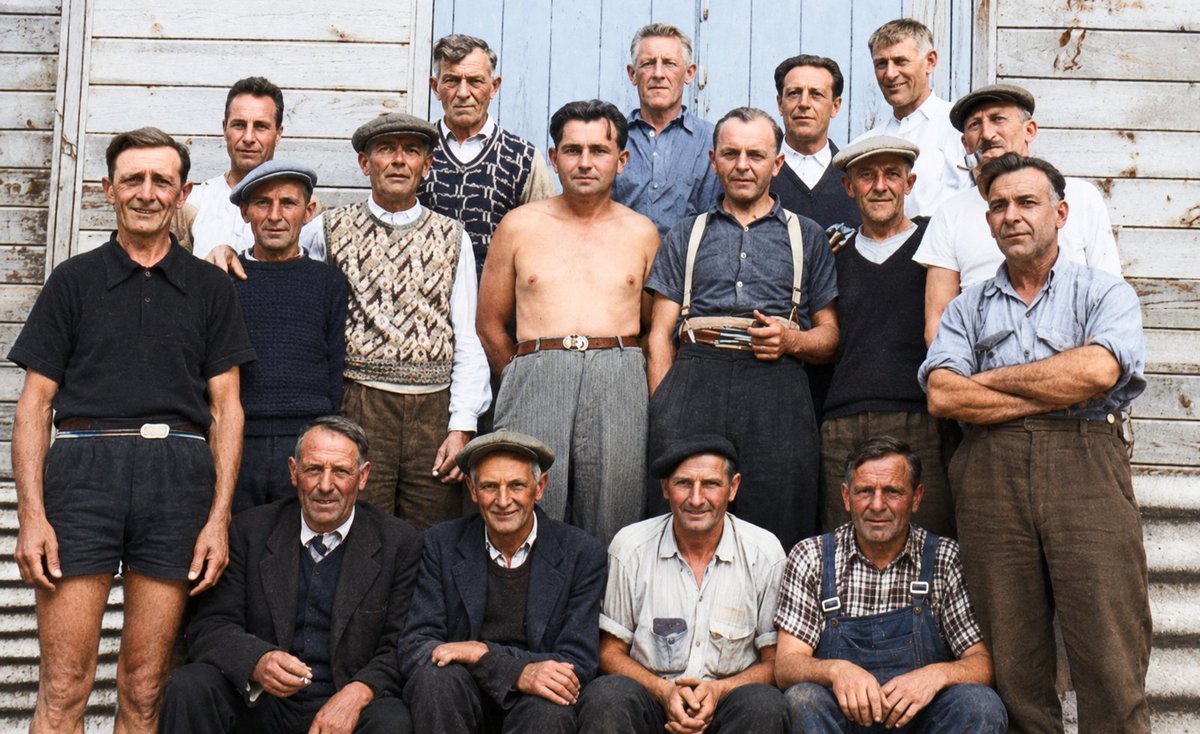
Resistance during wartime meant opposing the occupiers in many ways: sabotaging roads, puncturing German military bicycle tires, helping civilians resist the S.T.O., and sheltering Allied airmen. The F.F.I. risked imprisonment, torture and death in the struggle for liberation.
@ParisAMDParis Behind those female or trans silhouettes, there was a human being. What their names were, where they were from, there was always a story that led to this outcome, but to the macho world, that hardly matters.
@AuschwitzMuseum This page needs the "Jewish" tag removed. Poles, Soviets, Romani, political resisters, Black people, people with physical and mental disabilities, etc., died in Auschwitz. Why is it always the Jews? Enough already.
This is a French-German bilingual identity card, issued during World War II. The person identified is:
Card no.: 431
Last name: Delattre
First and middle names: Marie Zoé Germaine
Place of birth: Saint-Léger-lès-Domart
Date of birth: May 7, 1871.
Interesting document, which proves that a property owner could request financial compensation from the German authorities for the occupation of housing in the restricted area of the Somme.
@DrHelenFry Hermann Göring, a charismatic figure, will always be remembered for his lavish meals and all kinds of alcoholic beverages. I know he gave lectures at Château La Navette in Flixecourt, on the Saint Frères estate. I would have liked to have met him.
@URDailyHistory He was a Soviet leader of great change, contradictions, and a complex mix of successes and failures. Reducing him to a single assessment ignores the depth and impact of his decisions and the multifaceted nature of his legacy.
La Navette, this magnificent château, owned by the Saint Frères family of Flixecourt, was occupied by the Luftwaffe in 1940 and turned into a German command post. Hermann Göring was linked to the site, famous meals and endless menus. Fascinating!
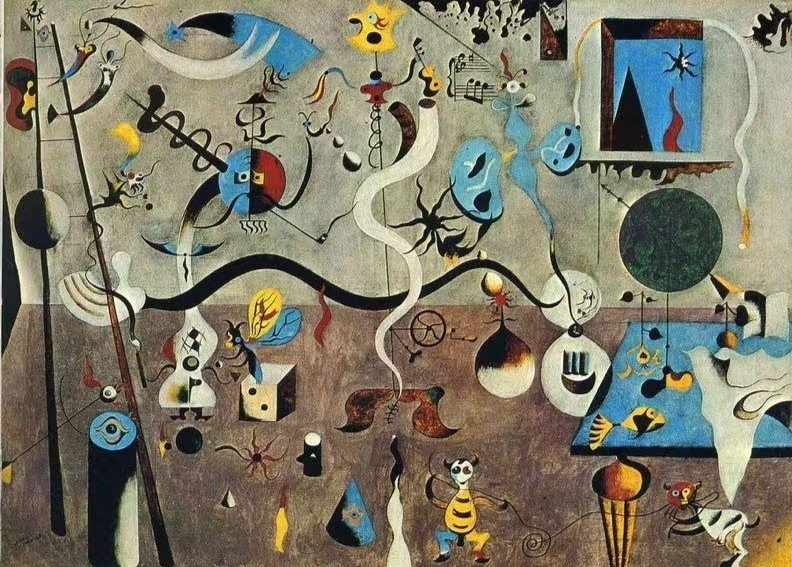
Joan Miró’s Harlequin’s Carnival (1924–25) is a key Surrealist work, featuring biomorphic shapes, symbolic figures and the Harlequin. Inspired partly by hunger, its mysterious symbols invite dreams and fantasy, demonstrating art’s power to inspire multiple interpretations.
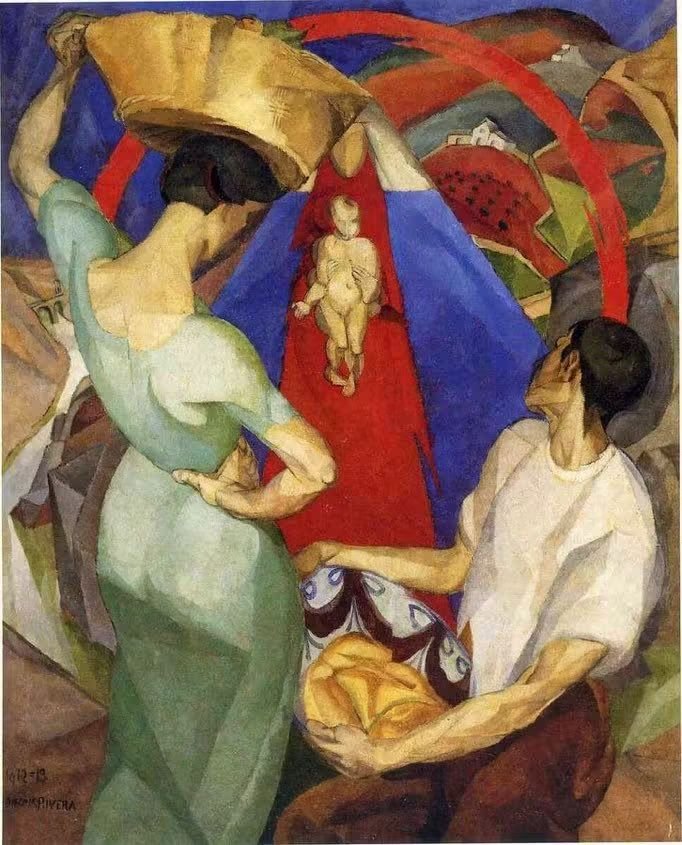
Diego Rivera’s Adoration of the Virgin,created before his political activism, reflects his Catholic roots despite his atheism.This lesser-known classical work, influenced by Renaissance art, depicts the Virgin Mary with angels, revealing Rivera’s artistic versatility and mastery.