Father of two amazing young adults. Minarchist libertarian. Pro-speech and anti-war.
Force, no. Cooperation, yes. Presumptively. (From Richard Epstein)
Without property rights, every other freedom becomes conditional. You may be “free” to speak, work, create, trade, or pursue happiness, but if someone else has the right to seize what you earn, dictate how you use it, or dispose of it without your consent, then they ultimately have a claim on your time and effort.
Property rights aren't merely about owning things. They establish the boundary between your life and someone else's authority. Without that boundary, freedom exists only by permission.
The system is rigged. But not in the way Liz Warren or Bernie Sanders think it is. The Fed is debasing the dollar which is a massive hidden tax on working people and a boon to people who hold assets.
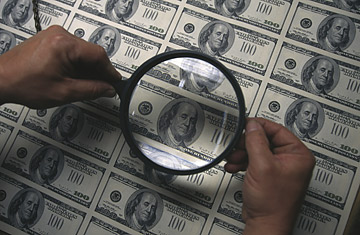
The Federal Reserve created $3.5 trillion between 2008 and 2014 through a process called quantitative easing, which is a phrase designed to make counterfeiting sound like engineering.
You already understand what counterfeiting is. Someone creates money without producing anything real, then spends that money into an economy, diluting the purchasing power of every dollar already in circulation. The existing holders of dollars quietly lose wealth. The counterfeiter gains. QE operates on exactly this mechanism, with the sole distinction that Ben Bernanke wore a suit and testified before Congress.
The vocabulary matters enormously here. "Quantitative easing" sounds technical, measured, even cautious. "Monetary accommodation" implies a favor done for you. "Asset purchase program" sounds like prudent investing. Strip the language, and you have a central bank crediting its own account with numbers it invented, then buying Treasury bonds and mortgage-backed securities with those invented numbers. The sellers receive dollars. Prices rise. Your savings shrink.
Sound money advocates have explained this mechanism for over a century, but the terminology game keeps working. Call inflation a "price stability challenge." Call currency debasement "accommodative policy." The Fed ran its balance sheet from roughly $900 billion in 2008 to $8.9 trillion by early 2022. Nobody voted for this. No legislature authorized the specific mechanism. The Fed simply decided, and it happened.
Ludwig von Mises identified inflation as a tax. Every dollar created without corresponding production transfers real purchasing power from wage earners and savers toward the first spenders of the new money: banks, governments, and large asset holders. The jargon exists specifically to prevent you from noticing the transaction while it occurs.
Hayek on what true scientists understand that most intellectuals don’t:
“The man who has learned a little science lacks the humility the real scientist gladly acquires. The typical intellectual believes everything must be explainable, but a scientist knows that a great many things are not. A good scientist is essentially a humble person.”
@SueJonesSays@DrugGovoruna Was he smart because he was a polymath, or a polymath because he was smart? Is “g” determined by nature, nature, or both. Most psychometricians would answer both. But what say you, historian of science?