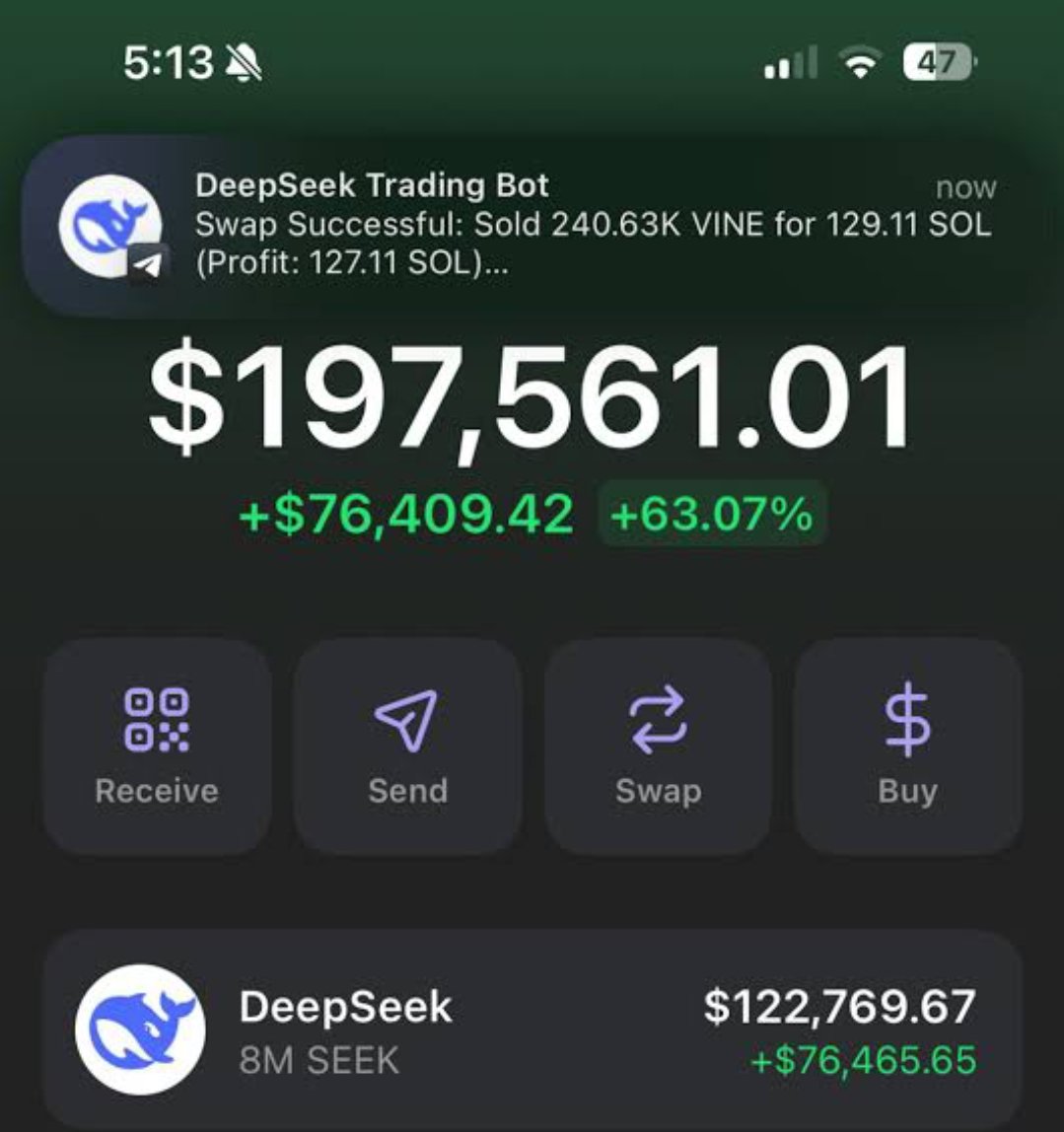
DeepSeek just turned $100 into $45K overnight.
This isn't a flex. It's facts.
Built an Al trading bot using DeepSeek And it literally prints crypto.
I'm sharing the exact bot for FREE
Want it?
1. Retweet
2. Like
3. Reply "DS"
4. Follow me @jamescoder12
You don’t need a PhD to understand Retrieval-Augmented Generation (RAG).
It’s how AI stops hallucinating and starts thinking with real data.
And if you’ve ever asked ChatGPT to “use context” you’ve wished for RAG.
Let me break it down in plain English (2 min read):
ChatGPT 5 or Grok 4
which one actually wins?
Someone tested them with the same high-pressure prompts.
The difference is shocking.
(video demos inside 👇)
Get a https://t.co/HBSHR5Yzsu invitation code now!
Just:
1. Like this post ❤️
2. Repost 🔁
3. Tag a friend below 🧑🤝🧑
4. Follow me ✅ (so I can DM you the invitation code)
People keep asking me how to "get into AI"
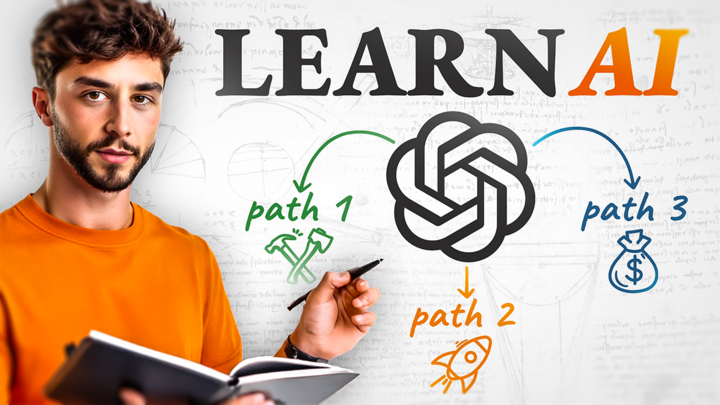
The way I see it, there are 3 paths:
1. Apply AI to what you're already doing
2. Sell AI services in a space you know
3. Start your own upward spiral:
Different paths. Different playbooks.
I mapped them out below 👇🏼
What a crazy week in AI 🤯
- ChatGPT Agents
- Runway’s Act-Two
- Grok AI Companions
- Claude New Directory
- Mistral AI Voxtral Speech
- Amazon Coding Agent Kiro
- Google Search New AI Features
- First Live-Stream Diffusion Model
Here’s EVERYTHING you need to know:
Today we launched a new product called ChatGPT Agent.
Agent represents a new level of capability for AI systems and can accomplish some remarkable, complex tasks for you using its own computer. It combines the spirit of Deep Research and Operator, but is more powerful than that may sound—it can think for a long time, use some tools, think some more, take some actions, think some more, etc. For example, we showed a demo in our launch of preparing for a friend’s wedding: buying an outfit, booking travel, choosing a gift, etc. We also showed an example of analyzing data and creating a presentation for work.
Although the utility is significant, so are the potential risks.
We have built a lot of safeguards and warnings into it, and broader mitigations than we’ve ever developed before from robust training to system safeguards to user controls, but we can’t anticipate everything. In the spirit of iterative deployment, we are going to warn users heavily and give users freedom to take actions carefully if they want to.
I would explain this to my own family as cutting edge and experimental; a chance to try the future, but not something I’d yet use for high-stakes uses or with a lot of personal information until we have a chance to study and improve it in the wild.
We don’t know exactly what the impacts are going to be, but bad actors may try to “trick” users’ AI agents into giving private information they shouldn’t and take actions they shouldn’t, in ways we can’t predict. We recommend giving agents the minimum access required to complete a task to reduce privacy and security risks.
For example, I can give Agent access to my calendar to find a time that works for a group dinner. But I don’t need to give it any access if I’m just asking it to buy me some clothes.
There is more risk in tasks like “Look at my emails that came in overnight and do whatever you need to do to address them, don’t ask any follow up questions”. This could lead to untrusted content from a malicious email tricking the model into leaking your data.
We think it’s important to begin learning from contact with reality, and that people adopt these tools carefully and slowly as we better quantify and mitigate the potential risks involved. As with other new levels of capability, society, the technology, and the risk mitigation strategy will need to co-evolve.