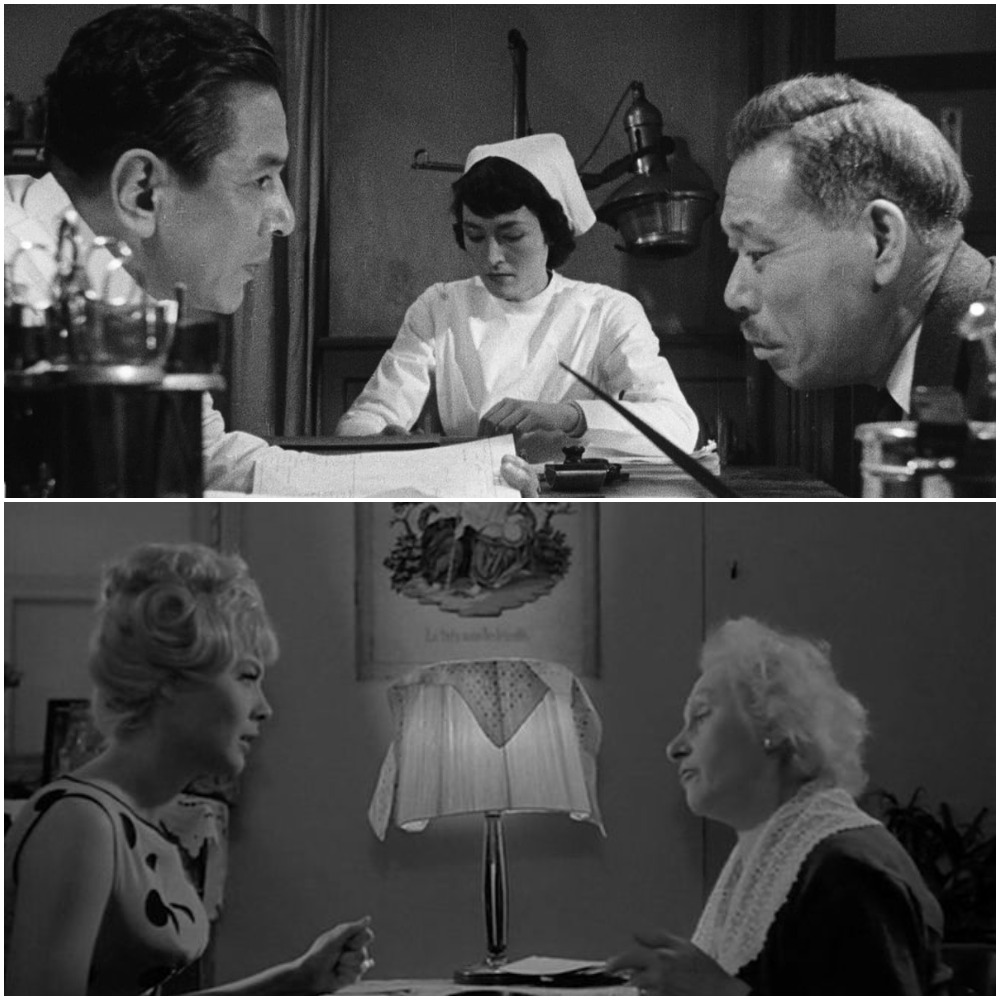
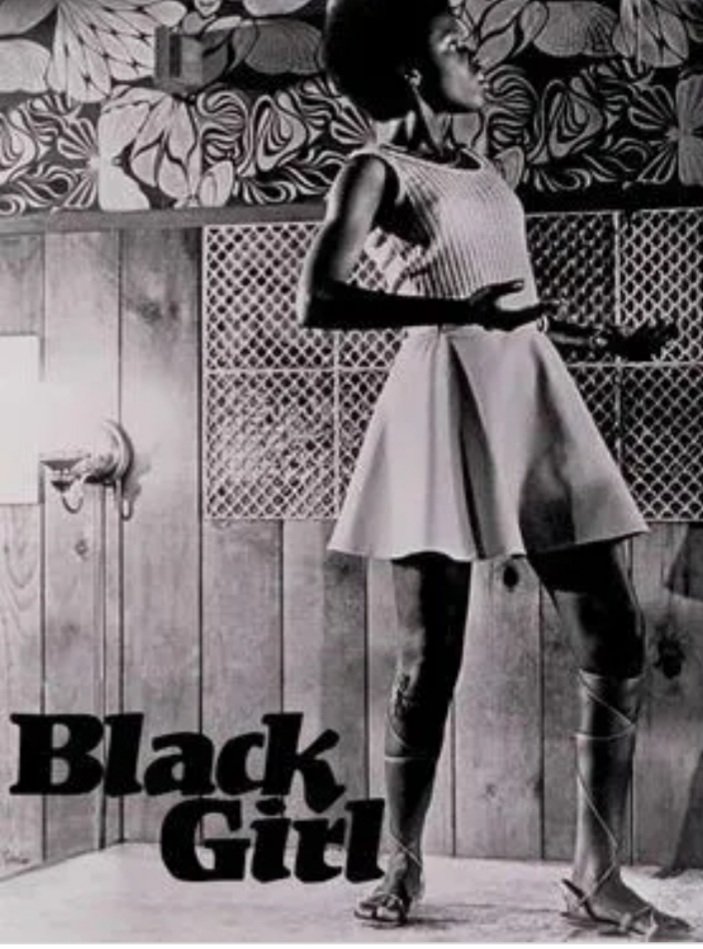
Throughout the semester, I became even more certain that movies form the past were much deeper in terms of expressing idea (Ikiru) and more inventive in terms of filming methods (8 1/2). It was both motivating and useful for me as someone who used to work in the field! TY #cm316
@nastassiapetra I get what you mean. I couldn't put my finger on it but watching older films felt refreshing in a sense. Every moment felt very intentional. I also think branching out into films made outside of the U.S. gave that feeling as well. #cm316
Before this class, the only film I had watched was Casablanca. This semester, I grew to appreciate the historical importance of film through analyzing technical choices alongside themes. The lineup gave a perfect foundation for branching out into other significant films. #cm316
Over the last 15 weeks I learned to be patient while reading captions in foreign language films. I was forced to comprehend movies that were in spoken in Italian, German, Cantonese, Japanese, Czech, and French. While also interpreting their culture. #cm316 Week15
How does Watanabe's reaction to his terminal illness in "Ikiru" compare to Cléo's in "Cléo from 5 to 7," in terms of their interactions with their environment and how their feelings about death are symbolically represented and developed? #cm316
Final exam question: How does Rossellini's Rome, Open City (1945) demonstrate the characteristics of Italian neorealism? Reference a specific scene or shot from the film as an example. #cm316
@RoxanneGrant715 Great choices! I agree with progressive realism now being a defining characteristic of 21st century film, partly due to how interconnected people have become through social media on a global scale, thus influencing film on smaller scales #cm316
And familiarity vs novelty is the current issue: so many franchise films & remakes but original stuff is desired. And the rise of streaming services & shooting films on iphones have changed filmmaking & film viewing in terms of accessibility (2/2) https://t.co/bbRtZkUX7J #cm316
The three defining characteristics of 21st century film are fantasy, familiarity vs novelty, and accessibility. I feel like the tech is there for greater vfx, which has led to many high grossing superhero/fantasy films (1/2) #cm316
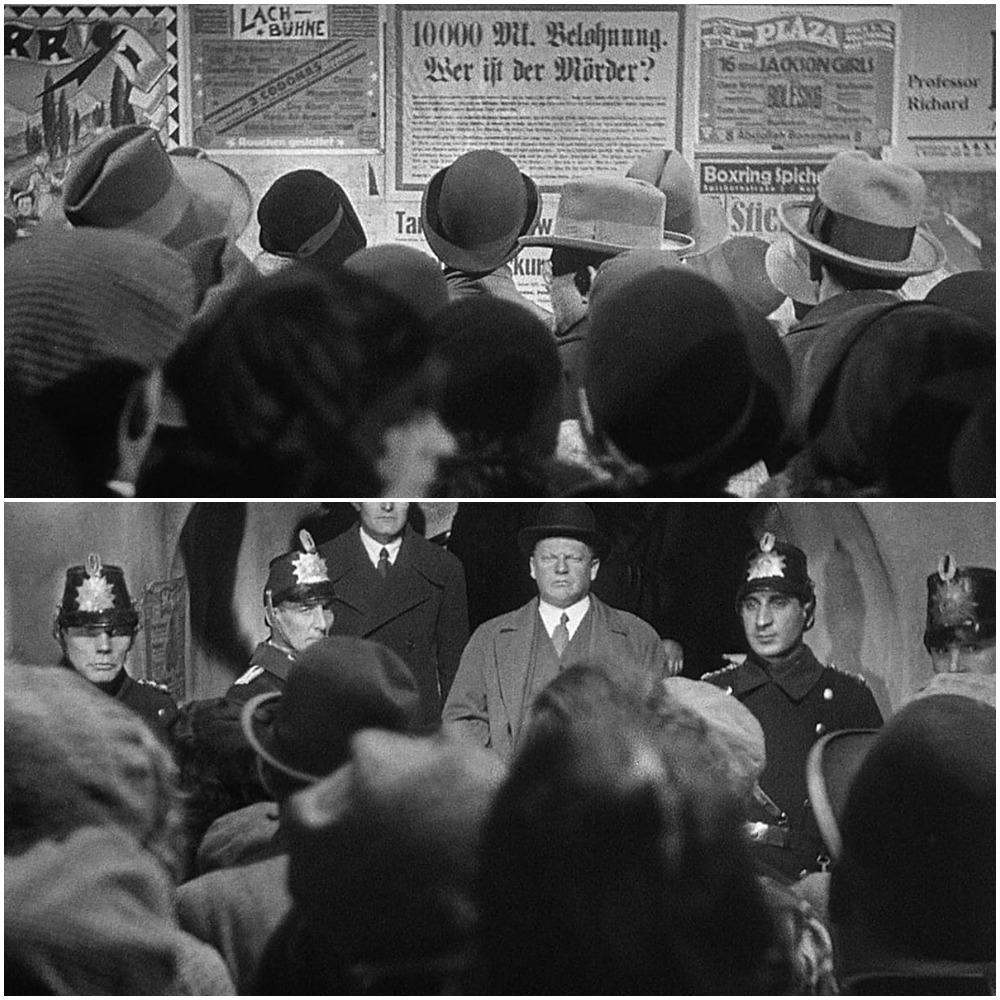
"Expressionism is characterized by extreme stylistic exaggeration and an often bleak worldview." I felt this concise definition made in the article highlights the way film noir has evolved from German Expressionism, mostly Lang's M. Notably, the way bleakness is shown #cm316
Why 'M' is the Best Noir to Predate Noir by Cameron Olsen: Fritz Lang's grotesque crime drama came years before the #FilmNoir era, and yet it remains one of the strongest works of the genre: https://t.co/urhc9hMyHr
@RoxanneGrant715 Interesting review. I haven't seen wolf of wall street but based on this I can definitely get a feel for the similarities between it & 8 1/2. Guido, much like Belfort, isn't a particularly likeable man, but it's intentional & integral to his character arc #cm316
@AshleySali88 I wonder as well. It's a nice shot so I feel like I'd capture it based on that lol. If I had to guess, I'd say it might be that the tables both couples are sitting in feel almost like islands in a sea of empty chairs. That isolation represents something different for both.
These frames are composed similarly; from the large amount of negative/open space to the many tables surrounding the focus. In Ali: Fear Eats the Soul, the space emphasizes the outside world vs Ali & Emmi. In 8 1/2, the space amplifies the tension between Guido & Luisa. #cm316
I was thinking of investigating parallelism in Lang's M & its role in character/theme protrayal. I'm not sure if I should focus only on frames/scenes or if including sound would be good as well. #cm316
@AshleySali88 Great comparison! I definitely love the way mirrors are used in both films, revealing much about the inner turmoil of the characters. Do you feel there is a similar or different message behind the use of mirrors in these two frames? #cm316