Manohar et al. found that CT-derived fractal dimensions of LV trabecular structure were significantly higher in LV noncompaction than in controls, HCM and DCM, supporting fractal analysis as a quantitative tool for differentiation.
https://t.co/nCtlpC1aea
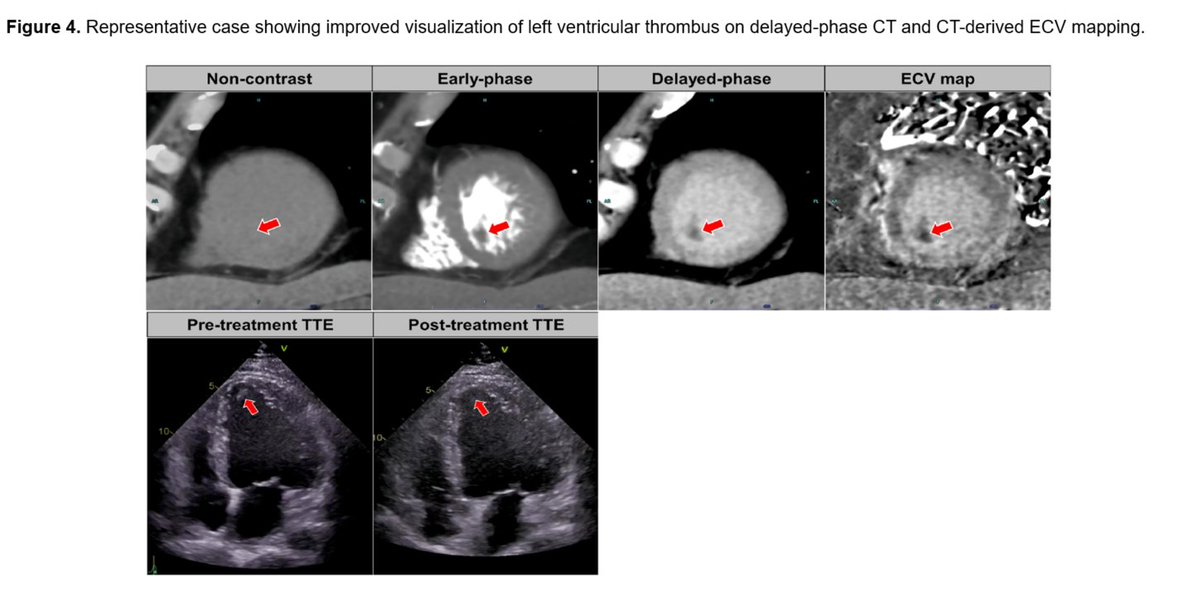
The study from Takaoka et al. showed that delayed-phase cardiac CT and CT-derived ECV maps improve detection of left ventricular thrombus, with AUCs of 0.95 and 0.98, respectively, compared with 0.78 for early-phase and 0.55 for non-contrast imaging.
https://t.co/1vyiDtPT7K
The study from Solomon et al. demonstrated dual-energy CT can distinguish lipophilic iodinated Angiofil from aqueous gadolinium in ex vivo postmortem coronary CTA, allowing simultaneous characterization of coronary patency & myocardial perfusion defects.
https://t.co/5yKhPvqJGj
The study from Serruys et al. demonstrated that CCTA-derived LV%MYO provides an objective & individualized measure of myocardium at risk before and after CABG. Complete revascularization, defined as residual LV%MYO <10%, was achieved in 43.8% of patients.
https://t.co/21GOtmPKXS
The study from Montes Muñiz et al. showed that remnant cholesterol >30 mg/dL was associated with a higher risk of major adverse cardiovascular events and amplified the effect of CCTA-derived atherosclerotic plaque burden on MACE risk.
https://t.co/Rjc6Ptkt8i
Zhang et al. found that voxel-based CT attenuation correction reduces CAC overestimation from low-kV imaging with deep learning reconstruction. Risk-stratification misclassification fell from 20.53% to 5.79%, while radiation dose decreased 77.6%.
https://t.co/2oCuhPCvvx
Gershon et al. provide age-, sex-, and race-specific CAC volume percentiles, showing higher CAC volumes in men and increasing volume with age. The study also identified differences in CAC density across demographic groups.
https://t.co/e4XFsGscaB
The review from Khinsoe et al. highlights how CT-derived computational modelling can provide patient-specific structural and haemodynamic simulations to support valve selection, procedural planning, and lifetime management of aortic stenosis.
https://t.co/zZeR7DMyX3
Dr. Armin Zadeh examines the ambiguities of coronary calcium: CACS remains a powerful & practical risk marker, but the same score may reflect atherosclerosis, medial calcification, plaque stabilization, or altered vascular biology.
https://t.co/gercP4dgPb
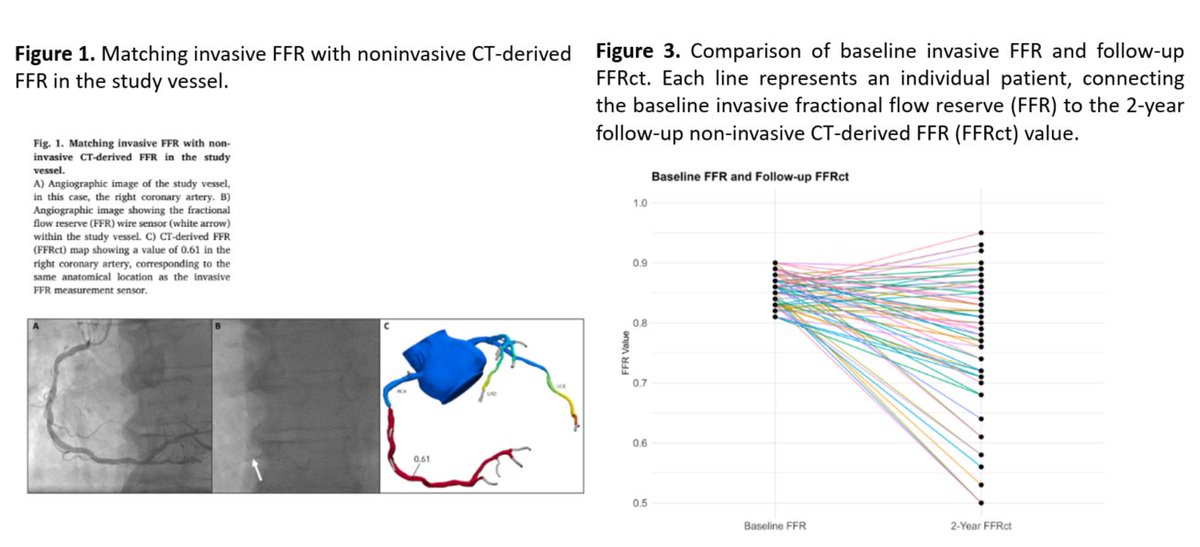
Can noninvasive follow-up identify progressing intermediate coronary lesions? Mahmoud et al. combined FFRct with AI plaque analysis and found lower follow-up physiology was associated with greater noncalcified and low-attenuation plaque burden.
https://t.co/jon6sNio7D
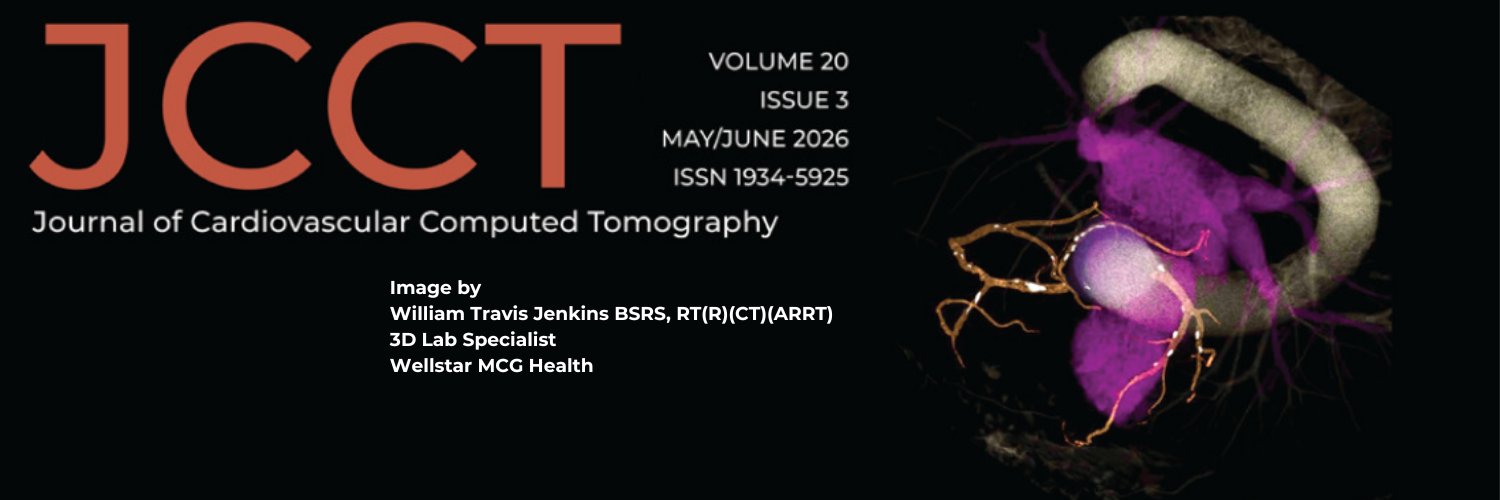
The July/August issue of JCCT is now available!
Explore the latest updates and highlights from across the cardiovascular CT community. Thank you to Jesus Corrales, MD for providing the stunning cover image featured in this issue.
https://t.co/wLdGwTMYXn
In a prospective multicenter registry, van Beek et al. found that CCTA correctly identified a non-obstructive contralateral coronary artery in all 102 patients with suspected single-vessel CAD. CCTA may help focus subsequent invasive angiography.
https://t.co/q7T7YwuL4A
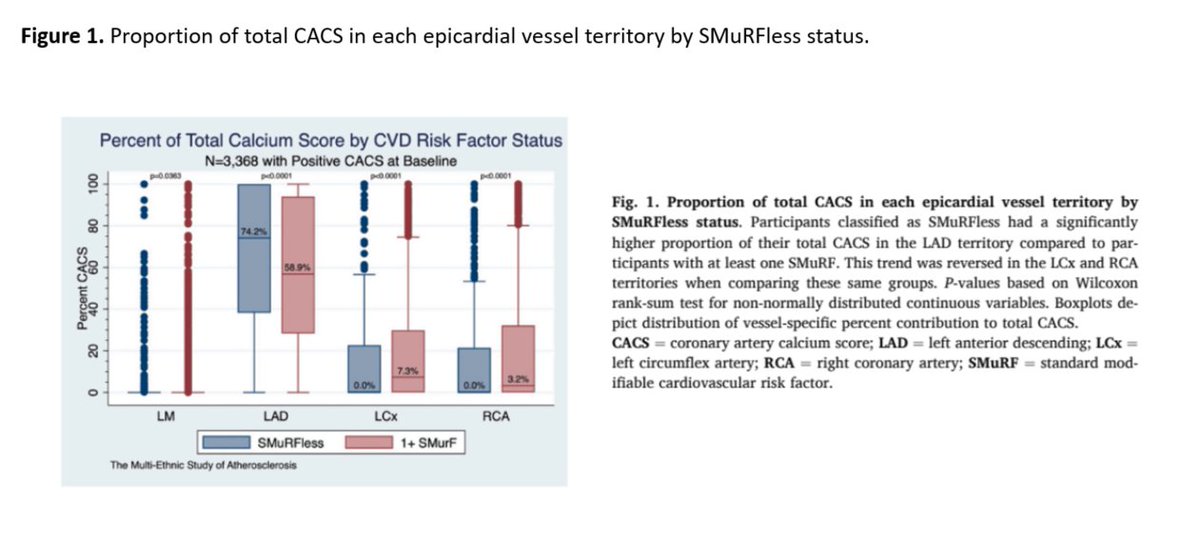
Why does atherosclerosis develop in people w/o hypertension, diabetes, smoking or high cholesterol? Gray et al. identified a possible LAD-predominant calcium pattern in MESA, opening new questions about vessel-specific biology & personalized prevention.
https://t.co/tqnJHZXHv8
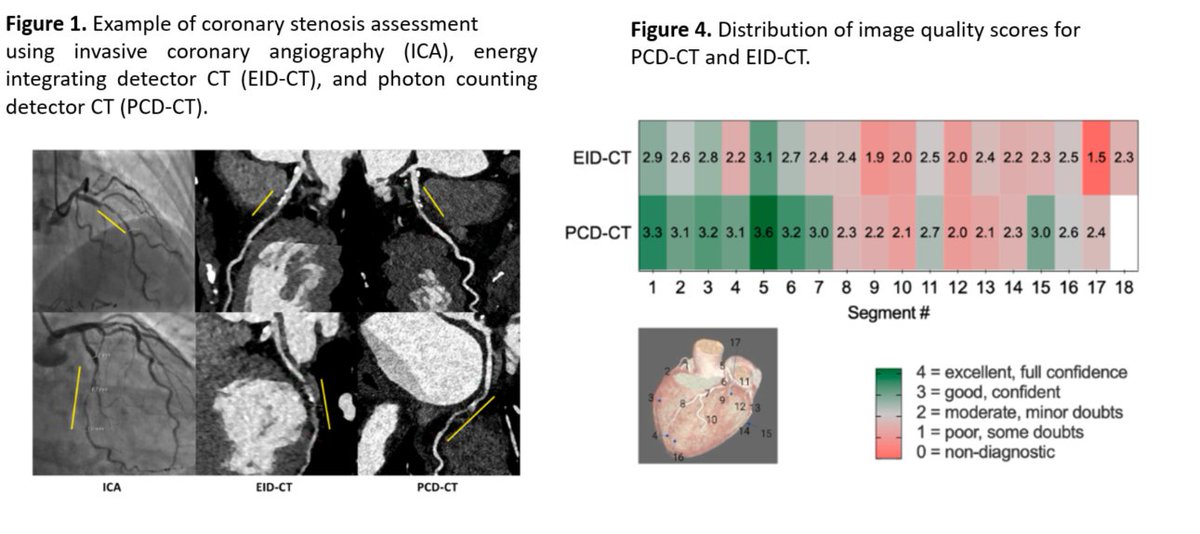
Sharper images with lower dose: Skoog et al. found that standard-resolution PCD-CT matched conventional CCTA for stenosis grading while improving image quality and reducing radiation and contrast exposure. A promising step for routine coronary imaging.
https://t.co/Q2V9SW8qKj
Could one CT streamline the pre-TAVR pathway? In the FUTURE-AS registry, Ihdayhid et al. found that coronary CTA plus selective FFRCT was feasible & well tolerated, w/ a modeled strategy suggesting that 81.7% of patients might avoid pre-TAVR angiography.
https://t.co/cAxPcKoBKI
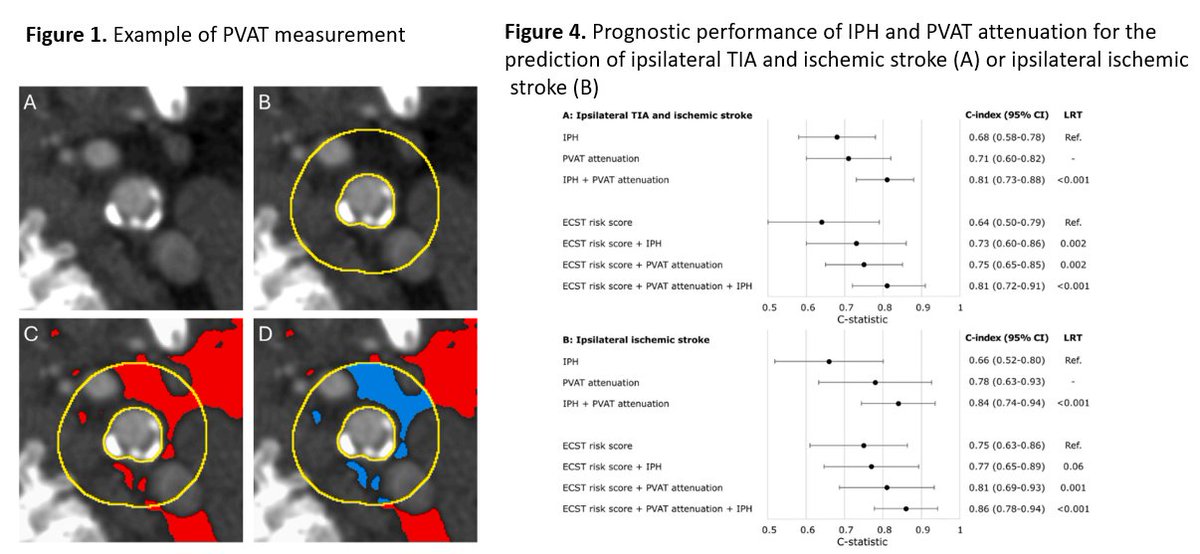
In this strong prognostic analysis by Bierens et al., PVAT attenuation was shown to be an independent marker for ischemic stroke and TIA risk in symptomatic patients, beyond stenosis and intraplaque hemorrhage.
https://t.co/YwVXLxGQxp
Sharma et al. find that calcium location matters in CTO PCI. On CTCA, proximal-cap calcification occupying ≥50% of the vessel cross-section was independently associated with procedural failure, supporting CT-based planning for complex intervention.
https://t.co/IEdLSyrY0A
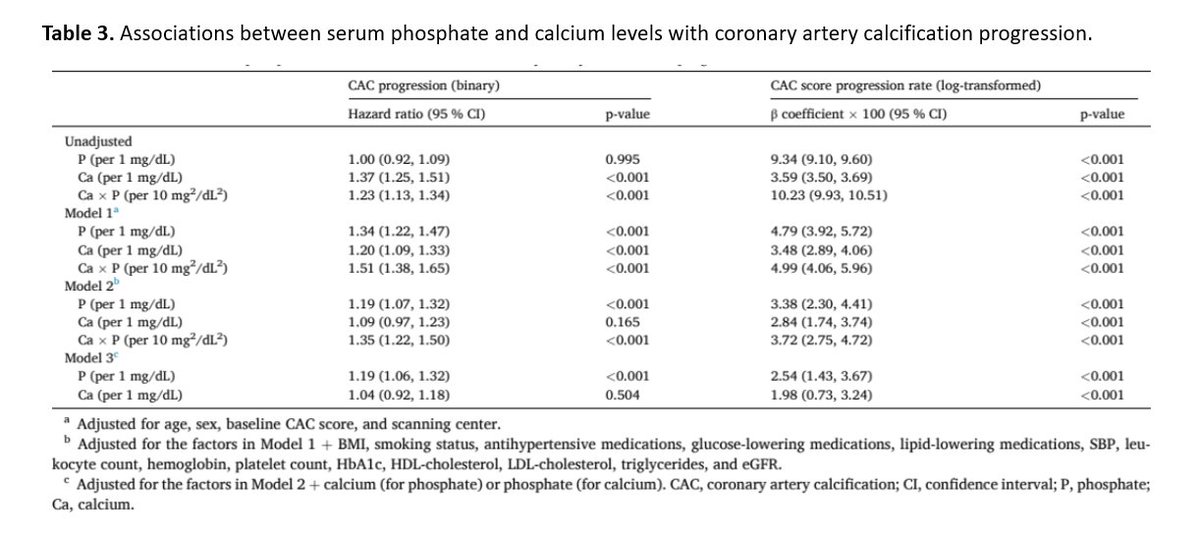
This study by Kim et al. found that higher serum phosphate was associated with more severe baseline CAC and faster progression over 3.5 years, supporting further research into risk stratification and potential therapies.
https://t.co/9JunACgNpD
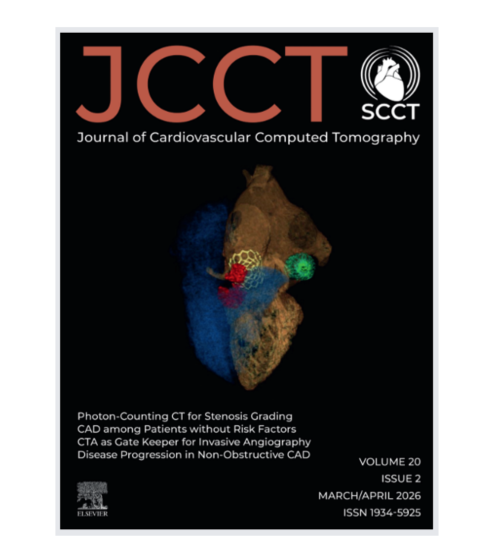
SCCT President Dr. Kavitha Chinnaiyan reflects on the evolving role of the cardiovascular imager in the March/April issue of JCCT—and why the future of imaging depends on turning data into actionable insight.
https://t.co/B75EJYk3Sf