🚨 ILLINOIS MOVES TO REPEAL AGGRESSIVE BITCOIN TAX JUST DAYS AFTER PASSAGE
Illinois lawmakers have introduced HB5798, a bill that would fully repeal the state’s controversial Digital Asset Tax Act.
The legislation, filed by Rep. John Cabello on June 22, would eliminate the tax on the exchange, transfer, and storage of digital assets if passed.
The move comes just days after Illinois approved one of the most aggressive state-level taxes on digital asset activity in the United States.
Crazy move from Illinois passing a 0.2% tax on every crypto transaction, regardless of profit or loss.
No equivalent for stocks or bonds anywhere.
Meanwhile Wyoming passed 50 laws to support digital assets and issued the first state stablecoin. Kraken moved its headquarters there from SF.
States are competing for this industry and Illinois just took itself out of the race.
The entire human experience is as you label it. Ween off of psychologist language undiagnosed, or diagnosed at this point, characteristics of the human experience. You are being deprived of so much Life that we can’t actually fathom the ideal conditions for the mind and body of
🚨 ILLINOIS ENACTS MOST AGGRESSIVE BITCOIN TAX IN THE 🇺🇸 US
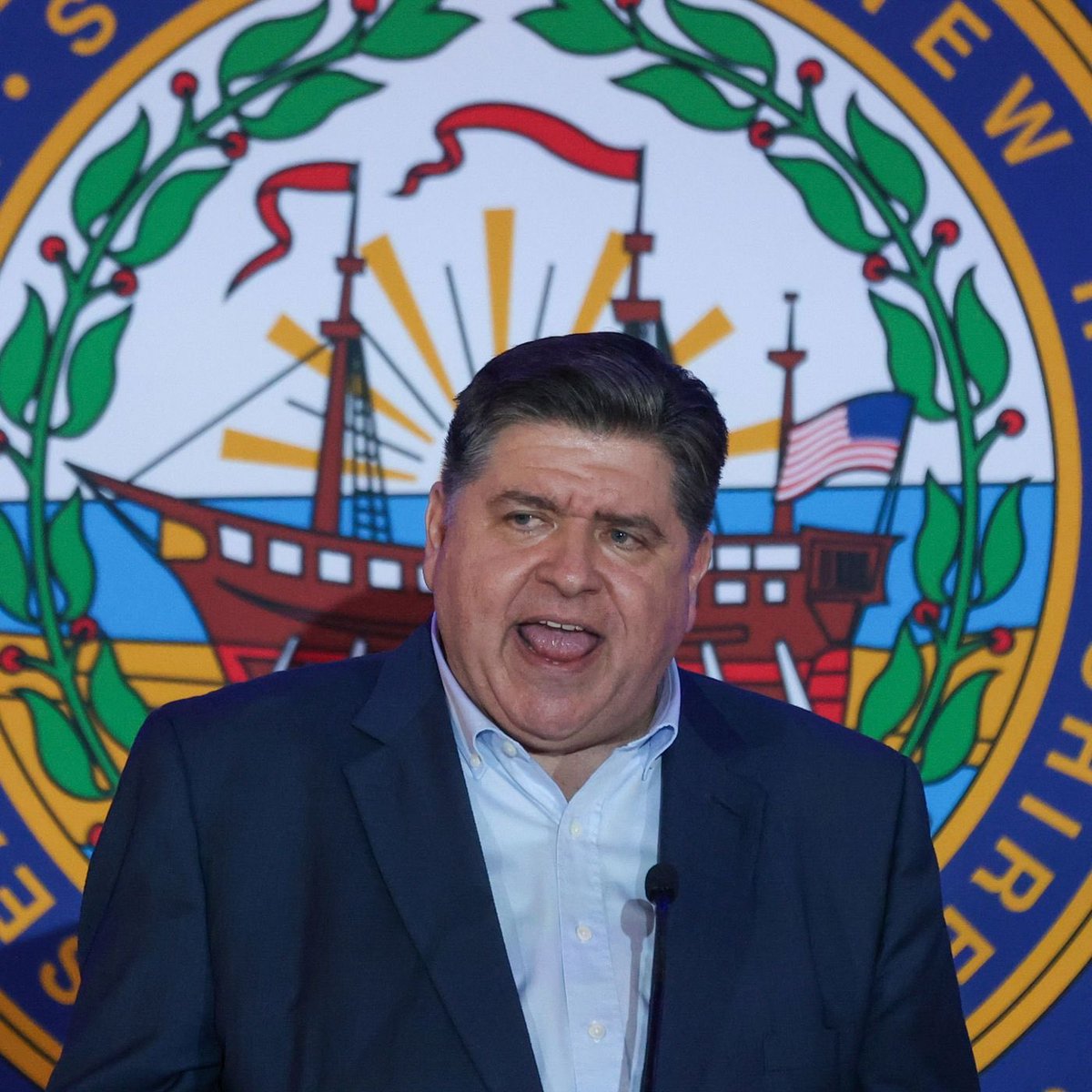
Governor J.B. Pritzker has signed Illinois’ new Digital Asset Tax Act into law.
Starting January 1, 2027, Illinois will impose a 0.20% tax on the gross value of digital assets exchanged, transferred, or stored for customers.
In practice:
• Buy Bitcoin? Pay the tax.
• Transfer Bitcoin? Pay the tax.
• Store BTC with a custodian? Pay the tax.
Move $1 million through a bank wire, ACH transfer, brokerage account, or traditional custodian and Illinois takes nothing.
Move that same $1 million as a digital asset and the state takes $2,000.
The tax applies regardless of whether there is any profit, income, or capital gain. It is levied simply because a digital asset is being exchanged, transferred, or stored.
Critics argue this creates a first-of-its-kind regime that singles out blockchain-based activity while leaving analogous banking, brokerage, custody, and payment services untouched.
The law targets the service layer of the digital asset economy. While trading for one’s own account is excluded, businesses facilitating exchange, transfer, or custody for customers must collect and remit the tax, with customers ultimately liable if it is not collected.
The Crypto Council for Innovation warned that Illinois is becoming a national outlier by adopting a transaction-based tax on digital assets that has no comparable equivalent for stocks, bonds, derivatives, bank deposits, or traditional financial transactions anywhere else in the country.
Industry groups say the law is a powerful incentive for entrepreneurs, startups, and investment to leave Illinois for more competitive jurisdictions.
Perhaps most surprising is the timing. Illinois only recently adopted the Digital Assets and Consumer Protection Act (DACPA), a framework many viewed as a constructive approach to blockchain innovation. This new tax represents a sharp reversal.
The question now is whether other states follow Illinois’ lead, or whether this becomes a case study in how to drive an emerging industry elsewhere.