Before we correct the behavior… pause.
Remember what it felt like to be that age. Sitting in a desk, heart racing, hoping you wouldn’t be called on. Walking into a room and wondering where you fit. Caring so much what others thought… even if you pretended you didn’t. Replaying awkward moments. Feeling embarrassed, left out, or not enough… and not having the words to explain it.
Remember how one comment from an adult could stick with you for years… and how one moment of belief could change everything.
The child in front of you isn’t just “being difficult.” They are overwhelmed. They are figuring themselves out. They are carrying emotions they don’t fully understand yet.
And the truth is… they are not that different from who we once were.
When we remember that, everything shifts.
More patience.
More empathy.
More connection.
And sometimes, in showing up for them… we quietly heal a part of ourselves too.
#teachersofinstagram #schoolpsychology #traumainformed #educators #teacherlife #mentalhealthmatters #socialemotionallearning #sel #childdevelopment #behavioriscommunication #teachersfollowteachers #parenting #gentleparenting #mindfulparenting #middleschool #highschool #elementaryteacher #classroommanagement #teacherburnout #empathy #connectionbeforecorrection #kidsneedconnection #teachwithheart #educationmatters #supportkids #wellbeing #mentalhealthawareness #growthmindset #fromatherapist
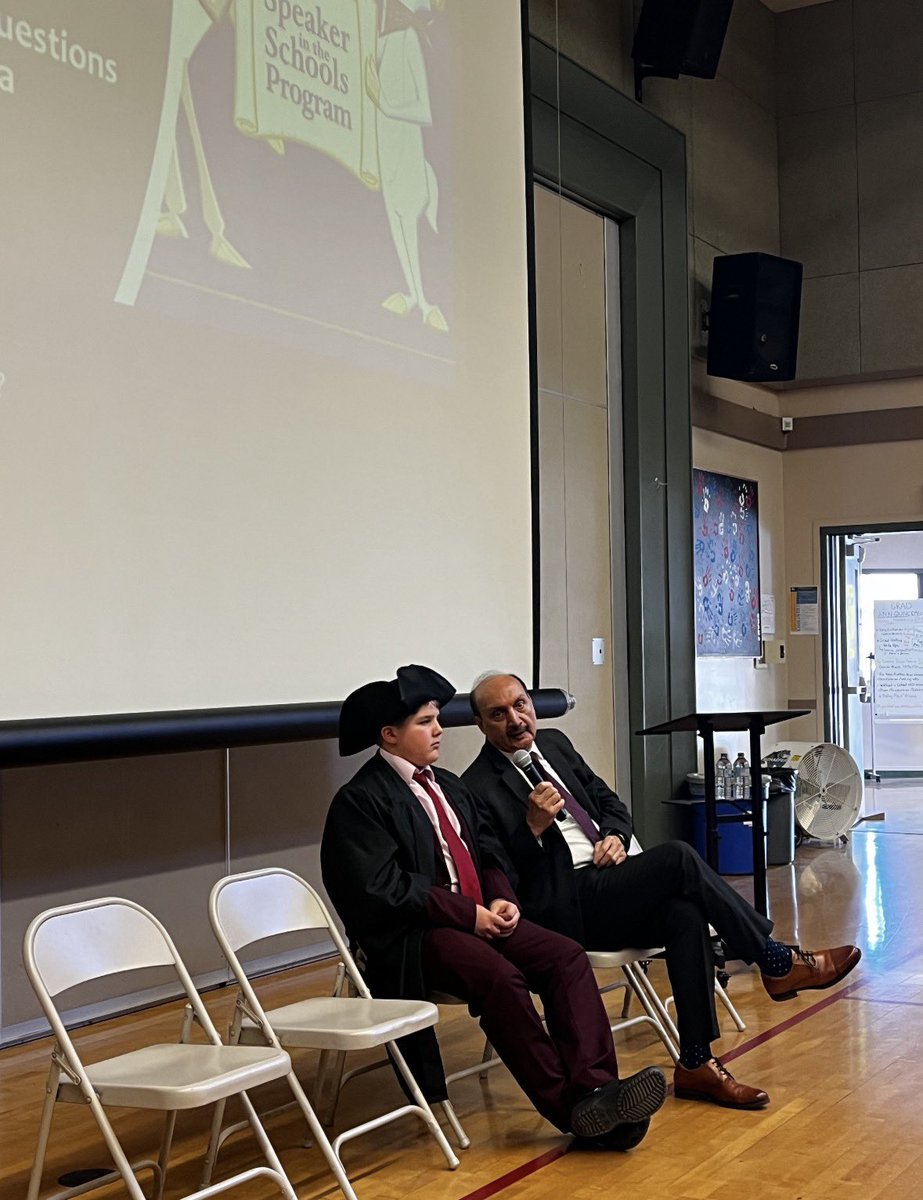
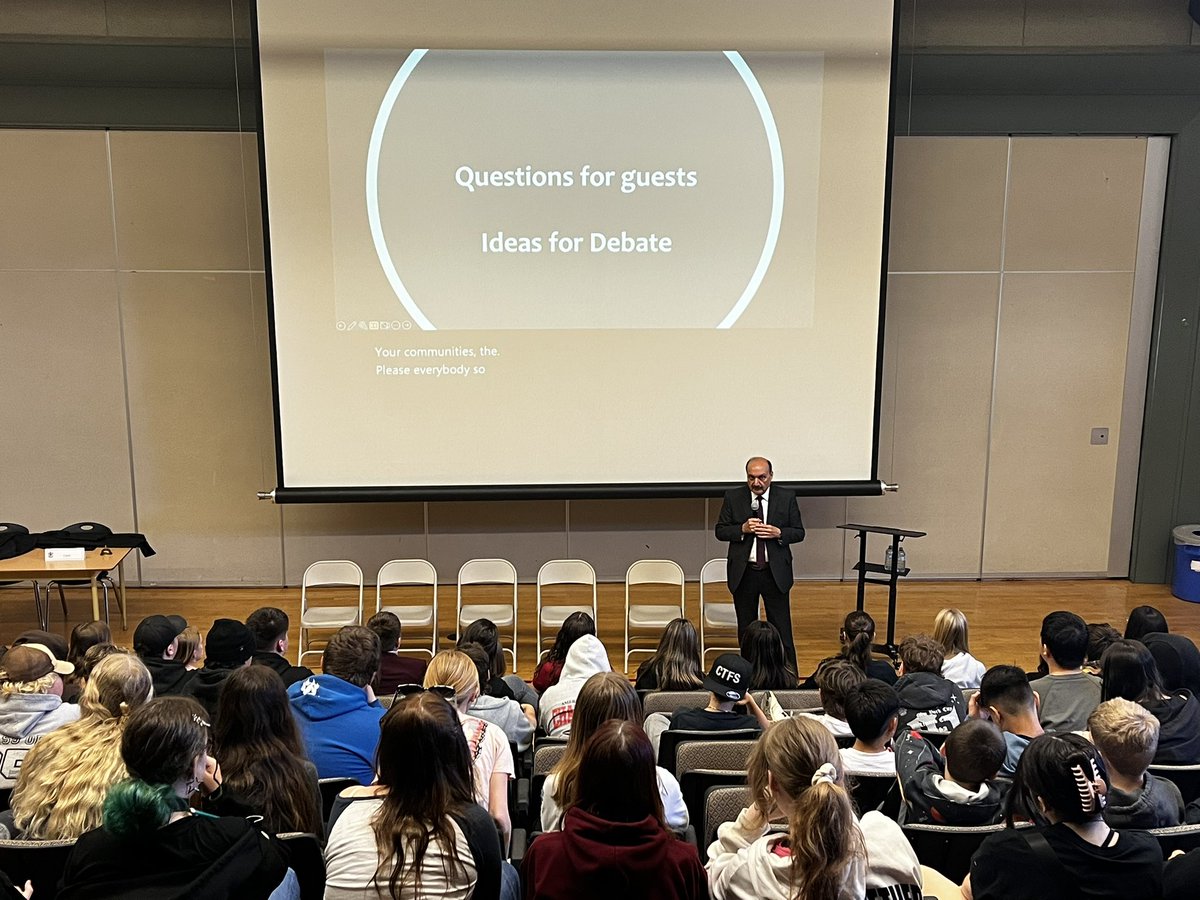
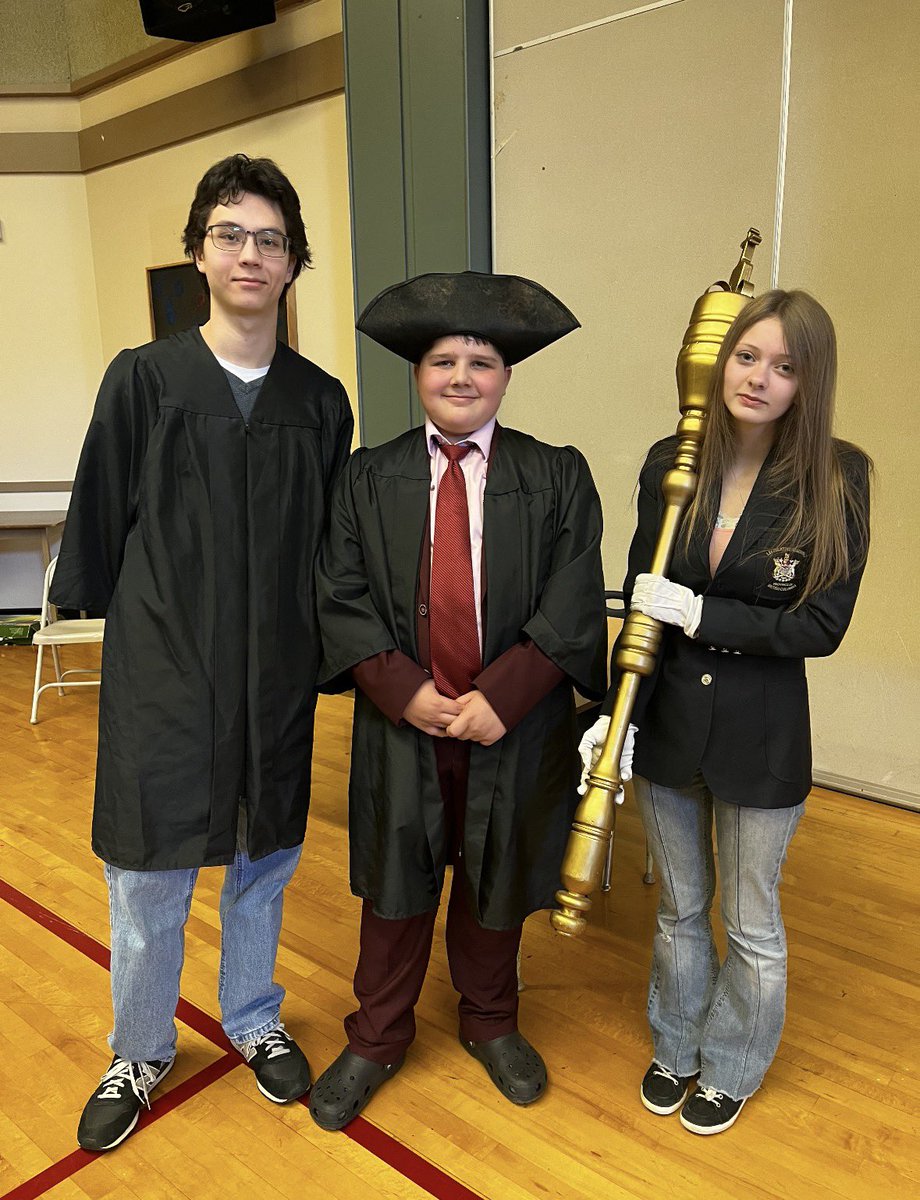
To cap off the week, I was invited to bring @BCLegislature’s Speaker in the Schools program to Chemainus Secondary (@CowichanSchools) for a grade 7 Humanities class and grades 10 and 12 Political Science students. I had so much fun!
Taylor, Haley, and Maximo were FANTASTIC in the roles of Sergeant-at-Arms, Clerk, and Speaker, respectively.
I won’t be surprised if some of these bright young people end up working with the Legislative Assembly in any number of capacities one day.
Thank you so much for the invitation, Ms. Wilson!
We are just weeks away from Artemis II, where we will send astronauts around the Moon—farther than any crew has traveled before.
The mission’s press kit is now available! Check it out: https://t.co/R3JaaG8lQU
Cognitive vs. Affective Conflict: What Leaders Need to Know
Not all conflict is bad. Some conflict improves thinking, decisions, and outcomes. Other conflict shuts people down. The difference matters.
As a former school administrator and current therapist, this distinction changes how leaders lead.
Cognitive conflict is disagreement about ideas, strategies, or solutions.
It stays focused on the work, not the people. The brain remains regulated, allowing reasoning, listening, and problem-solving.
To increase cognitive conflict, leaders ask:
•“What problem are we trying to solve?”
•“What evidence supports each option?”
•“What might we be missing?”
•“What would success look like six months from now?”
•“Can two ideas both be partly right?”
This leads to better decisions, creativity, shared ownership, and stronger buy-in.
Affective conflict feels personal.
It is driven by emotion, threat, ego, or past experiences. Stress rises, logic drops, and trust erodes.
To reduce affective conflict, leaders slow things down and restore safety by asking:
•“What feels frustrating or concerning right now?”
•“What impact did this have on you?”
•“What do you need in order to move forward?”
•“Can we pause and reset before continuing?”
•“How can we work on this together?”
This calms the nervous system, brings thinking back online, and protects relationships.
The leadership takeaway:
People cannot think clearly when they don’t feel safe.
Strong leaders don’t avoid conflict. They keep it cognitive, notice when it turns emotional, and know how to bring teams back to regulation and collaboration.
�� Dr. Bryan Pearlman
Former Principal | Therapist
24 Types of Educators 😂
1.The “I’ve Never Thrown Anything Away” Educator
How to spot them: Still has a 2004 math textbook, an Encyclopedia Britannica set, overhead transparencies, and says, “You never know when this might be useful.”
2.The Gallon Sized Water Bottle Educator
How to spot them: Carries a trash can sized water bottle everywhere. Drinks nonstop. Somehow never goes to the bathroom.
3.The “Just One More Question…” Educator (In the Staff Meeting)
How to spot them: Hand shoots up as everyone’s packing up. It’s Friday
4.The “5th Cup of Coffee Before 8 a.m.” Educator
How to spot them: Already on coffee number five before the bell rings.
5.The 20 Animals in the Room Educator
How to spot them: Fish, hamster, snake, lizard, turtle, maybe a tarantula.
6.The Green Colored Shake Educator
How to spot them: Breakfast, lunch, and dinner is a moss green colored shake. Claims it has everything you need. Never tired. We are impressed and slightly concerned.
7.The Mystery Stain Educator
How to spot them: Walked in clean. Five minutes later there is a stain. No clue where it came from. Could be motor oil. Could be Sharpie.
8.The “We’ve Never Seen Their House” Educator
How to spot them: Always at school. Early. Late. Weekends too. We are convinced there is a George Costanza style cot under the desk.
9.The Hot Fries, Donut, Birthday Cake Educator
How to spot them: Lunch is hot fries, a donut, or leftover birthday cake from the staff lounge. Somehow still thriving.
10. The Bling for Every Occasion Educator
How to spot them: Rhinestones, sparkle, glitter, bedazzled letters. Spirit week, holidays, assemblies, random Tuesdays.
11. The Dressed Too Nice to Teach Educator (With Kindergarten Students)
How to spot them: Heels, silk blouse, designer skirt. Looks like they’re headed to a board meeting. Ends up on the floor with kindergarteners tying shoes and wiping glue anyway.
12. The “I Have a Saying for That” Educator
How to spot them: Has a rhyme or chant for everything.
One two three eyes on me.
Students respond automatically.
13. The “I’m on 20 Committees” Educator
How to spot them: On every team, task force, pilot group, and committee. Somehow still smiling. We worry about them.
14. The One Who Knows All the Tea (and Handles It Well)
How to spot them: Knows who is mad at who, who is dating, who is not talking, and still keeps it professional and kind.
15. The “I Speak Kid” Educator
How to spot them: Uses current slang correctly. Knows the music, trends, and which shoes matter this week.
16. The “I’m Still a Kid Inside” Educator
How to spot them: Loves games, jokes, and silliness. Laughs with students. Makes learning feel fun again.
17. The Calm One
How to spot them: Chaos everywhere. They are unfazed. Says, “Alright friends,” and somehow it works.
18. The Kid Whisperer
How to spot them: Handles the hardest kids with ease. Gets cooperation with a look and a calm voice. No one knows how.
19. The Over Prepared but Chill Educator
How to spot them: Color coded plans that immediately change. Smiles and says, “We’ll figure it out.”
20. The No Filter Educator
How to spot them: Says what everyone else is thinking out loud. Honest. Direct. Usually right. Occasionally regrets nothing.
21. The Therapist for Everyone Educator
How to spot them: People just stop by. Students, staff, and parents all leave feeling calmer and lighter.
22. The Relationship Builder
How to spot them: Thirty students eat lunch in their room. Hundreds of former students still stop by, even as adults, just to say hi.
23. Everyone’s School Mom (or Dad)
How to spot them: Has snacks. Gives the look. Reminds you to eat, breathe, and grab a jacket. Love language is care.
24. The Knows Too Many Random Facts Educator
How to spot them: Casually explains ancient history, random science facts, and bits of multiple languages.
- How many of these people work in your school?
- Which one or ones are you?
:)
From November 3-7, I had the absolute honour of representing British Columbia at the Teachers Institute on Parliamentary Democracy in Ottawa. 🇨🇦
This experience was nothing short of life-changing. My greatest thanks to the Library of Parliament for organizing this amazing event!
“Maslow Before Bloom isn’t just for kids — it’s for all of us. Before we can grow intellectually (Bloom), we must feel safe, valued, and understood (Maslow). To truly thrive, we must know our strengths (Gardner), understand our inner selves and purpose (Jung), and manage our emotions and relationships with empathy (Goleman).
When adults model this balance of needs, strengths, meaning, and emotional intelligence — they don’t just teach it, they live it.”
— Dr. Bryan Pearlman, from the book “Maslow Before Bloom… Then Gardner, Jung & Goleman”
Join the conversation at the Maslow Brfore Bloom Facebook group at: https://t.co/015cLKjJ1m
In Ottawa and so excited to attend the Teachers’ Institute on Canadian Parliamentary Democracy! I’m one of fifteen teachers representing BC! #EduParl#teacherprod
@SavidgeReads Thank you SO much! That is so extremely generous of you! Would you be able to send the message to my email? I can play it for her at the surprise birthday party. My email is: [email protected]