A fully and rapidly reusable rocket will fundamentally change how humanity accesses outer space. “The Holy Grail of Rocketry” continues the ongoing Starship series with a look back at the scrappy days of SpaceX engineers proving reuse was possible and takes you onboard a high-seas race to recover a floating Starship
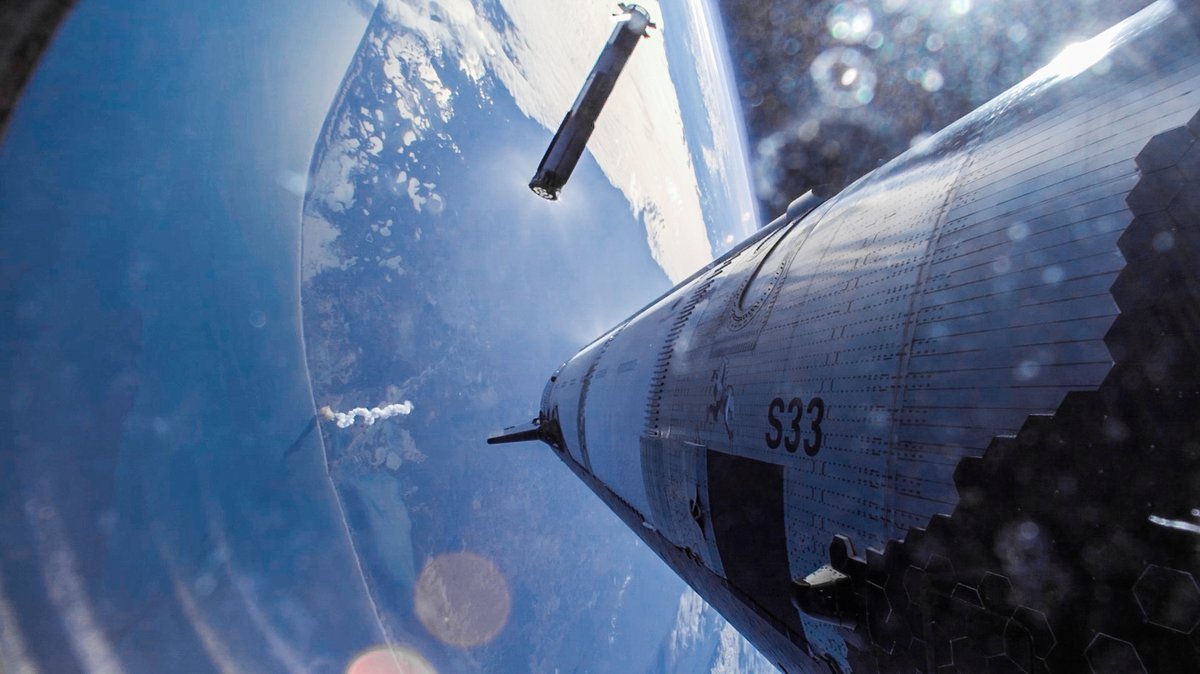
View of Starship in space from a Starlink V3 satellite on Flight 13.
This composite is made of imagery from four separate cameras on a single satellite. Six of the satellites were equipped with cameras to scan Starship’s heat shield and transmit imagery down to operators to continue testing methods of analyzing Starship’s heat shield readiness for return to launch site on future missions
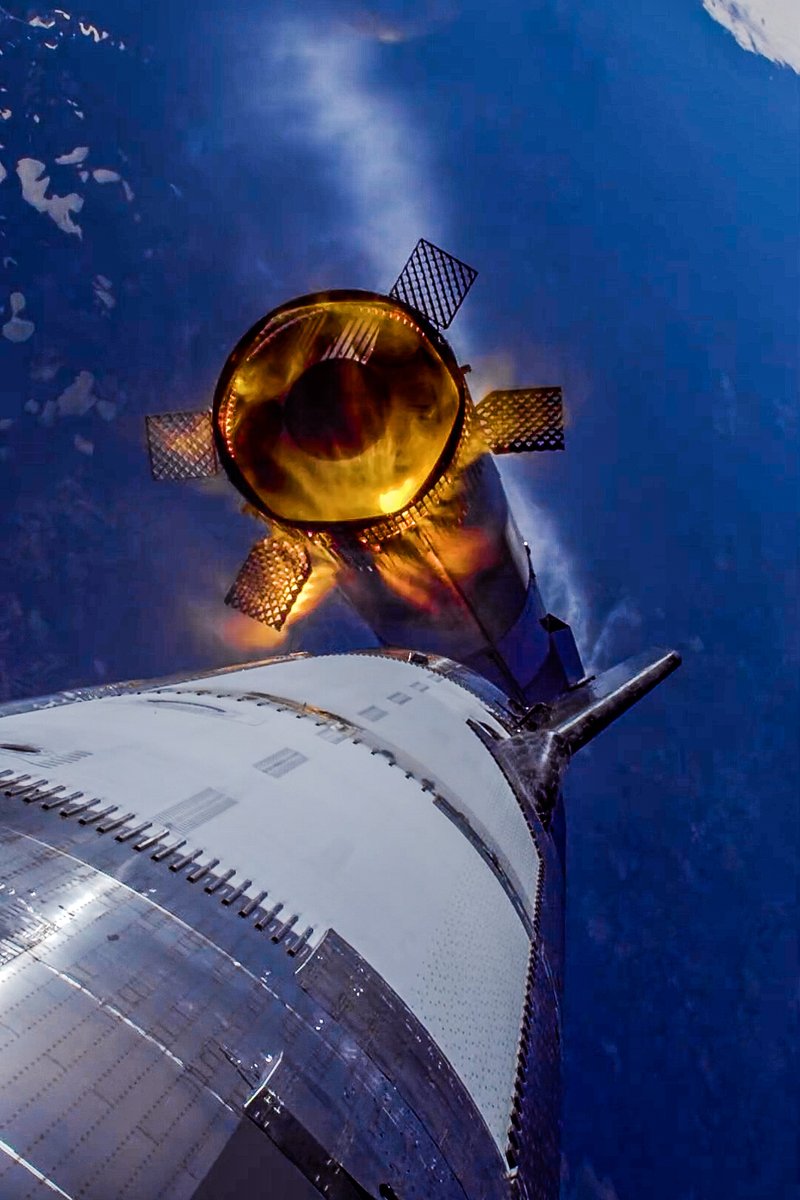
Starship soared on the second flight of the next generation, deploying advanced Starlink satellites for the first time and providing priceless data as it travelled through air, space, and sea → https://t.co/Rp7VwBzpWx
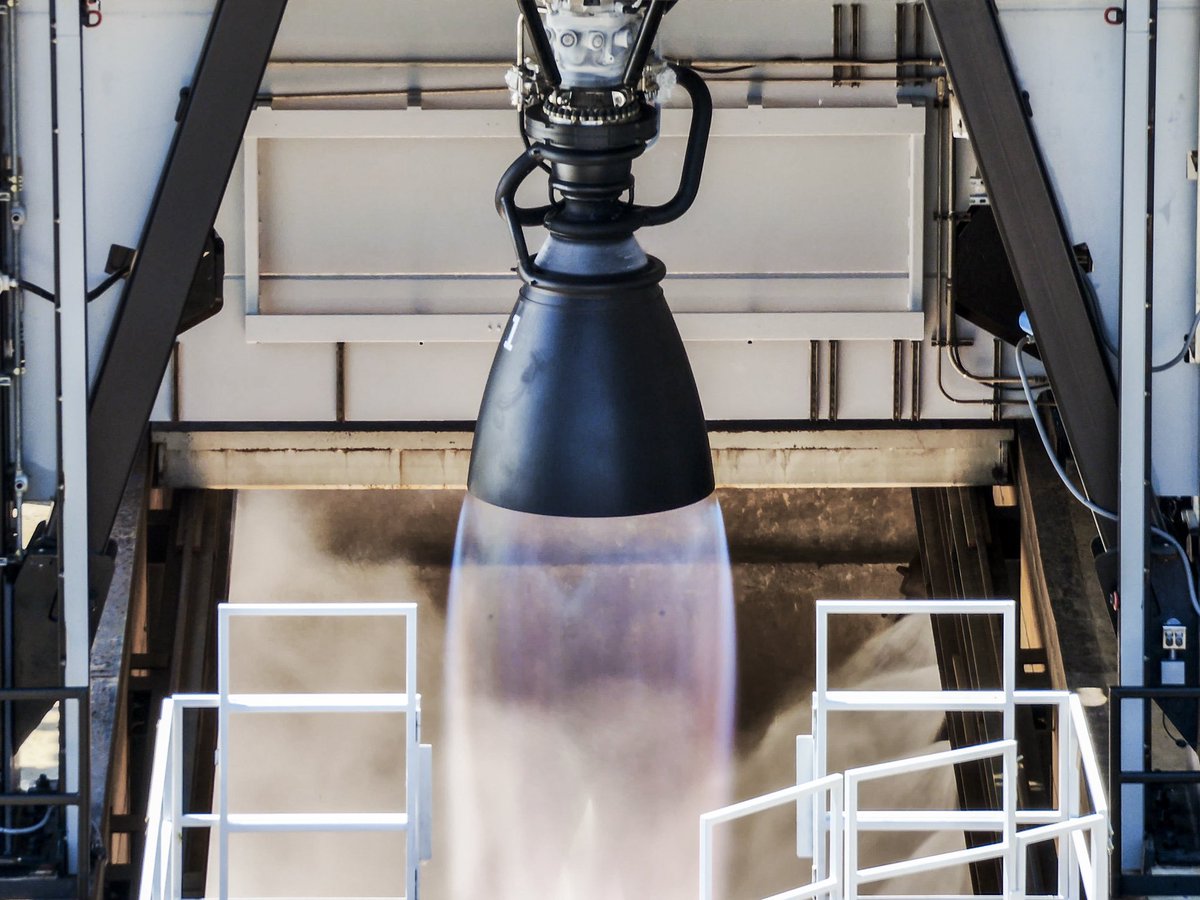
Three years since the first flight of Starship, the next generation is here. New ship. New booster. New engines. New pad and new test site. SpaceX engineers are working to solve one of the most difficult engineering challenges in history: developing a fully, rapidly reusable rocket
Well, happy with the repeat catch, proves it’s more than a trick. Very motivated to hit the ground running tomorrow through this weekend to get to the bottom of exactly what happened on Starship. Tons of data to sift through, definitely sobering to lose another ship on the way up.
For folks who have been posting videos of Starship breakup SpaceX may be reaching out as they are helpful for our investigation. Posting exact coordinates of where they were taken (lat, long) and specific time of recording with the videos is particularly useful.
Starship’s fifth flight test was a seminal moment in iterating towards a fully and rapidly reusable launch system.
Next up: the sixth flight test of Starship is targeted to launch as early as Monday, November 18 → https://t.co/oIFc3u9laE