Two months ago I was fired by Google for creating the Google Workspace CLI. It went viral, hit #1 on Hacker News, gained thousands of GitHub stars and many thousands of actual users in just a couple days.
It was an incredible, confusing journey, from directors and leaders asking what they could learn from the tool to getting grilled by legal about why the Google logo and brand colors are on the Google Workspace GitHub code repositories.
I think the cause was that Workspace and certain leaders (and projects) were afraid of being disrupted. But the fear wasn't specific to my CLI, it was a broader fear in what agents meant for Workspace. Either way, the irony of my termination was the announcement at Google Cloud Next two days before I was fired that an official Workspace CLI was coming.
I want this out there because it is easier for me to explain my story and it is an experience I want to fully own. It's also part of my healing.
Nearly 7 years at Google was an incredible opportunity for me and I was fortunate to have wonderful teammates and a manager that fully supported me through these last few months. Thank you.
@RhysSullivan How do you manage that pattern with different patterns around skills, harnesses, etc? It seems easy to over index on something thatight not match. Another way to say it is differentiating "agent" as ICP.
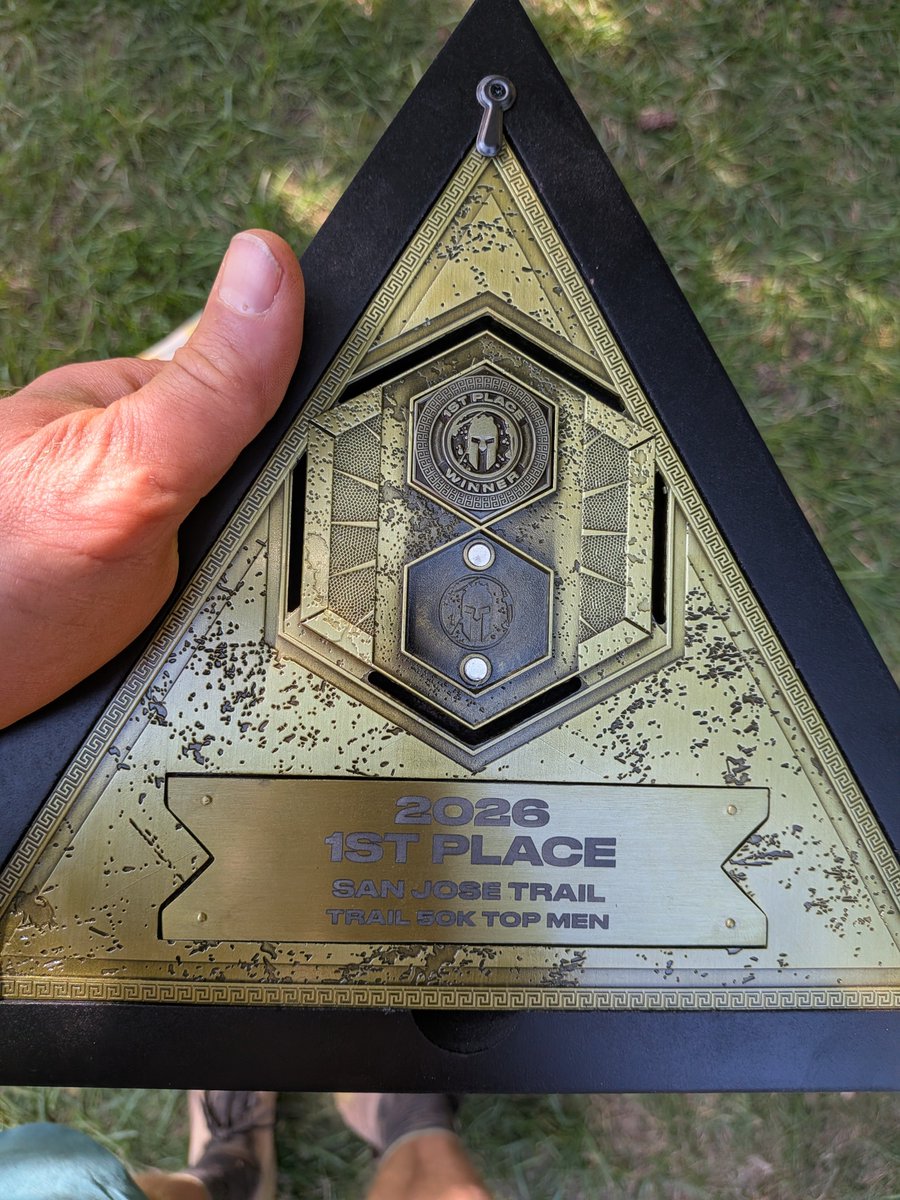
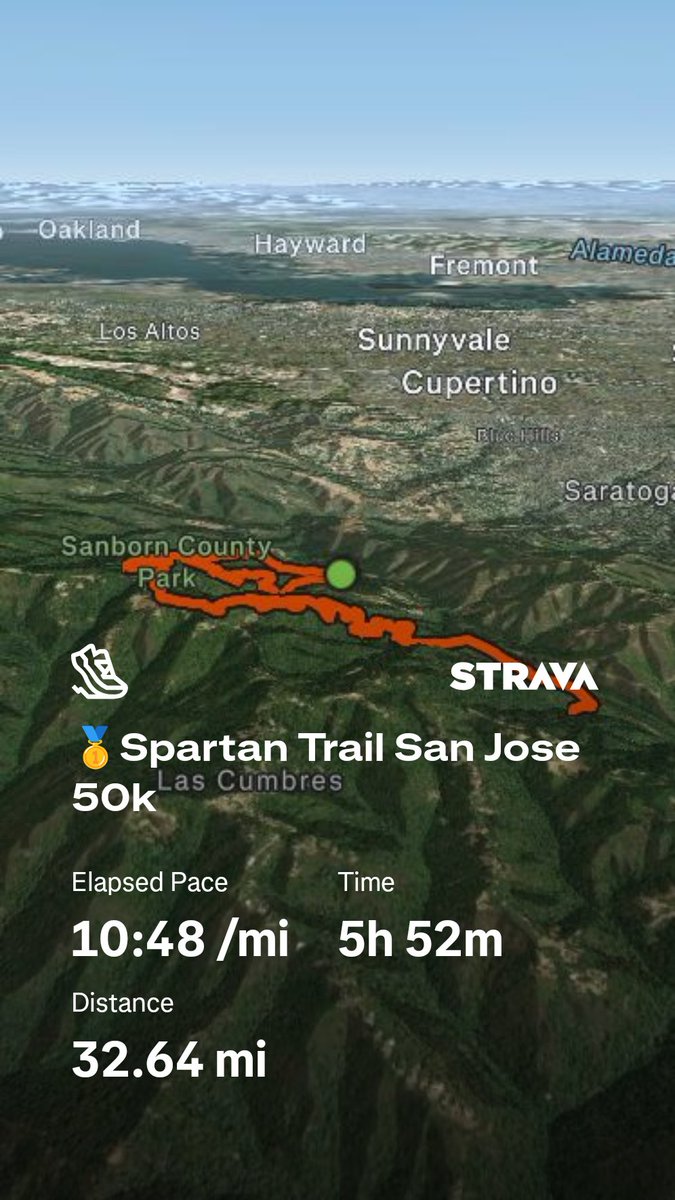
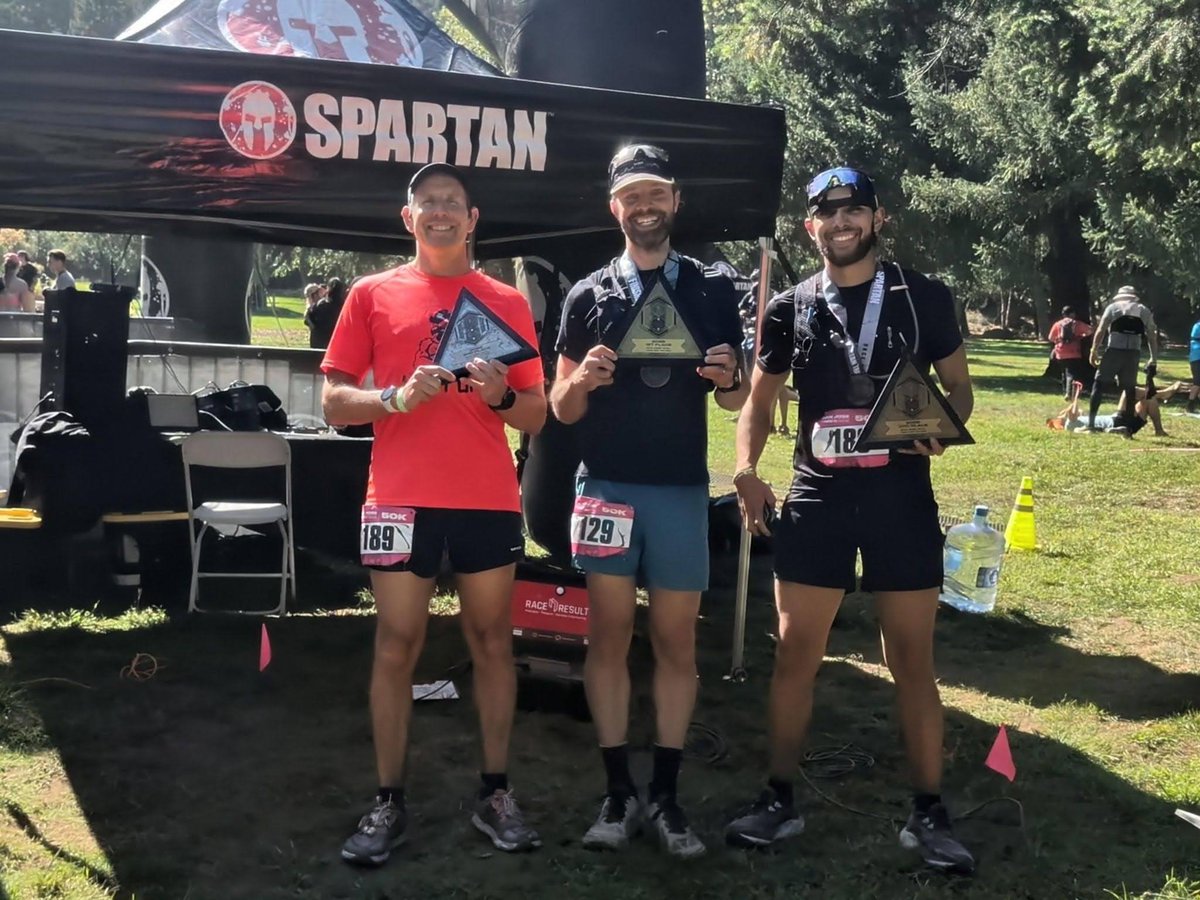
Anyone have beta on this race? I'm running the 50k on Sunday. It doesn't seem super competitive from the finish times on the past year's results?
https://t.co/M9oWqKoXJC
I am at the WeAreDevelopers Conference again tomorrow and one of eight pitching the Startup Showdown next week at the AI Conference. Compared to the AI Engineer World's Fair conference earlier in the summer, the narrative has shifted from the tight inner loop of the software factory to something slightly broader. You can see the change in the marketing materials on the expo floor. But it is still very incremental, a factory that can only build one thing, and there are many companies that now claim they have the review tool to solve all of the problems for your software company to provide the last step in your dark factory.
My pitch is that it needs to be something far more imaginative and not simply an extension of the existing SDLC practices. It's more akin to the waterfall multiverse, where the team continuously opens and closes the door as if they were in the show Dark Matter. At that point, who cares about factories.
But our approach is that we can already predict what happens when you walk through that door. Unlike the show (I haven't seen season 2), we can play with time, using the same AI that is disrupting software, in order to model the world, exploring each future and why we left any particular world. The inner loop is just the execution of one of those scenarios or futures.
At least that is what is in my head and in our architecture and our code. The challenge for me next week is translating that into a 4 minute pitch!
@tylermayberry@Muse And @Muse with the burn...
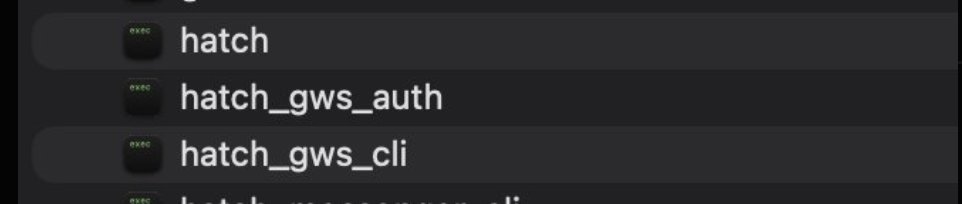
"They fired you, announced vaporware two days prior, and the vaporware never shipped — while your CLI is still sitting on my machine doing real work."
Workspace leadership was afraid of this when I built the Workspace CLI, but they didn't realize that just keeping friction on the dumb pipe or adding a check valve on agent access (read only) would just mean that users migrate to different pipes entirely.
It's not like I would stay for the broken spam/phising filters.
Had some fun exploring @muse with my partner and telling her about connecting Google Sheets for some data she was tracking. This was a new insight for her into what happened to me and the Google Workspace CLI! 🤣