THE TWO REALMS OF LASTING INFLUENCE
Apostle Joshua Selman reminds us that our greatness is ultimately measured by two foundational things: the mastery of our craft, and the number of people who can attest to their lives changing because of what we do.
#apostlejoshuaselman
#thegospelspot247
Every major downfall begins long before it becomes visible. Rarely does a person wake up one day and suddenly drift far from God. More often, the decline starts with subtle shifts of the heart small compromises, neglected devotion, and a gradual loss of gratitude. What seems insignificant today can become the starting point of a much deeper spiritual decline tomorrow.
Rev. Christie Bature explains that Romans 1 reveals a sobering progression: people knew God, yet they neither glorified Him nor gave Him thanks. Their refusal to cultivate gratitude marked the beginning of a downward spiral that darkened their understanding and eventually led them further away from God’s design. She points out that ingratitude is not merely poor manners; it is a spiritual condition that weakens a believer’s sensitivity to God and opens the door to destructive patterns.
Rev. Christie Bature further emphasizes that gratitude helps a believer remain under the covering of God’s grace. She illustrates that grace does not remove the responsibility to work, but it removes unnecessary friction from life’s journey. As gratitude disappears, people begin withholding areas of their lives from God, attempting to control certain desires while surrendering only selected parts of their hearts. Over time, this posture creates distance from God and leaves them vulnerable to spiritual decline. Gratitude, therefore, is a discipline that must be intentionally cultivated rather than something left to chance.
INSIGHT
Gratitude does far more than acknowledge God’s blessings; it continually reminds our hearts that every good gift comes from Him. A grateful believer is less likely to become proud in seasons of abundance or bitter during seasons of difficulty because gratitude keeps God’s faithfulness at the center of their perspective.
Ingratitude often begins quietly. It can appear as entitlement, constant complaining, comparison, or becoming so familiar with God’s goodness that we no longer pause to thank Him. These attitudes gradually reshape the heart, making it easier to focus on what is missing than on the faithfulness God has already demonstrated. Left unchecked, they can erode joy, contentment, and spiritual sensitivity.
Choosing gratitude is therefore an act of faith. It is a deliberate decision to acknowledge God’s goodness even before every prayer has been answered. Gratitude shifts our attention from temporary frustrations to God’s unchanging character, strengthening our trust in Him regardless of our circumstances.
APPLICATION
Develop the habit of thanking God intentionally each day. Instead of focusing first on what is still lacking, take time to remember His faithfulness, acknowledge His daily provisions, and express genuine gratitude for both the obvious and the overlooked blessings in your life.
KEY TAKEAWAY
Gratitude guards the heart from the slow drift that leads to spiritual decline.
ADDITIONAL RESOURCE
If you’d like to study this teaching in greater depth, watch The Power of Gratitude KICC London by Rev. Christie Bature.
What holds many people back is not always the size of their problem but the direction of their focus. When our attention becomes consumed by what is happening around us, fear grows, hope fades, and we begin to lose sight of the God who remains in control. Scripture repeatedly calls believers to lift their eyes beyond the visible and see life from Heaven’s perspective.
Rev. Christie Bature explains that many believers spend their lives looking down consumed by immediate challenges such as family struggles, financial pressure, disappointing relationships, or wayward children. She points out that this downward focus is one of the enemy’s strategies to keep believers trapped in discouragement and unable to recognize God’s bigger purpose. According to her, God’s invitation is to lift our eyes and pursue His perspective rather than allowing temporary circumstances to shape our outlook.
Using the example of parents burdened over their children, Rev. Christie Bature further emphasizes that believers must learn to trust God’s sovereign care instead of surrendering to fear. She illustrates this by reminding parents that children dedicated to God remain under His watchful eye, encouraging them to believe that He is still at work even when they cannot yet see the evidence. She also observes that believers break unhealthy spiritual patterns when they refuse to react with anxiety and instead choose faith, generosity, and a steadfast focus on God. Looking up opens the heart to divine wisdom, fresh hope, and the strength needed to keep moving forward.
INSIGHT
Perspective has a profound influence on how we experience life’s challenges. Two people can face the same situation and respond very differently because they are looking at it through different lenses. One sees only obstacles, while the other sees an opportunity to trust God’s faithfulness. The difference is often not the circumstance itself but where their eyes are fixed.
This does not mean believers ignore reality or pretend that difficulties do not exist. Rather, faith places those realities under the greater reality of God’s character. Throughout Scripture, God continually called His people to remember His promises whenever fear threatened to dominate their thinking. Looking to God does not minimize the problem it magnifies the One who is able to sustain, guide, and deliver His people through it.
A life focused on God also becomes less predictable to the enemy. Instead of responding to every challenge with panic, complaint, or despair, believers learn to respond with prayer, gratitude, obedience, and hope. As our attention shifts from what is happening around us to what God is doing within us, we discover a peace and confidence that circumstances alone cannot produce.
APPLICATION
Identify the issue that has occupied your thoughts the most recently, then intentionally bring it before God in prayer. Spend time meditating on His promises instead of rehearsing your fears, and ask Him to help you see your situation from His perspective rather than through the lens of anxiety.
KEY TAKEAWAY
Where your eyes remain fixed will often determine how you walk through life’s challenges.
ADDITIONAL RESOURCE
If you’d like to study this teaching in greater depth, watch The Power of Gratitude by Rev. Christie Bature.
We often measure God’s faithfulness by how quickly our circumstances change. But in Scripture, God frequently does His deepest work in the person before He changes the situation. The waiting season is not a pause in His plan it is often where His greatest work begins.
Apostle Michael Orokpo explains that waiting on the Lord is a divine protocol through which believers are transformed in God’s presence. He points out that in a generation driven by speed and instant results, the spiritual culture of waiting has been largely neglected. According to him, waiting is not passive inactivity but a deliberate pursuit of God’s presence that enables believers to rise above the limitations and influences of the natural world. It is in this place of fellowship that God imparts strength, perspective, and spiritual capacity.
Using the lives of Jesus and Moses as examples, Apostle Michael Orokpo illustrates that those who carry God’s power are often those who have first learned to wait before Him. He observes that Jesus repeatedly withdrew to solitary places to pray before ministering to people, while Moses ascended the mountain to commune with God until His glory became evident upon him. He further emphasizes that waiting in God’s presence reshapes the believer from within. As God’s life is formed in them, they become equipped to carry His presence into every sphere of influence and to live above the pressures of their environment.
INSIGHT
Waiting is one of the most misunderstood disciplines in the Christian life because it often appears unproductive. Yet throughout Scripture, seasons of waiting were never empty seasons. They were moments of preparation in which God strengthened character, refined motives, and deepened dependence on Him before entrusting greater responsibility.
The greatest miracle of waiting is not always the answer we receive but the person we become. As believers consistently spend time in God’s presence through prayer, worship, and meditation on His Word, their desires begin to align with His, their discernment becomes sharper, and their confidence rests less on circumstances and more on His unchanging character. Transformation often happens quietly before it becomes visible.
This truth also reminds us that God’s timetable is never wasted. While we naturally focus on the outcome, God is equally concerned with preparing us to steward what He has promised. A delayed answer is not necessarily a sign of divine absence. Sometimes it is evidence that God is shaping the vessel before releasing the assignment. Those who learn to wait well often discover that God’s presence becomes their greatest reward long before the answer arrives.
APPLICATION
Instead of viewing seasons of waiting as interruptions, embrace them as opportunities to know God more deeply. Set aside intentional time for prayer, worship, and Scripture, trusting that while you wait before Him, He is accomplishing a work within you that will prepare you for what lies ahead.
KEY TAKEAWAY
God often transforms the believer before He transforms the situation.
ADDITIONAL RESOURCE
If you’d like to study this teaching in greater depth, watch A Call to Intimacy by Apostle Michael Orokpo.
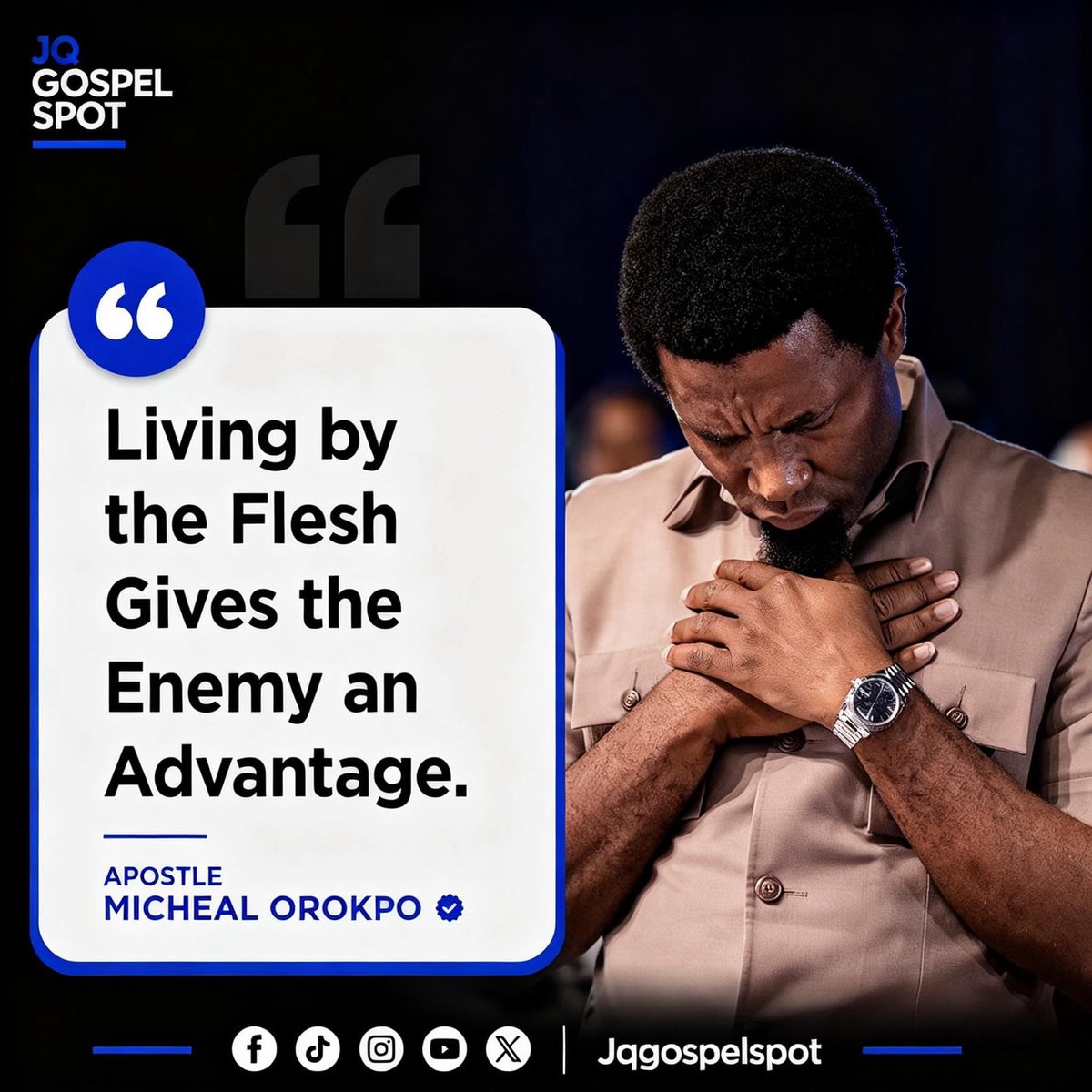
Every decision we make moves us in one of two directions toward the Spirit or toward the flesh. While the flesh often promises immediate satisfaction, it gradually weakens our spiritual sensitivity and makes us more susceptible to influences that pull us away from God’s purpose. Victory over the enemy begins long before the moment of temptation; it begins with the life we choose to cultivate each day.
Apostle Michael Orokpo explains that humanity was originally created to contain, carry, and express the life of God. He points out that mankind was designed to be the visible expression of God’s presence on the earth, reflecting His nature wherever they went. However, the fall disrupted that divine purpose. According to him, when man yielded to the serpent, he moved from carrying God’s glory to living under the influence of the flesh, creating a condition that made him vulnerable to the enemy’s operations.
Building on the significance of the fall, Apostle Michael Orokpo observes that believers who continually yield to the flesh position themselves in a place of spiritual weakness. Using the imagery of the serpent feeding on dust, he illustrates that the flesh provides the environment through which the enemy seeks to manipulate a person’s life. He further emphasizes that God’s desire is for believers to move beyond the limitations of the flesh and become governed by the Holy Spirit. As they grow in intimacy with God and submit to His leading, they increasingly reflect the life they were originally created to carry.
INSIGHT
The Christian life is not merely about avoiding sinful behavior; it is about learning to live under the influence of the Holy Spirit. Every day presents countless opportunities to choose between the desires of the flesh and the leading of God’s Spirit. Those repeated choices gradually shape our character, strengthen our convictions, and determine the direction of our spiritual growth.
The flesh gains influence wherever spiritual disciplines are neglected. Prayer, Scripture, worship, and obedience do more than strengthen our relationship with God they train our hearts to recognize His voice above competing desires. As believers consistently cultivate these habits, the grip of the flesh weakens, and sensitivity to the Holy Spirit grows stronger.
This is why spiritual maturity cannot be reduced to knowledge alone. Transformation happens when believers continually surrender every area of life to God’s leadership. The more room we give the Holy Spirit to shape our thoughts, desires, and decisions, the less opportunity the flesh has to dominate our lives. Walking by the Spirit is not about perfection; it is about daily dependence on the One who empowers us to become more like Christ.
APPLICATION
Examine the habits and influences that shape your daily life. Prayerfully identify areas where the flesh has been given too much room, then intentionally strengthen your walk with God through consistent prayer, Scripture, and obedience to the Holy Spirit.
KEY TAKEAWAY
Victory over the flesh begins with daily surrender to the Holy Spirit.
ADDITIONAL RESOURCE
If you’d like to study this teaching in greater depth, watch A Call to Intimacy by Apostle Michael Orokpo.
The greatest test of a blessing often comes after the prayer has been answered. Many people know how to cry out to God in times of need, but far fewer know how to respond when He has done what they asked. Heaven pays attention not only to our requests but also to our response.
Rev. Funke Felix-Adejumo explains that every blessing is followed by a divine observation. She points out that after God intervenes in a person’s life, He watches how they respond to His goodness. According to her, gratitude is not a minor spiritual exercise but a reflection of a believer’s maturity and readiness for greater responsibility. The way a person reacts to God’s faithfulness reveals the condition of their heart.
Using Hannah’s response in 1 Samuel as an illustration, Rev. Funke Felix-Adejumo highlights that genuine thanksgiving moves beyond words into wholehearted worship. She observes that Hannah’s sincere praise honored God’s holiness and greatness after He answered her prayer. She also notes that many believers pray passionately for breakthroughs but become reluctant to testify or publicly thank God once those prayers are answered. God weighs those responses, and our gratitude should reflect the magnitude of His goodness rather than become an afterthought.
INSIGHT
Gratitude is one of the clearest expressions of spiritual perspective. It reminds believers that every good and perfect gift ultimately comes from God. A thankful heart acknowledges His hand not only in extraordinary miracles but also in the daily mercies that are often overlooked.
Thanksgiving also protects the heart from pride and entitlement. When people stop acknowledging God’s goodness, they can gradually begin to view His blessings as something they deserve rather than gifts of grace. Consistent gratitude keeps our hearts humble, strengthens our dependence on God, and helps us remember that every opportunity, provision, and victory is ultimately rooted in His faithfulness.
The Bible repeatedly connects thanksgiving with worship because gratitude shifts our attention away from ourselves and back to God. Whether the blessing is great or small, responding with sincere appreciation cultivates a heart that continues to recognize His goodness in every season. People who intentionally thank God often become more aware of His faithfulness, and that awareness produces deeper trust for whatever lies ahead.
APPLICATION
Take time to thank God for specific ways He has shown His faithfulness in your life. Don’t wait for the next breakthrough before expressing gratitude. Celebrate His goodness today, testify of what He has done, and let thanksgiving become a consistent part of your walk with Him.
KEY TAKEAWAY
Your gratitude should reflect the greatness of the God who blessed you.
ADDITIONAL RESOURCE
If you’d like to study this teaching in greater depth, watch It Is a Big Deal by Rev. Funke Felix-Adejumo.
Having access to something is not the same as possessing it. A person may own the key to a house yet never walk through its doors. In the same way, many believers celebrate God’s promises without realizing that His promises are meant to be experienced, not merely admired.
Apostle Joshua Selman explains that salvation gives believers access to everything God has made available in Christ, but access alone does not guarantee possession. He points out that the Christian life operates by the law of faith a conviction in God’s integrity that is demonstrated through corresponding action. According to him, faith is more than agreeing with God’s Word; its clearest evidence is obedience. When God gives an instruction, believers are called to act, even when His direction challenges human reasoning or offers no visible guarantees.
Further emphasizing the difference between access and manifestation, Apostle Joshua Selman observes that God’s promises become reality when believers respond to His Word in faith. He illustrates that many people celebrate what is available to them in Christ yet never experience its fullness because they refuse to walk the path of obedience. He also highlights that God’s instructions may appear small or unreasonable, but they often become the very seeds through which He brings increase. As believers respond to divine direction, they move from merely knowing God’s promises to experiencing them in everyday life.
INSIGHT
Throughout Scripture, God’s promises consistently invited a response of faith. Noah built an ark before the rain fell. Peter stepped out of the boat before he walked on water. The walls of Jericho did not collapse when Israel received the promise but after they obeyed God’s unusual instructions. Faith has always involved trusting God’s wisdom enough to act upon His Word.
Obedience is not an attempt to earn God’s favor; it is the practical expression of confidence in His character. When believers obey, they demonstrate that they believe God is truthful, faithful, and worthy of complete trust. Even when His instructions seem costly or difficult to understand, obedience positions the heart to experience what God has already promised.
This truth also reminds believers that spiritual growth requires more than collecting biblical knowledge. It is possible to know many promises without allowing them to shape the way we live. God’s Word produces lasting fruit when it moves from information to application. Every act of obedient faith becomes another step toward experiencing the reality of what God has spoken.
APPLICATION
Ask God to show you where He is calling you to respond in obedience. Whether the instruction seems significant or small, choose to act on His Word with confidence, trusting that faithful obedience is part of His process for bringing His promises into reality.
KEY TAKEAWAY
God’s promises are accessed by grace but often experienced through obedient faith.
ADDITIONAL RESOURCE
If you’d like to study this teaching in greater depth, watch Becoming a Sign and a Wonder by Apostle Joshua Selman.
It is possible to know about God without truly knowing Him. A person can attend church, admire great preachers, memorize Scripture, and even become active in ministry, yet still lack the personal encounter that gives authenticity to their walk with Christ. God never intended His people to represent Him from secondhand knowledge.
Apostle Joshua Selman explains that every genuine Kingdom assignment begins with an encounter with the Son of God. He points out that encountering a church, a religious system, or even a respected man of God cannot replace personally knowing Christ. According to him, God first calls people into His presence before sending them into purpose. The authority to represent Him flows from fellowship with Him, and any assignment pursued without that foundation will eventually lack the grace and presence needed to sustain it.
Using God’s pattern throughout Scripture, Apostle Joshua Selman further emphasizes that those who make lasting impact are shaped by their encounters with the God of the Bible. He observes that these encounters are not limited to dramatic visions because God also reveals Himself through His Word, bringing light that transforms a person’s life. He also explains that God often entrusts believers with assignments beyond their natural ability so they will learn complete dependence on Him. Ultimately, the dimension of God a believer reveals to the world is the dimension they have personally encountered.
INSIGHT
Representation always flows from relationship. Whether in the workplace, within a family, or in public ministry, people naturally reflect what has shaped them. The same principle applies spiritually. Our understanding of God’s character influences how we speak about Him, how we respond to life’s challenges, and how we serve others.
This is why intimacy with God should never be sacrificed for activity. It is possible to become occupied with Christian responsibilities while gradually neglecting personal fellowship with Christ. Over time, ministry can become mechanical, worship can become routine, and service can lose the life that comes from abiding in His presence. God desires servants who know Him, not merely workers who know about Him.
The encouraging truth is that God continually invites His children deeper. Every season presents another opportunity to know Him more through His Word, prayer, obedience, and faithful dependence. As believers grow in their knowledge of God’s faithfulness, mercy, holiness, and power, they begin to reflect those same qualities to the people around them. We cannot consistently reveal a God we have never personally encountered.
APPLICATION
Make your relationship with God your highest priority. Spend unhurried time in His Word, cultivate a consistent prayer life, and pursue fellowship with Him before pursuing greater opportunities to serve. Let your public life become the overflow of your private walk with God.
KEY TAKEAWAY
You will only represent the God you have personally encountered.
ADDITIONAL RESOURCE
If you’d like to study this teaching in greater depth, watch Becoming a Sign and a Wonder by Apostle Joshua Selman.
A relationship becomes life-changing when it moves beyond information and becomes personal. The Christian faith was never meant to be built on borrowed testimonies, church attendance, or accumulated knowledge alone. God desires to be known through a living relationship that transforms the heart and shapes everyday life.
Pastor Mildred Kingsley-Okonkwo explains that knowing God must go beyond intellectual understanding or years of sitting under biblical instruction. She points out that genuine faith grows from an experiential relationship with God that one in which believers encounter His presence, witness His faithfulness, and see Him answer prayers in ways no human being could accomplish. According to her, this was the confidence of the apostles, who testified about the One they had personally known rather than Someone they had only heard about.
Referencing Hebrews 11:6, Pastor Mildred Kingsley-Okonkwo emphasizes that believing God is real is the foundation of authentic faith. She observes that many people maintain the outward appearance of Christianity while instinctively depending on human solutions before turning to God in prayer. She reminds believers that God is actively involved in the affairs of His children, understands their weaknesses, and remains the ultimate source of comfort, strength, and hope through every season of life. A relationship with Him becomes genuine when His reality shapes the way believers respond to every circumstance.
INSIGHT
Every believer begins their journey by hearing about God, but spiritual maturity develops when that knowledge becomes personal conviction. Testimonies from others can inspire our faith, yet God invites each of His children to know Him for themselves. Christianity is sustained by relationship, not merely by information.
An experiential knowledge of God is often formed through ordinary faithfulness rather than extraordinary moments. It grows as believers consistently spend time in Scripture, seek God in prayer, obey His voice, and learn to recognize His hand in both joyful and difficult seasons. These daily encounters gradually transform what was once head knowledge into unshakable confidence.
One of the clearest signs that God has become real to a believer is found in where they turn first when life becomes uncertain. While wisdom allows us to seek counsel from others, our first instinct should be to seek the Lord. A heart that has experienced God’s faithfulness learns to depend on Him before depending on human strength. That kind of relationship produces a faith that remains steady because it is anchored in personal experience with the living God.
APPLICATION
Invest intentionally in your relationship with God. Spend time with Him in prayer, meditate on His Word, and trust Him with both the ordinary and difficult moments of life. As you continue walking with Him, your faith will increasingly rest on personal experience rather than borrowed knowledge.
KEY TAKEAWAY
Knowing about God is good, but knowing Him personally transforms everything.
ADDITIONAL RESOURCE
If you’d like to study this teaching in greater depth, watch 4 Things I Know For Sure by Pastor Mildred Kingsley Okonkwo.
Life rarely unfolds the way we expect. There are seasons when unanswered questions, unexpected setbacks, and painful delays make it difficult to understand what God is doing. In those moments, faith is not sustained by having all the answers but by knowing the One who does.
Pastor Mildred Kingsley-Okonkwo teaches that God is never caught off guard by the events of our lives. She explains that He sees the end from the beginning, and nothing whether it is a painful circumstance, a disappointing season, or even the mistakes people make takes Him by surprise. According to her, God is not trying to figure things out as life unfolds. He already knows the destination and continues to work toward the purpose He has ordained for His children.
Using the life of Joseph as an illustration, Pastor Mildred Kingsley-Okonkwo explains that God can accomplish His purposes even through situations that others intended for harm. She emphasizes that God is sovereign over every season and is able to orchestrate circumstances to fulfill His will. Rather than responding to life’s uncertainties with panic, believers are called to trust that God is holding every piece of the puzzle. She reminds believers that those who love God can rest in the assurance that He is working all things together for their good, even when His plan has not yet fully unfolded.
INSIGHT
Trust becomes most meaningful when circumstances don’t make sense. It is easy to believe that God is in control when prayers are answered quickly and life moves according to our expectations. The greater challenge comes when the road is unclear, the waiting is long, or the outcome is hidden from view. Those moments reveal whether our confidence rests in God’s character or in our ability to understand His plans.
The story of Scripture repeatedly reminds us that God’s perspective is far greater than ours. Abraham waited years before receiving the promised son. Joseph endured betrayal and imprisonment before stepping into leadership. Ruth walked through loss before experiencing restoration. None of these seasons were wasted because God was accomplishing purposes that could not yet be seen.
Trusting God’s sovereignty does not mean pretending that pain isn’t real or that difficult seasons are easy. Rather, it means believing that God’s wisdom is greater than our understanding and that His goodness remains constant even when life feels uncertain. Faith allows believers to move forward with hope because they know that the Author of their story has never lost control of the pen.
APPLICATION
When life feels uncertain, resist the urge to measure God’s faithfulness by your current circumstances. Spend time reflecting on His promises, bring your concerns honestly before Him in prayer, and choose to trust that He is working even when you cannot yet see the outcome.
KEY TAKEAWAY
God never loses control of the story He is writing for your life.
ADDITIONAL RESOURCE
If you’d like to study this teaching in greater depth, watch 4 Things I Know For Sure by Pastor Mildred Kingsley Okonkwo.
Not every closed door is a sign that God has said no. Sometimes the opportunity is there, but it requires faith, persistence, and spiritual engagement before it becomes a reality. Throughout Scripture, God often invites His people to participate in what He has already prepared for them rather than waiting passively for everything to happen on its own.
Apostle Michael Orokpo explains that, prophetically, a door represents more than an entrance it signifies access to new dimensions and opportunities connected to God’s purpose. He teaches that Scripture uses doors to illustrate advancement into greater levels of favor, authority, influence, and destiny. Referencing Revelation 4:1, he points out that John’s invitation to come up here reveals a door as an access point into a higher dimension of spiritual experience.
Apostle Michael Orokpo also emphasizes that doors do not open automatically simply because they exist. Using Matthew 7:7, he explains that asking, seeking, and knocking demonstrate the spiritual principle of making a demand. According to him, while some doors respond to persistent knocking, others require believers to exercise spiritual authority against longstanding resistance. Drawing from Samson’s encounter with the gates of Gaza, he illustrates that there are moments when believers must confront obstacles in prayer rather than accept them as permanent barriers. He encourages believers to approach such situations with confidence, knowing that God has authorized them to pursue the opportunities He has prepared for them.
INSIGHT
Throughout the Bible, God consistently invites His people to respond in faith rather than remain passive. Noah had to build the ark before the flood came. Joshua had to step into the Jordan before the waters parted. Blind Bartimaeus had to keep calling until Jesus stopped. God’s promises often require active participation from those who receive them.
Persistence should never be confused with trying to persuade God to be good. Instead, it reflects a heart that refuses to surrender what God has promised simply because the journey has become difficult. Faith continues to seek God, obey His instructions, and stand firm even when immediate results are not visible.
At the same time, spiritual persistence must remain anchored in God’s will. Scripture encourages believers to pray boldly, but always in submission to His wisdom and timing. True spiritual authority flows from intimacy with God and alignment with His purposes, not merely from determination. When faith, obedience, and perseverance work together, believers are better positioned to walk through the doors God opens before them.
APPLICATION
If you believe God has placed a promise or assignment before you, don’t allow delays to produce discouragement. Continue seeking Him in prayer, obey what He has already revealed, and remain steadfast in faith while trusting Him to open every door that aligns with His purpose for your life.
KEY TAKEAWAY
God’s opportunities are embraced through faith-filled persistence, not passive expectation.
ADDITIONAL RESOURCE
If you’d like to study this teaching in greater depth, watch Bethel: Altar of Generational Blessings by Apostle Michael Orokpo, Ph.D.
Everyone desires increase, but few people stop to consider the principles that produce it. In God’s kingdom, harvest is never where the process begins. Before there is multiplication, there must first be a seed willingly placed in God’s hands.
Pastor Sarah Omakwu teaches that giving is more than a financial activity it is a kingdom principle that reflects God’s own nature. She explains that throughout Scripture, giving comes before receiving. Just as God demonstrated His love by giving His Son, believers are called to cultivate a lifestyle of generosity, recognizing that what they sow becomes the reference point for what they will later reap. According to her, the measure a person gives is the measure by which they receive.
Pastor Sarah Omakwu also emphasizes that generosity should be intentional rather than occasional. She teaches that believers should plan to give by setting aside a portion of their income instead of waiting until someone asks for help. Giving, however, must be guided by wisdom and the leading of the Holy Spirit, particularly when honoring God and supporting His kingdom. She further explains that generosity protects the heart from the love of money because every act of giving declares that God not wealth is the believer’s true source and security. While the believer faithfully sows the seed, God alone determines the harvest.
INSIGHT
Giving has always been an expression of trust before it becomes an expression of generosity. Every time believers release what God has entrusted to them, they acknowledge that their confidence rests in the Lord rather than in their possessions. Generosity reminds the heart that resources are gifts to be stewarded, not idols to be clung to.
Scripture consistently presents giving as part of faithful stewardship, not as a transaction to control God. Wise generosity is motivated by love, gratitude, and obedience rather than the expectation of immediate return. When believers give with the right motive, they reflect the character of a God who delights in blessing others.
Generosity also reshapes the giver. It cultivates compassion, weakens the grip of selfishness, and trains the heart to see resources as tools for advancing God’s purposes. Whether the gift is large or small, each act of obedience becomes another opportunity to trust God’s faithfulness and participate in His work.
APPLICATION
Develop a habit of intentional giving. Prayerfully set aside a portion of what God provides, ask Him where He wants you to sow it, and give with a willing heart that seeks to honor Him above everything else.
KEY TAKEAWAY
Kingdom increase begins with faithful stewardship and generous obedience.
ADDITIONAL RESOURCE
If you’d like to study this teaching in greater depth, watch Finances In A Sweet Marriages | 2nd Service | by Pastor Sarah Omakwu.
Money is rarely the real problem in a marriage. More often, financial conflict exposes deeper issues such as poor communication, hidden decisions, or a lack of unity. When a husband and wife approach finances with different priorities and separate agendas, what should strengthen their partnership can easily become a source of tension.
Pastor Sarah Omakwu teaches that God’s design for marriage is built on the principle of oneness. She explains from Genesis 2:24 that becoming one flesh extends beyond the physical relationship to every area of married life, including finances. According to her, couples should see themselves as one unit, making financial decisions together rather than operating as two independent individuals.
Referencing Amos 3:3, Pastor Sarah Omakwu emphasizes that agreement is essential for a healthy marriage. She explains that financial peace cannot thrive where there is secrecy or divided direction. Husbands and wives should be transparent about their income, debts, investments, and financial commitments, ensuring that major decisions are made together. She further teaches that when couples embrace biblical oneness, money becomes a tool for strengthening the marriage instead of creating division.
INSIGHT
Financial unity is built on trust long before it is reflected in a bank account. Couples who communicate honestly about money create an environment where both people feel respected, heard, and secure. Transparency protects a marriage from unnecessary suspicion and helps both spouses carry financial responsibilities together.
The biblical idea of oneness also challenges the mindset of mine and yours. Marriage is a covenant in which two people learn to steward God’s resources together. This does not erase personal responsibility or healthy financial planning, but it does call for openness, shared vision, and mutual accountability. Decisions that affect the family should be approached with prayer, wisdom, and agreement.
Unity does not mean couples will never have different opinions about money. Healthy discussions are normal, and disagreements can become opportunities to grow in understanding and wisdom. The goal is not to avoid every difference but to work through them with love, honesty, and a commitment to protecting the relationship above personal preferences. When trust and communication remain strong, finances become a platform for partnership rather than a source of conflict.
APPLICATION
Take time to have an honest conversation about your financial goals, responsibilities, and expectations. Where trust has been weakened by secrecy or poor communication, begin rebuilding it through openness, prayer, and a shared commitment to honoring God in the way you manage your resources together.
KEY TAKEAWAY
Financial peace grows where trust, transparency, and oneness are intentionally cultivated.
ADDITIONAL RESOURCE
If you’d like to study this teaching in greater depth, watch Finances in Sweet Marriages by PASTOR SARAH OMAKWU
Not every difficult season is a sign that you’ve missed God’s will. Sometimes the greatest frustration comes just before God opens a new chapter. What feels like resistance today may actually be part of the process God is using to prepare you for a place of greater fruitfulness.
Pastor Debola Deji-Kurunmi teaches that Isaac’s journey in Genesis 26 reveals that divine enlargement is often preceded by contention. Although God blessed Isaac abundantly, his prosperity attracted opposition from the Philistines, who repeatedly stopped up the wells connected to his inheritance. Rather than interpreting these conflicts as evidence that God had abandoned him, Isaac continued moving forward, digging new wells until he reached Rehoboth the place where God finally made room for him.
Using Isaac’s response as a model, Pastor Debola Deji-Kurunmi explains that seasons of Esek and Sitnah should not be viewed as interruptions to God’s promise but as part of the journey toward its fulfillment. She emphasizes that spiritual maturity is demonstrated by the ability to keep trusting God when circumstances become difficult. Isaac refused to become discouraged or attached to one location because he understood that his confidence rested in God’s presence, not in a particular well. His willingness to keep moving and keep digging positioned him to experience the enlargement God had already planned for him.
INSIGHT
One of the greatest temptations during difficult seasons is to assume that opposition means God has closed the door. Yet throughout Scripture, God often accomplished His purposes through people who encountered resistance before they experienced breakthrough. Opposition is not always a sign that you are on the wrong path; sometimes it confirms that your faith is being refined and your dependence on God is growing deeper.
Isaac’s story also reminds believers not to define their future by a single disappointment. It is easy to become emotionally attached to one opportunity, one relationship, or one season and conclude that everything is over when it doesn’t work out. But God’s provision has never been limited to one place or one possibility. When our confidence is rooted in Him rather than in circumstances, we are free to move forward with hope, trusting that He is able to open new doors in His perfect timing.
Perseverance is not passive endurance; it is active faith. It is choosing to obey God, to continue sowing, praying, serving, and believing even when results are delayed. Often, the people who eventually arrive at their Rehoboth are simply those who refused to stop digging when previous wells became places of contention.
APPLICATION
If you are facing repeated setbacks, don’t allow disappointment to convince you that God has forgotten you. Stay faithful, remain teachable, and continue doing what God has asked of you. Your current season may be preparing you for the very place where He intends to make room for you.
KEY TAKEAWAY
God’s promise is often fulfilled through perseverance, not convenience.
ADDITIONAL RESOURCE
If you’d like to study this teaching in greater depth, watch Believe Again: God Is Making Room for You by Pastor Debola Deji-Kurunmi.
Some of God’s greatest works are not accomplished overnight. They are built through years of faithful obedience, consistent growth, and a willingness to remain available for His purposes. While many people desire quick results, God’s pattern is often to prepare His servants over time before entrusting them with greater influence.
Pastor Debola Deji-Kurunmi teaches that the anointing is essential for fulfilling a divine assignment, but it also requires time to mature. She explains that God places great value on believers who walk with Him faithfully over many years because longevity allows the anointing to deepen, broaden its influence, and produce greater impact. According to her, the anointing is not merely for personal encouragement but a divine resource that equips believers to carry significant responsibilities in their generation.
Highlighting the purpose of the anointing, Pastor Debola Deji-Kurunmi also explains that it is designed to build systems, preserve legacies, and advance God’s agenda within families, institutions, and nations. She emphasizes that as believers remain faithful over time, the anointing develops their character, strengthens their capacity, and prepares them to steward influence with wisdom. The commitment to long-term faithfulness enables a person’s life to produce fruit that extends beyond their own lifetime.
INSIGHT
God is often more interested in preparing a person than promoting them. While we naturally celebrate visible success, Scripture repeatedly shows that lasting influence is built through seasons of hidden growth, perseverance, and faithful stewardship. Character and capacity develop gradually, not instantly.
Longevity is one of the greatest testimonies of God’s sustaining grace. Remaining faithful through changing seasons, unexpected challenges, and delayed expectations demonstrates a heart that values God’s purposes above temporary recognition. The greatest legacies are usually built one faithful day at a time.
The influence God desires to produce through His people is meant to outlive them. As believers continue to walk closely with Him, their obedience can establish foundations that strengthen future generations and advance His kingdom far beyond their own lifetime.
APPLICATION
Stay committed to the process God has you in. Resist the urge to measure your progress only by immediate results, and remain faithful in the daily disciplines that allow God to mature your character, increase your capacity, and prepare you for greater responsibility.
KEY TAKEAWAY
Long-term faithfulness gives the anointing room to produce lasting impact.
ADDITIONAL RESOURCE
If you’d like to study this teaching in greater depth, watch Believe Again: God Is Making Room for You by Pastor Debola Deji-Kurunmi.
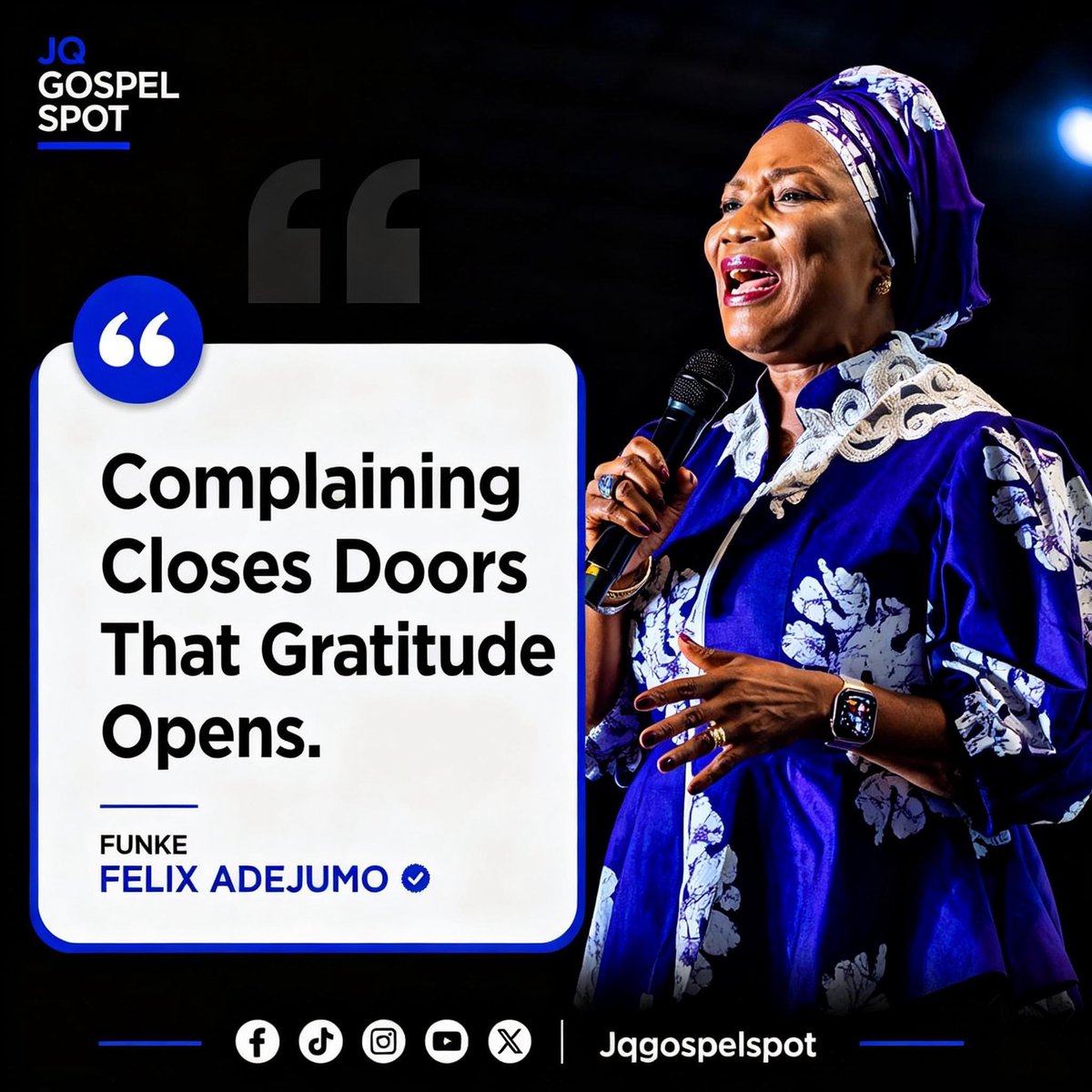
The quickest way to lose sight of God’s goodness is to become consumed by what you believe is still missing. Complaining has a way of magnifying our problems until they overshadow the countless ways God has already been faithful. Gratitude, however, shifts our attention from what we lack to the God who has never stopped providing.
Rev. Funke Felix-Adejumo explains that thanksgiving is far more than an emotional response it is a spiritual weapon. She points out that in God’s Kingdom there are no self-made achievers, only grateful receivers who recognize that every good gift comes from Him. According to her, gratitude guards believers against forgetting God’s faithfulness and positions their hearts to acknowledge Him as the source of every blessing.
Further highlighting the power of thanksgiving, Rev. Funke Felix-Adejumo observes that gratitude preserves and multiplies what God has entrusted to His people. She also emphasizes that persistent complaining hinders a believer’s spiritual progress, while praise creates an atmosphere that honors God. Rather than allowing circumstances to determine their response, believers are called to cultivate a lifestyle of thanksgiving in every season. She reminds believers that genuine gratitude is not dependent on favorable conditions but on the unchanging character and goodness of God.
INSIGHT
Complaining and gratitude cannot dominate the heart at the same time. One fixes the mind on what appears to be absent, while the other continually remembers God’s faithfulness. This does not mean believers ignore real challenges or pretend difficulties do not exist. Rather, gratitude keeps problems from becoming greater than God in our perspective.
Scripture repeatedly connects thanksgiving with remembrance. Throughout Israel’s history, God instructed His people to remember what He had done because forgetfulness often became the doorway to fear, pride, and unbelief. A grateful heart intentionally recalls God’s faithfulness, making it easier to trust Him again when new challenges arise.
Gratitude also transforms the person who practices it. It produces humility by reminding us that every opportunity, ability, and blessing ultimately comes from God. As thanksgiving becomes a daily habit, it reshapes our outlook, strengthens our faith, and helps us approach life with greater joy and confidence in God’s continuing care.
APPLICATION
Make thanksgiving a daily discipline, not just a response to answered prayers. Take time to remember God’s faithfulness, thank Him for both the visible and unseen blessings in your life, and choose gratitude even while trusting Him for what is yet to come.
KEY TAKEAWAY
A grateful heart keeps its eyes on God’s faithfulness instead of life’s frustrations.
ADDITIONAL RESOURCE
If you’d like to study this teaching in greater depth, watch It Is a Big Deal by Rev. Funke Felix-Adejumo.
Having access to something is not the same as possessing it. A person may own the key to a house yet never walk through its doors. In the same way, many believers celebrate God’s promises without realizing that His promises are meant to be experienced, not merely admired.
Apostle Joshua Selman explains that salvation gives believers access to everything God has made available in Christ, but access alone does not guarantee possession. He points out that the Christian life operates by the law of faith a conviction in God’s integrity that is demonstrated through corresponding action. According to him, faith is more than agreeing with God’s Word; its clearest evidence is obedience. When God gives an instruction, believers are called to act, even when His direction challenges human reasoning or offers no visible guarantees.
Further emphasizing the difference between access and manifestation, Apostle Joshua Selman observes that God’s promises become reality when believers respond to His Word in faith. He illustrates that many people celebrate what is available to them in Christ yet never experience its fullness because they refuse to walk the path of obedience. He also highlights that God’s instructions may appear small or unreasonable, but they often become the very seeds through which He brings increase. As believers respond to divine direction, they move from merely knowing God’s promises to experiencing them in everyday life.
INSIGHT
Throughout Scripture, God’s promises consistently invited a response of faith. Noah built an ark before the rain fell. Peter stepped out of the boat before he walked on water. The walls of Jericho did not collapse when Israel received the promise but after they obeyed God’s unusual instructions. Faith has always involved trusting God’s wisdom enough to act upon His Word.
Obedience is not an attempt to earn God’s favor; it is the practical expression of confidence in His character. When believers obey, they demonstrate that they believe God is truthful, faithful, and worthy of complete trust. Even when His instructions seem costly or difficult to understand, obedience positions the heart to experience what God has already promised.
This truth also reminds believers that spiritual growth requires more than collecting biblical knowledge. It is possible to know many promises without allowing them to shape the way we live. God’s Word produces lasting fruit when it moves from information to application. Every act of obedient faith becomes another step toward experiencing the reality of what God has spoken.
APPLICATION
Ask God to show you where He is calling you to respond in obedience. Whether the instruction seems significant or small, choose to act on His Word with confidence, trusting that faithful obedience is part of His process for bringing His promises into reality.
KEY TAKEAWAY
God’s promises are accessed by grace but often experienced through obedient faith.
ADDITIONAL RESOURCE
If you’d like to study this teaching in greater depth, watch Becoming a Sign and a Wonder by Apostle Joshua Selman.
It is possible to know about God without truly knowing Him. A person can attend church, admire great preachers, memorize Scripture, and even become active in ministry, yet still lack the personal encounter that gives authenticity to their walk with Christ. God never intended His people to represent Him from secondhand knowledge.
Apostle Joshua Selman explains that every genuine Kingdom assignment begins with an encounter with the Son of God. He points out that encountering a church, a religious system, or even a respected man of God cannot replace personally knowing Christ. According to him, God first calls people into His presence before sending them into purpose. The authority to represent Him flows from fellowship with Him, and any assignment pursued without that foundation will eventually lack the grace and presence needed to sustain it.
Using God’s pattern throughout Scripture, Apostle Joshua Selman further emphasizes that those who make lasting impact are shaped by their encounters with the God of the Bible. He observes that these encounters are not limited to dramatic visions because God also reveals Himself through His Word, bringing light that transforms a person’s life. He also explains that God often entrusts believers with assignments beyond their natural ability so they will learn complete dependence on Him. Ultimately, the dimension of God a believer reveals to the world is the dimension they have personally encountered.
INSIGHT
Representation always flows from relationship. Whether in the workplace, within a family, or in public ministry, people naturally reflect what has shaped them. The same principle applies spiritually. Our understanding of God’s character influences how we speak about Him, how we respond to life’s challenges, and how we serve others.
This is why intimacy with God should never be sacrificed for activity. It is possible to become occupied with Christian responsibilities while gradually neglecting personal fellowship with Christ. Over time, ministry can become mechanical, worship can become routine, and service can lose the life that comes from abiding in His presence. God desires servants who know Him, not merely workers who know about Him.
The encouraging truth is that God continually invites His children deeper. Every season presents another opportunity to know Him more through His Word, prayer, obedience, and faithful dependence. As believers grow in their knowledge of God’s faithfulness, mercy, holiness, and power, they begin to reflect those same qualities to the people around them. We cannot consistently reveal a God we have never personally encountered.
APPLICATION
Make your relationship with God your highest priority. Spend unhurried time in His Word, cultivate a consistent prayer life, and pursue fellowship with Him before pursuing greater opportunities to serve. Let your public life become the overflow of your private walk with God.
KEY TAKEAWAY
You will only represent the God you have personally encountered.
ADDITIONAL RESOURCE
If you’d like to study this teaching in greater depth, watch Becoming a Sign and a Wonder by Apostle Joshua Selman.
A relationship becomes life-changing when it moves beyond information and becomes personal. The Christian faith was never meant to be built on borrowed testimonies, church attendance, or accumulated knowledge alone. God desires to be known through a living relationship that transforms the heart and shapes everyday life.
Pastor Mildred Kingsley-Okonkwo explains that knowing God must go beyond intellectual understanding or years of sitting under biblical instruction. She points out that genuine faith grows from an experiential relationship with God that one in which believers encounter His presence, witness His faithfulness, and see Him answer prayers in ways no human being could accomplish. According to her, this was the confidence of the apostles, who testified about the One they had personally known rather than Someone they had only heard about.
Referencing Hebrews 11:6, Pastor Mildred Kingsley-Okonkwo emphasizes that believing God is real is the foundation of authentic faith. She observes that many people maintain the outward appearance of Christianity while instinctively depending on human solutions before turning to God in prayer. She reminds believers that God is actively involved in the affairs of His children, understands their weaknesses, and remains the ultimate source of comfort, strength, and hope through every season of life. A relationship with Him becomes genuine when His reality shapes the way believers respond to every circumstance.
INSIGHT
Every believer begins their journey by hearing about God, but spiritual maturity develops when that knowledge becomes personal conviction. Testimonies from others can inspire our faith, yet God invites each of His children to know Him for themselves. Christianity is sustained by relationship, not merely by information.
An experiential knowledge of God is often formed through ordinary faithfulness rather than extraordinary moments. It grows as believers consistently spend time in Scripture, seek God in prayer, obey His voice, and learn to recognize His hand in both joyful and difficult seasons. These daily encounters gradually transform what was once head knowledge into unshakable confidence.
One of the clearest signs that God has become real to a believer is found in where they turn first when life becomes uncertain. While wisdom allows us to seek counsel from others, our first instinct should be to seek the Lord. A heart that has experienced God’s faithfulness learns to depend on Him before depending on human strength. That kind of relationship produces a faith that remains steady because it is anchored in personal experience with the living God.
APPLICATION
Invest intentionally in your relationship with God. Spend time with Him in prayer, meditate on His Word, and trust Him with both the ordinary and difficult moments of life. As you continue walking with Him, your faith will increasingly rest on personal experience rather than borrowed knowledge.
KEY TAKEAWAY
Knowing about God is good, but knowing Him personally transforms everything.
ADDITIONAL RESOURCE
If you’d like to study this teaching in greater depth, watch 4 Things I Know For Sure by Pastor Mildred Kingsley Okonkwo.
Life rarely unfolds the way we expect. There are seasons when unanswered questions, unexpected setbacks, and painful delays make it difficult to understand what God is doing. In those moments, faith is not sustained by having all the answers but by knowing the One who does.
Pastor Mildred Kingsley-Okonkwo teaches that God is never caught off guard by the events of our lives. She explains that He sees the end from the beginning, and nothing whether it is a painful circumstance, a disappointing season, or even the mistakes people make takes Him by surprise. According to her, God is not trying to figure things out as life unfolds. He already knows the destination and continues to work toward the purpose He has ordained for His children.
Using the life of Joseph as an illustration, Pastor Mildred Kingsley-Okonkwo explains that God can accomplish His purposes even through situations that others intended for harm. She emphasizes that God is sovereign over every season and is able to orchestrate circumstances to fulfill His will. Rather than responding to life’s uncertainties with panic, believers are called to trust that God is holding every piece of the puzzle. She reminds believers that those who love God can rest in the assurance that He is working all things together for their good, even when His plan has not yet fully unfolded.
INSIGHT
Trust becomes most meaningful when circumstances don’t make sense. It is easy to believe that God is in control when prayers are answered quickly and life moves according to our expectations. The greater challenge comes when the road is unclear, the waiting is long, or the outcome is hidden from view. Those moments reveal whether our confidence rests in God’s character or in our ability to understand His plans.
The story of Scripture repeatedly reminds us that God’s perspective is far greater than ours. Abraham waited years before receiving the promised son. Joseph endured betrayal and imprisonment before stepping into leadership. Ruth walked through loss before experiencing restoration. None of these seasons were wasted because God was accomplishing purposes that could not yet be seen.
Trusting God’s sovereignty does not mean pretending that pain isn’t real or that difficult seasons are easy. Rather, it means believing that God’s wisdom is greater than our understanding and that His goodness remains constant even when life feels uncertain. Faith allows believers to move forward with hope because they know that the Author of their story has never lost control of the pen.
APPLICATION
When life feels uncertain, resist the urge to measure God’s faithfulness by your current circumstances. Spend time reflecting on His promises, bring your concerns honestly before Him in prayer, and choose to trust that He is working even when you cannot yet see the outcome.
KEY TAKEAWAY
God never loses control of the story He is writing for your life.
ADDITIONAL RESOURCE
If you’d like to study this teaching in greater depth, watch 4 Things I Know For Sure by Pastor Mildred Kingsley Okonkwo.
Not every closed door is a sign that God has said no. Sometimes the opportunity is there, but it requires faith, persistence, and spiritual engagement before it becomes a reality. Throughout Scripture, God often invites His people to participate in what He has already prepared for them rather than waiting passively for everything to happen on its own.
Apostle Michael Orokpo explains that, prophetically, a door represents more than an entrance it signifies access to new dimensions and opportunities connected to God’s purpose. He teaches that Scripture uses doors to illustrate advancement into greater levels of favor, authority, influence, and destiny. Referencing Revelation 4:1, he points out that John’s invitation to come up here reveals a door as an access point into a higher dimension of spiritual experience.
Apostle Michael Orokpo also emphasizes that doors do not open automatically simply because they exist. Using Matthew 7:7, he explains that asking, seeking, and knocking demonstrate the spiritual principle of making a demand. According to him, while some doors respond to persistent knocking, others require believers to exercise spiritual authority against longstanding resistance. Drawing from Samson’s encounter with the gates of Gaza, he illustrates that there are moments when believers must confront obstacles in prayer rather than accept them as permanent barriers. He encourages believers to approach such situations with confidence, knowing that God has authorized them to pursue the opportunities He has prepared for them.
INSIGHT
Throughout the Bible, God consistently invites His people to respond in faith rather than remain passive. Noah had to build the ark before the flood came. Joshua had to step into the Jordan before the waters parted. Blind Bartimaeus had to keep calling until Jesus stopped. God’s promises often require active participation from those who receive them.
Persistence should never be confused with trying to persuade God to be good. Instead, it reflects a heart that refuses to surrender what God has promised simply because the journey has become difficult. Faith continues to seek God, obey His instructions, and stand firm even when immediate results are not visible.
At the same time, spiritual persistence must remain anchored in God’s will. Scripture encourages believers to pray boldly, but always in submission to His wisdom and timing. True spiritual authority flows from intimacy with God and alignment with His purposes, not merely from determination. When faith, obedience, and perseverance work together, believers are better positioned to walk through the doors God opens before them.
APPLICATION
If you believe God has placed a promise or assignment before you, don’t allow delays to produce discouragement. Continue seeking Him in prayer, obey what He has already revealed, and remain steadfast in faith while trusting Him to open every door that aligns with His purpose for your life.
KEY TAKEAWAY
God’s opportunities are embraced through faith-filled persistence, not passive expectation.
ADDITIONAL RESOURCE
If you’d like to study this teaching in greater depth, watch Bethel: Altar of Generational Blessings by Apostle Michael Orokpo, Ph.D.