The Equilibrium-Point Hypothesis of motor control has always fascinated me. The essential idea is that voluntary movement arises through simple shifts in the
equilibrium-point of a joint via changes to the stretch reflex threshold of each muscle, 1/
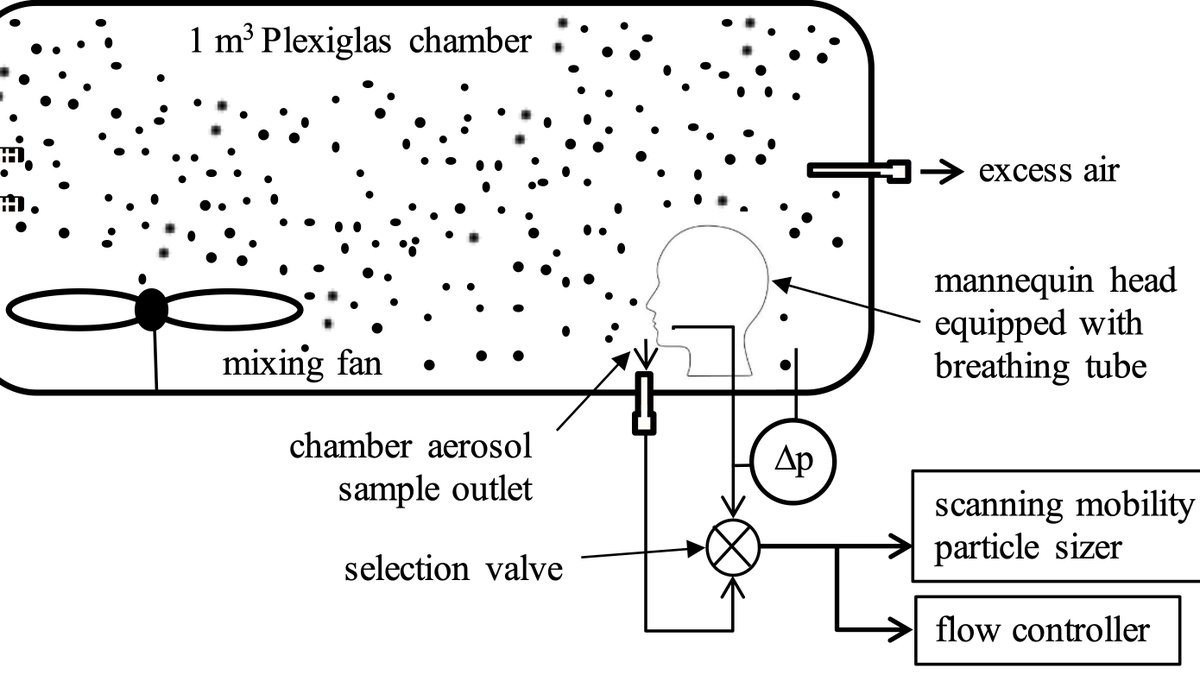
Our results provide an improved understanding of the impacts of pressure drop on leakage and, in addition, provide a more reliable indicator of the expected performance of a mask design.
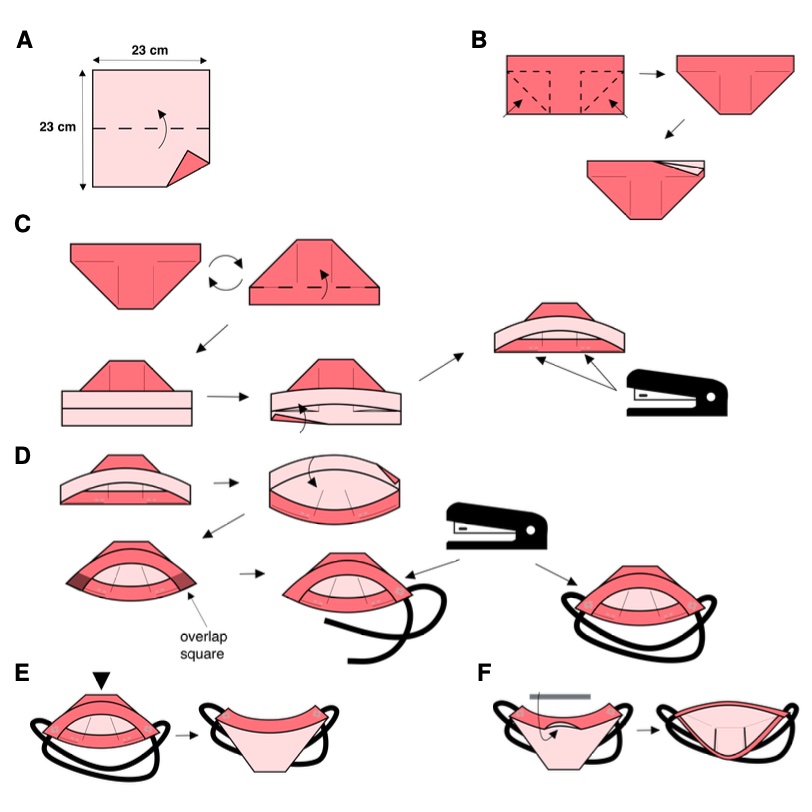
During the pandemic I teamed up with @jimnormsmith and others to explore improvised masks that could be fashioned quickly and easily. We came up with a really clever sew-free origami design that can be fabricated using any filtration material, a stapler, and some elastic bands.
The mask design is inspired by duck-billed N95's and fits wonderfully. Our study looked at the performance of the origami mask fabricated with different filtration materials.
This work was included in the proceedings of the 2023 11th International IEEE/EMBS Conference on Neural Engineering (NER). Please check out the full paper: https://t.co/4j8W8yrkRn
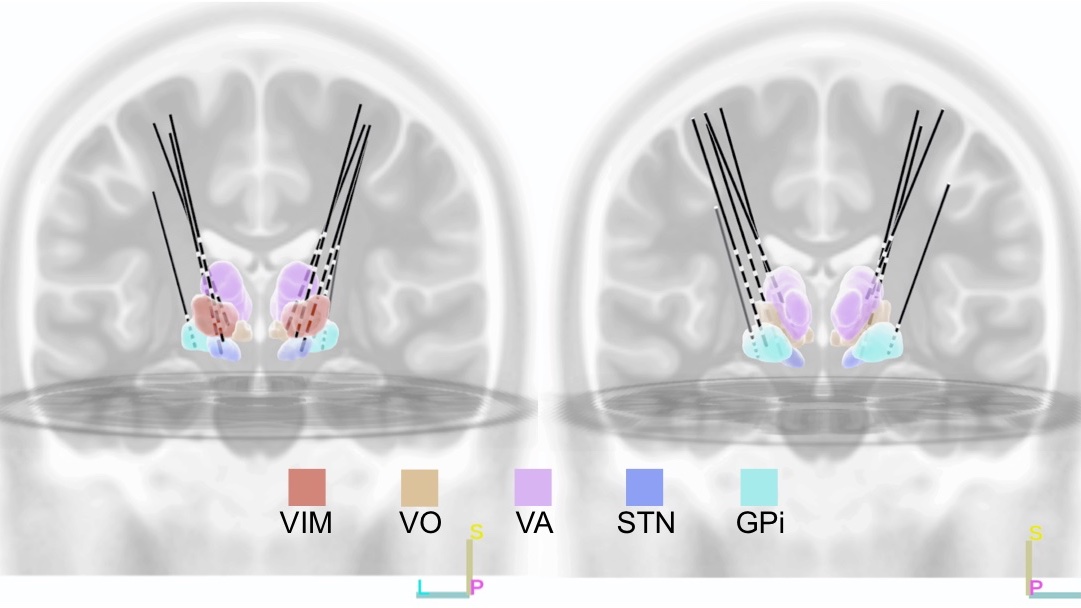
Deep brain stimulation is a highly effective therapy for an increasing number of neurological and psychiatric disorders. However, the optimal electrode placement and stim parameters are individualized and thus careful planning and tuning are required.
Although relatively simple, we think our model could be an important tool for modeling and capturing oscillatory behavior with potential applications in model-based DBS.
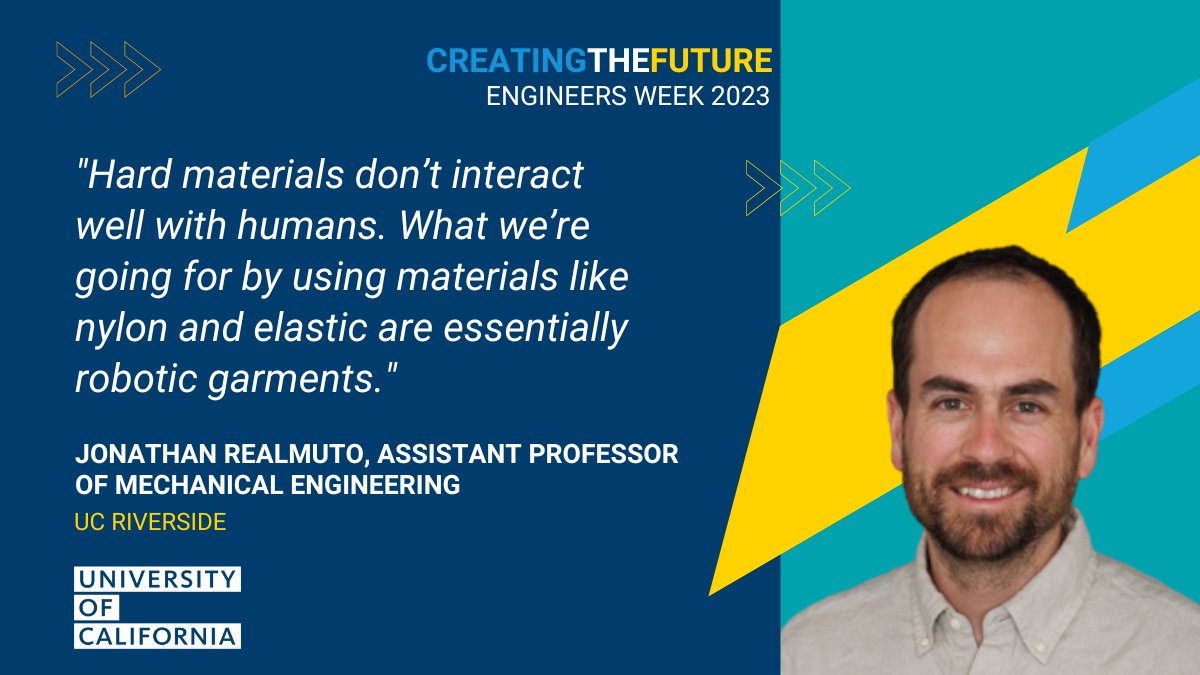
Less Terminator and more Baymax, professor Jonathan Realmuto's work is bridging the gap between man and machine by developing soft, wearable devices designed to restore and enhance human mobility and perception. 🤖👻 https://t.co/rk1P1zeBWU #Robotics#UCR@UCR_ScienceNews
More mobility and comfort ahead for people with movement disorders. @jrealmuto_ is working with @chocchildrensch to develop soft robotics assistive devices for children with cerebral palsy. #UCEngineer#EWeek2023#CreatingTheFuture#NSFfunded https://t.co/vhpLrIFZQI
CHOC is helping to improve independence, and ultimately, quality of life for children with movement disorders with a study into soft #wearablerobots.
https://t.co/lPqPvdq6iD
Thrilled to share that our @NSF National Robotics Initiative proposal has been funded! Together with our collaborators at @chocchildrens we aim to develop bio-inspired wearable soft robots to provide mobility assistance to children with movement disorders.
https://t.co/n0iwcPqE8Y