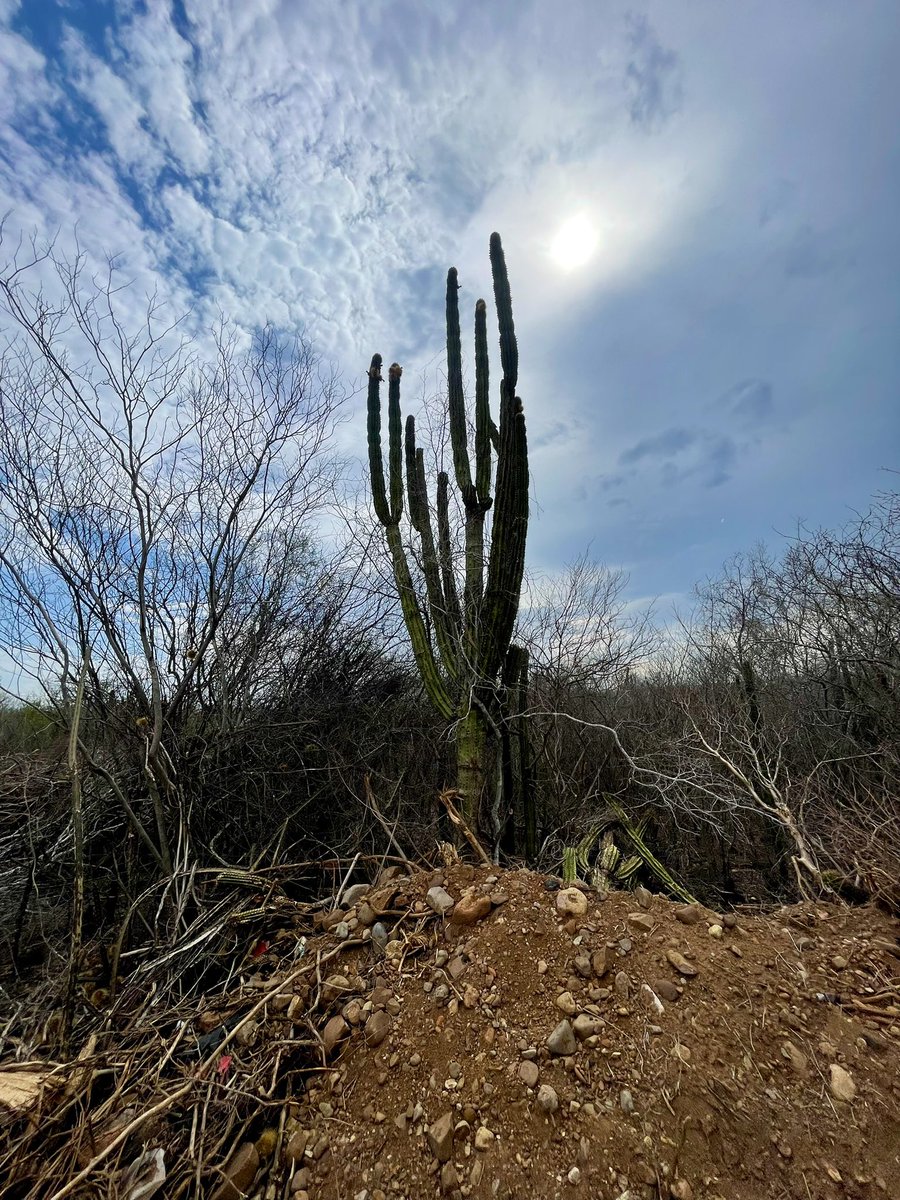
El ejercicio físico estimula la neurogénesis, la creación de nuevas neuronas, principalmente en el hipocampo, lo que influye en la memoria y el aprendizaje, al tiempo que aumenta los neurotransmisores clave que regulan el estado de ánimo. https://t.co/qqo5PfRYyx
Locura es pensar, que Michael Corleone, en manifiesta inferioridad, decida atacar por sorpresa a un enemigo superior, a los Tattaglia, Barzini, Stracci y a los Cuneo. Pensar en lo impensable ésa es la idea.
__
El Padrino, Mario Puzo
Cuando amanece, canta el gallo. Si canta el gallo, no amanece. Mejor tener amigos que echarlos en falta, pero, el mundo en general, la guerra en particular, es más compleja, algunas alianzas crean debilidades.
__
The Last Samurai
Las investigaciones muestran que caminar favorece el pensamiento creativo.
No porque aparezcan respuestas mágicas.
Sino porque el movimiento ayuda al cerebro a establecer conexiones nuevas entre ideas que antes parecían aisladas.
Quizá por eso tantas personas encuentran claridad mientras pasean.
Te sientes insuficiente después de ver las historias de otros? La psicología social explica que compararnos con versiones editadas de la vida ajena activa automáticamente nuestra inseguridad.
Estás viendo el highlight reel, no la película completa.
¿Cuántas veces te ha pasado esta semana?
Tour de Francia: La misión de Isaac del Toro es apoyar a su líder, Tadej Pogacar y, si como consecuencia, sube al podium en Paris, habrá sido un verano maravilloso para él…
People should either be caressed or crushed. If you do them minor damage, they will get their revenge; but if you cripple them, there is nothing they can do. If you need to injure someone, do it in such a way that you do not have to fear their vengeance.
Let's talk about France against Morocco.
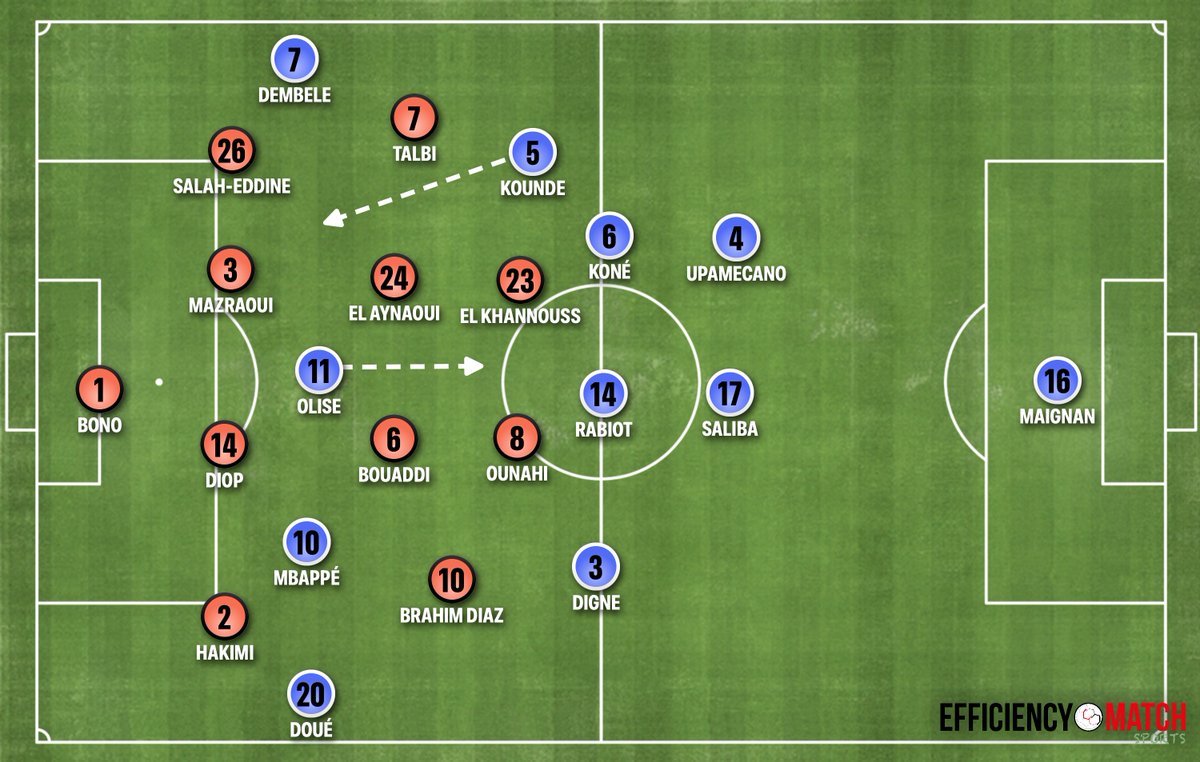
France attacked in a 3-2-5 structure, with Jules Koundé pushing into the right half-space to open a direct passing lane to Ousmane Dembélé. Lucas Digne stayed deeper, providing more defensive security. Michael Olise, as usual, started between the lines but had the freedom to drop deeper and organize play. Kylian Mbappé occupied the left half-space, where he eventually scored the opening goal.
France continue to attack with plenty of players behind the ball. The two midfielders, for example, usually stay very close to the centre-backs, always facing forward and rarely pushing higher up the pitch. Their role is mainly to circulate possession from side to side without taking unnecessary risks while protecting the team against transitions.
This can make France look a bit predictable in settled attacks, relying mainly on individual quality or quick combinations between their front four. They don't create many chances in these situations, but the trade-off is that they are almost impossible to hurt defensively because they always have so many players behind the ball.
France still look at their best when they have space to attack. That's why, during certain phases of the game, they became passive and allowed Morocco to dominate possession, patiently waiting for them to commit numbers forward and lose the ball in dangerous areas before launching counter-attacks.
Mbappé won a penalty after Hakimi lost possession with Morocco exposed, while Désiré Doué produced an excellent ball-carrying action in transition following a poor turnover from Bouaddi. France simply have too many elite players to defend against when they can run into space.
From restarts, however, France adopt a different approach. They often press high, sometimes even man-to-man. It makes sense because these situations allow them to organize the press properly, and the reward for winning the ball is very high. They also have a clear physical advantage. France's defenders and midfielders are stronger in duels and more athletic in large spaces than Morocco's players.
Morocco's players are technically outstanding and very agile, but they generally lack the physical profile to consistently beat France's defenders in open space or dominate offensive duels.
Outside of restarts, France rarely press aggressively. Instead, they are happy to defend in a compact mid-block, allowing opponents to have possession while protecting the space behind them. You can circulate the ball around them and occasionally even play through them, but playing behind them feels almost impossible. Teams sometimes manage to progress between the lines, yet very little happens after that.
At the start of the second half, with the score still 0-0, France counter-pressed more aggressively, taking slightly greater defensive risks. During the opening minutes, Morocco managed to break the first wave of pressure and attack in transition. Even then, they never generated clear chances because once the ball was forced wide, William Saliba and Dayot Upamecano proved almost impossible to beat in large spaces. Even when France become more aggressive, their defensive quality allows them to take risks without conceding much.
As for Morocco, I keep coming away with the same impression. I think there's still a lot of room for improvement.
They can dominate possession for long periods because they have many press-resistant players and clear positional ideas that allow them to progress into advanced areas. But once they get there, very little happens.
I like the overloads they create on the flanks, especially with Ounahi. They have many technically gifted players who rarely lose the ball in tight spaces, but they struggle to convert possession into clear chances. There is very little diagonal progression into dangerous central areas, and overall they don't take enough attacking risks.
The reality is that they have been missing Ez Abde so much. With his 1v1 out wide, Morocco would have been able to create wide overloads on the right side, to then find Ez Abde isolated on the left side to target defenders in 1v1 situations.
Morocco are excellent at slowing down the tempo of the game, and they are also difficult to create chances against. Their rest defense is usually well balanced, with Noussair Mazraoui staying deeper to allow Achraf Hakimi to attack more aggressively.
They have a very good team, but many of their goals have come outside of settled attacks and they felt short to create chances consistently. Their goal against Brazil came in transition, while their goals against Canada came from transitions and a set piece.
Dios nuestro, estamos aquí esta noche con el corazón abierto para darte gracias por todo lo que hemos vivido en el día de hoy. Gracias por los aprendizajes que hemos ganado con cada una de las situaciones vividas. Te pedimos que nos permitas descansar con tranquilidad.