Call for abstracts!
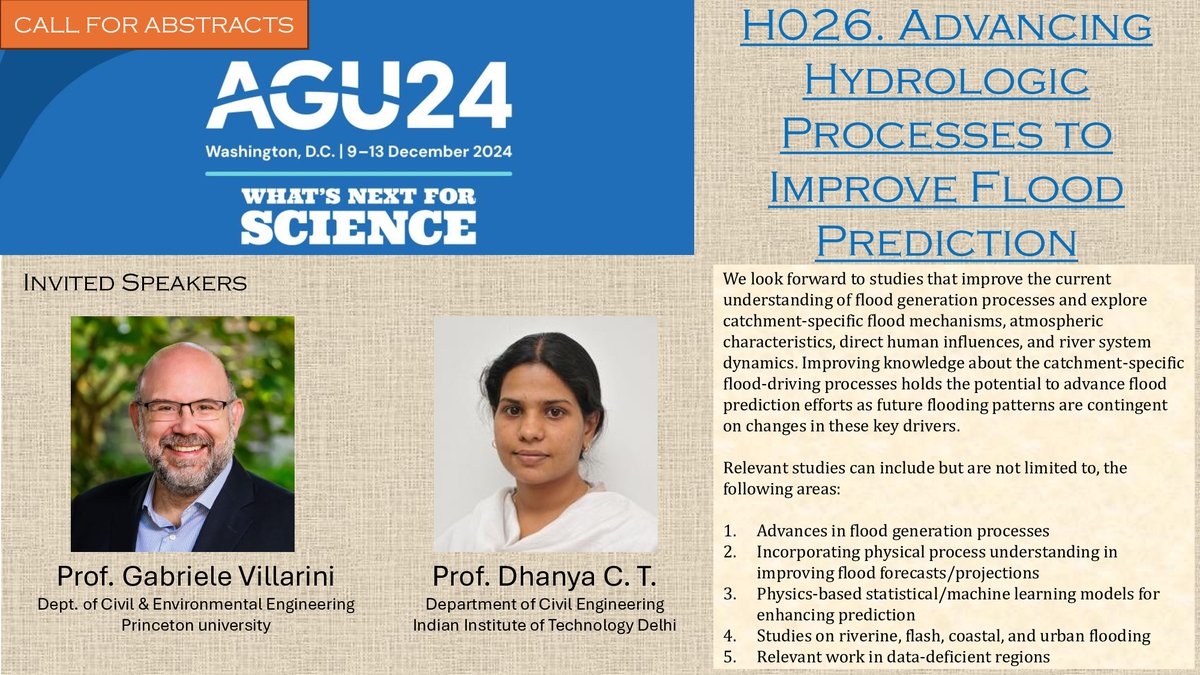
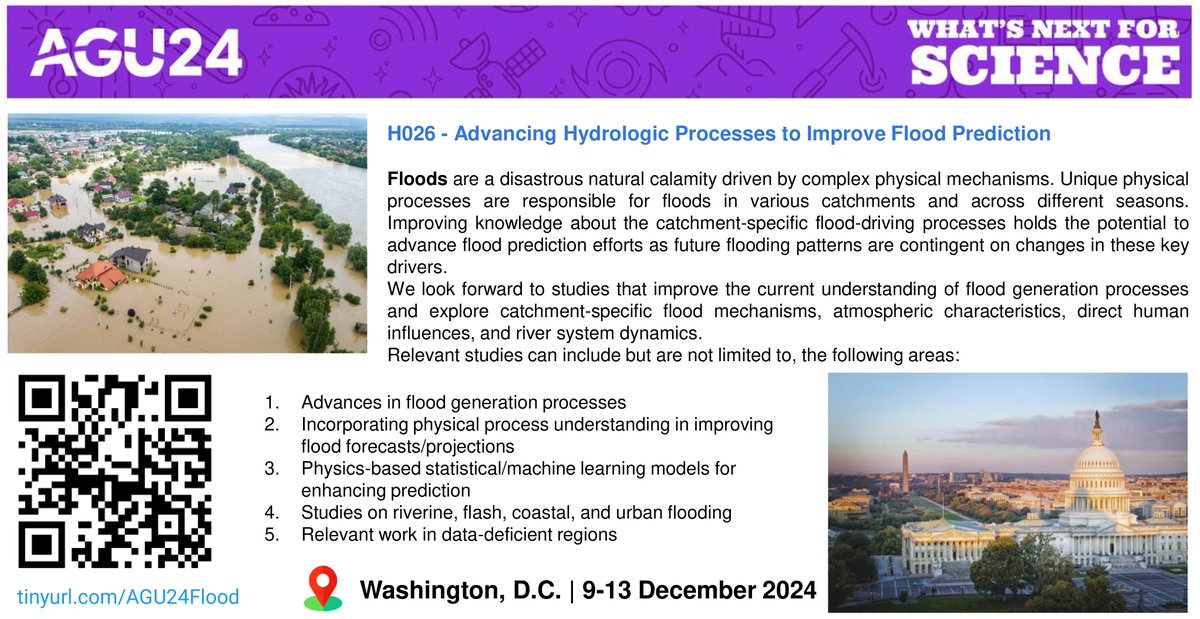
#AGU24 Session: H026 - Advancing Hydrologic Processes to Improve Flood Prediction
🗓️ Less than 3 days left to submit your abstract by July 31, 23:59 pm ET.
#FloodPrediction#Hydrology#AGU24@js_nanditha@anukeshka
Link: https://t.co/i2Kyadb7lx
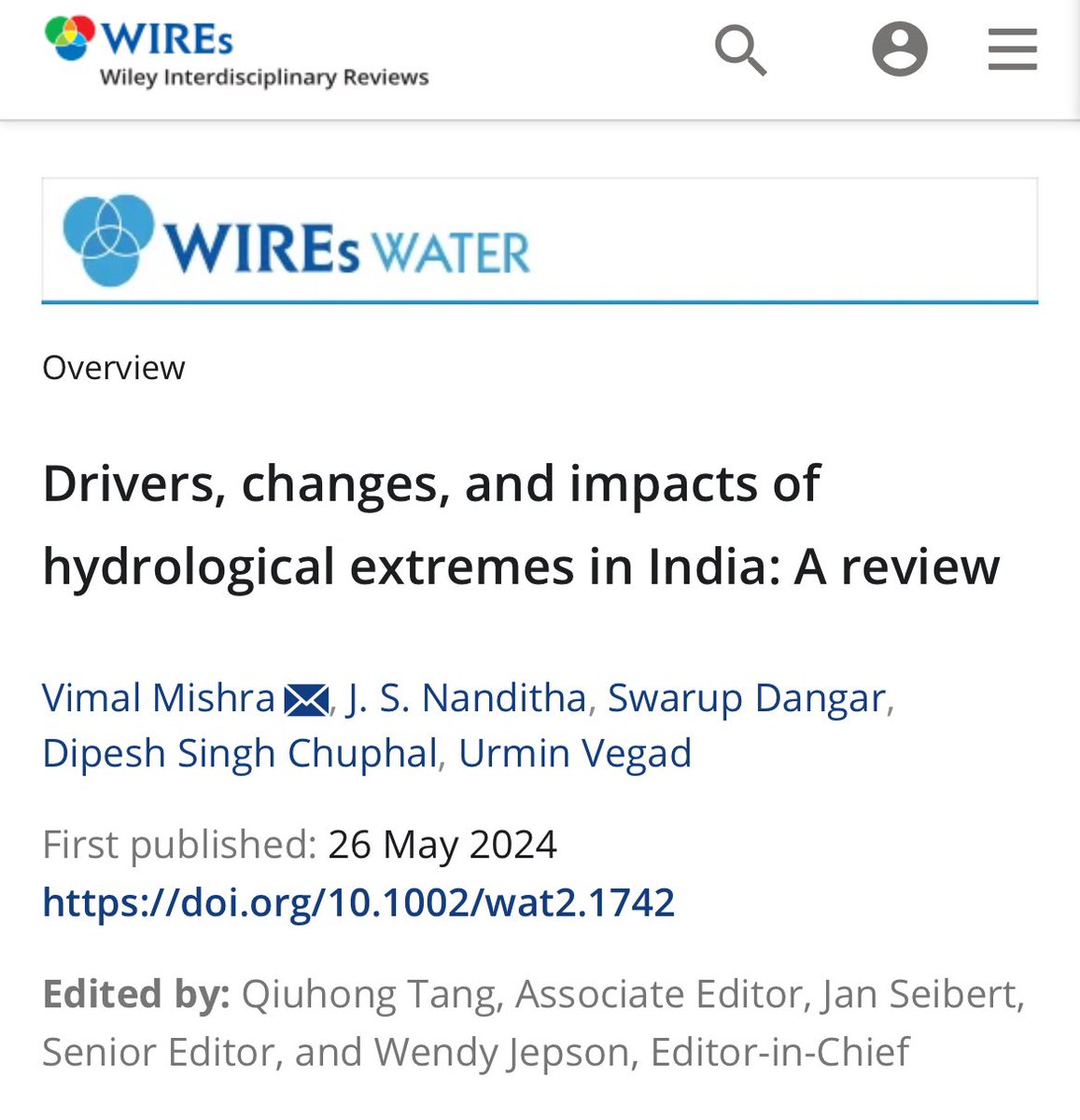
Pleased to share our review article on hydrological extremes (floods, droughts, flash floods, and flash droughts) in India that has appeared in WIREs Water: https://t.co/WwXibYJCIH @ndmaindia@DoWRRDGR_MoJS@moesgoi@IndiaDST
📢📢 Does your work involve #flood research? You might find our #AGU24 session useful! Submit your abstract to "H026 - Advancing Hydrologic Processes to Improve Flood Prediction” by July 31
#FloodPrediction#Hydrology#AGU24@js_nanditha@anukeshka
Link: https://t.co/K24a7ocVdX
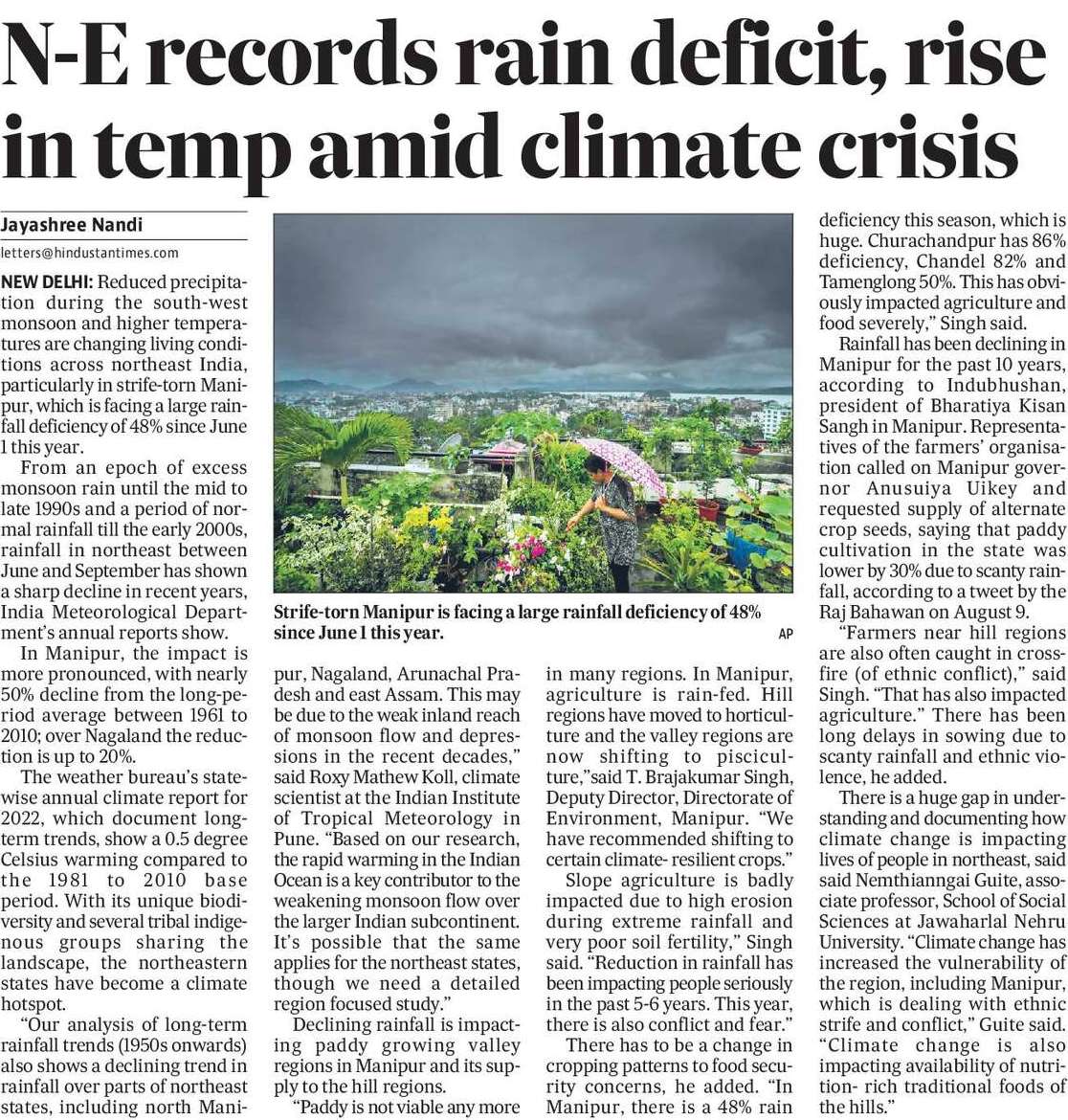
A shift in #monsoon pattern is impacting NE states with below normal rains & high temperatures. Strife-torn #Manipur amng worst impacted. 48% rain deficiency this year, paddy impacted amid conflict. Paddy becoming increasingly inviable #ClimateCrisis
The world is on track to experience its warmest August on record, beating the prior record set in 2016 by a fairly large margin. This further increases the likelihood that 2023 will be the warmest year since global records began in the mid-1800s.
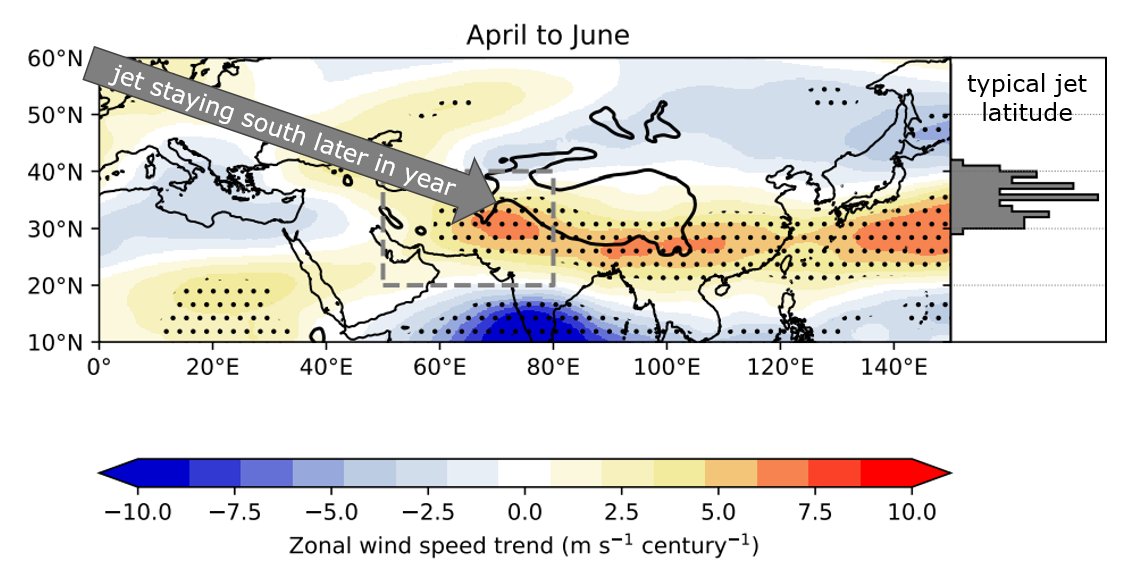
This is happening because the subtropical jet (which brings WDs to India) is no longer retreating northward before the summer monsoon onset. This year it stayed over South Asia until mid July!
WDs interacting with monsoon moisture and instability is very, very dangerous.
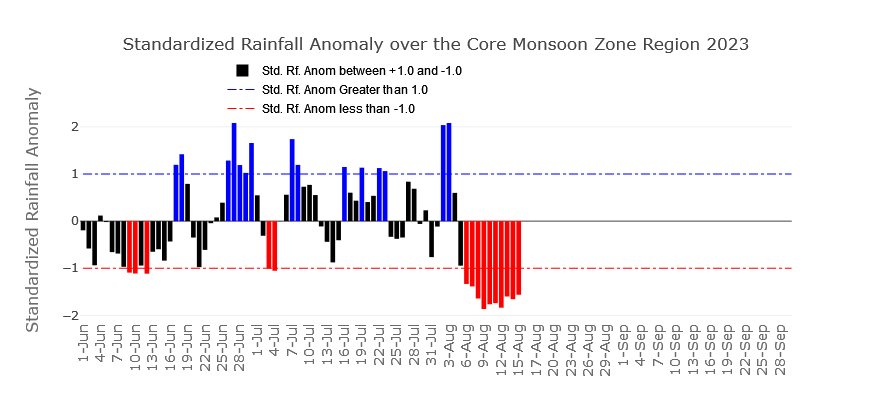
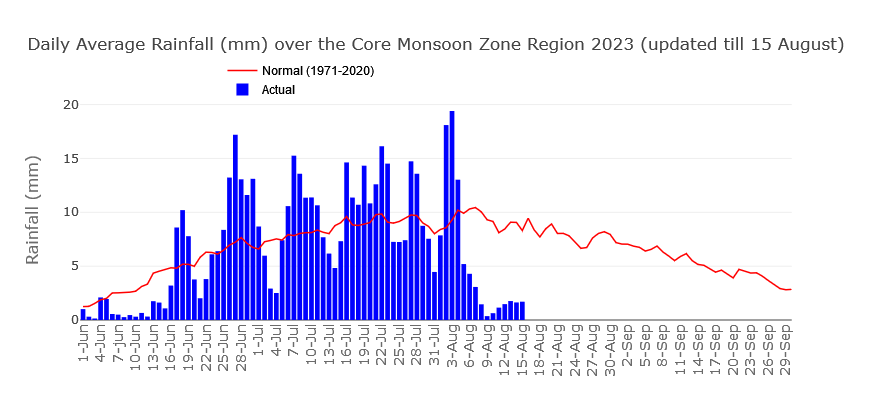
Monsoon update:
The current monsoon break spell is one of the most prolonged spells on record, already 10 days (red bars), likely to be 2-3 days more.
The longest consecutive break spell was 18J-3A in 1972, a deficient year. In July 2002, 24 days were break days.
@moesgoi
Is there “warming in the pipeline”? maybe surprisingly, no – many expect that our past emissions commit the world to continue warming, but that’s not the case. If we stop emitting (CO2), we will stop warming. Give or take small error bars. Here’s why…
https://t.co/t733k9ZEnD
Drought risk projections in India are mostly based on hazard alone. In this #newpaper in @EGU_NHESS led by @sahana_126, we show that future drought risk is significantly vulnerability-driven, using @IPCC_CH notion of risk. #drought https://t.co/Rn0MKpUkIA
Our article on: The Pakistan Flood of August 2022: Causes and Implications is now published in Earth’s Future @theAGU. https://t.co/CmMpGtekYj #pakistanflood#monsoon