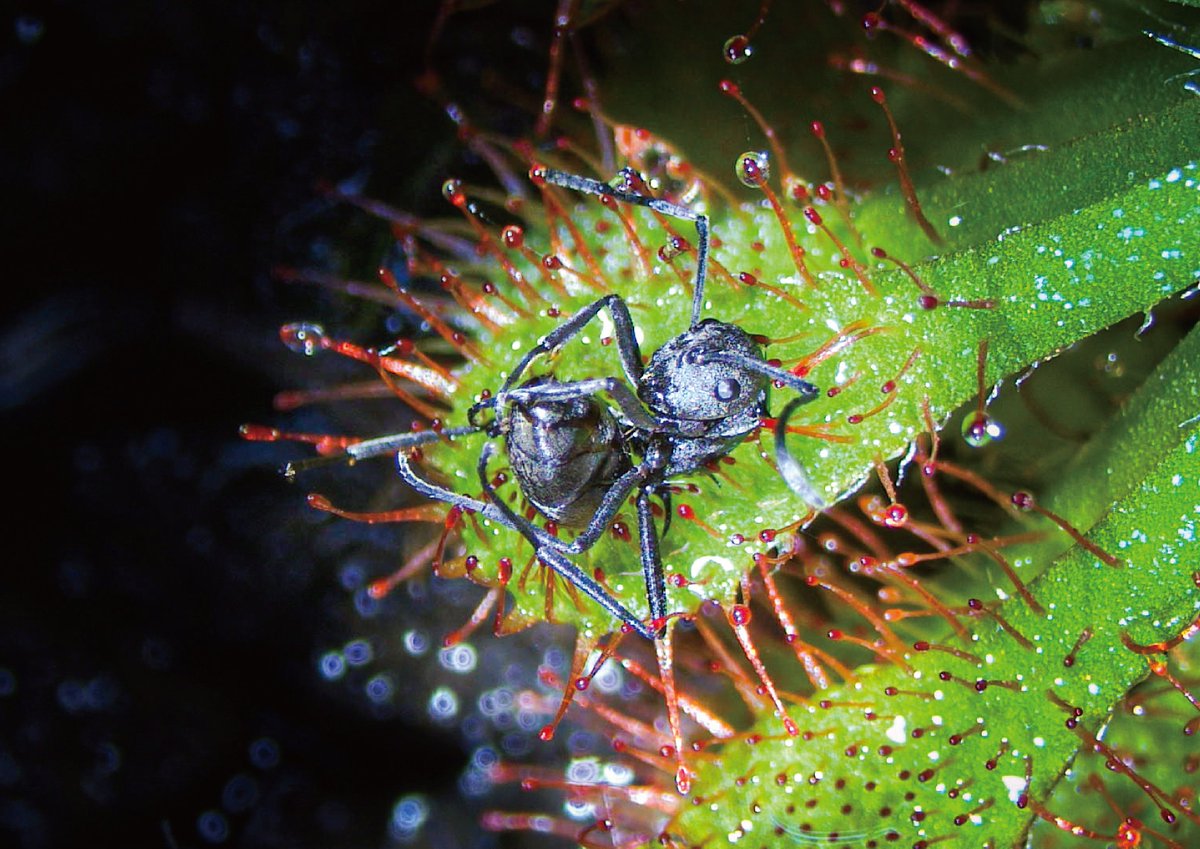
I am super excited that one of the most interesting finding in my lab was published in @NatureMicrobiol !!
Have you heard about the fungus that helps carnivorous plants digest insects? 🐜🍃
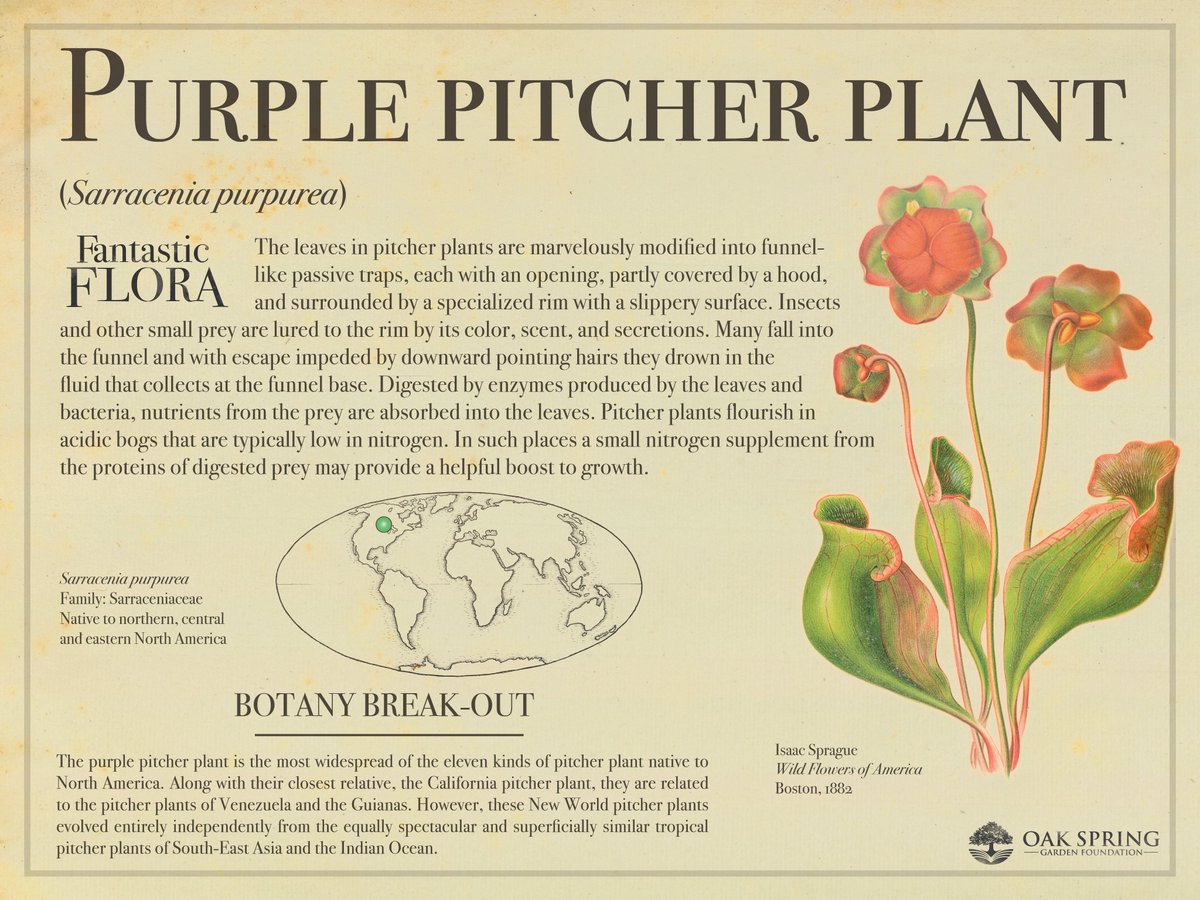
Happy #FantasticFloraFriday! Warning to any insects reading about today's plant: try not to get too close.
For more predatory plants, visit https://t.co/Pq3QFlUBmm.
Indigenous knowledge of the corpse lily has seldom been acknowledged, yet it remains vitally important for all botanists who seek to better understand this rarity of the natural world. From the #PlantHumanities Lab at @DumbartonOaks: https://t.co/6O9DWxXV75
The formidable size and relative scarcity of corpse lily plants and their “aromatic” flowers have made them a focus of the ecotourism industry. From the #PlantHumanities Lab at @DumbartonOaks: https://t.co/6O9DWxXV75
With some 30 species scattered throughout Southeast Asia, the parasitic genus Rafflesia boasts the largest flowers of any plant in the world. It may also boast the smelliest flower of any plant in the world. From the #PlantHumanities Lab @DumbartonOaks: https://t.co/6O9DWxXV75
The survival of the corpse lily relies on an exclusive parasitic relationship with a woody vine in the grape family. From the #PlantHumanities Lab at @DumbartonOaks:
https://t.co/6O9DWxXV75
Sundews, alongside other meat-eating denizens of the plant kingdom like pitcher plants and the Venus flytrap, have long occupied a special place in botanical popular culture. https://t.co/J8G5RjWjPx
With nearly 200 species found in the wild on every continent but Antarctica, sundews have long been integrated into the knowledge systems of Indigenous peoples. https://t.co/J8G5RjWjPx
The first published image of the sundew (or any carnivorous plant for that matter) appeared in 1554, in Rembert Dodoens’s herbal Crüÿdeboeck. https://t.co/J8G5RjWjPx
New on the blog: "From Poetry to Pulp Fiction: Carnivorous Plants in Popular Culture" ➡️https://t.co/tKt1FAKiQX
📷: Selected images from Insectivorous Plants on display in Darwin’s greenhouse. Photo credit: John Schaefer.
New on the blog: "Flytraps, Sundews, and Pitchers: Discovering the Carnivorous Plants of BHL" https://t.co/QUrpPAHrvS
📷: Pitcher plant (Sarracenia purpurea), Venus flytrap (Dionaea muscipula), Sundew (Drosera capensis). Photo credit: John Schaefer.