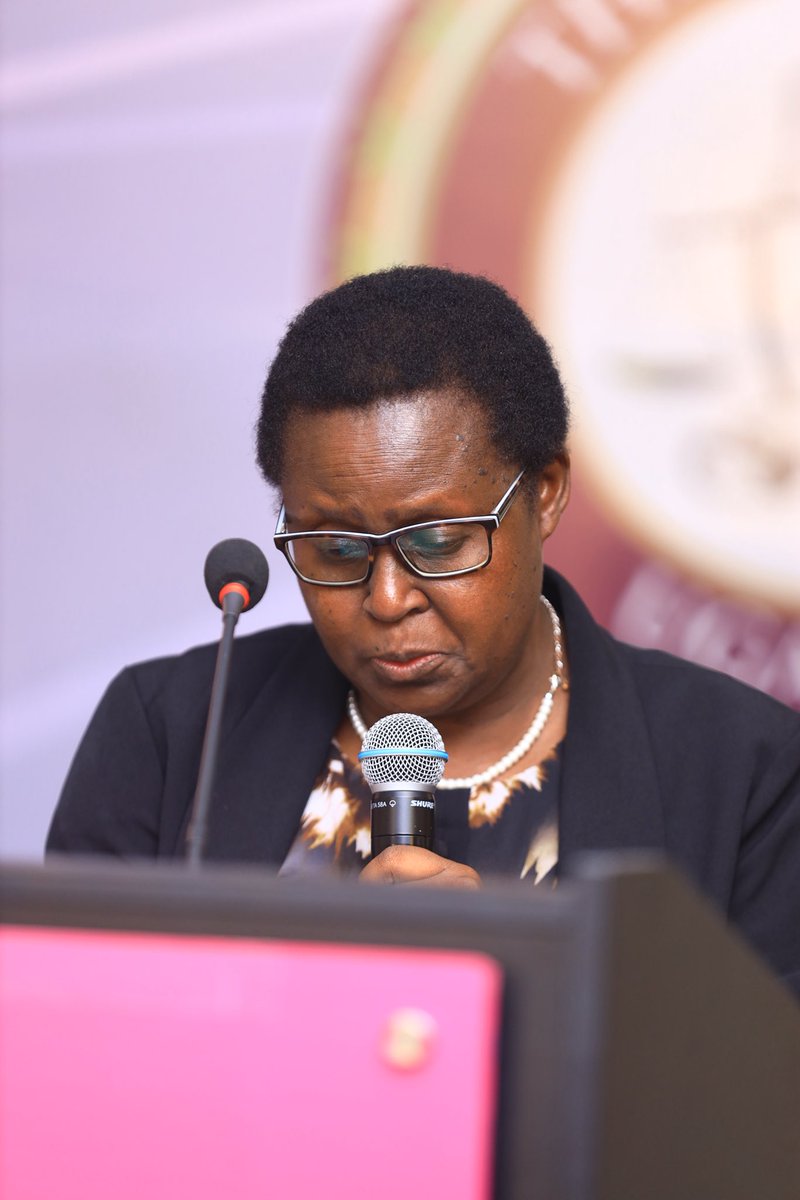
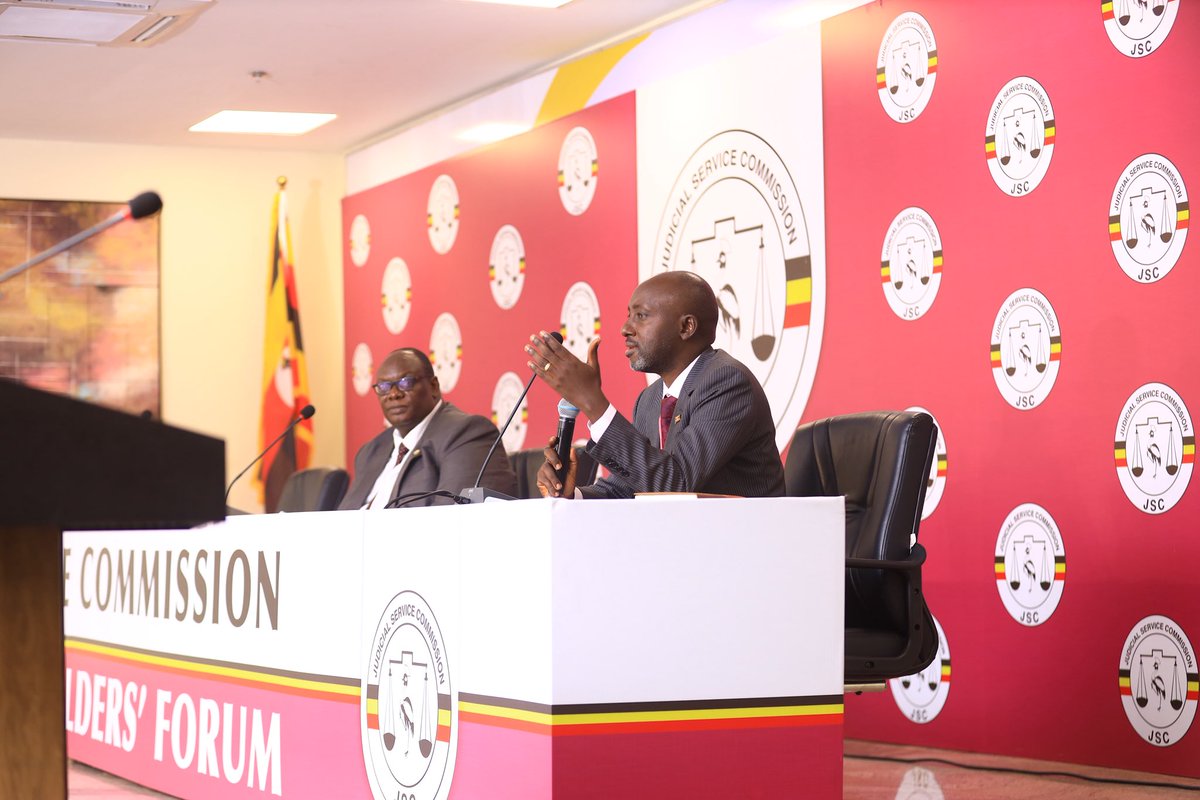
Following the engagement session, JSC was hosted on Boona FM in Rukungiri.
The radio talk show was led by HW Kosia Kasibayo-Deputy Registrar, Chief Registrar's Chambers.
Both institutions emphasized the need to work efficiently, with integrity and professionalism in all our day to day activities.
The Judicial Service Commission joined the Judiciary’s PR and Communications Registry team in a Customer Care Engagement at Rukungiri High Court, on 19th November 2026.
During the engagement, staff of the judiciary were taken through sessions on customer care, the Performance Enhancement Tool(PET), and basic protocol.
His Lordship Justice Jamson Karemani urged the staff to make the system as approachable and friendly for every court user.
Mr. David Wandera, a legal officer from JSC elaborated on the mandate of the Commission. It to oversees Judicial appointments, investigates and resolves complaints against Judicial officers, promotes legal education and contributes to the effective administration of justice in Uganda.
He also encouraged those with grievances to bring them up to the Commission's attention so that they are resolved.
#AccessToJustice #JSC
A team from the Judiciary’s Public Relations and Communications Registry was yesterday evening hosted on Boona FM in Rukungiri, discussing court procedures, Judiciary initiatives and the work of Rukungiri High Court. The radio programme follows an outreach session held earlier at Rukungiri Chief Magistrate’s Court.
Led by HW Kosia Kasibayo (Deputy Registrar, Chief Registrar’s Chambers), the team included Magistrate HW Mbalangu Gonzangu (Rukungiri High Court), David Wandera (JSC Legal Officer) and Deo Akugizibwe (Judiciary Communications Officer).
During the session at Rukungiri Chief Magistrate’s Court, several court users said they had come hoping to reconcile and forgive one another. HW Kasibayo asked the Community Service Officer to guide them through the reconciliation process. He noted that resolving disputes amicably could help restore relationships and save the parties time and money.
The team also explained mediation, plea bargaining, the Small Claims Procedure and how court users can obtain bail refunds through the Electronic Court Case Management Information System (ECCMIS). Court users raised concerns directly with HW Kasibayo, who answered their questions and guided them on the procedures available to them.
Court users thanked judicial officers for handling their cases promptly. Mr Mugisha Benon, LC III Chairperson of Buhunga Sub-county, said he had seen an improvement in service delivery and commended judicial officers for concluding cases on time and treating parties fairly
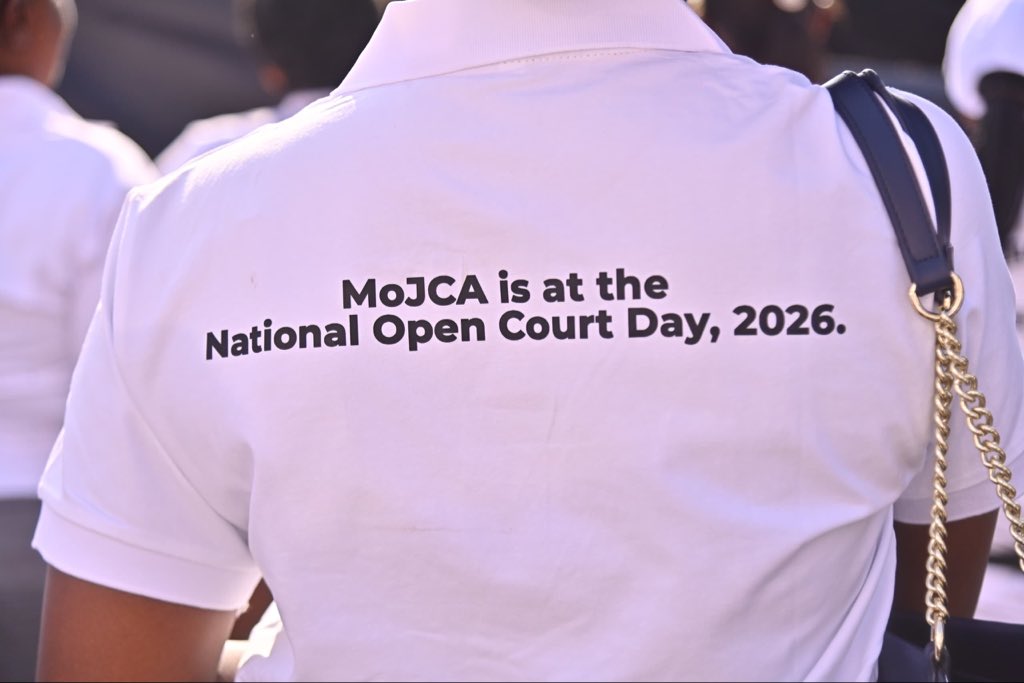
Scenes from the National Court Open Day📸
📍: Kololo Ceremonial Grounds
Join us at the JSC tent now and have your questions answered, the team is ready for you⚖️
#NationalCourtOpenDay#AccessToJustice#JSC#MoJCA
Leero! Today! Ereizoba!
We are bringing THE ENTIRE JUSTICE CHAIN to you at the Kololo Independence Grounds.
▶️ Do you need to understand a court process? @JudiciaryUG will be here!
▶️Do you need FREE legal aid? @LaspnetUganda will be here!
▶️ Do you need help with land, succession, or human rights? @MoJCAUG@UHRC_UGANDA@JSCUganda@TaxAppealug will be here!
▶️ Do you want to know how a case moves from @PoliceUg to Court? @ODPPUGANDA will be here!
All your justice needs, in one place for the Court Open Day starting at 8am - 5pm.
We are not just talking about justice. We are delivering it to you. Come visit our stall! #JusticeForAll
Today, the @MoJCAUG joins hundreds of other justice service providers at Kololo Ceremonial Grounds for the 3rd National Open Court Day.
The event brings together key justice sector institutions to engage with the public, showcase the services they provide, and promote greater access to justice.
Visit the MoJCA exhibition tent and learn more about our services and how we serve you.
@JSCUganda@URSBHQ
Your Bridge To Justice⚖️
The Judicial Service Commission will be exhibiting tomorrow at the National Court Open Day.
Visit our stand tomorrow and have your queries answered, from how to file a complaint, accessing our different offices across the country, and more.
🗓️Thursday 10th September 2026
🕗8:00 am
⚖️Kololo Ceremonial Grounds
#NationalCourtOpenDay #AccessToJustice
#MoJCA
On air: Mr Joseph Ssinabulya, Judiciary’s Principal Information Management Officer, and Ms Patra Alinda, Legal Officer at the Judicial Service Commission, are live on UBC Uganda, sensitising listeners about the upcoming 3rd National Court Open Day.
They are highlighting Judiciary services and reforms, while encouraging members of the public to attend the event on Thursday, 10th September 2026, at Kololo Ceremonial Grounds.
The Open Day will provide an opportunity for the public to interact directly with Judicial Officers and justice-sector stakeholders, ask questions, seek information and learn more about justice services.
https://t.co/j564uNonbD
Earlier: HW Timothy Lumunye, Chief Magistrate, Buganda Road Court sitting at LDC Court, was hosted on “Akaboozi Radio” to sensitise listeners about the upcoming 3rd National Court Open Day, scheduled for Thursday, 10th September 2026, at Kololo Ceremonial Grounds.
He was joined by Ms Hajira Naula, Senior Legal Officer at the Judicial Service Commission, and together they highlighted court services, justice-sector reforms and the opportunity the event presents for members of the public to engage directly with justice institutions.
They encouraged members of the public to turn up in large numbers, ask questions, seek information and learn more about the services available across the justice sector
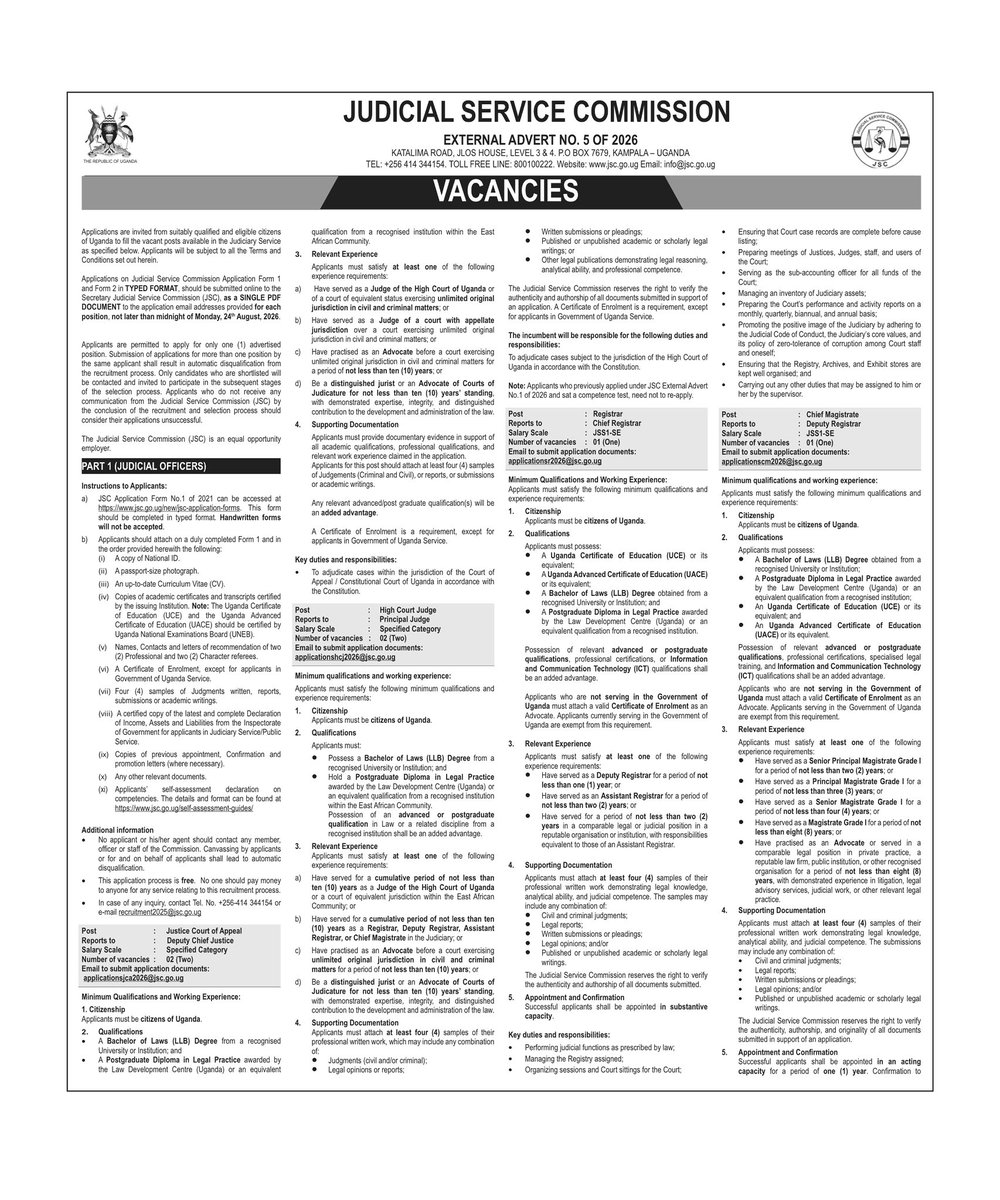
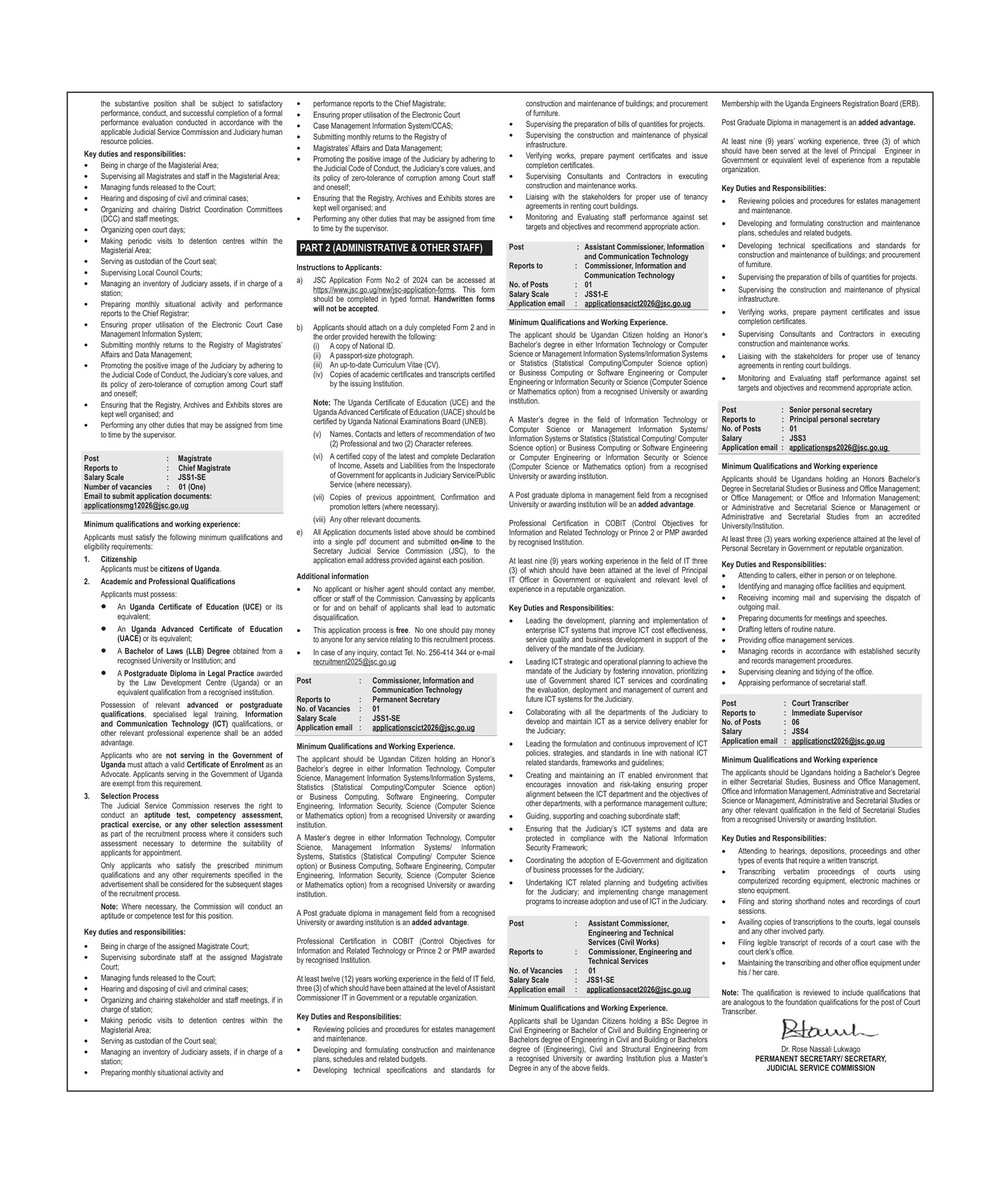
Jobs 🚨
Applications are invited from suitably qualified and eligible citizens of Uganda to fill the vacant posts available in the Judiciary Service
as specified below.
Please read Mandatory Instructions before submission.
Every headline has consequences.
Accurate and ethical reporting protects investigations, safeguards the rights of victims and suspects, and strengthens public confidence in the justice system.
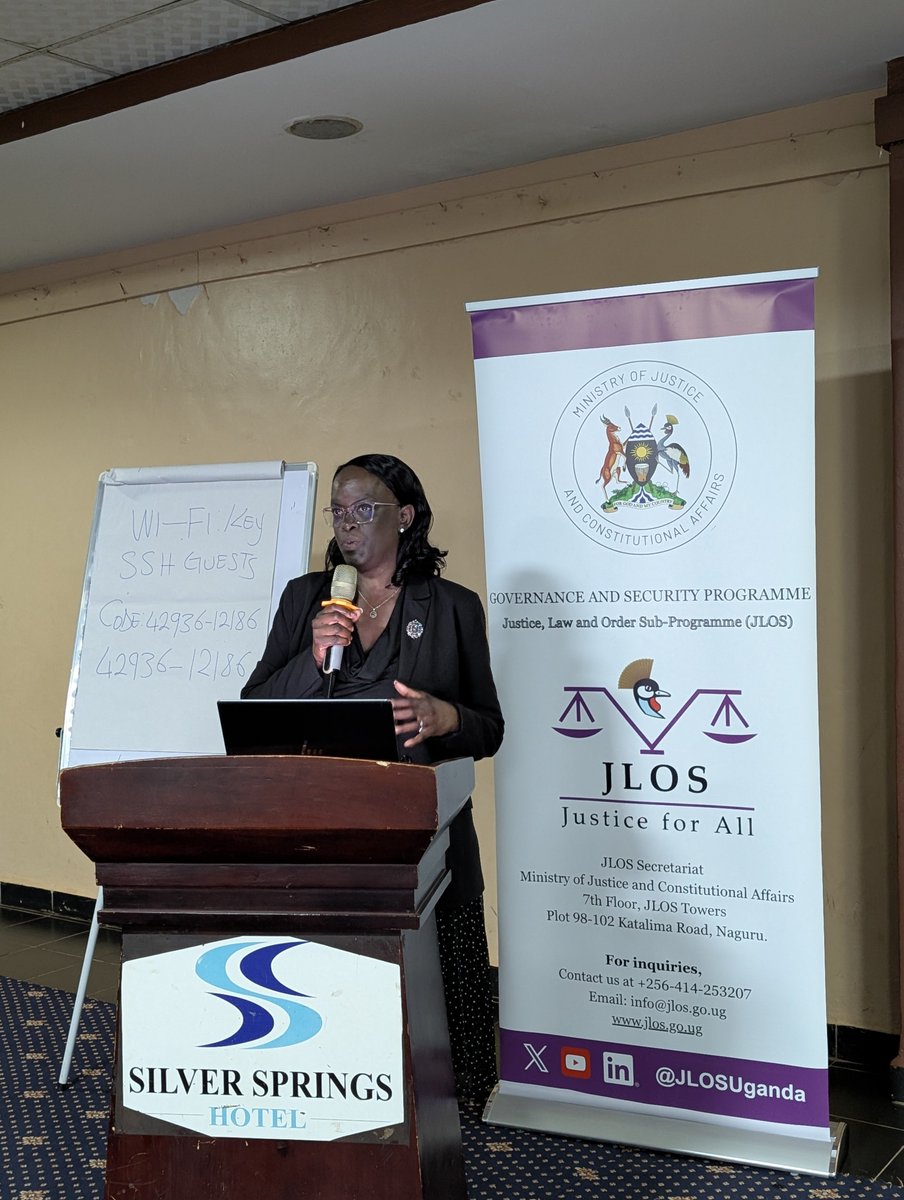
Responsible journalism strengthens justice. Today the Directorate of Forensic Services @PoliceUg , in partnership with the GSP Secretariat @JLOSUganda and with support from @UNODCEastAfrica is convening a one-day Media Engagement and Training on Responsible Crime and Justice Reporting.
The training will equip journalists and editors with practical knowledge on crime scene reporting, evidence integrity, legal and ethical considerations, and responsible reporting throughout the criminal justice process.
Today's engagement brings together journalists and criminal justice practitioners to build a shared understanding of responsible crime and justice reporting and strengthen collaboration for the public good. #ResponsibleReporting
#JusticeForAll
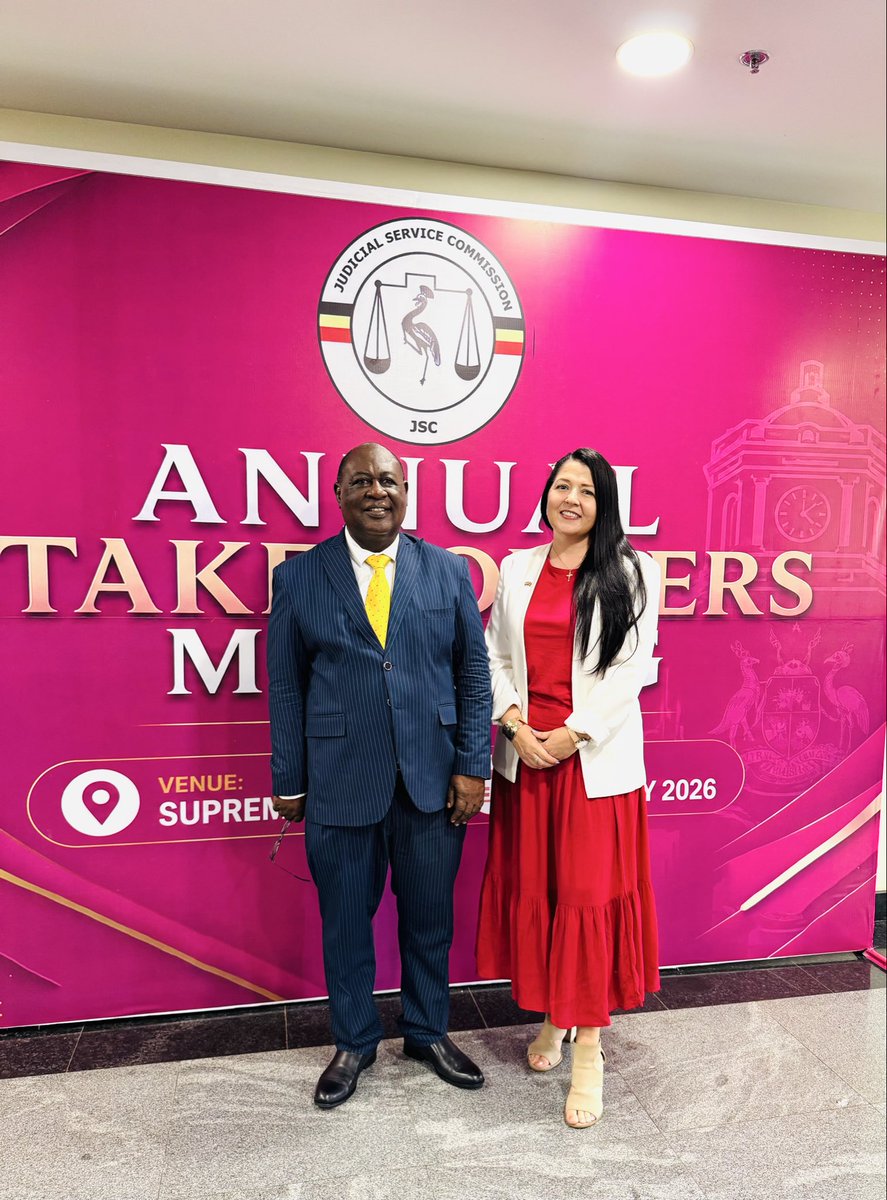
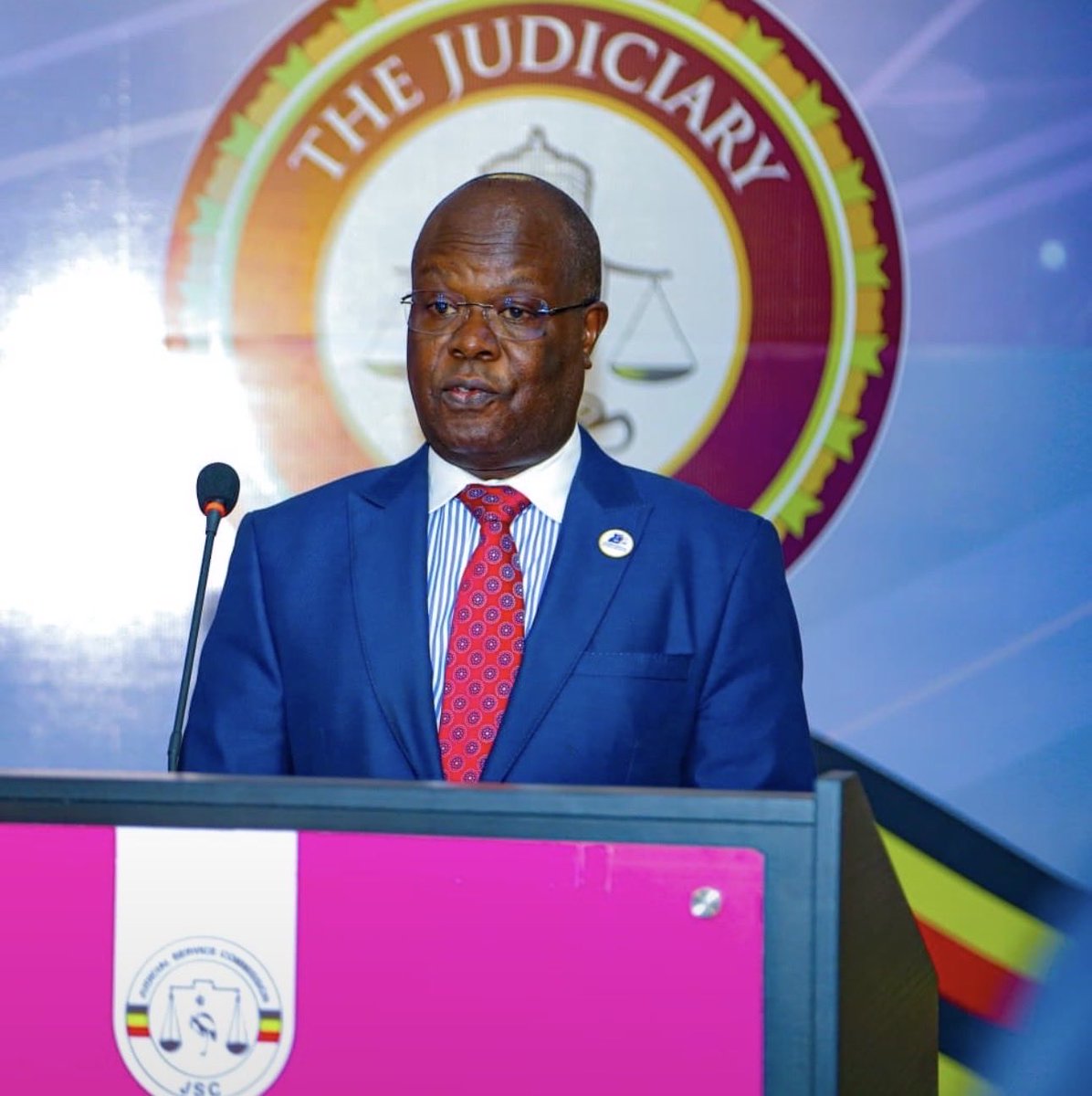
I was honored to attend the Annual Stakeholders’ Forum of the Judicial Service Commission @JSCUganda at @JudiciaryUG Supreme Court which focused on “Transforming Justice Delivery through Merit, Accountability and Innovation”. @GCICsecurity@JLOSUganda
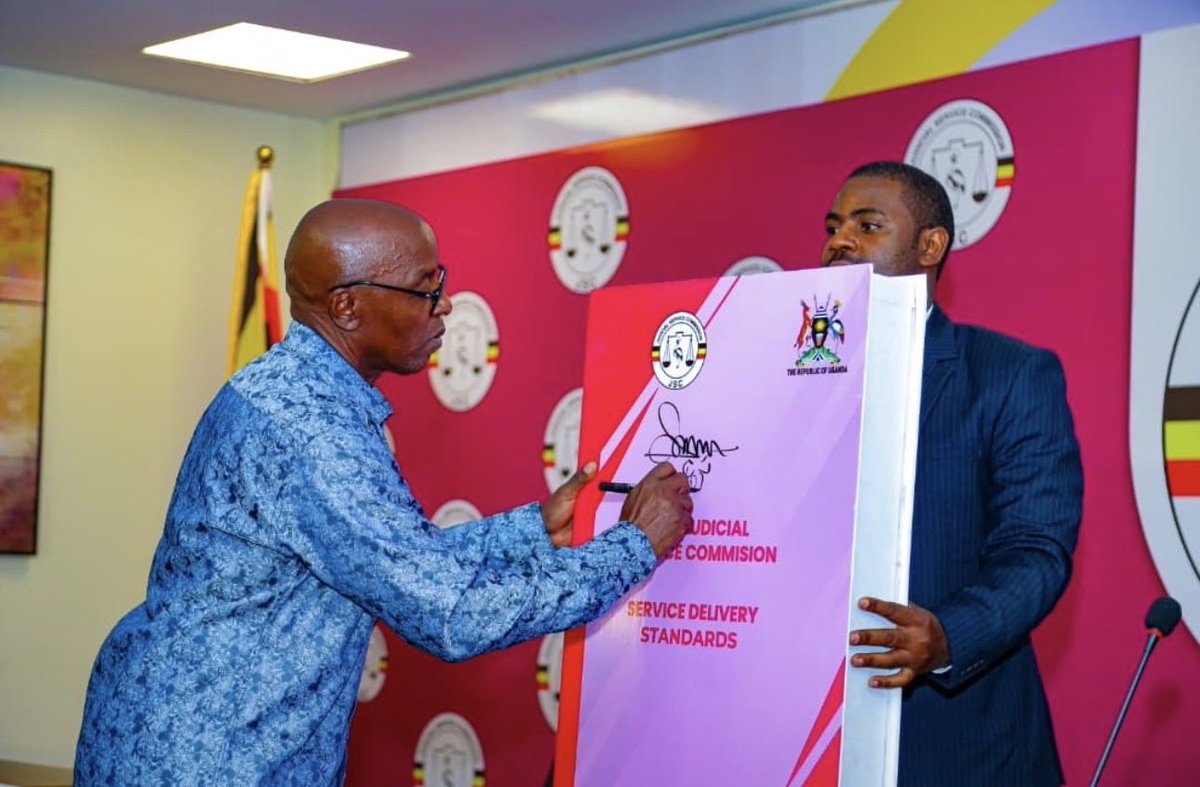
“The Client Charter establishes a social contract between the Judicial Service Commission and the people of Uganda. It clearly outlines the Commission’s obligations to the public, the standards of service that clients should expect, and the mechanisms available for lodging complaints and providing feedback. It is an important instrument for building public confidence and strengthening trust between the Commission and those it serves.
It is evident that the Commission makes a significant contribution to Uganda’s socio-economic transformation through its commitment to strengthening justice, improving service delivery, and promoting accountability.
Allow me to add a personal observation.
Many members of the public may not immediately appreciate the relationship between the Judiciary and economic development. However, when one considers the value of commercial disputes, land matters, investment-related cases, and other litigation handled by the courts, it becomes clear that an effective justice system plays a critical role in supporting economic growth and investor confidence.
Behind that justice system stands the Judicial Service Commission, whose work in recruiting, disciplining, and overseeing judicial officers contributes directly to the quality and integrity of justice delivery. Although this relationship is sometimes not immediately visible, it is both important and significant.
I take this opportunity to congratulate the Chairperson, the Deputy Chairperson, and all Members of the Commission for the leadership you have demonstrated in developing these important documents.
I also commend the Permanent Secretary/Secretary to the Commission for his leadership, commitment, and stewardship throughout this process.
My appreciation also goes to the Human Resource Department and all members of staff who participated in the development of these documents.
It is our expectation that both Commissioners and staff have developed a shared understanding of the standards and commitments contained in these documents, and of their respective responsibilities during implementation.
I further commend the Commission for taking the time to engage stakeholders during the launch of these documents. Such engagement promotes ownership, transparency, and accountability.
I encourage all stakeholders to make full use of these documents by demanding quality services from the Commission and providing constructive feedback to support continuous improvement.
Finally, I call upon the Permanent Secretary/Secretary to the Commission to ensure that the Service Delivery Standards and Client Charter are widely disseminated so that all clients and stakeholders are aware of their rights, responsibilities, and the standards of service they should expect.
For God and My Country.”
Head of Public Service and Secretary to the Cabinet
Dr Theopista Mary Wenene
“The Service Delivery Standards have been developed in response to increasing public expectations for fairness, accountability, and a citizen-centred justice delivery system.
As these standards are implemented, the Judicial Service Commission must take into account the growing demands placed upon it. These include addressing human resource gaps, strengthening disciplinary processes to uphold integrity, expanding judicial and public legal education, and responding effectively to broader government priorities.
The Service Delivery Standards establish measurable benchmarks for efficiency, transparency, effectiveness, and accountability in the Commission’s operations and service delivery.
The shift towards digital service delivery and automated workflows is no longer optional—it is an essential requirement for improving institutional performance. Efficient administration, fair disciplinary processes, and ethical leadership remain central to Uganda’s development aspirations. The implementation of these Service Delivery Standards should therefore provide renewed momentum for achieving these objectives.”
Dr. Theopista Mary Wenene
“Finally, we continue to invest in institutional capacity building by training Commission staff on the effective use of technology, modern investigative techniques, networking, and improved case management so that the Commission is better equipped to fulfil its mandate.”
Mr. Geofrey Ntaro, Deputy Registrar, Anti Corruption. JUDICIAL SERVICE COMMISSION
“As part of our mandate, we conduct inspections of courts across the country. During these inspections, we assess compliance with the Constitution, the Judicial Service Act, and other applicable laws. We also examine how incidents of corruption and misconduct are handled so that we can identify gaps and recommend appropriate interventions.
In addition to inspections, we undertake community sensitisation programmes to educate members of the public on their rights, available reporting mechanisms, and the role of the Commission.
Through these activities, we have identified several emerging issues that I wish to share with this meeting. We have proposed solutions to address them, and we also welcome further guidance on how these challenges can be tackled more effectively.
Sophisticated Nature of Corruption
The first emerging issue is that corruption has become increasingly sophisticated.
Today, corruption rarely involves a person directly approaching a judicial officer with money. Instead, complex networks have developed through which illicit payments are channelled. Intermediaries are used, making it much more difficult to identify the source of the corruption or the individuals involved.
The challenge before us is therefore to develop effective mechanisms for identifying and dismantling these networks so that corruption can be addressed at its source.
Corruption has also become increasingly digital. Financial transactions are now commonly conducted through electronic and mobile money platforms, making traditional methods of investigation less effective.
We are currently following up a number of investigations in which electronic money transfers appear to have been used to facilitate corrupt transactions. While the existence of a transfer alone does not prove corruption, these financial trails provide useful leads that enable investigators to establish relationships, identify patterns, and gather supporting evidence.
Another emerging concern is that corruption is inherently a two-way transaction.
In many cases, individuals who willingly participate in corrupt dealings only come forward to report the matter after disagreements arise or after the expected outcome is not achieved. Often, complaints are made only after judgment has been delivered because the person who paid the bribe feels they have been cheated.
By the time such reports are received, valuable evidence has already been lost, making investigations significantly more difficult.
The Commission therefore continues to encourage members of the public to report suspected corruption promptly so that investigations can begin while evidence is still available.
Unfortunately, delayed reporting often results from fear. Many people worry that if they report corruption, they may face retaliation, harassment, or victimisation.
Another important issue is the implementation of whistleblower and witness protection measures.
Many people remain reluctant to report corruption because they are unaware of the legal protections available to them or they lack confidence that those protections will be effectively enforced.
There is therefore a need to strengthen whistleblower and witness protection mechanisms while increasing public awareness of the existing legal framework. Building public confidence in these protections is essential if more people are to come forward with information.
The Commission has also observed concerns regarding attempts to influence judicial processes.
Such influence is not always direct or overt. It may arise through personal relationships, family connections, friendships, or other informal channels that create pressure on judicial officers.” Mr. Geofrey Ntaro, Deputy Registrar, Anti Corruption. JSC
Sensitive matters, particularly corruption-related cases, present additional challenges. Individuals who possess important information may fear reporting because they believe they could lose their employment or suffer other personal consequences.
Accordingly, there is a need to strengthen institutional capacity and build public confidence so that individuals can report misconduct without fear of retaliation.
As I conclude, I wish to highlight some of the measures the Commission is undertaking.
The Commission is developing a comprehensive anti-corruption strategy. This strategy is not only focused on combating corruption externally but also on strengthening integrity within the Commission itself. We are examining our own leadership, investigative processes, accountability systems, and internal procedures to ensure that we uphold the standards we expect of others.
The strategy will also strengthen the Commission’s whistleblower policy by introducing clearer mechanisms for protecting witnesses and whistleblowers and building public trust in the reporting process.
In addition, the Commission is increasingly using information technology as a tool in the fight against corruption. Since corrupt actors are adopting digital methods, our investigative approaches must also become more technology-driven.” Mr. Geofrey Ntaro, Deputy Registrar, Anti Corruption. JSC
“Given the country’s growing population and prevailing economic pressures, there is every reason to expect that prison populations may continue to increase unless decisive action is taken.
It is therefore urgent for Government to invest in additional prison infrastructure while simultaneously implementing practical measures to reduce prison congestion.
The Commission further recommends increasing the frequency of High Court criminal sessions and, where practicable, conducting criminal trials on a continuous basis, similar to the approach adopted in Kampala. This would help reduce case backlogs, shorten pre-trial detention, and ease congestion in correctional facilities.
For the Commission, one of the challenges is that you do not have offices across the entire country. This inevitably limits your accessibility and the ease with which members of the public can engage with the Commission and report their concerns.
However, I appreciate that you coordinate with other government institutions through delegated structures and inter-agency meetings. Even so, this remains a challenge that requires continued attention and practical solutions.
We must work together to improve access to the Commission’s services and strengthen coordination with relevant stakeholders.
We also appreciate the observations that have been made during today’s discussions. There is a clear need to ensure that misconduct is addressed promptly and that appropriate sanctions are imposed where necessary.
At the same time, we recognise that disciplinary processes involving judicial officers must respect the constitutional safeguards and protections afforded to them. Nevertheless, this should not prevent timely action where misconduct has been established.”
Ag. Registrar LEPAR Mr. Samuel Mugisa
“If we are to increase access to justice, the first step is to increase public awareness and knowledge of the law.
One area that particularly stands out is the administration of estates. I believe there is hardly anyone who is not affected by this area of law—either as a beneficiary, a personal representative, or a member of a family whose estate must be administered after the death of a loved one. In one way or another, every family is likely to encounter this process.
Unfortunately, when a family member dies, relatives often act out of grief, misunderstanding, or self-interest by taking possession of or laying claim to the deceased’s property before the prescribed legal procedures have been followed. This frequently prejudices the lawful beneficiaries.
The situation is further compounded by the limited availability and accessibility of legal representation, particularly for vulnerable persons who lack the financial means to obtain legal services or who are simply unaware of their legal rights.”
Ag. Registrar LEPAR JSC Mr. Samuel Mugisa
It is notable that relatively few cases relating to the administration of estates come before our courts, despite the large number of people who require these services. This suggests that many people either do not know the appropriate legal procedures or are unable to access the justice system.
The Commission therefore recommends increased public education and sensitisation on the law governing the administration of estates. People need to understand their rights, the legal implications of succession, and the procedures for administering estates so that beneficiaries are adequately protected.
Another area of concern relates to prisoners who have mental health conditions and are facing criminal charges.
These are individuals who, because of their mental condition, are unable to stand trial or adequately participate in criminal proceedings.
We acknowledge that the Judiciary has made progress in addressing this challenge. However, significant gaps remain.
I am aware of a case in which an accused person with a mental health condition was never committed to the High Court after being transferred from a local prison to Butabika National Referral Mental Hospital for medical assessment. Unfortunately, the relevant case file was misplaced during the process. Although it is encouraging that the High Court is now following up the matter, the individual has remained within the justice system since 2024 without being committed for trial, and we are now in 2026.
Recent prison visits indicate that the Judiciary’s interventions have reduced the number of such cases. However, because we have not visited every correctional facility, we cannot conclude that the problem has been completely eliminated.
We must therefore remain vigilant and avoid assuming that the issue has been fully resolved.
There is a continuing need for closer coordination among all institutions responsible for criminal justice in order to safeguard the rights and welfare of this particularly vulnerable category of persons.
The Commission also observes that the existing legal framework governing criminal proceedings involving persons with mental health conditions requires greater clarity. The respective responsibilities of the various agencies should be clearly defined to ensure prompt action, protect the rights of affected persons, facilitate timely mental health assessments, and ensure access to appropriate treatment.
Accordingly, the Commission recommends that the legal framework governing litigation involving persons with mental health conditions be reviewed to provide greater clarity, better protect the rights of affected persons, and facilitate timely access to care and treatment.
Prison congestion remains one of the most significant challenges affecting the administration of justice in Uganda.
During our engagements with the Uganda Prisons Service, we found that almost all correctional facilities visited were operating at more than twice their intended capacity.
Such overcrowding increases the risk of unrest, makes it difficult to maintain minimum standards for the treatment of prisoners, exposes inmates to serious health and safety risks, undermines rehabilitation programmes, compromises human dignity, and affects the enjoyment of constitutionally protected rights.
Several factors continue to contribute to prison congestion, including:
Prolonged pre-trial detention;
A limited number of High Court criminal sessions;
Delays in hearing criminal appeals;
Inadequate deployment of State Attorneys; and
Limited use of non-custodial sentencing and alternative justice measures.
The Commission is of the view that this situation has reached a critical stage.
During our prison visits, we observed inmates sleeping in extremely overcrowded conditions…
Mr. Samuel Mugisa