Quiet observers have deeper insight; their restraint shows careful judgment and emotional intelligence. Teams should value them—silence brings perspective, curbs hasty choices, and yields better solutions. Don’t underestimate listening. #Leadership#Communication
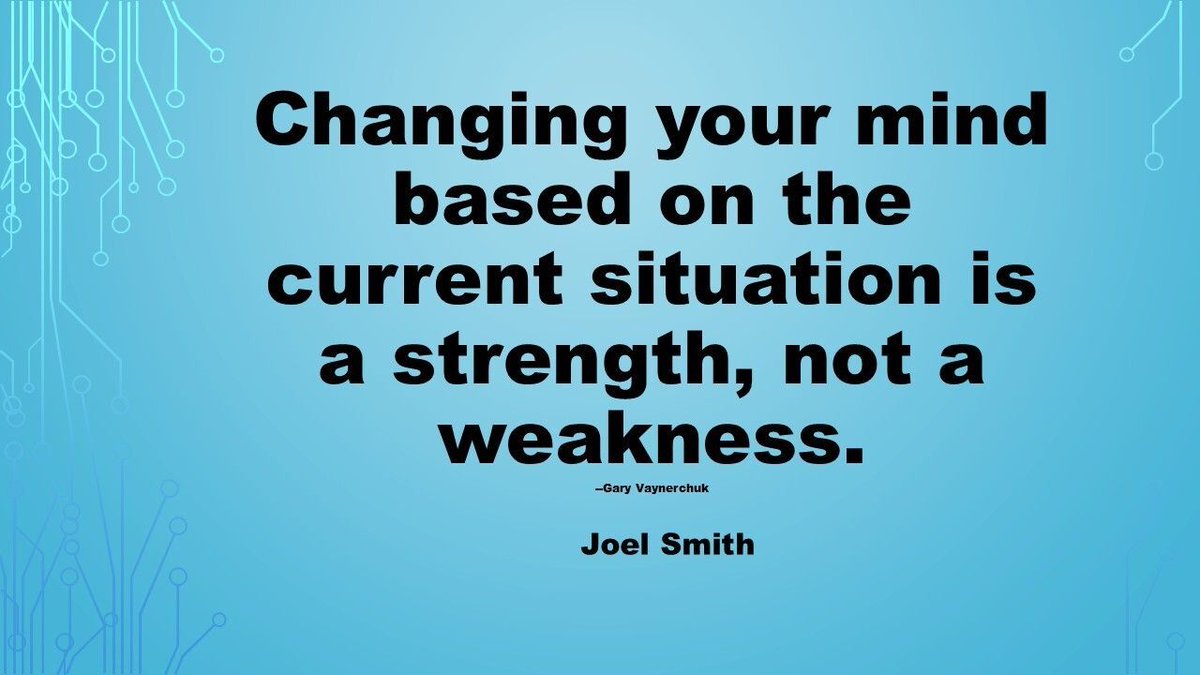
You make choices from the information you have in the moment. When new facts surface, it's okay to update your view and change direction. #GrowthMindset#Adaptability
Are you setting your team up to flourish or fail—flexible, encouraging, transparent and responsible, or pressured by authority and power? Effective leaders choose the former.
You might call yourself a leader, but if your team doesn't believe you care about their success, they won't see you that way. Their perspective is the real measure of your leadership. #Leadership#Team
It's okay to want to win and to be the best at what you do. But the person you should aim to beat is the one looking back at you in the mirror every day. #SelfImprovement#Growth
Permitting one employee's bad behavior often becomes how staff actually experience your company culture—more than any official statement. #CompanyCulture
Like Navy Seals, executive leaders need contingency plans. While a plan for every department may be impractical, the overall strategy must address employee hazards, operational failures, and market shifts. Leaders ensure plans are flexible so it can pivot.
Some professionals work around the clock; others need downtime. If you expect your team to mirror your habits, you risk burning out employees. Respect different work rhythms and promote healthy boundaries to preserve morale and productivity. #Leadership#HR
If your company has constant turnover and lower-than-expected revenue, you probably have an employee happiness problem. Leaders should probe the root cause and guarantee staff that honesty won’t bring retribution.
When a talented person leaves your team, they're not just walking away from a desk or a paycheck. They're escaping a void of appreciation — choosing dignity and self-respect over staying on your payroll. #Respect#Talent
Set ambitious goals: even if you fall short, you'll likely achieve something valuable. Low targets missed lead to failure. Aim high and push your capabilities—overshooting sparks more progress than playing it safe. Include bold objectives in your strategy. #leadership#growth
Encouraging ongoing learning, regular check-ins, and proactive communication helps prevent stagnation and keeps partnerships productive and resilient. #ProfessionalDevelopment#ClientSuccess
Managers often fix outcomes; leaders tackle root causes. When you solve a team member’s problem, you reinforce dependence and signal you’ll always step in. Instead, identify root causes, coach to build capability, and prevent repeat errors. #Leadership#Management
Your thinking, reactions, and interpretations shape your outcomes. You can’t change external events, but you can choose your attitude — and that choice creates opportunities, helps you overcome challenges, and steers you toward success. #Mindset
Even the best strategies fail not for weak ideas but poor execution. Leaders must pair plans with a robust execution roadmap: clear ownership, measurable milestones, timelines and accountability to turn strategy into tangible results. #Leadership#Strategy
Employees — not customers — are a company’s greatest asset. When organizations invest in wellbeing, development, and recognition, staff deliver exceptional customer experiences. Supporting policies, learning, and trust drive better service, higher retention, and stronger results.