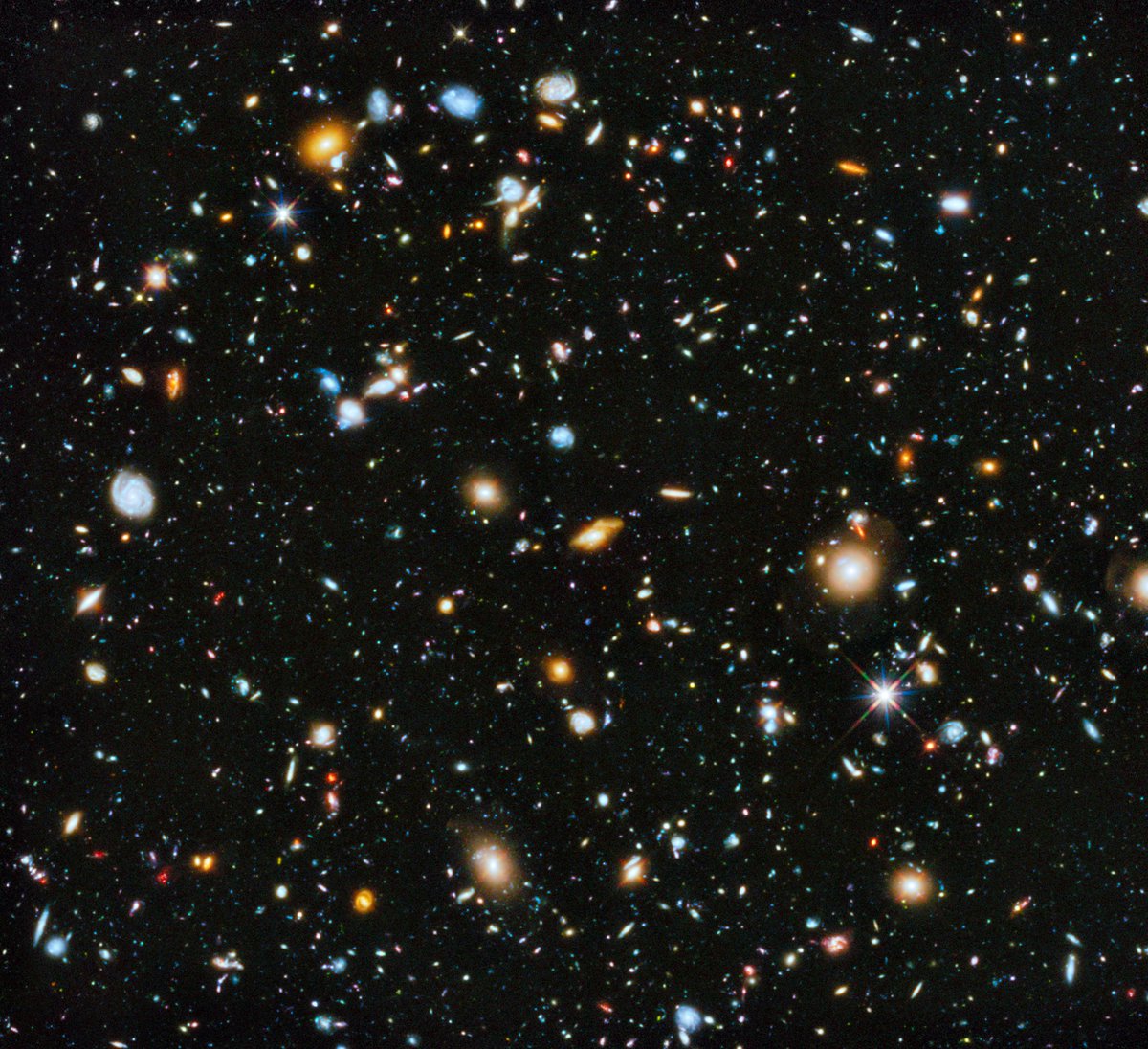
The Sun has only 22 galactic orbits left.
Earth races around the Sun at ~67,000 mph (107,000 km/h), giving us our familiar 365.25-day year and changing seasons.
But the Sun is in motion too—hurtling through the Milky Way at ~514,000 mph (828,000 km/h) on a grand orbit around the galactic center. One complete lap, known as a cosmic year, takes roughly 225–230 million years.
When the Sun finished its most recent galactic orbit, the earliest dinosaurs were just beginning to roam Earth.
Since its birth ~4.6 billion years ago, our star has completed about 20 such orbits.
Stellar models predict the Sun will keep fusing hydrogen in its core for another ~5 billion years before it swells into a red giant and eventually fades into a white dwarf. At its current orbital speed, that leaves roughly 22 more laps around the Milky Way.
Each cosmic year sweeps the entire Solar System tens of thousands of light-years across the galaxy—through dense spiral arms rich with star-forming regions, past ancient globular clusters, and amid countless other stars.
Continents drift, mountains rise and erode, entire species evolve and vanish—all within a tiny fraction of one galactic circuit.
Human civilization, from the first cities to today’s digital age, has existed for less than 0.001% of a single cosmic year.
We are passengers on a star halfway through its ~10-billion-year galactic journey across a 100,000-light-year-wide disk—witnessing just the briefest sliver of one ongoing lap in an unimaginably vast cosmic dance.
Ayer, POR PRIMERA VEZ, le enseñaron algo bueno a mi hija en la Universidad.
Una profesora informó a la clase que para evaluarles tendrían que hacer un trabajo práctico TODA LA CLASE JUNTOS (50)
Mi hija preguntó como diferenciará la nota, y la profesora respondió que todos tendrían la misma nota.
Le pregunto a mi hija qué piensa hacer, y me responde:
- "NADA EN ABSOLUTO" no voy a trabajar yo para que un vago tenga buena nota. Además no se atreverá a suspender a toda la clase.
Gracias profe por explicarle a mi hija lo malo que tiene el socialismo.
Solíamos pensar que nuestro hogar era un círculo. Luego, un cometa.
Ahora sabemos la verdad: vivimos dentro de un croissant cósmico. Esta es la heliosfera, la frontera irregular y eléctrica entre nosotros y la presión aplastante de la oscuridad infinita.
@VicenteVaro@claraalbaflores Creo que lo peor es el cambio de todas los pagos domiciliados. Yo he cambiado de cuenta hace poco y no es tan rápido. Además me tocó ir presencialmente a la oficina donde abrí la cuenta, a 600 km de donde vivo ahora…
COMPRENDIENDO (MÁS O MENOS) DISTANCIAS CÓSMICAS.
Uno de los conceptos, por contraintuitivo, más complicado de aprender es el de las distancias cósmicas. Cuando decimos que algo "está a x años luz" (a.l.) ¿hablamos de distancia o de tiempo pasado? ¿Está o "estuvo" a esa distancia?
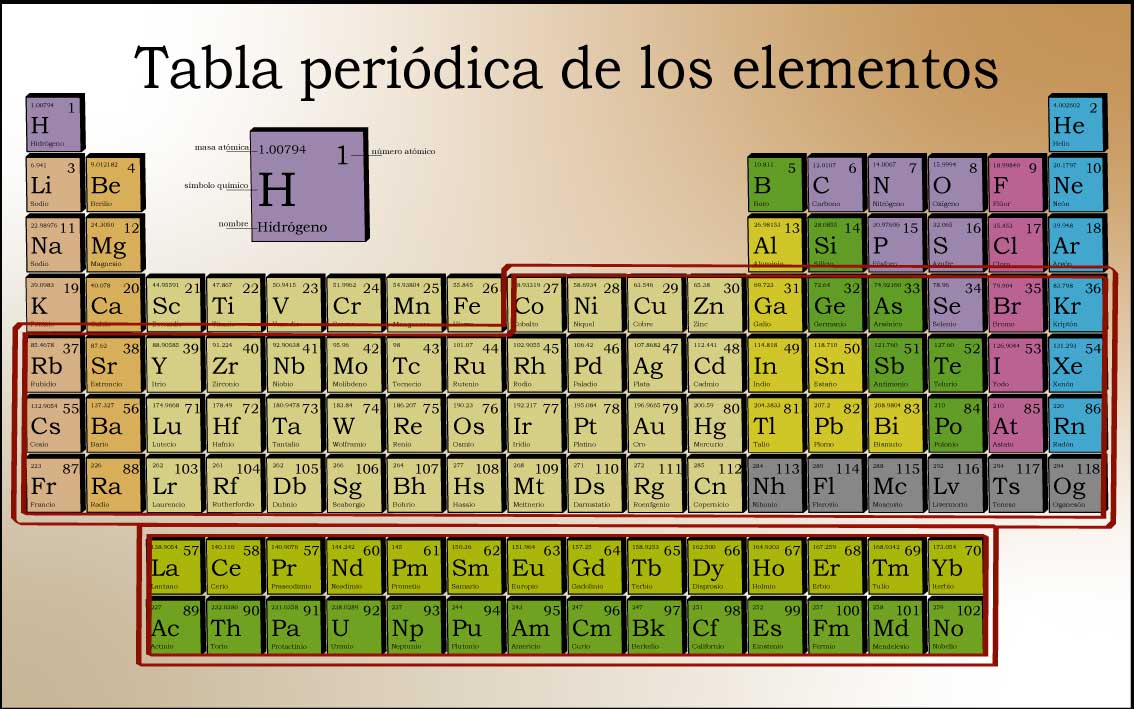
En los primeros instantes del universo se formaron los elementos más ligeros. En las reacciones de fusión nuclear de las estrellas se forman elementos hasta llegar al hierro. Entonces, ¿de dónde salen el resto de los elementos de la tabla periódica? Hablemos sobre ello.
Siempre que hablo de algo relacionado con misiones espaciales, se me forma una fila de gente para decir que para qué tanto gasto con la de cosas que hay que hacer en la Tierra. No es gasto, es inversión en conocimiento. Gasto es lo que vemos en estos tiempos de guerra.
RECAP
9 things you do that make you miserable:
1. Expect the world to make you happy
2. Can't forgive
3. Having expectations of people
4. Unrealistic standards of output
5. Mistake-avoiding
6. Seeking validation
7. Worrying
8. Taking feelings seriously
9. Terrified of boredom.