We appreciate feedback from the public especially court users. Reach us any time on our toll free line 0800111900/0800225587 to give us feedback about our services or staff. Help us to serve you better.
The Court of Appeal, sitting in Kampala, will next week conduct a two-day Criminal Appeals Session, during which 25 criminal appeals are scheduled to be heard. The session is slated to run from 18th to 19th August, 2026.
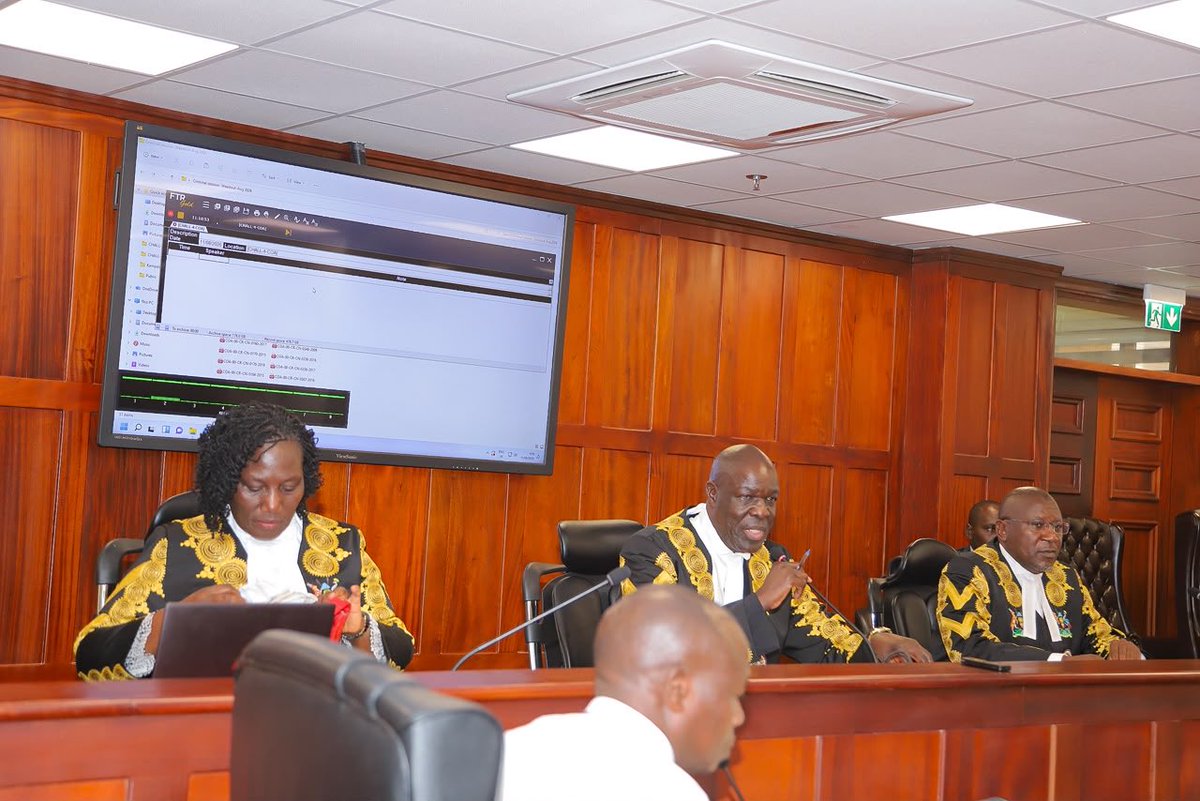
A panel of three Justices, comprising Justice Dr. Asa Mugenyi, Lady Justice Florence Nakachwa, and Lady Justice Stella Alibatesse, will preside over the session.
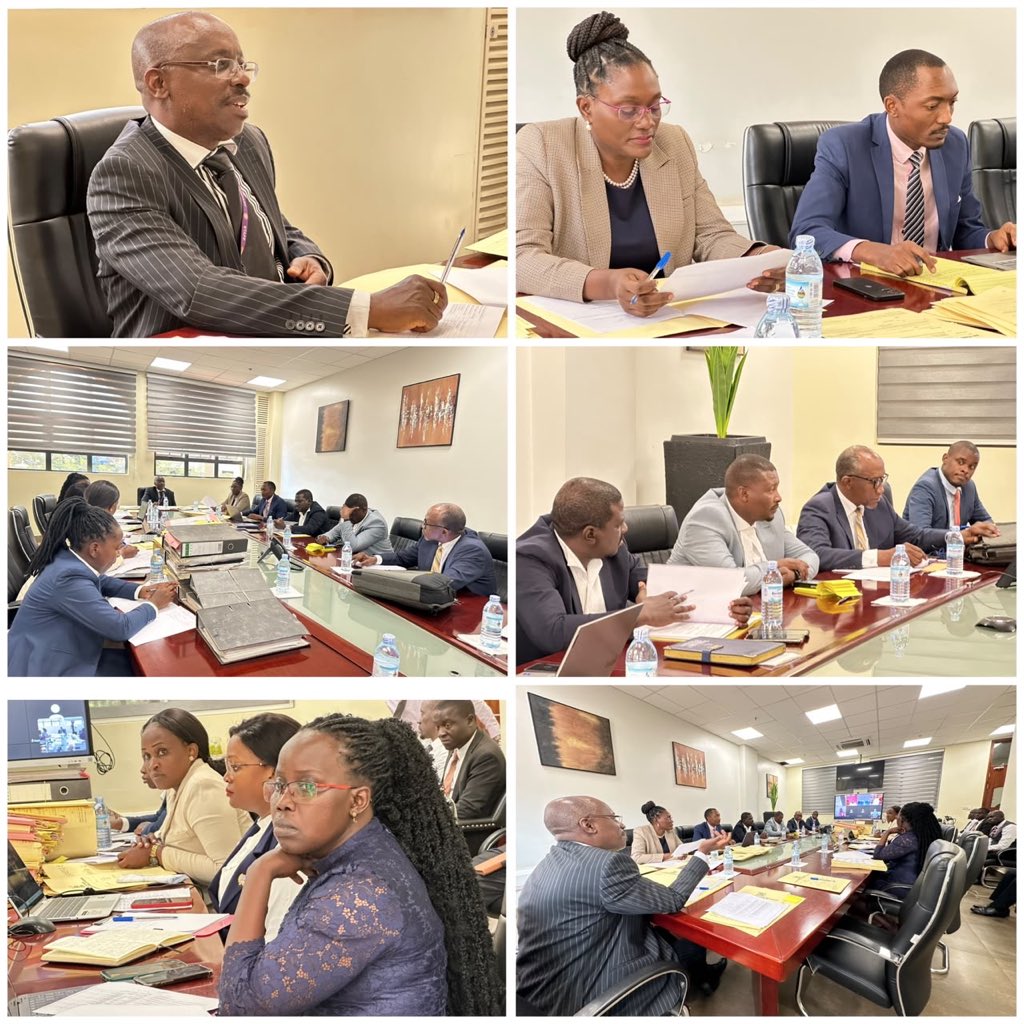
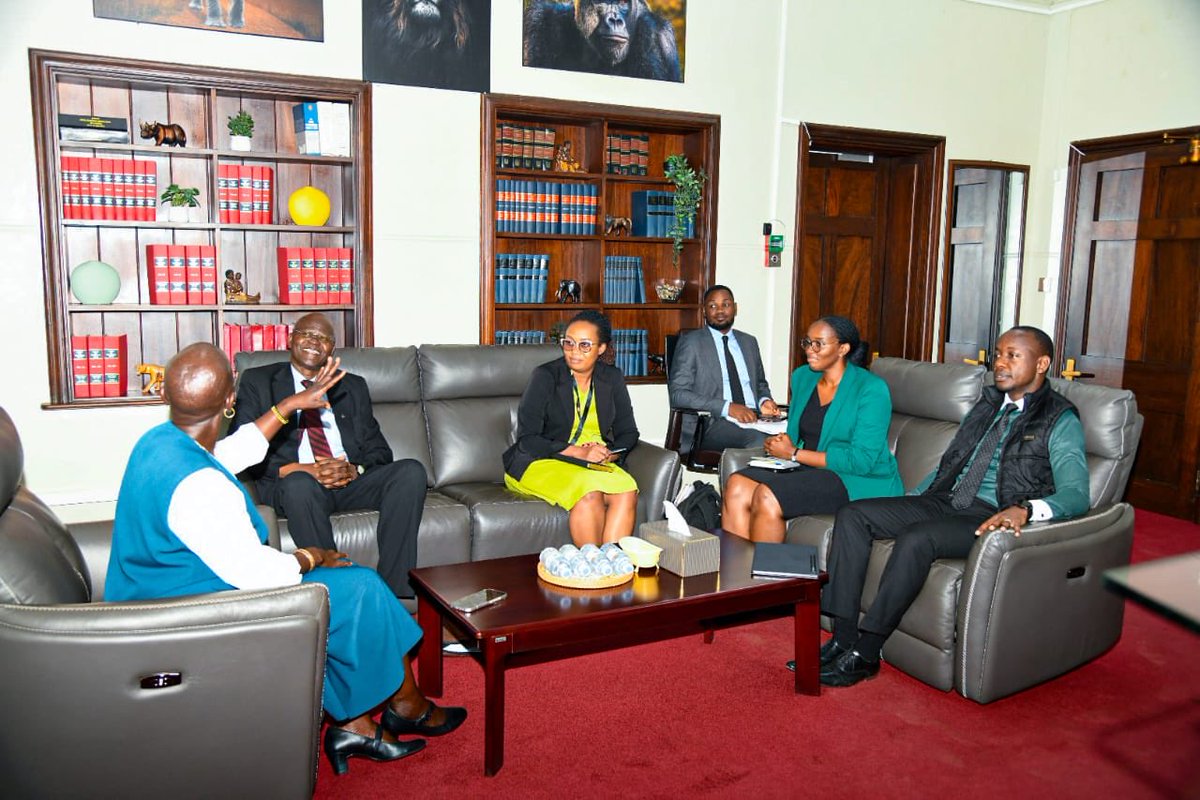
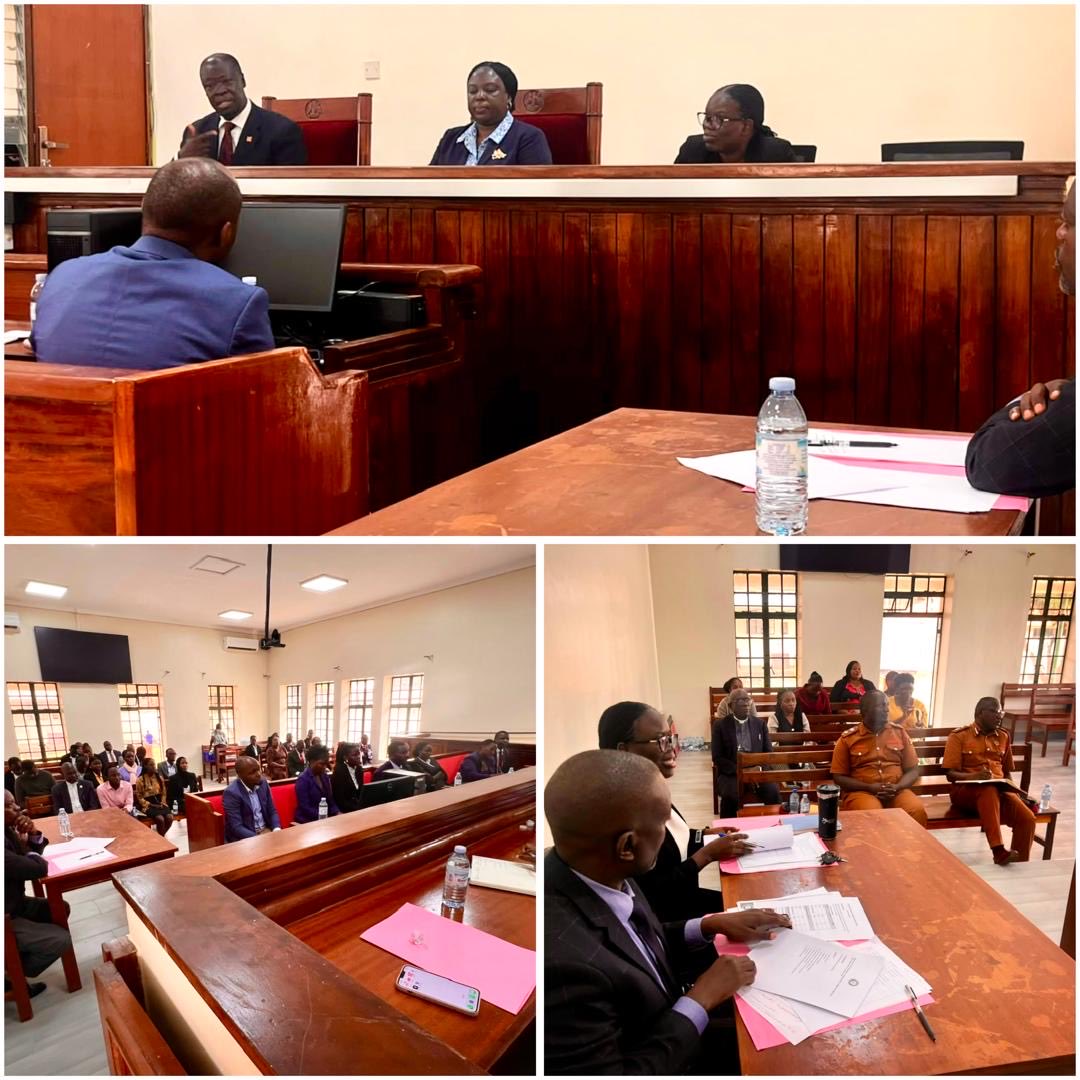
Ahead of the session, Justice Dr. Asa, Lady Justice Nakachwa (online) and Lady Justice Alibatesse today held a hybrid pre-hearing meeting at the Court of Appeal. The meeting was to assess readiness and identify any gaps that could hinder the smooth running of proceedings.
Present at the meeting were HW Sumaya Kasule-Rutahwire, HW Aloyo Jennifer, HW Matanda Abubaker Hassan (Research Magistrates attached to the presiding Justices), Mr. Martin Zziwa (Systems Administrator), and Ms. Atwine Charity (Clerk), among others.
The Office of the Director of Public Prosecutions (ODPP) was represented by Ms. Happiness Ainebyona (Chief State Attorney) while the appellants, currently held at Murchison Bay and Luzira prisons, attended virtually. Some of their legal representatives attended physically while others were online.
The cause list issued by HW Rukundo Allen Owembabazi (Registrar, Court of Appeal), indicates that Aggravated Defilement constitutes the majority of the appeals to be heard during the session, with 10 appeals. This is followed by murder, with eight appeals.
The Court will also handle three appeals seeking to quash convictions for aggravated robbery, two for diversion of public resources, and one appeal each for rape and robbery cases.
One appellant is challenging a death sentence for murder, while another is challenging a life sentence for aggravated defilement
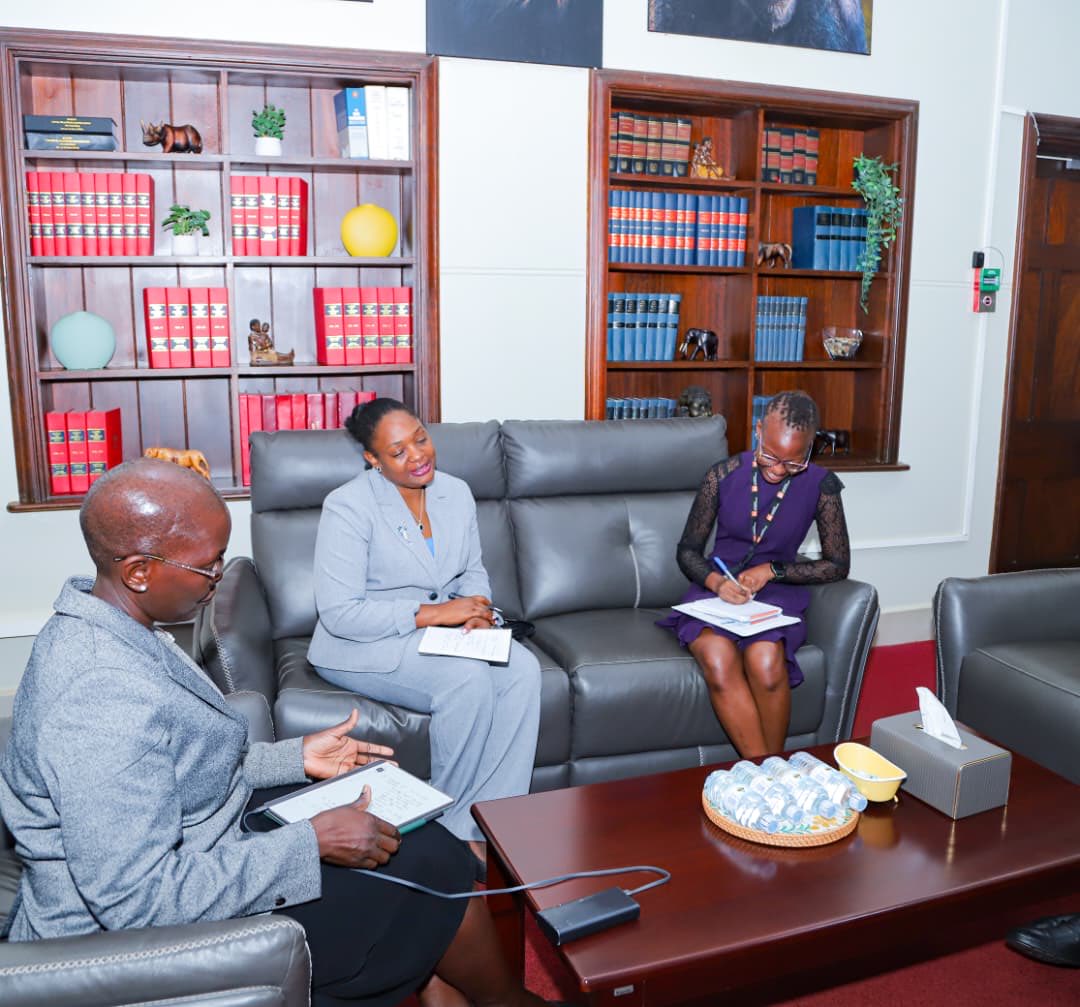
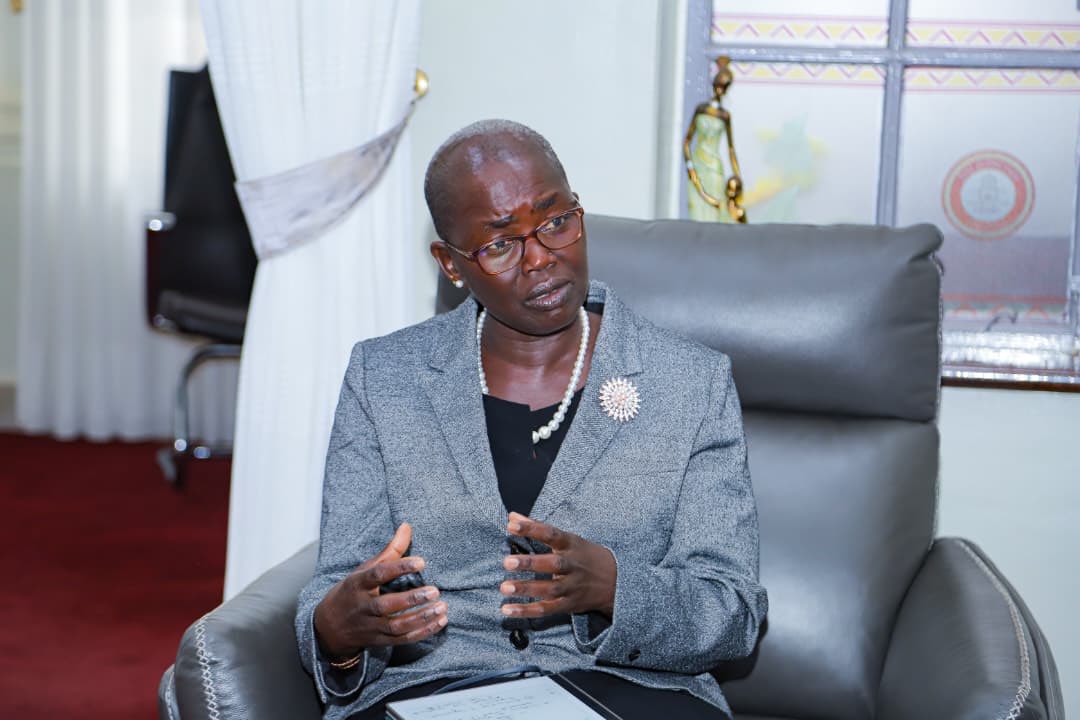
The Principal Judge, Lady Justice Jane Frances Abodo, earlier today met a team from the Government Analytical Laboratory (GAL) to discuss ways of strengthening collaboration and improving the use of forensic and scientific evidence in the administration of justice. The GAL team was led by the Chief Government Chemist, Mr Kepher Kuchana Kateu.
Discussions focused on strengthening cooperation between the Judiciary and GAL, particularly in the collection, preservation, analysis, presentation and utilisation of forensic evidence within Uganda’s justice system.
Lady Justice Abodo commended GAL for the significant work it undertakes in supporting the administration of justice and acknowledged the critical role scientific evidence plays in investigations and court proceedings.
She noted concerns regarding Police Form 17A (PF 17A) and the need to review and update it to make it responsive to the changing nature of crime as science and technology continue to evolve.
The Principal Judge called for open and continuous communication between the Judiciary and GAL to ensure timely and efficient support in cases requiring forensic and scientific expertise.
She also acknowledged concerns arising from court processes, including frequent adjournments and summons issued to expert witnesses at short notice, which can affect GAL’s operations. She pledged to engage the relevant Judiciary structures to address the challenges.
Lady Justice Abodo further indicated that the Judiciary would consider capacity-building initiatives involving Judicial Officers, prosecutors and other actors across the justice chain to strengthen their understanding and effective utilisation of forensic evidence.
Mr Kateu thanked the Principal Judge for convening the engagement, which he described as the first of its kind, and congratulated her on her appointment as Principal Judge.
He highlighted several challenges affecting GAL’s work, including the submission of inappropriate or inadequate exhibit materials, poor transportation and storage of exhibits, and improper management of crime scenes. He noted that these challenges can compromise the quality of evidence available for scientific analysis and, ultimately, its usefulness in court proceedings.
Mr Kateu also raised concerns about court attendance by expert witnesses, frequent adjournments and summons issued at short notice. He further highlighted the need to strengthen the protection of expert witnesses, particularly in high-profile and sensitive cases involving offences such as terrorism and narcotics.
He revealed that GAL receives approximately 400 new cases every week, with an average of five exhibits per case, placing considerable demands on the institution’s human, technical and financial resources.
Mr Kateu therefore called for stronger communication and coordination among the Judiciary, Office of the Director of Public Prosecutions, Criminal Investigations Directorate and Uganda Police Force to improve the handling of forensic evidence throughout the justice chain.
He also advocated for institutional capacity building through specialised training, enhancement of the skills of GAL experts and the Directorate’s participation in relevant Judiciary technical reviews.
The meeting underscored the interdependence between the courts and forensic experts and the need for improved coordination at every stage—from the management of crime scenes and preservation of exhibits to scientific analysis, presentation of expert evidence and its utilisation by courts.
In attendance; HW Ediger Nyakairu, Personal Assistant to the Principal Judge; Ms Diana Katiti, Principal Government Analyst; Mr Stephen S. Kibuuka, Principal Government Analyst; and Ms Cynthia Tumushabe, Government Analyst
Ongoing: The Court of Appeal in Kampala has commenced a two-day criminal appeals weed-out session aimed at cleaning up and updating its case data and establishing the accurate status of criminal matters pending before the Court.
The session started today, Tuesday, 11 August, and will conclude tomorrow, Wednesday, 12 August 2026. It is scheduled to handle 56 criminal appeals.
Proceedings are being presided over by a panel of three Justices headed by the Deputy Chief Justice, Justice Moses Kazibwe Kawumi, alongside Lady Justice Margaret Tibulya and Justice Musa Ssekaana.
According to the cause list issued by the Registrar Court of Appeal, HW Rukundo Allen Owembabazi, murder accounts for the highest number of matters listed for the exercise, with 15 appeals, followed by defilement with 11.
Aggravated defilement accounts for six appeals, while rape accounts for five. Manslaughter, aggravated robbery, obtaining money by false pretence, forgery and causing financial loss account for two appeals each.
The Court will also handle one appeal each relating to robbery, simple robbery, abuse of office, fabricating evidence, uttering false documents, possession of narcotics, assault causing bodily harm and grievous harm.
Matters listed for the session were filed between 2009 and 2026, reflecting cases of varying ages on the Court’s criminal appeals register.
Present in Court are Research Magistrates attached to the Justices on the panel, representatives from the Office of the Director of Public Prosecutions, Uganda Prisons service, defense Counsel and appellants.
In attendance is Mr. Simon Peter Semalemba (Assistant Director of Public Prosecutions), Superintendent of Prisons Kobusinge May, Advocates; Mr Muhammad Mbalile, and Mr Timothy Niwamanya, among others.
The weed-out exercise is part of the Court of Appeal’s ongoing efforts to strengthen case management, improve the integrity of its case data, address case backlog and promote the timely delivery of justice
It is also intended to enable the Court to verify the status of the listed appeals, identify matters that may no longer require substantive hearing, reconcile court records and ensure that its criminal appeals data accurately reflects the cases that remain pending
The Judiciary Public Relations Officer, HW James Ereemye Jumire Mawanda, was this morning hosted on UBC TV, where he shared insights into the Sixth Judiciary Strategic Plan.
The Plan provides the roadmap for strengthening the administration of justice over the next five years, building on gains made under the Fifth Judiciary Strategic Plan while addressing persistent and emerging challenges in justice delivery.
Catch the full discussion here:
https://t.co/poQp5ynDt4
The outgoing Ambassador of Sweden to Uganda, Ms Maria Håkansson, yesterday paid a farewell courtesy call on the Deputy Chief Justice, Justice Moses Kazibwe Kawumi, at the Court of Appeal in Kampala.
Ms Håkansson was accompanied by Ms Charity Ahumuza, Programme Officer for Democracy and Human Rights. Also present were HW Faisal Mulalira, Private Legal Secretary to the Deputy Chief Justice, and HW Brian Mwanja, Personal Assistant to the Deputy Chief Justice.
During the meeting, Ms Håkansson congratulated Justice Kazibwe on his appointment as Deputy Chief Justice and reflected on Sweden’s longstanding partnership with the Judiciary and Uganda’s justice sector.
She expressed appreciation for the cooperation maintained over the years and highlighted Sweden’s support towards strengthening access to justice, including through the former Justice, Law and Order Sector (JLOS). She noted that the Embassy also works with various development partners, including the United Nations Development Programme (UNDP) and the International Development Law Organization (IDLO), to advance justice and human rights initiatives.
Ms Håkansson said Sweden’s commitment to access to justice is rooted in the belief that an effective justice system is essential to good governance, democracy and sustainable development. She said the Embassy would continue exploring opportunities for collaboration with the Judiciary and other justice-sector institutions.
“We will continue, and I’m sure when my successor comes, she will come for her introductory meeting with the Judiciary. Then you can continue discussing your priorities and how you can meet them,” she said.
The Ambassador particularly highlighted Sweden’s interest in improving access to justice for children and young people. Drawing from her visits to remand homes and rehabilitation centres in Uganda, including Kampiringisa Rehabilitation Centre, she underscored the importance of ensuring that children in conflict with the law receive appropriate support and rehabilitation.
“Children in conflict with the law should have an opportunity to change their lives, receive the support they need to make different choices, and return to a normal, positive life,” she said.
Ms Håkansson also welcomed prospects for strengthening collaboration with the Judiciary in the training and capacity building of Judicial Officers. She identified environment and land matters among areas of particular interest, noting that land disputes contribute significantly to the caseload before the courts.
She further pointed to oil and gas, infrastructure development and environmental matters as emerging areas requiring specialised judicial knowledge and expertise. She emphasised the importance of specialised training to strengthen the capacity of justice-sector actors to effectively handle increasingly complex litigation arising from these sectors.
Ms Håkansson also expressed appreciation to the Chief Justice, Justice Dr Flavian Zeija, for facilitating continued collaboration with the Judiciary and commended his openness to engagement on matters of mutual interest.
In his remarks, Justice Kazibwe commended the longstanding relationship between the Judiciary and the Embassy of Sweden in Uganda, describing Sweden as one of the Judiciary’s strong development partners.
He thanked the Embassy for its contribution to strengthening justice delivery, particularly its support towards video-conferencing facilities, which he said had significantly improved access to justice.
The Deputy Chief Justice observed that, considering the distances some litigants have to travel, the associated costs and the time involved in accessing courts, video conferencing had provided an important alternative for court users
The Deputy Head of Mission at the Embassy of the Kingdom of the Netherlands in Uganda, Mr Bouwe-Jan Smeding, yesterday paid a courtesy call on the Deputy Chief Justice, Justice Moses Kazibwe Kawumi, at the Court of Appeal in Kampala.
Mr Smeding was accompanied by Ms Grace Babihuga, Governance Advisor at the Netherlands Embassy. Also present were HW Faisal Mulalira, Private Legal Secretary to the Deputy Chief Justice, and HW Brian Mwanja, Personal Assistant to the Deputy Chief Justice.
During the meeting, Mr Smeding highlighted the longstanding partnership between the Embassy of the Kingdom of the Netherlands and Uganda’s Judiciary, noting that the cooperation has supported several initiatives aimed at strengthening the administration of justice and improving access to justice.
He briefed the Deputy Chief Justice on programmes currently receiving support from the Embassy in the justice sector, including the construction of a court in Terego and a Gender-Based Violence Centre in Nsambya, Kampala.
Mr Smeding also identified remand homes as an area that could be considered for further support, particularly given their critical role in the administration of juvenile justice. He emphasised the importance of improving conditions and rehabilitation opportunities for children in conflict with the law to enhance their prospects of successfully reintegrating into society.
Turning to case backlog, Mr Smeding noted that reducing the number of pending cases remains an important priority and identified plea bargaining as one of the interventions that could contribute to faster disposal of criminal cases.
He, however, emphasised that plea bargaining must be undertaken by competent and adequately prepared justice actors, including Judicial Officers and State Attorneys, to ensure that the process achieves its intended purpose while safeguarding the interests of justice.
Mr Smeding said the Netherlands Embassy would continue working with Uganda through annual planning and funding arrangements to ensure its support remains aligned with national priorities. He also stressed the importance of maintaining momentum in the implementation of ongoing programmes and ensuring that administrative processes do not unnecessarily delay agreed interventions.
Beyond the Judiciary, he highlighted the Netherlands’ broader cooperation with Uganda in areas including agriculture, sexual and reproductive health and rights, refugee response, trade and investment, and private-sector development. He noted, in particular, support to small and medium-sized farmers and cooperatives, as well as continued investment by Dutch businesses in Uganda’s agricultural sector.
Mr Smeding further identified commercial justice as an important area of cooperation, observing that the efficient resolution of commercial and land disputes is critical to creating an enabling environment for businesses and investment.
In his remarks, the Deputy Chief Justice highlighted the progress made by the Judiciary over the years, including improvements in case management and interventions aimed at addressing gender-related justice issues.
On plea bargaining, Justice Kazibwe underscored the importance of adequate preparation before cases are presented for plea negotiations. He said Judicial Officers, State Attorneys and other actors involved in the process should study the case files beforehand to identify and address outstanding issues before matters come before court.
He further emphasised the need to ensure that plea bargaining is properly managed and that an accused person’s voluntary acceptance of responsibility remains an important consideration in the process.
The Deputy Chief Justice also highlighted Alternative Dispute Resolution (ADR) as a critical intervention in tackling case backlog, particularly in civil matters. He observed that ADR provides parties with an opportunity to resolve disputes
The Court of Appeal in Kampala is set to conduct a two-day criminal appeals weed-out session as part of efforts to clean up and update its case data and establish the accurate status of criminal matters pending before the Court.
The session, scheduled for Tuesday, 11 August to Wednesday, 12 August 2026, will handle 56 criminal appeals.
Proceedings will be presided over by a panel of three Justices headed by the Deputy Chief Justice, Justice Moses Kazibwe Kawumi, alongside Lady Justice Margaret Tibulya and Justice Musa Ssekaana.
According to the cause list issued by the Registrar Court of Appeal, HW Rukundo Allen Owembabazi, murder accounts for the highest number of matters listed for the exercise, with 15 appeals, followed by defilement with 11. Aggravated defilement accounts for six appeals, while rape accounts for five.
Manslaughter, aggravated robbery, obtaining money by false pretence, forgery and causing financial loss account for two appeals each.
The Court will also handle one appeal each relating to robbery, simple robbery, abuse of office, fabricating evidence, uttering false documents, possession of narcotics, assault causing bodily harm and grievous harm.
The matters listed for the session were filed between 2009 and 2026, reflecting cases of varying ages on the Court’s criminal appeals register.
The weed-out exercise is intended to enable the Court to verify the status of the listed appeals, identify matters that may no longer require substantive hearing, reconcile court records and ensure that its criminal appeals data accurately reflects the cases that remain pending.
The exercise is part of the Court of Appeal’s ongoing efforts to strengthen case management, improve the integrity of its case data, address case backlog and promote the timely delivery of justice
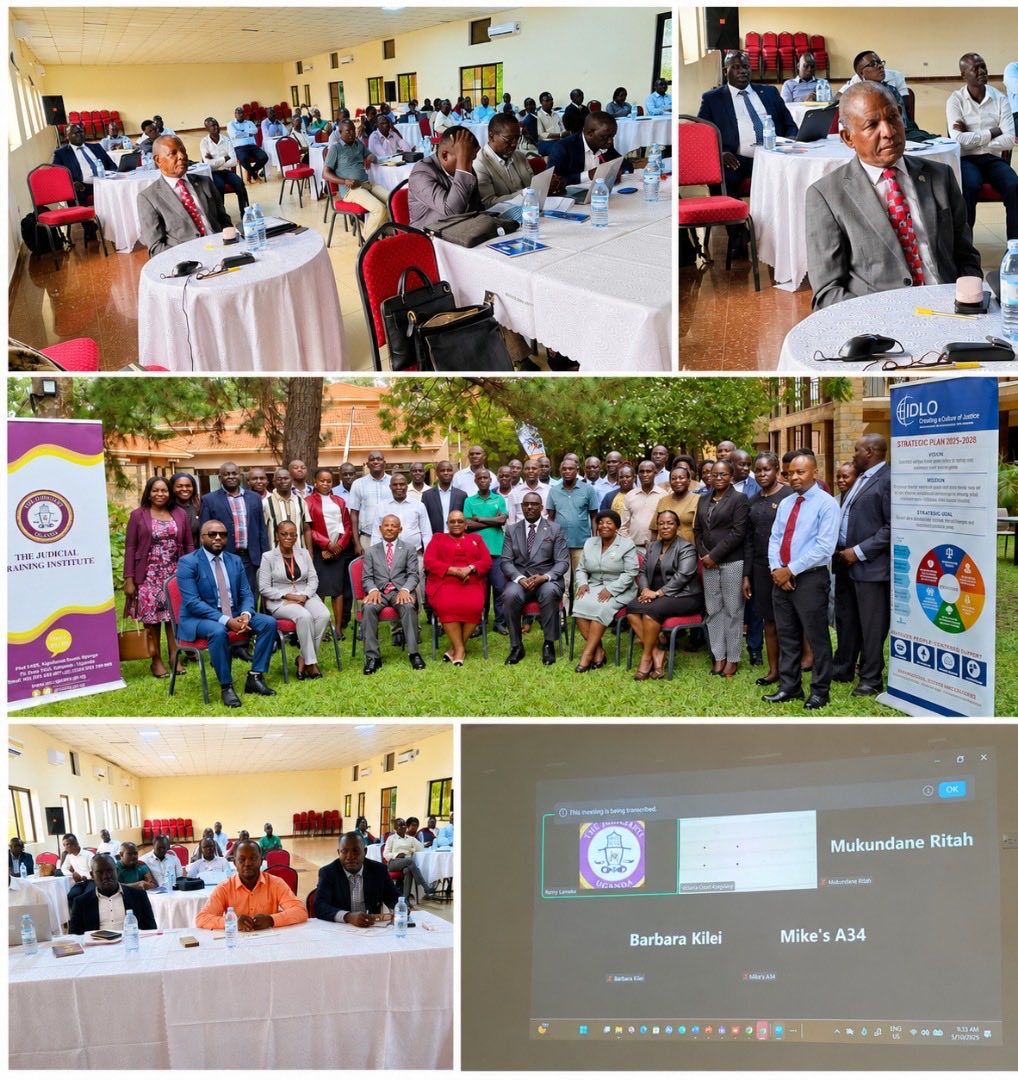
The Judicial Training Institute (JTI), in collaboration with the Ministry of Gender, Labour and Social Development (MGLSD) and the Industrial Court, with support from the International Development Law Organization (IDLO), has commenced a four-day regional capacity-building programme for Labour Officers in the Northern Region.
The training, being held at Acholi Inn Hotel in Gulu, is aimed at strengthening labour justice, improving workplace dispute resolution and enhancing the effective enforcement of labour laws. Notably present is Justice Asaph Ruhinda Ntengye, retired Judge of the Industrial Court, together with judicial officers from the Industrial Court and JTI.
The programme brings together Labour Officers to strengthen their practical knowledge and skills in conciliation, mediation, arbitration, labour inspection, case management and the application of Uganda’s labour laws.
Officially opening the training virtually, the Chairperson of the JTI Governing Council and Justice of the Supreme Court, Justice Mike Chibita, emphasised the central role of Labour Officers in promoting fair and productive labour relations.
Justice Chibita observed that labour relations should not be viewed merely as a contest between employers and employees, but as a framework for cooperation, fairness, productivity and sustainable economic development.
He noted that Uganda’s growing labour force, coupled with the significant contribution of the informal economy, presents both opportunities and responsibilities for institutions involved in labour administration. He emphasised the need to maintain a fair and sustainable balance between protecting the rights and dignity of workers and enabling employers to remain productive, competitive and capable of creating and sustaining employment.
Justice Chibita described Labour Officers as an important first point of contact when employment relationships break down, noting that their intervention can determine whether a dispute is resolved promptly and fairly or develops into prolonged litigation.
He stressed that the effectiveness of Uganda’s labour justice system depends significantly on the competence, independence, fairness and practical problem-solving abilities of Labour Officers.
He further highlighted the important relationship between Labour Officers and the Industrial Court in the administration of labour justice. He noted that the Industrial Court has developed jurisprudence addressing issues including fair termination, disciplinary procedures, redundancy, discrimination, collective bargaining, contractual obligations and procedural fairness.
Justice Chibita encouraged participants to make use of the Uganda Legal Information Institute (ULII) and other available legal resources to remain abreast of developments in labour law and promote consistency and legal certainty in the handling of disputes.
He also urged the Labour Officers to use the training as a platform for practical engagement, sharing experiences and interrogating the challenges they encounter in the field.
The Executive Director of JTI, Justice Prof. Andrew Khaukha, who also addressed participants virtually, said the programme was the second training for Labour Officers and forms part of JTI’s broader programme to strengthen the capacity of different actors in the administration of justice.
Justice Khaukha observed that Labour Officers are the first point of call in the resolution of labour disputes and therefore require continuous retooling to effectively discharge their responsibilities.
He said the training had been jointly developed by JTI and the Industrial Court, with support from IDLO, following recognition of the need for continued learning and capacity enhancement among Labour Officers nationally.
These challenges contribute to unnecessary referrals of matters to the Industrial Court, increasing the burden on the Court while delaying the resolution of disputes that could be addressed at the Labour Officer level
Following the go-live of the Electronic Court Case Management Information System (ECCMIS) on August 3, Wakiso Chief Magistrate’s Court has registered positive strides in its transition from manual processes to a paperless court environment.
Wakiso Chief Magistrate’s Court is among the Cluster 9 courts that went live on ECCMIS on August 3, alongside courts under the Gulu High Court Circuit.
The Chief Magistrate of the Court, HW Naume Sikhoya, expressed excitement about the transition and appreciation to the Judiciary leadership for including Wakiso Chief Magistrate’s Court among the Cluster 9 courts earmarked for ECCMIS implementation.
She noted that the transition was particularly significant because Wakiso High Court, where appeals from the Court are handled, was already operating on ECCMIS, while the lower court had continued to operate manually.
HW Sikhoya pledged her full support and that of the entire court team towards the successful implementation of ECCMIS, noting that the system will enhance efficiency and improve service delivery to court users.
To support the transition, an ECCMIS Technical Team led by Senior Systems Administrator Ms Flavia Chandiru and Systems Administrator Ms Samalie Nakabanda has camped at the Court to provide hands-on technical support and guidance.
The team is supporting judicial officers and court staff in the practical use of the S XP ystem while also supporting litigants and other court users to navigate the new electronic processes.
The on-site support is intended to address emerging challenges in real time, build users’ confidence in the system and ensure a smooth transition to a paperless working environment
The Principal Judge, Lady Justice Jane Frances Abodo, this morning met Ms Claire Birungi Agaba, an Information, Counselling and Legal Assistance Specialist with the Norwegian Refugee Council (NRC), for discussions on a proposal to conduct special High Court criminal sessions targeting refugee and asylum-seeker cases.
The proposed sessions are intended to be held in Kampala and the High Court Circuits of Mbarara and Mubende, with the aim of expediting the hearing and disposal of refugee and asylum-seeker cases that are ready for trial.
Lady Justice Abodo welcomed the proposed partnership and commended NRC for taking an interest in supporting the administration of justice for refugees and asylum seekers.
She noted that the initiative complements the Judiciary’s core mandate of delivering justice to all people and has the potential to address some of the challenges associated with the handling of refugee-related cases.
The Principal Judge, however, emphasised the importance of undertaking comprehensive pre-session preparations to establish the actual situation on the ground, identify existing challenges and determine appropriate interventions before the commencement of the sessions.
She said the findings from the preparatory process would help the Judiciary and its partners set the pace for the initiative and develop an appropriate mechanism for monitoring and evaluating the effectiveness of the sessions.
Lady Justice Abodo proposed pre-session technical verification meetings involving the Judiciary, Office of the Director of Public Prosecutions, Uganda Prisons Service, defence and legal aid actors, and NRC. The meetings would, among other things, verify committal papers, indictments, availability of witnesses and interpreters, legal representation, prisoner production arrangements and completeness of case files.
She reiterated the Judiciary’s openness to the proposed sessions, noting that the intervention would help refugees and host communities access fair and timely justice while strengthening public confidence in the justice system.
The Registrar High Court, HW Prossy Katushabe, welcomed the proposal and provided guidance on the funding modalities and case-management arrangements for the proposed sessions.
She underscored the need to bring all relevant criminal justice stakeholders on board and recommended sensitising refugees about their respective cases and court processes to facilitate the smooth conduct of the sessions.
Ms Agaba requested the Principal Judge to consider approving and scheduling special High Court criminal sessions in the three proposed locations to address identified refugee and asylum-seeker cases that are ready for trial.
Under the proposal, approximately 80 per cent of the cases on the session cause lists would comprise refugee and asylum-seeker matters, while about 20 per cent would be cases involving members of the host communities. The selection of host-community cases would be undertaken in accordance with the Judiciary’s guidance.
Ms Agaba further indicated that, subject to prior agreement with the Judiciary and applicable procedures, NRC is prepared to meet agreed and eligible operational costs required to facilitate the sessions through a jointly developed and costed implementation plan.
In attendance was HW Edger Nyakairu, Personal Assistant to the Principal Judge
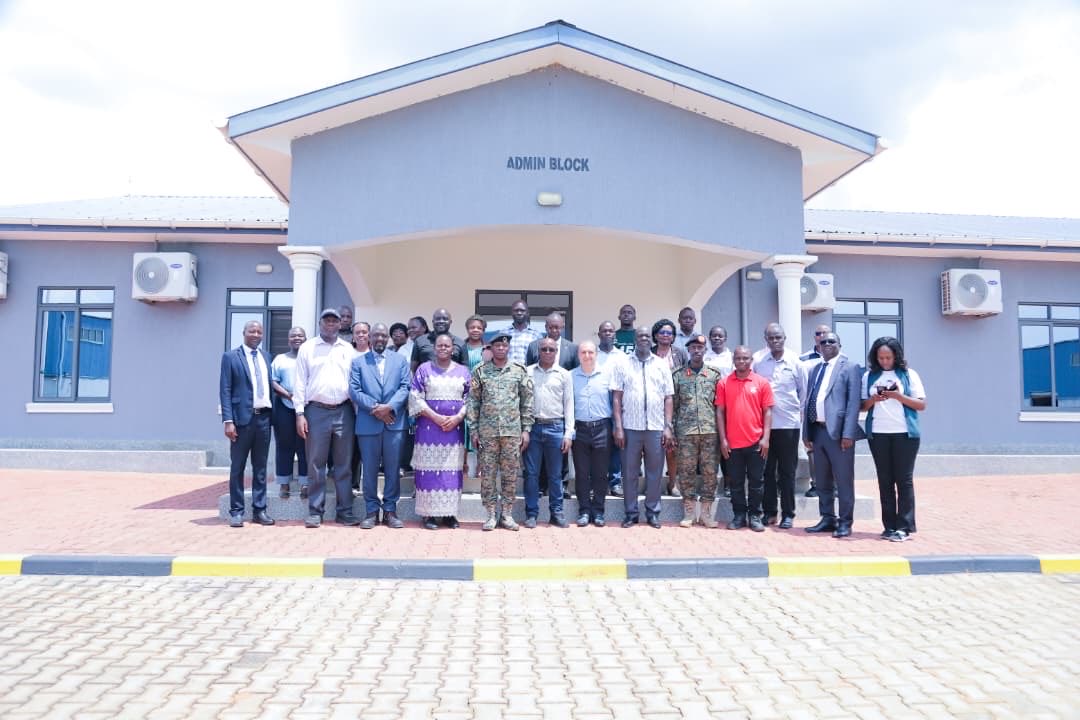
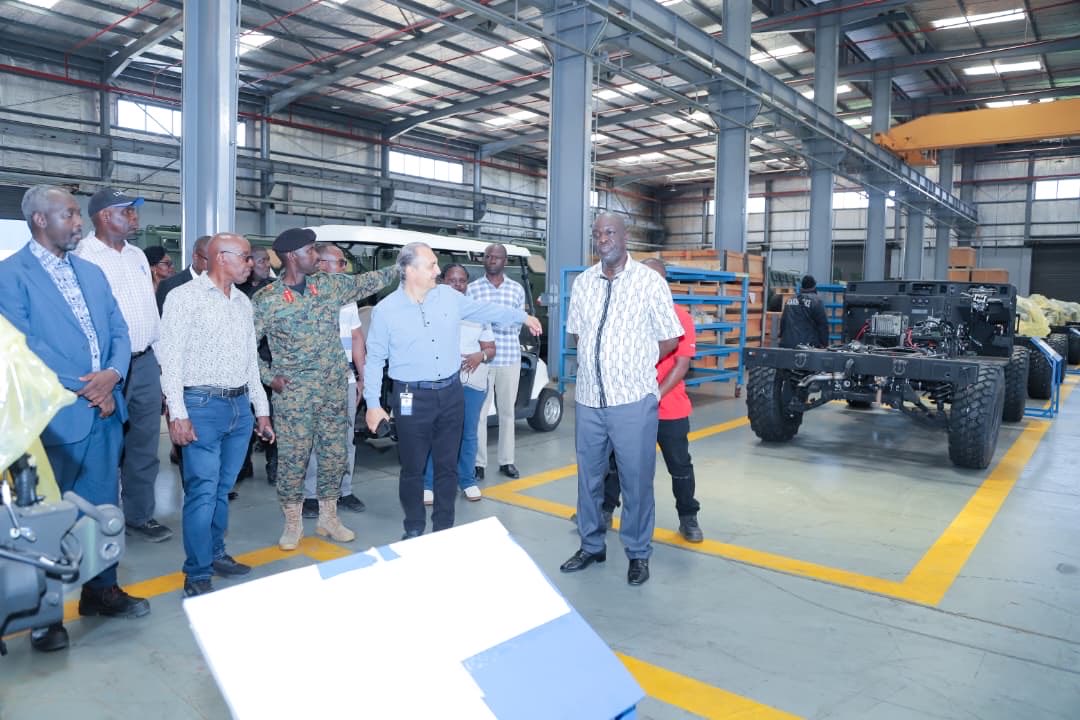
Earlier, the Chief Justice, Justice Dr Flavian Zeija led a Judiciary delegation on a tour of Luwero Industries Limited (LIL) in Nakasongola District, where he commended the institution’s contribution to Uganda’s industrialisation, innovation and national development.
The delegation comprised the Deputy Chief Justice, Justice Moses Kazibwe Kawumi; Justices and Judges and members of senior management. They were received by Major General Steven Sabiiti Muzeyi, General Manager of Luwero Industries Limited, who led them on a guided tour of the facility.
Luwero Industries Limited is a key manufacturing and engineering subsidiary of the National Enterprise Corporation (NEC), the commercial arm of the Ministry of Defence and Veteran Affairs (MODVA) and the Uganda People’s Defence Forces (UPDF).
During a briefing, Major General Sabiiti Muzeyi outlined the history and strategic role of the company, explaining that it was established in 1989 and officially commissioned in 1994. He noted that the company has grown into a major industrial hub supporting Uganda’s defence and civilian sectors through the manufacture, repair and maintenance of ordnance, armoured vehicles and electronic equipment.
He further highlighted the company’s diversified operations, which include the production of medical-grade oxygen for health facilities, manufacture of agricultural machinery and mechanical implements, and partnerships with institutions such as Kiira Motors Corporation in the assembly of electric and diesel buses aimed at advancing local automotive manufacturing.
Following the briefing, the delegation toured various sections of the facility, where officials demonstrated the company’s manufacturing processes, engineering capabilities and research initiatives.
The team visited research and innovation centres designed to nurture and develop new technologies into practical industrial solutions before proceeding to the armoured vehicle assembly section, where they observed the assembly process and learnt about the rigorous testing procedures undertaken to ensure the vehicles meet operational and road-use standards.
The delegation also toured the aircraft maintenance hangar, where engineers demonstrated how aircraft are repaired, refurbished, upgraded and maintained to enhance operational capability and extend their service life.
Speaking at the conclusion of the visit, Chief Justice Justice Dr Flavian Zeija expressed appreciation to the management and staff of Luwero Industries Limited for hosting the Judiciary delegation and exposing them to Uganda’s growing industrial capabilities.
“I want to thank you for hosting us and for showing us what is happening in this country. We have seen the tremendous work you are doing and the progress being made. Keep it up and continue moving forward. Thank you,” the Chief Justice said
The Chief Justice, Justice Dr Flavian Zeija has unveiled an ambitious vision for the establishment of a state-of-the-art Judicial Training Institute (JTI) in Nakasongola District, describing it as a future centre of excellence that will transform judicial education, strengthen institutional capacity and position Uganda’s Judiciary among the leading judicial institutions in the region.
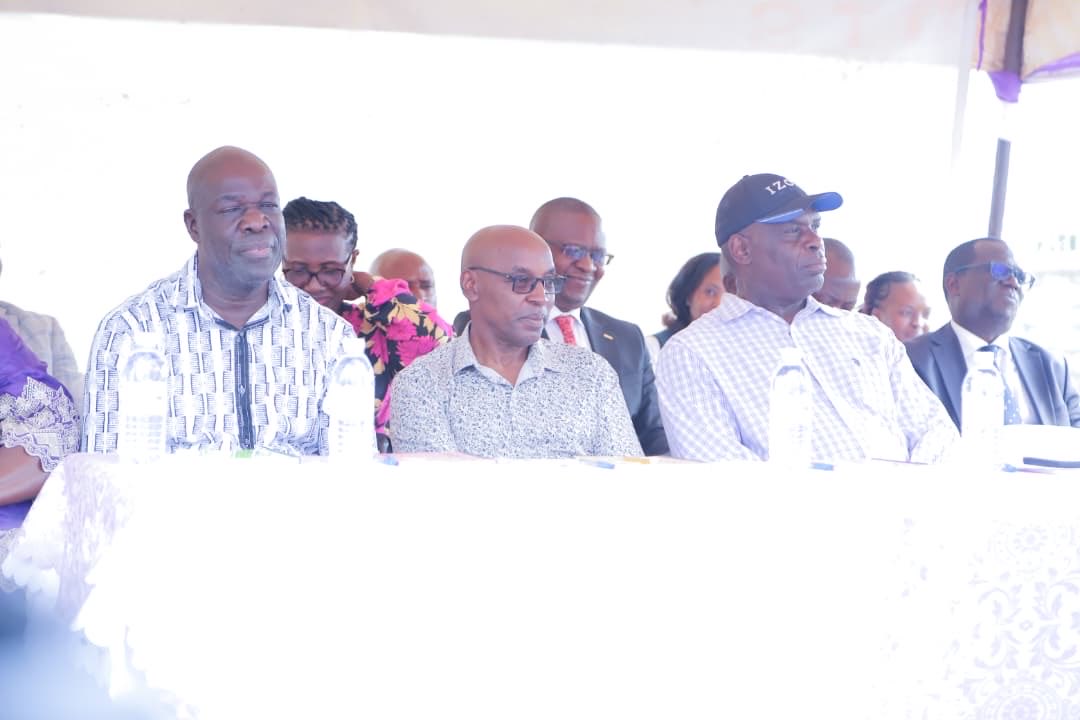
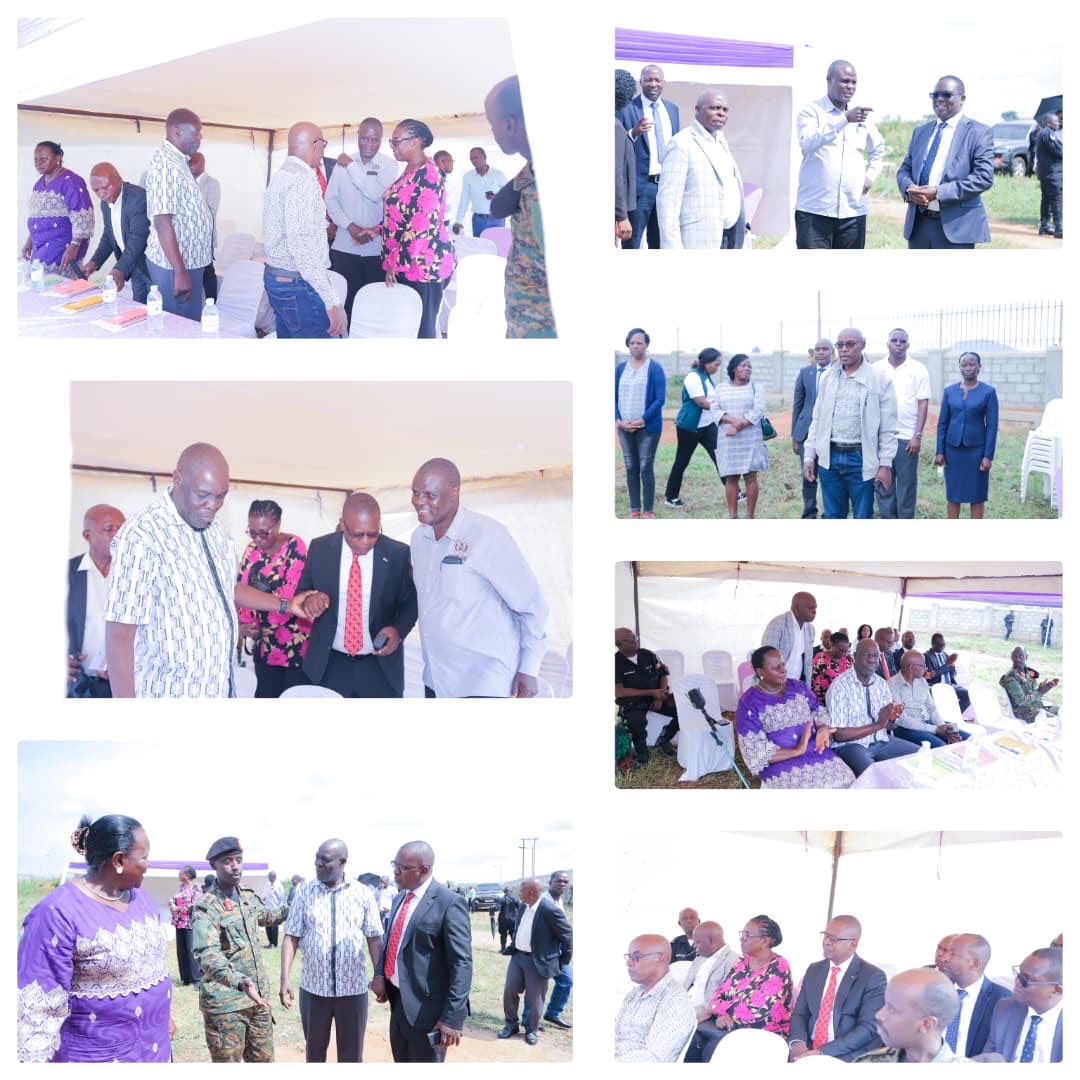
The Chief Justice shared the vision during a site visit to the 17-acre piece of land earmarked for the Institute. He also met officials from the National Enterprise Corporation (NEC), the Judicial Training Institute, Judiciary leadership and Nakasongola District Local Government ahead of the commencement of construction works.
The visit was intended to provide NEC, which is expected to undertake the construction of the facility, with a clear understanding of the Judiciary’s expectations and the scope of infrastructure to be incorporated into the master plan.
Welcoming participants, the Chief Justice described the site as the future home of Uganda’s premier judicial academy. “I welcome you all to this historic piece of land here in Nakasongola. We are gathered on the very foundation of what will soon become the intellectual and professional powerhouse of Uganda’s third arm of Government.”
Justice Zeija said the institute should go beyond conventional training facilities to become a fully-fledged residential judicial academy equipped with a modern auditorium, multiple breakout rooms, a model court for practical judicial training, a health centre, gymnasium, swimming pool, residential accommodation and other world-class amenities capable of supporting continuous professional development for judicial officers.
He noted that judiciaries across the world have recognised continuous judicial education as a cornerstone of judicial excellence and have invested heavily in specialised academies to equip judicial officers with the knowledge, skills and competencies required to respond to the evolving demands of justice administration.“Uganda cannot and will not be left behind,” he said.
The Chief Justice explained that the idea of establishing a permanent Judicial Training Institute was conceived during his tenure as Principal Judge, following a benchmarking visit to Kenya and Tanzania undertaken together with the then Chief Justice Emeritus to study established judicial training institutions in the region.
He said the delegation was particularly inspired by Kenya’s Judicial Training Institute and Tanzania’s Judicial Academy in Lushoto, which sits on more than 50 acres and operates as a residential judicial academy with a permanent faculty and a robust legal framework.
“Driven by what I saw in Tanzania, I came straight to Nakasongola upon my return and engaged the district leadership on the idea of establishing a world-class judicial training institute here,” Justice Zeija recalled.
He expressed appreciation to the Nakasongola District Local Government for donating the 17-acre site but appealed for additional land to enable the Judiciary to develop an institution comparable to leading judicial academies in the region.
The Chief Justice observed that the project would extend benefits far beyond the Judiciary by creating employment opportunities, stimulating business activity and contributing to the socio-economic transformation of Nakasongola District.“The institute will not only serve the Judiciary. It will be a historic infrastructure project that will create jobs, stimulate economic activity and drive development in Nakasongola District and beyond.”
*Strong legal and institutional foundation*
Justice Zeija noted that the Judiciary has already laid a firm legal foundation for the project through the gazettement of the Judicial Training Regulations, 2025, following the enactment of the Administration of the Judiciary Act, and the establishment of the Judicial Training Institute Governing Council to oversee the institution’s operations
The Kyotera Magistrates Court yesterday conducted a sensitisation session for inmates at Kasaali Government Prison to enhance their understanding of the justice system and create awareness about Plea Bargaining and the Community Service Programme as mechanisms for promoting access to justice and reducing prison congestion.
The outreach was led by the Kyotera Resident Magistrate HW Nakasiita Sarah, and forms part of the Judiciary’s continued efforts to improve legal awareness, facilitate the timely disposal of cases, and promote people-centred justice.
The l team was received by the prison authorities, who commended the Court for the outreach initiative and reaffirmed the Uganda Prisons Service’s commitment to strengthening collaboration with the Court in advancing access to justice, expediting case disposal, and supporting the rehabilitation and reintegration of offenders.
In her remarks, HW Nakasiita applauded the Prison’s officials for the continued support in the administration of justice, particularly its cooperation in ensuring that inmates are produced before court whenever required.
She urged prison officers to uphold professionalism, integrity and accountability in the execution of their duties, noting that corruption erodes public trust and undermines confidence in the justice system. She reiterated the Court’s commitment to delivering fair, timely and accessible justice to all.
The Magistrate urged the inmates to seek assistance through the appropriate court channels whenever they have concerns regarding their cases.
The sensitisation focused on Plea Bargaining and the Community Service Programme, with participants being taken through the eligibility criteria, procedures, rights, responsibilities and benefits associated with each programme.
HW Nakasiita explained that plea bargaining is a voluntary process, for accused persons who know that they are guilty of the offences they are charged with, to negotiate an agreed resolution to a criminal case, emphasising the importance of understanding one’s rights and obligations before entering into any agreement.
She further explained that community service offers eligible offenders a rehabilitative, non-custodial alternative to imprisonment, enabling them to make positive contributions to society while reducing prison congestion.
The Community Service Officer, Ms Judith Nabatanzi, also addressed the inmates, explaining the objectives of the Community Service Programme, placement procedures, supervision arrangements and the responsibilities of offenders placed under the programme. She encouraged eligible inmates to embrace community service as an opportunity for rehabilitation, reintegration and personal transformation.
The sensitisation was attended by prison officers and court staff, who supported the engagement and expressed their commitment to promoting legal awareness among inmates
A site meeting to assess the progress of the Mukono High Court Annex Building was today held at the construction site and chaired by Principal Executive Engineer and Ag. Head of Engineering and Technical Services Department, Eng. Priscilla Nakiboneka.
The inspection focused on the ongoing construction works, including the additional two court halls, three self-contained judicial chambers, an archives facility, a waiting area for litigants, a child-friendly space, holding cells, and other administrative offices designed to enhance service delivery at the Court.
The meeting was attended by HW Ntalo Hussein Nasulu, the Court’s Deputy Registrar, who represented the Head of Circuit, Mr Mpyangu Samuel Natude, Contract Manager; Mr Jayson Emuny, Senior Quantity Surveyor; Mr Samuel Muganga, Architect; the Town Clerk, Mukono Municipality and representatives of the contractor led by Mr Kalyesubula Tonny.
During the inspection, the team reviewed the quality and pace of the construction works and discussed the project’s implementation progress.
In her remarks, Eng. Nakiboneka commended the contractor for the progress made, noting that the project had already reached the roofing stage within the expected timeline. She urged the contractor to maintain the same level of quality and efficiency to ensure timely completion of the facility.
Once completed, the Mukono High Court Annex is expected to significantly enhance the Court’s infrastructure, improve the working environment for judicial officers and staff. The annex will also provide more conducive facilities for court users, thereby strengthening access to justice and improving service delivery within the Mukono High Court Circuit
The Jinja High Court Circuit yesterday convened a Bar-Bench Meeting and a Regional Coordination Committee (RCC) Meeting aimed at strengthening collaboration among justice sector stakeholders. The meetings were held to address challenges affecting service delivery, and identifying practical strategies to improve court performance and enhance access to justice.
The meetings were chaired by the Head of Circuit, Justice Lawrence Gidudu who was flanked by the Resident Judge, Lady Justice Joanita Bushara. The meetings brought together judicial officers, representatives of the Bar, and key justice sector stakeholders to discuss matters relating to the efficient administration of justice within the Circuit.
Notably prewere HW Robert Mukanza, Deputy Registrar, Jinja High Court; and HW Fiona Sheilla, Chief Magistrate, Jinja Chief Magistrate’s Court, alongside representatives from partner justice institutions.
The discussions focused on strengthening coordination between the Bench and the Bar, improving case management, enhancing inter-agency collaboration, and addressing operational challenges affecting timely disposal of cases and service delivery.
The Regional Coordination Committee meeting also provided a platform for justice sector institutions to review collaborative efforts, identify emerging challenges, and reaffirm their commitment to working together to improve the administration of justice within the region.
The Jinja High Court reiterated its commitment to fostering strong partnerships with justice sector stakeholders as a means of enhancing efficiency, promoting accountability, and strengthening public confidence in the justice system.
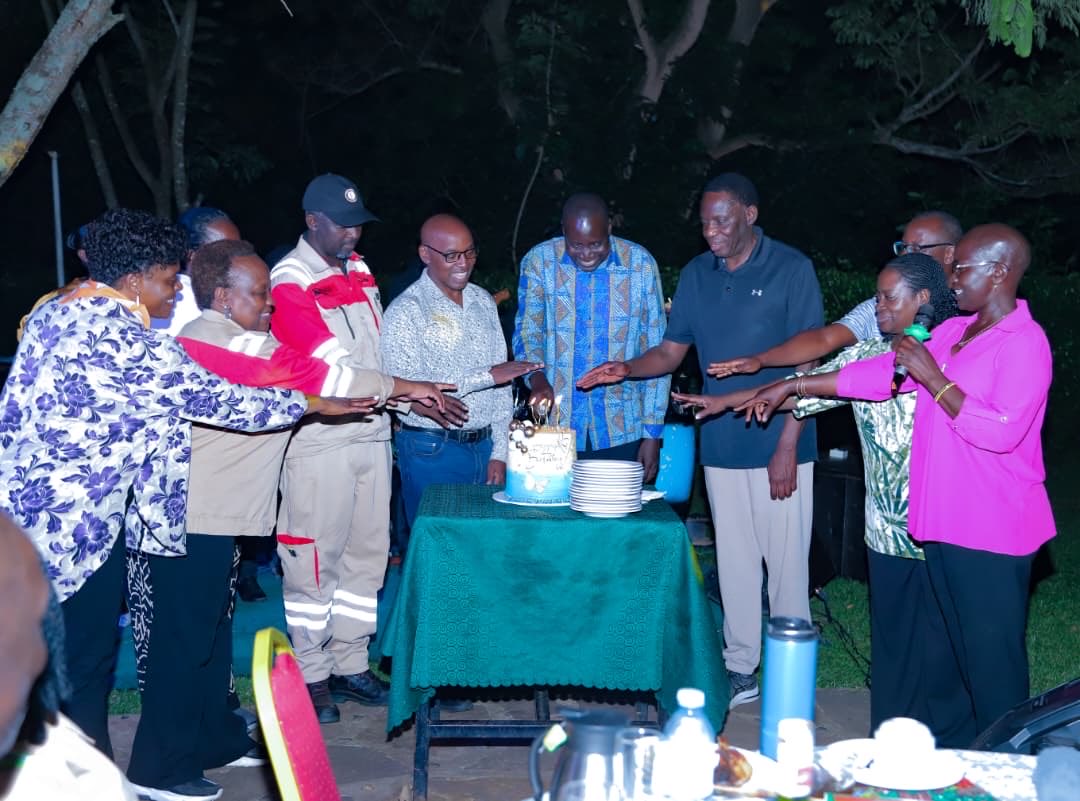
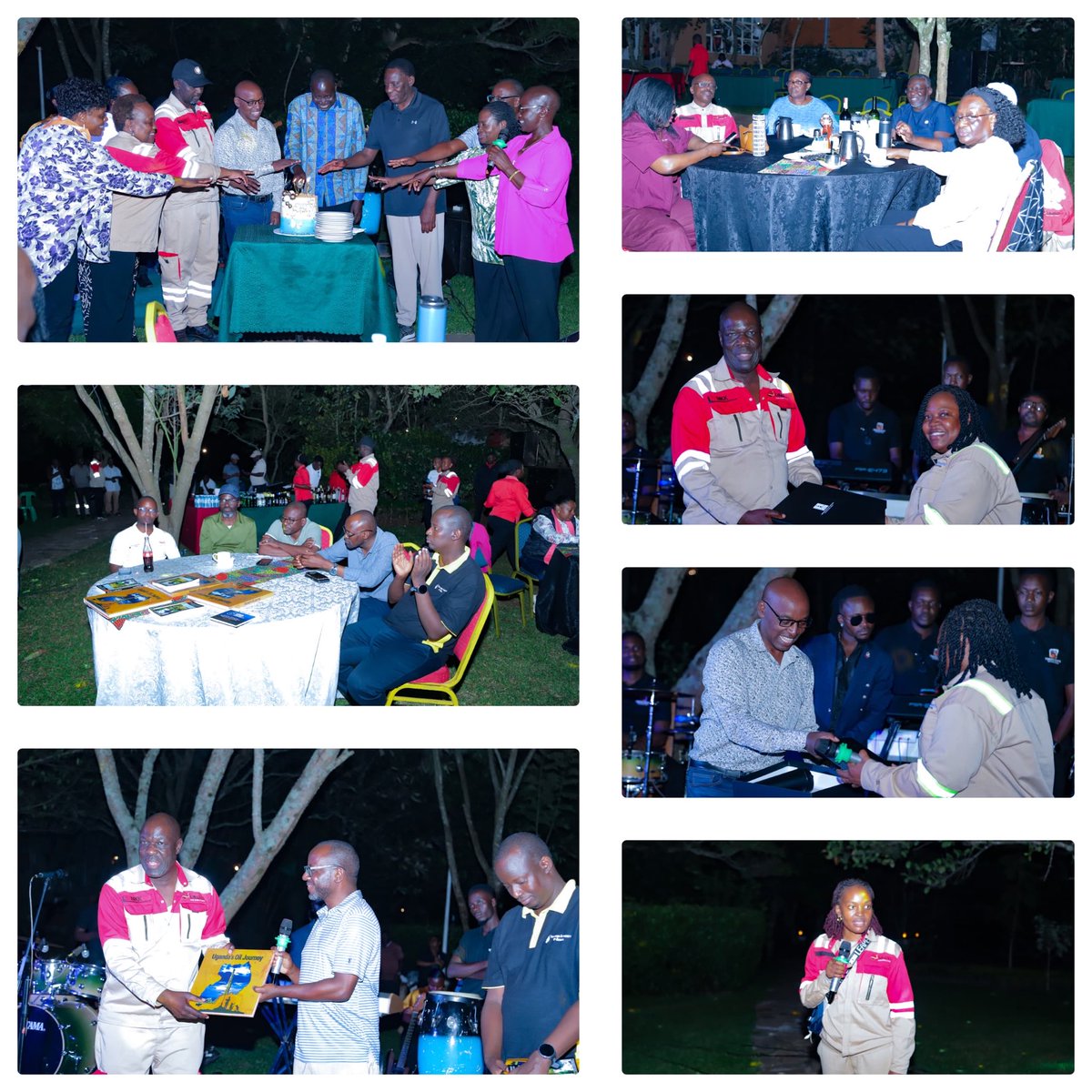
After three days of intensive learning and field visits across Uganda’s Albertine Graben, judicial officers and representatives from partner institutions gathered for a dinner last evening hosted by the Chief Justice, Justice Dr Flavian Zeija, at Kabalega Resort in Hoima. This was to reflect on the knowledge acquired, celebrate the success of the study visit and strengthen the partnerships made during the programme.
The dinner marked the culmination of the Judiciary’s oil and gas field excursion, organised by the Judicial Training Institute (JTI) in collaboration with the Petroleum Authority of Uganda (PAU), the Uganda National Oil Company (UNOC), the Uganda Revenue Authority (URA) and the Bank of Uganda (BoU). The three-day programme gave participants first-hand exposure to Uganda’s petroleum industry and its significance to the country’s socio-economic transformation.
Delivering his remarks, Chief Justice Justice Dr Flavian Zeija underscored the Judiciary’s indispensable role in Uganda’s economic development, noting that an efficient justice system is just as vital to national progress as roads, bridges and other physical infrastructure.“People often view the Judiciary as a consuming institution, but the Judiciary is a critical pillar of economic development,” he said.
He explained that investors closely examine how efficiently disputes are resolved before committing capital, observing that prolonged litigation can discourage investment and undermine economic growth.
“If an investor acquires land, establishes a factory and a dispute over that land takes five years to resolve, that investor will never encourage others to invest in the country,” he noted.
The Chief Justice said judicial decisions have a direct bearing on strategic national investments, particularly in the oil and gas sector, and urged judicial officers to adopt a development-oriented mindset while remaining faithful to the law.
“When you are seated at your desk looking at the cases before you, prioritise those that have a direct impact on the country’s development because we are all stakeholders in Uganda’s progress,” he said.
Reflecting on the field excursion, Justice Zeija described the visit as an eye-opener that had provided participants with a deeper appreciation of the scale, sophistication and complexity of Uganda’s petroleum industry.
“I never imagined the magnitude of the investment taking place here. I was truly mesmerised, especially by what we saw today. The engineers simplified very complex technical processes and by the time we left, we had a much better understanding of the sector,” he said.
To ensure that the lessons learnt are institutionalised, the Chief Justice proposed the establishment of a joint working group comprising representatives from UNOC, PAU, URA and the Bank of Uganda to prepare a comprehensive report on the study visit. The report will be discussed during an exit meeting and will help shape future engagements between the Judiciary and partner institutions.
“This was not a luxury visit. It was a study visit intended to inform how we move forward as a Judiciary in supporting Uganda’s journey to first oil and the continued development of the petroleum sector,” he emphasised.
Justice Zeija thanked the partner institutions for supporting the initiative, noting that many judicial officers had described the experience as transformative.
Deputy Chief Justice Justice Moses Kazibwe Kawumi said the Judiciary embarked on the excursion with two key objectives: to deepen its understanding of Uganda’s oil and gas industry and to validate research previously undertaken on the sector.
He commended the technical teams from UNOC and PAU for translating highly technical concepts into language that was easy to understand.
“At some point, I even felt like a scientist because of how simply everything had been explained,” he joked
Planners from institutions under the Administration of Justice Programme (AJP) today convened a follow-up meeting to develop the Programme’s priorities and funding requirements ahead of engagements aimed at mobilising additional resources.
The meeting, held at the Supreme Court, was chaired by the Judiciary’s Commissioner for Policy and Planning, Mr Simon Peter Opolot.
In his opening remarks, Mr Opolot said the meeting was convened in implementation of a directive issued during the Administration of Justice Programme Leadership Committee meeting held on 31 July 2026 and chaired by the Chief Justice, Justice Dr Flavian Zeija.
He explained that the Leadership Committee had tasked technical officers from the Programme institutions with identifying priority interventions and financing requirements to inform resource mobilisation efforts.
The meeting also served as a preparatory session ahead of an engagement between a selected team from the Programme institutions and the Minister of State for Finance, Planning and Economic Development to discuss critical funding gaps affecting the implementation of the Programme.
During the meeting, officials from the Office of the Prime Minister (OPM), led by the Assistant Commissioner for Monitoring and Evaluation, Mr Nathan Otutu, briefed participants on the new comprehensive assessment framework introduced under the Fourth National Development Plan (NDP IV).
Mr Otutu explained that beginning in the 2026/27 Financial Year, Ministries, Departments and Agencies will be assessed on their implementation of the National Development Plan and their contribution to the Government’s Tenfold Growth Strategy, underscoring the need for institutions to align their priorities and performance with national development objectives.
Participants subsequently commenced the preparation of the documentation that will guide discussions with the Minister on the Programme’s funding needs and strategic priorities.
Also present was the Registrar for Planning, Research and Development, HW John Paul Edoku, who urged participants to work collaboratively in identifying key interventions that require financing to strengthen the administration of justice.
The meeting was attended by representatives from the 13 institutions under the Administration of Justice Programme, as well as Justice Centres Uganda, a key collaborating institution supporting the Programme
The Chief Justice, Justice Dr Flavian Zeija, has announced that the Judiciary is establishing a specialised Environment and Infrastructure Division to strengthen its capacity to handle disputes arising from Uganda’s expanding infrastructure and extractive sectors, including oil and gas.
He made the announcement as the Judiciary concluded a four-day field study visit to Uganda’s oil and gas region in the Albertine Graben. The excursion was organised by the Judicial Training Institute (JTI) in collaboration with the Bank of Uganda (BoU), the Uganda Revenue Authority (URA), the Petroleum Authority of Uganda (PAU) and the Uganda National Oil Company (UNOC).
Speaking at the closing ceremony, Justice Zeija said the study visit had equipped judicial officers with practical knowledge that would enable them to fairly, efficiently and competently adjudicate petroleum-related disputes as Uganda moves closer to first oil.
“It is important that, as judges, we understand the sector. If a dispute arises, how do you adjudicate it when you don’t even know it? There is nothing as good as adjudicating in an area you understand well,” he said.
The Chief Justice emphasised that the Judiciary must support, rather than hinder, national development while ensuring justice is administered fairly.
“As the Judiciary, we must have a development mindset. We are training judges to ensure they appreciate these projects and determine disputes in a manner that promotes justice while supporting the country’s development,” he said.
Justice Zeija added that the Judiciary would continue partnering with institutions in the petroleum sector to build the capacity of judicial officers ahead of commercial oil production.
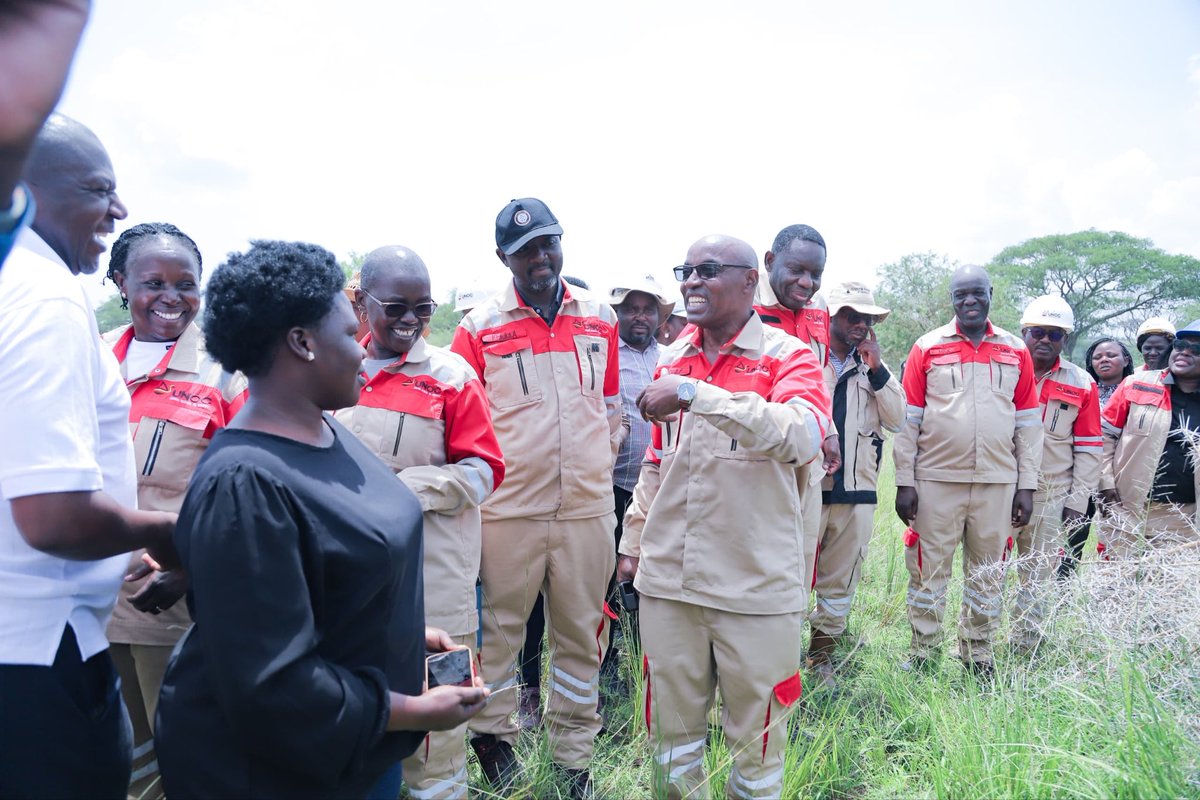
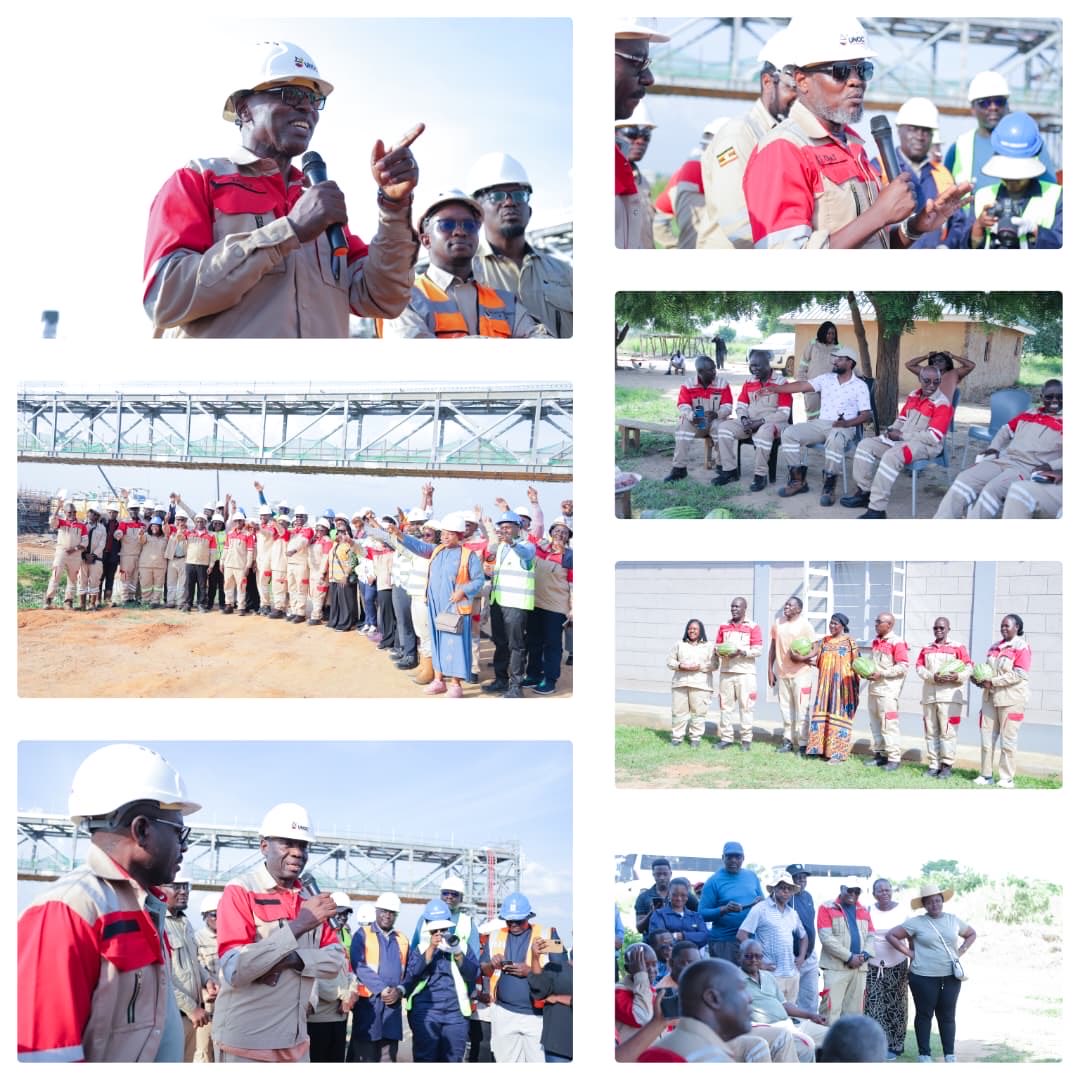
On the final day of the excursion, the delegation toured the Tilenga Project after receiving a technical briefing at TotalEnergies EP Uganda’s offices in Buliisa District. Participants learnt that Tilenga is Uganda’s largest upstream oil development project, spanning parts of Murchison Falls National Park and the districts of Buliisa and Nwoya.
The project comprises six production fields—Jobi-Rii, Ngiri, Gunya, Kasamene-Wahrindi, Kigogole and Nsoga, with 34 well pads and approximately 420 production wells. Officials explained that Jobi-Rii, the largest production field, derives its name from the Acholi (Luo) words Jobi (buffalo) and Rii (giraffe), reflecting the rich wildlife found within Murchison Falls National Park, where the field is located.
The Tilenga Project is expected to produce up to 190,000 barrels of oil per day at peak production. It has attracted an investment of approximately US$6 billion, making it one of Uganda’s largest strategic infrastructure projects.
The delegation also toured the 302-hectare Tilenga Industrial Area, which houses the Contractor Support Base, Central Processing Facility, Drilling Support Base, solar power plant and Construction Camp Area that support oil production operations.
At the rehabilitated Jobi-Rii 2 (JBR2) exploration well, the Chief Justice commended the developers for restoring the site after exploration activities.
“Other than the monument, you cannot tell there was ever exploration here. This demonstrates a high level of compliance with environmental restoration requirements,” Justice Zeija said.
He also expressed satisfaction with the environmental protection measures implemented throughout the project, noting that wildlife conservation and ecosystem restoration had been integrated into petroleum development.
“The developers are sensitive to environmental protection and appear to be complying with the required standards. We have also been assured that the safety systems in place can detect any leakages or spillages at an early stage,” he said.
Following the successful go-live of the Electronic Court Case Management Information System (ECCMIS) in the Gulu High Court Circuit on August 3, members of the ECCMIS Technical Committee, led by the Project Manager, Mr Joseph Ssinabulya, has deployed to the Circuit to provide hands-on technical support to the onboarded courts as they transition to the new digital platform.
The deployment marks the beginning of the Circuit’s transition from manual processes to electronic case filing and a paperless court environment, a significant milestone in the Judiciary’s digital transformation agenda.
The technical team is providing on-site handholding support to judicial officers and court staff, guiding them through the practical application of ECCMIS in their day-to-day operations. The support is intended to ensure a smooth transition, address technical and operational challenges in real time, and build users’ confidence in the system.
The handholding exercise is expected to strengthen the effective adoption of ECCMIS across the Circuit, enabling courts to manage cases more efficiently, enhance transparency, improve record management and deliver faster, more accessible justice services.
The System has been deployed in Gulu High Court, Gulu Chief Magistrate’s Court, Nwoya Chief Magistrate’s Court, Amuru Chief Magistrate’s Court, Omoro Magistrates Court and Atiak Magistrates Court
Day IV: The Judiciary today concludes its four-day field study visit to Uganda’s oil and gas region with a comprehensive tour of the Tilenga Project in Buliisa District. Here, judicial officers are gaining first-hand insight into upstream oil production, environmental restoration, and community resettlement initiatives in the Albertine Graben.
The study visit, organised by the Judicial Training Institute (JTI) in partnership with the Bank of Uganda (BoU), Uganda Revenue Authority (URA), Petroleum Authority of Uganda (PAU) and Uganda National Oil Company (UNOC). It has brought together officials from the partner institutions and the Judiciary to deepen their understanding of Uganda’s petroleum sector and its legal, economic, environmental and social dimensions.
The day’s programme commenced with a technical briefing at TotalEnergies EP Uganda’s offices in Buliisa, where participants received an overview of the Tilenga Project before proceeding to the project area. They learnt that, unlike the Kingfisher Development Area, Tilenga is Uganda’s largest upstream oil development project, comprising six production fields and 34 well pads spread across Buliisa and Nwoya districts.
Travelling through Murchison Falls National Park to the project sites, the delegation gained a greater appreciation of the environmental considerations and conservation measures that underpin petroleum development within one of Uganda’s most ecologically significant landscapes.
The delegation is touring key project infrastructure, including the Contractor Support Base (CSB), Central Processing Facility (CPF), Drilling Support Base (DSB), solar power plant and Construction Camp Area (CCA). Participants are also visiting a replacement house built for a Project Affected Person (PAP), providing valuable insight into the land acquisition, compensation and resettlement processes undertaken as part of the project.
The field study further includes visits to the rehabilitated JBR2 exploration well, rehabilitated trunk line sections, the fully developed JBR5 well pad and the Process Support Node (PSN), where participants are gaining practical knowledge of crude oil production, gathering, transportation and processing.
Throughout the study visit, the Chief Justice, Justice Dr Flavian Zeija, has underscored the importance of exposing judicial officers to the realities of Uganda’s oil and gas industry. He noted that first-hand appreciation of the sector’s operations, regulatory framework, environmental safeguards and community engagements will better equip judicial officers to handle petroleum-related disputes with greater context, fairness and informed judicial reasoning as Uganda prepares for First Oil