We appreciate feedback from the public especially court users. Reach us any time on our toll free line 0800111900/0800225587 to give us feedback about our services or staff. Help us to serve you better.
The High Court in Kitgum has successfully conducted a virtual criminal hearing using its newly installed Audio-Visual Conferencing (AVC) system, marking another milestone in the Judiciary’s digital transformation agenda aimed at improving access to justice and enhancing court efficiency.
The technology was deployed during an ongoing criminal session today in the murder case of Uganda v. Omoya David and Four Others. One of the five accused persons took plea virtually from Kitgum Main Prison, while the remaining four appeared physically before the High Court. Following the taking of plea, the prosecution commenced its case.
The virtual hearing followed developments during yesterday’s proceedings when prison authorities informed the court that one of the accused persons was unable to attend because he had been placed in isolation after being diagnosed with tuberculosis, a contagious disease.
The information, which had earlier been communicated to the Court by the Officer-in-Charge of Kitgum Main Prison, SP Robert Oguttu, prompted the Resident Judge, Justice Philip W. Mwaka, to adjourn the matter for one day and direct that the isolated accused person participate in the proceedings through the Court’s audio-visual conferencing system while the co-accused appeared in person.
The successful hearing demonstrates the practical benefits of the Judiciary’s ongoing investment in digital court technologies and fulfils a commitment made during the Kitgum High Court Open Day held on May 7, 2026, when the Audio-Visual Conferencing system was officially launched under the theme, “Digital Courts for Better Service Delivery.”
Speaking at that event, Justice Philip W. Mwaka, who represented the Principal Judge, Lady Justice Jane Frances Abodo, reiterated the Judiciary’s commitment to embracing technology to modernise court operations and improve service delivery.
He noted that the Audio-Visual Conferencing system would enable courts to hear matters in real time while reducing the logistical challenges associated with transporting inmates to court, thereby enhancing efficiency, accelerating case disposal and improving access to justice.
The virtual hearing also demonstrated how technology can ensure continuity of court proceedings even where health or security concerns prevent physical attendance, while safeguarding the rights of accused persons to participate in their trials.
The prosecution was led by Senior Resident State Attorney Patrick Ojara, while the accused persons were represented on State Brief by Sharon Awili of the Uganda Law Society Legal Aid Clinic, Kitgum
The Alternative Dispute Resolution (ADR) Registry has concluded the first day of sensitisation activities at Kigumba Farm Prison and Masindi Main Prison ahead of a Plea Bargaining Camp scheduled for July 8 and 9, 2026.
The exercise is part of the Registry’s efforts to promote plea bargaining as an effective mechanism for expediting criminal case disposal, reducing prison congestion and enhancing access to justice.
The sensitisation team, led by HW Godfrey Kaweesa, Deputy Registrar at the ADR Registry, and HW Daniel Bwambale Busathiro, Senior Principal Magistrate at the ADR Registry, engaged inmates and prison authorities on the plea bargaining process and encouraged eligible inmates to enrol for the upcoming camp.
At Kigumba Farm Prison, the team was received by ASP Pius Kamanya, the Officer in Charge who welcomed the officials and facilitated the engagement with inmates.
The team later proceeded to Masindi Main Prison, where the Officer-in-Charge, SP Vivian Nabulya, highlighted the severe congestion facing the facility.
She shared that the prison currently houses 1,297 inmates despite having been designed to accommodate only 260. Of the current population, 407 are convicted prisoners, while 655 remand inmates have already been committed to the High Court and are awaiting trial. The remaining inmates comprise debtors and female prisoners.
SP Nabulya noted that the prison is operating at nearly five times its intended capacity, underscoring the urgent need for interventions that can accelerate the disposal of criminal cases and ease congestion.
Despite these challenges, inmate response to the upcoming plea bargaining camp has been overwhelmingly positive. By the close of the first day’s sensitisation, 102 inmates from the Hoima High Court Circuit, who are currently held at Masindi Main Prison, had enrolled for the exercise, alongside 53 inmates from the Masindi High Court Circuit.
During the interactive sessions, inmates actively engaged the sensitisation team, seeking clarification on various aspects of the plea bargaining process. Many appealed for additional time during the Camp to enable all interested inmates to have their case files processed, reflecting growing confidence in the programme.
The ADR team responded to the inmates’ concerns by explaining the legal framework, eligibility requirements and procedural steps involved in plea bargaining, while emphasizing that participation remains voluntary.
Following the sensitisation, a team led by HW Juliet Nakitende, Assistant Registrar of Masindi High Court at Masindi, remained at the prison to continue registering additional eligible inmates ahead of the Camp.
The sensitisation team also briefed the Resident Judge of the Masindi High Court, Lady Justice Mary Babirye, on the preparations for the exercise. They informed her that the plea bargaining camp will benefit inmates from seven districts served by the Hoima and Masindi High Court Circuits, namely Hoima, Kikuube, Buliisa, Kyankwanzi, Kiboga, Masindi and Kiryandongo.
Justice Mary Babirye welcomed the initiative, describing plea bargaining as an important justice delivery mechanism that promotes the expeditious resolution of criminal cases. She encouraged the ADR Registry to conduct such sensitisation activities more regularly and pledged her continued support for initiatives aimed at improving access to justice.
The Plea Bargaining Camp, scheduled for July 8 and 9, is expected to further advance the Judiciary’s efforts to reduce case backlog, decongest prisons and promote timely and efficient criminal justice through ADR mechanisms
The Anti-Corruption Division of the High Court yesterday held its quarterly Bar-Bench meeting, bringing together Judges, prosecutors, investigators, defence lawyers and other justice sector stakeholders to review challenges affecting the disposal of corruption and economic crime cases and identify practical solutions to improve efficiency.
The meeting, held at the Division’s premises, provided a platform for stakeholders to assess the performance of the Court, strengthen coordination and discuss reforms aimed at enhancing the administration of justice.
Opening the meeting, the Head of the Division, Justice Michael Elubu, encouraged participants to engage candidly, noting that recommendations from previous Bar-Bench engagements had contributed to improvements in case management and service delivery.
Justice Elubu revealed that the Division currently has about 350 substantive cases pending before it, in addition to approximately 130 recently filed applications by the Office of the Director of Public Prosecutions (ODPP) seeking inspection of accounts, many of which have already been disposed of.
He highlighted ongoing efforts to strengthen institutional capacity through specialised training, citing recent engagements with Transparency International and a training programme organised by the Financial Intelligence Authority on terrorism financing and money laundering. He also announced plans for further capacity-building with the Uganda Revenue Authority, observing that continuous specialised training is essential to effectively handle increasingly complex corruption and financial crime cases.
Justice Elubu appealed to institutions such as the Inspectorate of Government (IGG) and the Public Procurement and Disposal of Public Assets Authority (PPDA) to play a more active prosecutorial role before the Division. He also expressed concern over delays in producing accused persons before court, noting that timely production remains critical to the expeditious disposal of cases.
He further welcomed the proposal to establish a specialised Anti-Corruption Bar under the Uganda Law Society, saying it would help build a pool of advocates with expertise in corruption and economic crime litigation.
The Deputy Head of the Division, Lady Justice Okuo Jane Kajuga, described the Bar-Bench meeting as an important forum for identifying bottlenecks affecting justice delivery and obtaining constructive feedback from court users.
She observed that delayed investigations continue to impede the timely disposal of cases and reminded stakeholders that the Anti-Corruption Division Rules require full disclosure at the committal stage. She emphasized that plea bargain negotiations can only be meaningful where the prosecution has fully disclosed the evidence to the accused person.
Justice Kajuga also called for strict enforcement of the Division’s disclosure rules and expressed concern over the practice of introducing money laundering charges late in proceedings after accused persons have already been committed for trial. She urged investigators and prosecutors to safeguard constitutional rights during arrests, searches and seizures, stressing that investigative powers must always be exercised within the confines of the law. She further called for greater coordination among justice sector institutions in the investigation and prosecution of complex financial crimes.
Justice David Makumbi, a Judge at the Division underscored the need for increased specialisation among defence counsel handling corruption cases, noting that many advocates continue to approach complex financial crime matters as though they were ordinary criminal cases.
He observed that although prosecutors generally make comprehensive disclosure of evidence, some defence counsel rely heavily on the prosecution’s case before preparing their own defence, ultimately disadvantaging their clients.
Justice Makumbi cautioned against using plea bargain applications to delay proceedings
Justice sector leaders in the Tororo High Court Circuit on Monday held their Regional Coordination Committee (RCC) meeting at Morukatipe Government Prison, using the unique setting to deepen stakeholders’ understanding of prison operations and strengthen collaboration in the administration of justice.
The meeting, held on Monday brought together representatives from the Judiciary, the Office of the Director of Public Prosecutions (ODPP), Uganda Prisons Service, Uganda Police Force, local government and other justice institutions.
Proceedings began with an inspection of Morukatipe Government Prison, where stakeholders toured ongoing renovation works on four prison wards intended to ease congestion. Prison authorities informed members that skilled inmates are actively participating in the construction works and are remunerated for their labour.
The delegation also visited the prison’s rehabilitation programmes, including adult education classes, where inmates are enrolled from Primary One to Primary Seven. Prison officials reported that 13 inmates have registered to sit the Primary Leaving Examinations this year, marking the first cohort under the programme to reach Primary Seven.
Members further inspected the prison’s carpentry workshop, which currently trains 12 inmates. While applauding the initiative, stakeholders noted the need for additional machinery and instructors to expand vocational skills training and better prepare inmates for reintegration into society.
Following the tour, the Committee held its meeting, chaired by the Assistant Registrar of the High Court, HW Hellen Edimu.
HW Edimu thanked stakeholders for attending and noted that holding the meeting at the prison had given many members their first opportunity to appreciate the realities of prison operations. She emphasized that the Regional Coordination Committee remains an important platform for strengthening cooperation among justice sector institutions.
She briefed members on the recent amendments to the Magistrates Courts Act, explaining that the reforms increased the pecuniary jurisdiction of Magistrates from UGX 20 million to UGX 100 million and that of Chief Magistrates from UGX 50 million to UGX 200 million. She noted that the changes will enable more civil matters to be handled by Magistrates’ Courts, thereby reducing the High Court’s caseload and improving access to justice.
The Assistant Registrar also updated stakeholders on the upcoming criminal session, noting that priority would be given to older cases as part of efforts to reduce case backlog. She informed members that the pre-session meeting had been scheduled for June 30, 2026.
During the deliberations, stakeholders commended the Judiciary for the significant reduction in complaints relating to prolonged remand, observing that inmates were no longer reporting excessive delays before trial.
The Resident District Commissioner urged justice sector institutions to strengthen communication and coordination to sustain improvements in service delivery.
Several agencies also shared progress made within the Circuit. In Busia, stakeholders reported that the challenge of transporting juveniles has been resolved after the Municipal Council and District Local Government assumed responsibility for transportation. The Municipality has also allocated land measuring 100 by 100 feet for the construction of a Municipal Court, pending formal council approval.
The Office of the Director of Public Prosecutions highlighted staffing shortages in Mulanda, Nagongera, Kisoko and Mukuju Magistrates’ Courts but noted that the gaps are currently being managed through the deployment of Police Prosecutors. The office also announced that land has been secured for the construction of a regional ODPP office.
The Lands Office commended the Court for promptly verifying Letters of Administration, noting that the timely responses have accelerated land administration processes
The Court of Appeal has reported significant progress in the use of appellate mediation, fully settling 23 appeals during the recently concluded Appellate Mediation Fortnight and expanding its mediation programme with the addition of 11 experienced mediators.
The two-week Case Settlement Fortnight, held from June 1 to 16, 2026, was part of the Court’s continued efforts to promote Alternative Dispute Resolution (ADR) as a faster, less costly and more amicable means of resolving appeals.
Out of the 100 appeals cause-listed for mediation, 23 were fully settled; the equivalent of a civil appellate session; while mediation was unsuccessful in 32 matters. A further 56 appeals remain under active mediation and are expected to continue beyond the fortnight.
The mediation sessions were conducted by Justices of the Court of Appeal under the leadership of the Deputy Chief Justice, Justice Moses Kazibwe Kawumi, with the support of Justice Richard Buteera (Deputy Chief Justice Emeritus), Justice Geoffrey Kiryabwire (Court Administrator), retired Justice Remmy Kasule and Registrars of the Court.
Presenting a report during a meeting of the Court’s Justices yesterday, HW Zulaika Nanteza, Deputy Registrar Appellate Mediation, said the mediation exercise was successfully conducted with strong participation from advocates and their clients, contributing to the smooth running of the programme.
She also reported growing confidence in appellate mediation, revealing that the Court currently has 266 appeals pending under mediation. And encouraged continued referral of suitable cases to the programme.
In a further boost to the initiative, the Court Administrator, Justice Geoffrey Kiryabwire, announced that the Court had received 11 additional accredited mediators to strengthen the appellate mediation programme.
The newly attached mediators include Chief Justice Emeritus Alfonse Chigamoy Owiny - Dollo, the Minister of Justice and Constitutional Affairs, Norbert Mao, retired Supreme Court Justice Eldad Mwangusya, and retired Court of Appeal Justice Remmy Kasule. Others include Advocates; Mr Francis Atoke, Mr Francis Gimara, Senior Counsel, Ms Ruth Sebatindira Senior Counsel, Mr Norah Winyi Matovu, Mr George Omunyukol, Mr Maxim Mutabingwa and Mr Anaclet Turyakira.
Justice Richard Buteera, Deputy Chief Justice Emeritus, continues to serve as one of the Court’s accredited mediators.
Justice Kiryabwire further informed the meeting that dedicated mediation rooms have been established at the Court with support from the Judiciary’s Top Management, providing an enabling environment for the expanding mediation programme.
The Justices also discussed strategies to further increase the uptake of Alternative Dispute Resolution at the appellate level. Closing the meeting, the Deputy Chief Justice congratulated the Justices and the mediation team on the achievements recorded during the settlement fortnight and commended them for their commitment to improving access to justice through mediation
Ongoing: A cross-section of Judicial Officers have today convened at the Judicial Training Institute (JTI), Nakawa, for a pre-retirement roundtable held under the theme, *"Transitioning with Purpose & Dignity."*
The one-day roundtable is designed to prepare judicial officers for a smooth and fulfilling transition from public service by equipping them with practical knowledge and skills in retirement planning, financial and risk management, wellness, and redefining purpose and identity beyond the formal office.
The participants include Registrars, Deputy Registrars, Assistant Registrars, Chief Magistrates, and Magistrates.
Officially opening the roundtable on behalf of the Chief Justice, the Chairperson of the JTI Governing Council and Justice of the Supreme Court, Justice Mike Chibita, commended the Judicial Training Institute for proactively preparing judicial officers for retirement well before they leave service.
He observed that while judicial officers dedicate the best years of their lives to serving the public, retirement often comes with significant adjustments relating to identity, financial security, social relevance, and personal fulfilment. He emphasized that retirement should not come as a shock but rather as a well-planned transition.
Justice Chibita encouraged participants to embrace the roundtable as an opportunity to prepare for the next phase of life with confidence and dignity, noting that leaving the Bench does not diminish one's value, wisdom, or ability to continue contributing to society.
He urged participants to take advantage of the practical sessions on pension planning, investments, health and wellness, and highlighted Alternative Dispute Resolution (ADR) as an avenue through which retired judicial officers can continue serving the justice sector as mediators, arbitrators, negotiators, and conciliators.
He further applauded the Judicial Training Institute for investing in officers approaching retirement, describing the initiative as a demonstration of the Judiciary's commitment to the well-being of its officers throughout their professional journey and beyond.
The Executive Director of the Judicial Training Institute, Justice Prof. Andrew Khaukha, noted that while retirement is an inevitable stage in every public servant's career, many officers naturally fear the transition because much of their identity, routine, and daily interactions are tied to judicial service. He emphasized that the purpose of the roundtable is to help judicial officers manage this transition through practical experience-sharing rather than classroom lectures.
He explained that the programme brings together retired judicial officers and experienced professionals to share personal experiences and practical insights on life after retirement, enabling participants to prepare emotionally, financially, socially, and professionally for the next chapter of their lives.
Justice Khaukha also underscored that the roundtable is an opportunity to celebrate the dedicated service of judicial officers while helping them appreciate that retirement marks the beginning of a new and productive phase rather than the end of meaningful contribution.
Earlier, participants engaged in a guided panel discussion led by Mr. Amos Ngolobe, Advocate and Mediator, which provided an interactive platform for participants to reflect on retirement planning, share experiences, ask questions, and gain practical insights into successfully navigating the transition from active judicial service.
At the moment, participants are attending a session on "Preparing for Retirement and Retirement Entitlements" facilitated by Mr. Victor Bua, Commissioner for Compensation, Ministry of Public Service. Ms. Sarah Abaru, Senior Human Resource Officer, Judiciary will later talk to the participants about retirement benefits payable to judicial officers. The session will be followed by a plenary discussion and an interactive simulation exercise
Ongoing: The Judiciary Council is holding a two-day retreat at Lake Victoria Serena Golf Resort and Spa, Kigo.
The Chairperson of the Judiciary Council and Chief Justice, Justice Dr. Flavian Zeija, welcomed members to the retreat and congratulated Justice Moses Kazibwe Kawumi on his appointment as Deputy Chief Justice, and HW Agnes Alum on her appointment as Chief Registrar.
During the retreat, the Council will consider the draft Magistrates Courts (Transfer and Management of Files) (Practice) Directions, 2026 and the Code of Conduct for the Judiciary Service, 2026.
Presenting the draft Magistrates Courts (Transfer and Management of Files) (Practice) Directions, 2026 are HW John Paul Edoku (Registrar Planning Research and Development) and HW Juliet Komugisa (Assistant Registrar, Family Division).
The Judiciary Council is a statutory body responsible for advising on the administration of the Judiciary and related policy matters. It is chaired by the Chief Justice and comprises 17 members drawn from the Judiciary and other key institutions
The Family Division of the High Court has commenced a two-week Case Settlement Fortnight aimed at accelerating the resolution of family and estate disputes through court-annexed mediation, as part of the Judiciary’s broader efforts to promote timely, affordable and amicable access to justice.
Running from June 29 to July 10, 2026, the initiative seeks to reduce case backlog while encouraging parties to resolve disputes through dialogue rather than protracted litigation. The exercise covers divorce causes, applications for extension of grants, and civil suits relating to estates.
The fortnight brings together a team of Judicial Officers and accredited mediators led by the Head of Division, Justice John Eudes Keitirima, alongside Justice Alice Komuhangi Khaukha and Justice Jane Okuo Kajuga. They are supported by experienced accredited mediators, including retired Justice Paul Mugamba, retired Justice Remmy Kasule, former Solicitor General Francis Atoke, Mr Frank Nigel Othembi, Ms Betty Khisa, Ms Zainabu Bandali, Ms Irene Damani, Ms Mariam Kulwawo and Ms Margaret Sakwa Khabuya. Dedicated mediation rooms have been set within the Division to facilitate the efficient handling of matters throughout the fortnight.
Speaking during the recent Bar-Bench meeting ahead of the exercise, Justice Keitirima encouraged litigants and advocates to embrace mediation, emphasizing that it offers parties an opportunity to resolve disputes in a manner that preserves relationships and promotes lasting peace.
He observed that mediation allows parties to actively participate in crafting solutions that address their unique circumstances, noting that many practical and sustainable outcomes emerge through dialogue—solutions that may not always be achievable through the traditional adversarial court process.
Justice Keitirima added that by fostering consensus, mediation not only expedites dispute resolution but also encourages greater compliance with settlement agreements, ultimately contributing to a more harmonious society.
HW Juliet Komugisa, an Assistant Registrar at the Division reported that the first day of the exercise registered a strong start, with 11 cases fully settled. She expressed optimism that the Division will achieve its target of settling 100 cases by the end of the fortnight.
Held under the theme, “Promoting Timely and Amicable Resolution of Family and Estate Matters,” the Case Settlement Fortnight underscores the Judiciary’s continued commitment to expanding Alternative Dispute Resolution mechanisms as an effective means of improving access to justice
Justice sector leaders in the Lira High Court Circuit have reiterated their commitment to strengthening collaboration in the administration of justice following a Regional Chain Linked (RCC) Committee meeting held yesterday.
The meeting, convened at the Lira High Court, was chaired by the Head of Circuit, Lady Justice Margaret Apiny, was flanked by the Resident Judge, Lady Justice Sarah Birungi Kalibbala, the Lira City Resident City Commissioner, Mr. Egole Lawrence Emmy, representatives from the Office of the Director of Public Prosecutions (ODPP), the Uganda Police Force, the Uganda Prisons Service, and Magistrates serving across the circuit.
Opening the meeting, Lady Justice Apiny said the Regional Chain Linked Committee provides an important forum for justice sector institutions to review issues affecting the administration of justice and strengthen cooperation among stakeholders.
She commended the various justice actors for their continued collaboration, noting that their collective efforts have enhanced justice delivery and improved the performance of the Lira High Court Circuit.
“The cooperation among justice sector institutions remains critical in ensuring that court users receive timely and effective justice,” she observed.
Discussions focused on key challenges affecting justice delivery in the region, including the lack of a remand home for juveniles, increasing crime rates, and inadequate investigations, which continue to affect the efficient disposal of cases.
Stakeholders explored measures to address these challenges and pledged to deepen inter-agency coordination to enhance access to justice.
The justice actors also commended Judicial Officers in the Circuit for their professionalism and dedication in handling matters before the courts, describing their commitment as instrumental in maintaining public confidence in the justice system.
The meeting was moderated by the Assistant Registrar, HW David Sayuni
The Nakawa Chief Magistrate’s Court team together with justice actors on Friday gathered at Silver Springs Hotel in Kampala to honour and bid farewell to HW Christine Nantege, the outgoing second Chief Magistrate, in recognition of her distinguished service and leadership.
The farewell dinner brought together Judicial Officers, prosecutors, police officers and other administration of justice partners. Among those in attendance were Chief Magistrates; HW Allan Gakyaro (in charge of the Court), HW Esther Nyadoi, as well magistrates attached to the station, the Office of the Director of Public Prosecutions led by Chief State Attorney Dorren Erima, the Jinja Road Division Police Commander, the Officer in Charge of CID and other stakeholders.
Speaker after speaker applauded HW Nantege for her exemplary leadership, sound management and interpersonal skills, describing her as a caring and supportive leader who fostered teamwork and professionalism within the court.
Speaking on behalf of the Court, HW Gakyaro commended HW Nantege for her unwavering commitment to integrity, noting her zero-tolerance approach to corruption and her dedication to promoting Alternative Dispute Resolution, particularly mediation and plea bargaining. He observed that these initiatives had significantly enhanced case disposal, reduced backlog and strengthened access to justice for court users.
He further thanked her for her diligence and commitment to improving service delivery, noting that her leadership had contributed to the continued excellent performance of Nakawa Chief Magistrate’s Court.
In her remarks, HW Nantege expressed gratitude to the Judiciary leadership, colleagues and justice sector partners for the cooperation and support she received during her tenure. She encouraged judicial officers and staff to remain committed to upholding professionalism, integrity and people-centred justice.
HW Nantege has since been transferred to Kasangati Chief Magistrate’s Court, where she takes over from the retired Chief Magistrate, HW Beatrice Kainza.
The evening concluded with the presentation of gifts, the cutting of a farewell cake and moments of fellowship as colleagues celebrated HW Nantege’s service and wished her success in her new assignment
Earlier: The Court of Appeal/Constitutional Court held a luncheon to formally welcome and congratulate the new Deputy Chief Justice, Justice Moses Kazibwe Kawumi, at the Court of Appeal Building Conference Hall in Kampala.
During the event, the Court also bid farewell to retired staff of the Court.
The event was attended by Justices of the Court of Appeal (both serving and retired), Registrars, Magistrates, support staff attached to the Court of Appeal, and the Deputy Chief Justice's family members.
Justice Richard Buteera and Justice Steven Kavuma (both former Deputy Chief Justices) were in attendance.
Justices of the Court of Appeal in attendance included Justice Geoffrey Kiryabwire (Court Administrator), Justice Fredrick Martin Stephen Egonda-Ntende, Justice Cheborion Barishaki, Lady Justice Hellen Obura, Lady Justice Irene Mulyagonja, Justice Christopher Gashirabake, Justice Oscar John Kihika, Lady Justice Margaret Tibulya, Justice Dr. Asa Mugenyi, Justice John Mike Musisi, Lady Justice Florence Nakachwa, Justice Jesse Byaruhanga Rugyema, Lady Justice Cornelia Kakooza Sabiiti, Justice Musa Ssekaana, and Lady Justice Esta Nambayo.
HW Mulalira Faisal Umar (Private Legal Secretary to the Deputy Chief Justice), HW Natukunda Janeva, HW Zulaika Nanteza, and HW Mugala Jane (Deputy Registrars, Court of Appeal), Magistrates (Research) attached to the Court, support staff were also present.
The event was moderated by HW Rukundo Allen Owembabazi (Registrar, Court of Appeal)
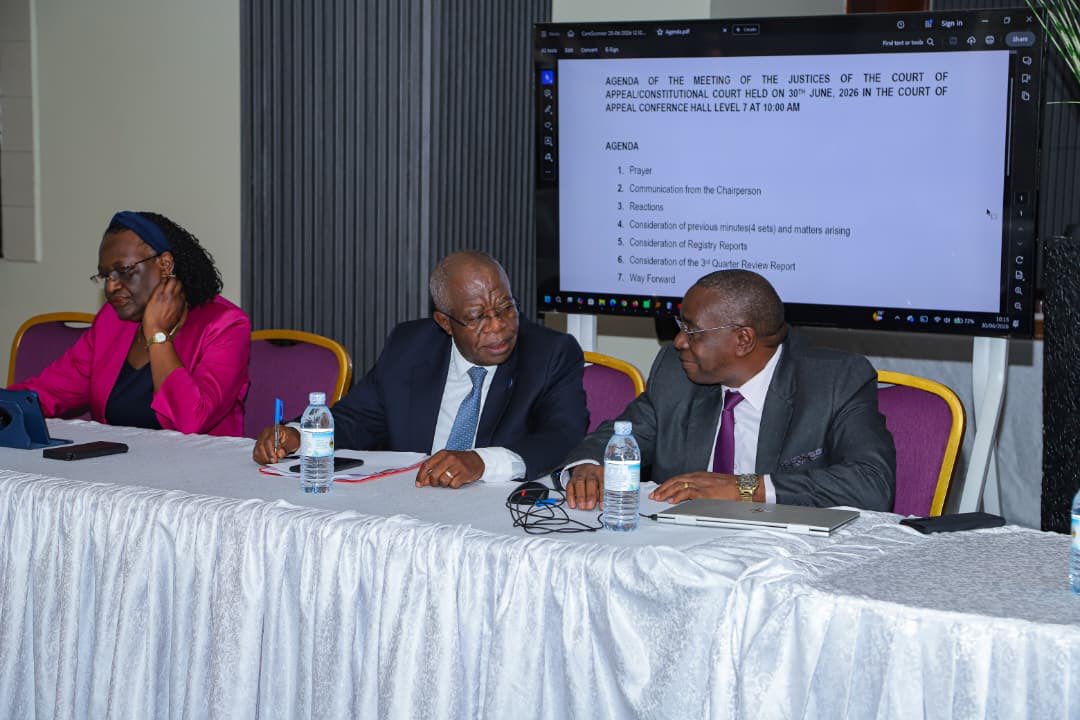
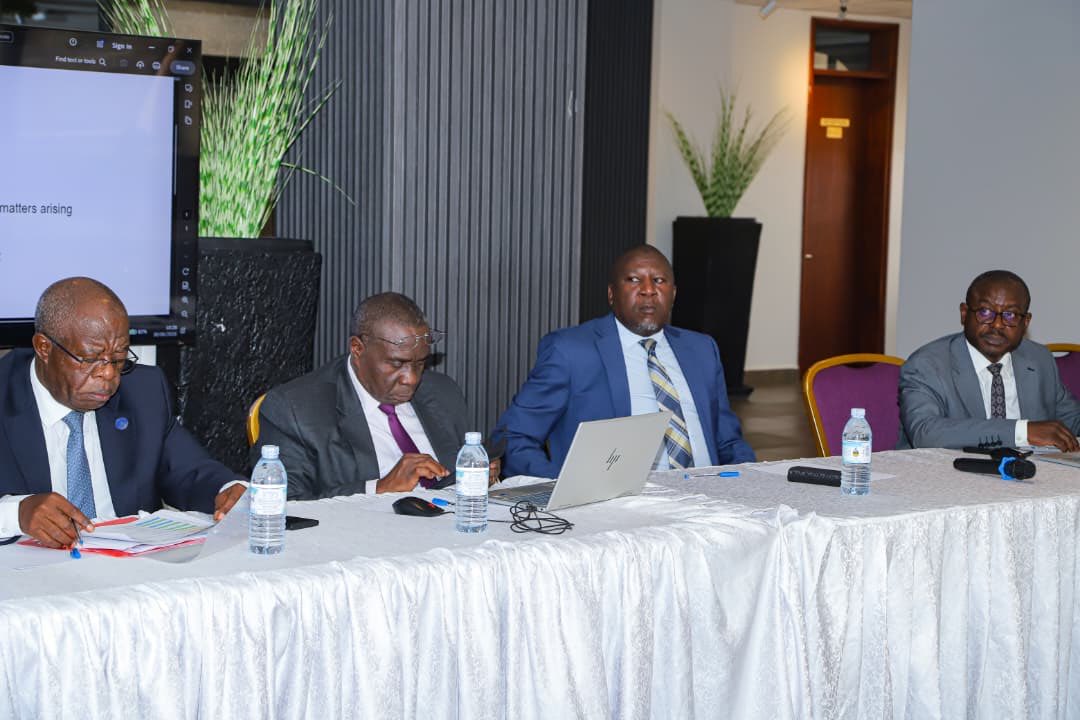
This morning the Deputy Chief Justice, Justice Moses Kazibwe Kawumi, held his first meeting with the Justices of the Court of Appeal/Constitutional Court at the Court of Appeal in Kampala.
The meeting was intended to discuss matters aimed at enhancing the effective and efficient delivery of justice by the Court of Appeal/Constitutional Court.
It was attended by Justices of the Court of Appeal including Justice Geoffrey Kiryabwire (Court administrator), Justice Cheborion Barishaki, Lady Justice Hellen Obura, Lady Justice Irene Mulyagonja, Justice Christopher Gashirabake, Justice Oscar John Kihika, Lady Justice Margaret Tibulya, Justice Dr. Asa Mugenyi, Justice John Mike Musisi, Lady Justice Florence Nakachwa, Justice Jesse Byaruhanga Rugyema, Lady Justice Cornelia Kakooza Sabiiti, Justice Musa Ssekaana and Lady Justice Esta Nambayo.
Also in attendance were HW Rukundo Allen Owembabazi (Registrar, Court of Appeal), HW Natukunda Janeva, HW Zulaika Nanteza, and HW Mugala Jane (Deputy Registrars, Court of Appeal), and HW Mulalira Faisal Umar (Private Legal Secretary to the Deputy Chief Justice)
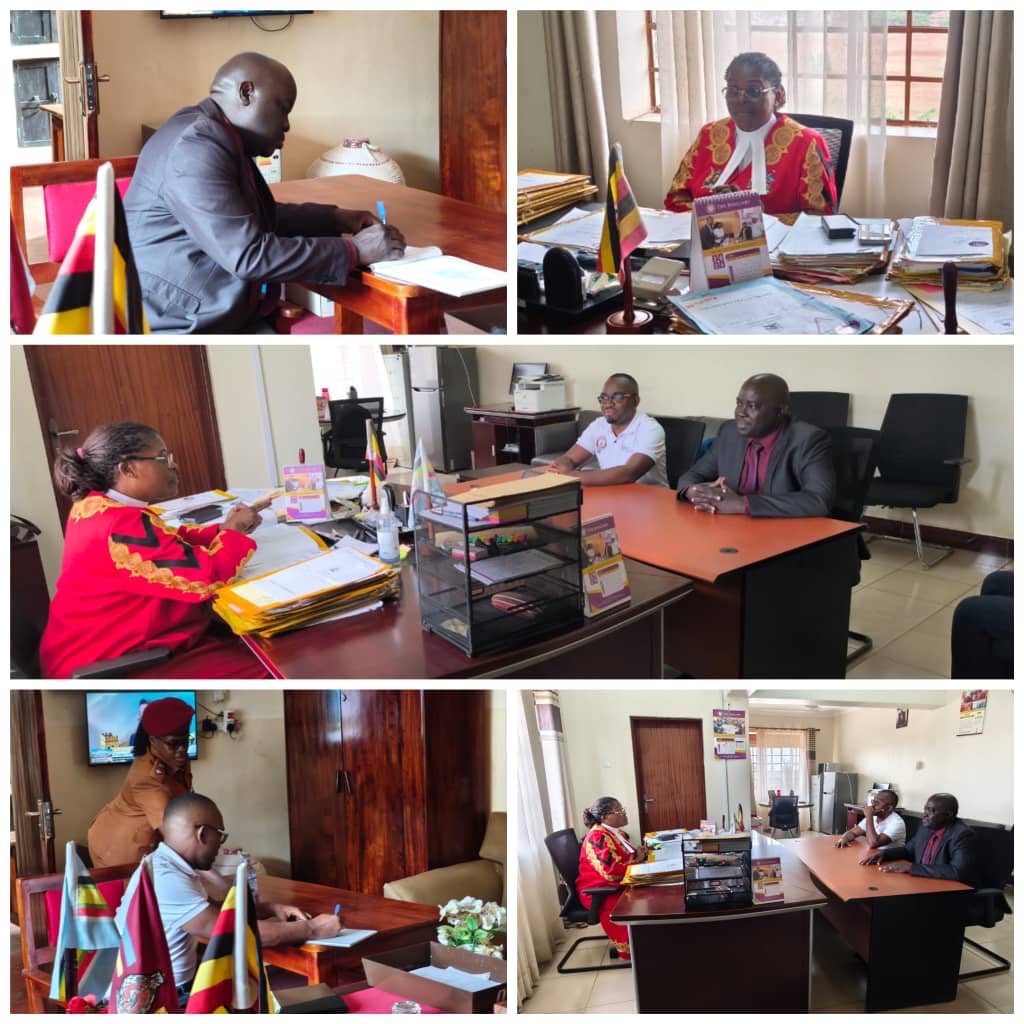
The Resident Judge of Lira High Court, Lady Justice Sarah Birungi Kalibbala, last week conducted a two-day inspection and supervisory tour of courts within the Lira High Court Circuit to assess their operational status and strengthen the delivery of judicial services.
The inspection, conducted on June 25 and 26, covered Lira Chief Magistrate’s Court, Kole Magistrate’s Court and Apala Magistrate’s Court. She was accompanied by Research Magistrate HW Michael Ogenrwot.
At Kole Magistrate’s Court, the Resident Judge was received by HW Susan Adelo, while HW Joe Fay Adoko welcomed her at Lira Chief Magistrate’s Court. At Apala Magistrate’s Court, she was received by HW Jonathan Wamimbi.
During the visits, Lady Justice Kalibbala inspected critical court facilities, including courtrooms, chambers, registries, archives, exhibit stores and holding cells, to assess their condition and suitability for efficient court operations.
She also held meetings with judicial officers and support staff at the three stations, where she commended them for their dedication to ensuring the continued delivery of justice despite operational constraints. She encouraged them to maintain high standards of professionalism and identified areas requiring improvement to enhance service delivery.
The judicial officers welcomed the inspection, describing it as an important opportunity to receive guidance and strengthen court operations. They committed to implementing the recommendations made during the visit but also highlighted persistent challenges affecting service delivery, including staffing shortages, the need for additional ICT and Court Case Administration System (CCAS) training, and the lack of reliable alternative power sources. They noted that power outages continue to disrupt the preparation of records of proceedings and the timely updating of CCAS.
In response, Lady Justice Kalibbala assured the officers that the concerns raised would be forwarded to the Judiciary administration for consideration. She emphasized the Judiciary’s commitment to improving working conditions across court stations to support efficient, timely and accessible justice for all
Kasangati Chief Magistrate’s Court today held a farewell luncheon in honour of HW Kainza Beatrice, the outgoing Chief Magistrate, and MagistrateHW Edgar Nyakairu in recognition of their dedicated service to the people of Kasangati.
Judicial officers and staff paid tribute to HW Kainza for her exemplary leadership during her four-year tenure at court. They described her as a compassionate and approachable administrator whose motherly style of leadership fostered teamwork and enabled the Court to consistently perform beyond expectations.
Staff particularly commended her for championing Alternative Dispute Resolution (ADR), noting that her efforts significantly contributed to reducing case backlog and promoting faster, more amicable resolution of disputes. Representatives from the Office of the Director of Public Prosecutions also applauded her commitment to people-centred justice and her collaborative approach in strengthening justice delivery.
HW Edgar Nyakairu was equally commended for his professionalism, integrity and unwavering commitment to dispensing justice without fear or favour. Staff hailed his strong leadership qualities, diligence and dedication to serving court users throughout his time at Kasangati Court.
The ceremony concluded with the cutting of a farewell cake and the presentation of gifts to the two judicial officers as tokens of appreciation for their outstanding service and contribution to the administration of justice at Kasangati Court
HW James Ereemye Jumire Mawanda, the Judiciary Public Relations Officer is live on Akaboozi Kubili sharing insights about the Judiciary Client Charter.
Follow the conversation live on the link below.
https://t.co/bpPPnRKbup
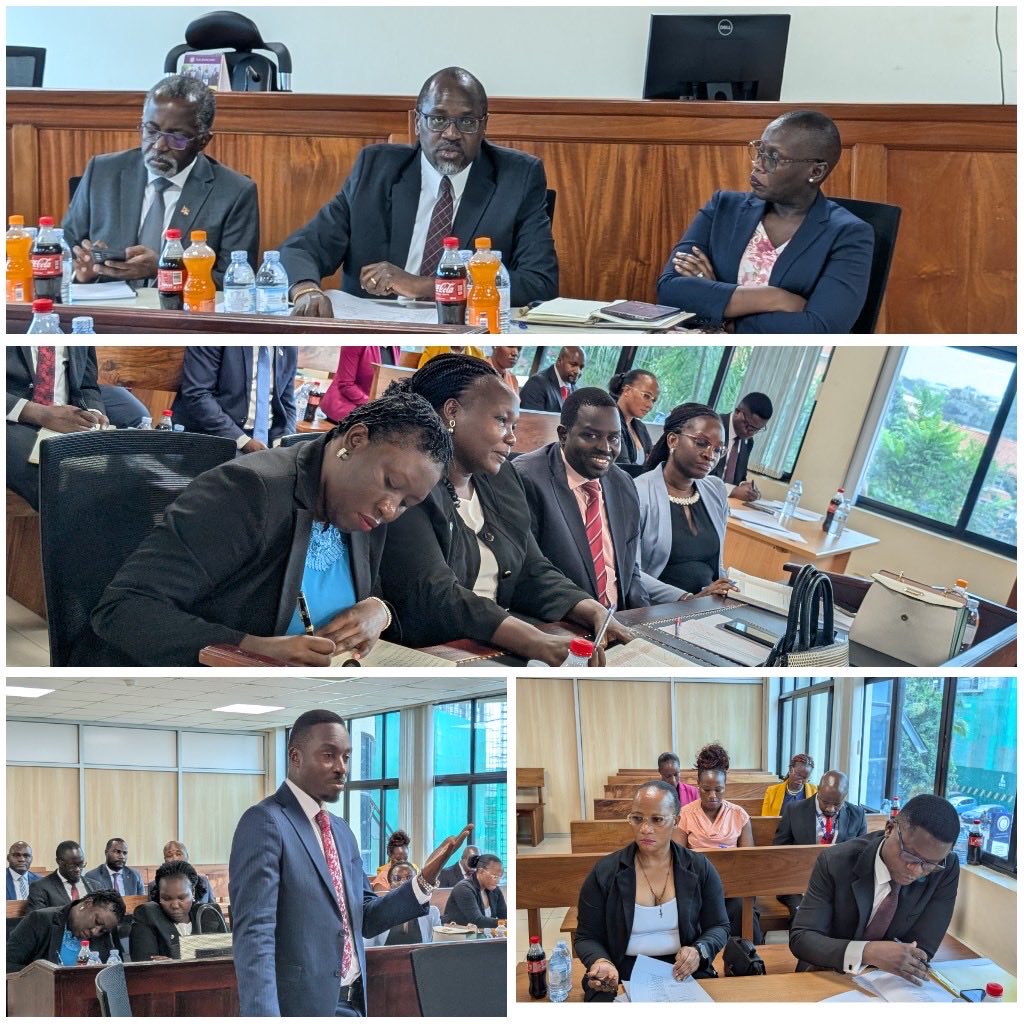
Happening Now: The Deputy Chief Justice, Justice Moses Kazibwe Kawumi, is meeting stakeholders in the criminal justice system including from the Office of the Director of Public Prosecutions (ODPP) and advocates who handle criminal appeals at the Court of Appeal.
The meeting is taking place at the Court of Appeal Building Conference Hall in Kampala and aims to discuss ways of reducing criminal case backlog at the Court of Appeal.
It is being attended by Judicial Officers in different capacities, support staff attached to the Criminal Registry at the Court of Appeal, representatives from the ODPP and advocates.
In attendance are Justice Geoffrey Kiryabwire (Justice Court of Appeal and the Court Administrator), HW Katushabe Prossy (Registrar, High Court), HW Rukundo Allen Owembabazi (Registrar, Court of Appeal), HW Natukunda Janeva, HW Zulaika Nanteza, and HW Mugala Jane (Deputy Registrars, Court of Appeal), HW Mulalira Faisal Umar (Private Legal Secretary to the Deputy Chief Justice) and HW Mwanja Brian (Personal Assistant to the Deputy Chief Justice).
Also present are Ms. Nabaasa Caroline Hope (Principal Assistant DPP), Ms. Happiness Ainebyona (Chief State Attorney), Senior Counsel Henry Kunya, and Mr. Albert Mooli (advocate).
The meeting is being moderated by HW Rukundo
The Judiciary has intensified its efforts to reduce the growing backlog of land disputes with the launch of the Land Division’s Land Settlement Fortnight, an initiative expected to resolve hundreds of cases through court-annexed mediation over the next two weeks.
The exercise, officially flagged off this morning by the Principal Judge, Lady Justice Jane Frances Abodo, at TWED Towers in Kampala, has cause-listed 519 land cases for mediation, with the Judiciary targeting the settlement of about 270 matters.
The initiative forms part of the Judiciary’s broader strategy to promote Alternative Dispute Resolution (ADR) as a faster, less costly and less adversarial means of resolving disputes while easing pressure on the courts.
Launching the fortnight, Lady Justice Abodo said the exercise comes at a critical time for the Land Division, which continues to grapple with one of the heaviest caseloads.
Statistics presented during the launch indicate that the Division registered 1,067 new cases during the third quarter of the Financial Year 2025/2026, bringing the total pending caseload to 7,279 cases as at 31 March 2026. Although 1,363 cases were disposed of during the same period, including 58 through mediation, the Division still carries a backlog of 3,294 cases, representing 45.2 per cent of pending matters.
She said the figures demonstrate the urgent need to expand the use of mediation in resolving land disputes.
The Principal Judge noted that land cases are among the most complex matters handled by the courts because they often involve multiple parties, extensive documentary evidence and deep emotional and social interests. She observed that delayed resolution of such disputes not only affects families and communities but also undermines economic development, discourages investment and weakens public confidence in the justice system.
Lady Justice Abodo commended the Judges, Registrars, mediators and support staff of the Land Division for their continued dedication despite the demanding nature of their work. She also applauded advocates and accredited mediators for partnering with the Judiciary in promoting access to justice through mediation.
She explained that the Settlement Fortnight is being implemented under the Judicature (Court-Annexed Mediation) Rules, 2026, which provide a structured framework for resolving disputes through mediation within 60 days. The Rules also provide for Judiciary-supported mediation services and make mediated settlement agreements enforceable as court orders.
Calling for greater commitment from all justice sector actors, the Principal Judge urged judicial officers to identify suitable cases for mediation, prioritise older matters and remove inactive files that unnecessarily inflate the Division’s pending caseload. She appealed to advocates to guide their clients towards practical settlements instead of prolonged litigation and encouraged mediators to utilise their expertise to help parties reach mutually beneficial agreements.
Then Principal Judge reiterated the Judiciary’s commitment to strengthening the Land Division through improved case management, continuous capacity building, enhanced collaboration with stakeholders and better operational support.
Earlier, the Head of the Land Division, Lady Justice Damalie Lwanga, described mediation as an effective, affordable and relationship-preserving mechanism that enables parties to resolve disputes without undergoing lengthy court proceedings.
She revealed that the Division has cause-listed 519 cases for mediation and hopes to settle about 270 of them during the fortnight. She urged litigants and their advocates to attend mediation sessions in person, participate in good faith and embrace dialogue as a means of achieving lasting solutions.
Lady Justice Lwanga said the Judiciary had adequately prepared for the exercise through an ADR Roundtable held in May and specialised mediation training conducted by the Judicial Training Institute
Ongoing: The Court of Appeal is holding a one-day in-house training for Registrars, Research Magistrates, and Court Clerks attached to the Court. The training covers Conferencing, Case Scheduling and Record Management in Civil Appeals.
The training aims to enhance participants' knowledge and skills in conferencing, case scheduling and record management to improve efficiency in handling of civil appeals, strengthen teamwork and promote consistent practices across the court.
Opening the training, the Deputy Chief Justice, Justice Moses Kazibwe Kawumi, noted that the training presents an opportunity to strengthen institutional consistency by promoting uniform practices in conferencing, scheduling, and records management across registries of the Court. This improving coordination and minimizing procedural inconsistencies. He added that it (training) transcends being merely another capacity-building activity but constitutes an integral component of the Court of Apeal’s strategic initiative to strengthen appellate case management, improve institutional efficiency, and facilitate the prompt delivery of justice.
He observed that the increasing volume and complexity of appeals require continuous improvement of the Court's internal systems and processes to ensure efficient, equitable, and responsive justice delivery.
“As the volume and complexity of appeals continue to increase, it is imperative that we continually optimize our internal systems and processes to ensure that the administration of justice remains efficient, equitable, and responsive to the needs of court users,” he said.
The Deputy Chief Justice emphasized that the Constitution guarantees every person the right to a fair hearing within a reasonable time and noted that effective conferencing, appeal scheduling, and proper records management are central to achieving that constitutional obligation. He explained that administrative delays erode public confidence in the justice system, while efficient scheduling ensures the optimal use of judicial time, productive hearings, and the timely disposal of appeals. The Deputy Chief Justice added that strengthening conferencing and scheduling enables the Court to identify procedural issues early, confirm hearing readiness, and avoid unnecessary delays.
He also underscored the critical role of Research Magistrates and Court Clerks in supporting the work of the Court through proper file management, accurate conferencing notes, quality legal research, well-reasoned opinions, and timely scheduling of appeals.
“Research Magistrates and Clerks in modern judiciaries hold significant responsibilities,
especially at the Court of Appeal, where their work underpins court operations. Properly
managed files, accurate conferencing notes, scheduled appeals, detailed records, and well-
reasoned opinions from research magistrates all contribute to case efficiency through research,
draft briefs, and referenced authorities,” he said.
Justice Kazibwe identified missing and incomplete court records as a persistent challenge that delays justice, hinders appellate review, and sometimes denies litigants timely resolution. He shared that the Court of Appeal is developing a comprehensive framework for managing appeals involving missing records through systematic registry audits, the issuance of certificates of missing files, verification of lost files, and reconstruction orders where recovery is not possible. He also stressed that the success of the framework will depend on the diligence, professionalism, and accountability of officers responsible for maintaining court records.
Turning to the Judiciary's digital transformation agenda, he noted that the Judiciary’s transition to a paperless court and digital case management systems requires greater discipline in document management, secure file transmission, version control, and data integrity to ensure that technology enhances efficiency without compromising accuracy and accountability